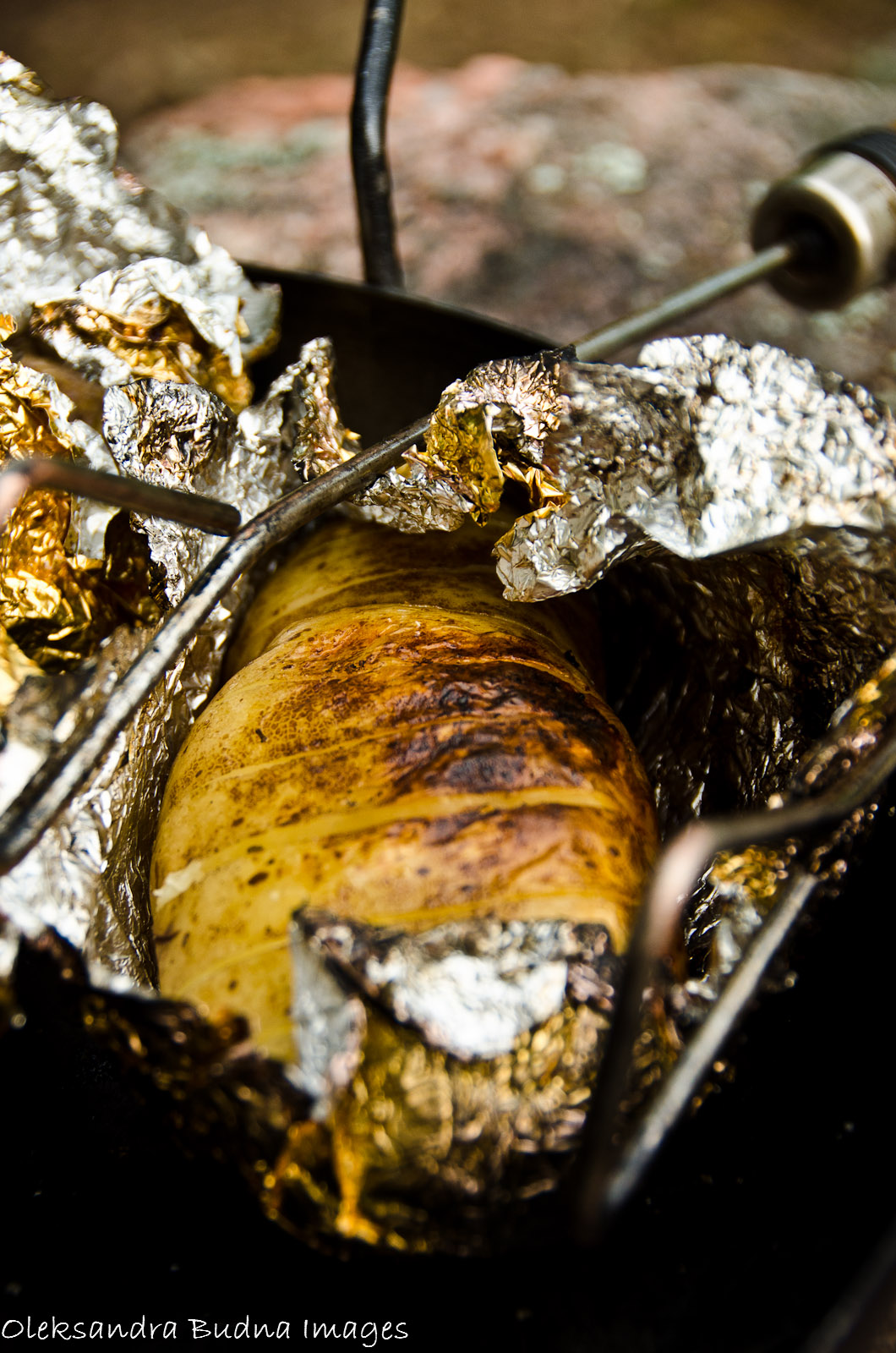
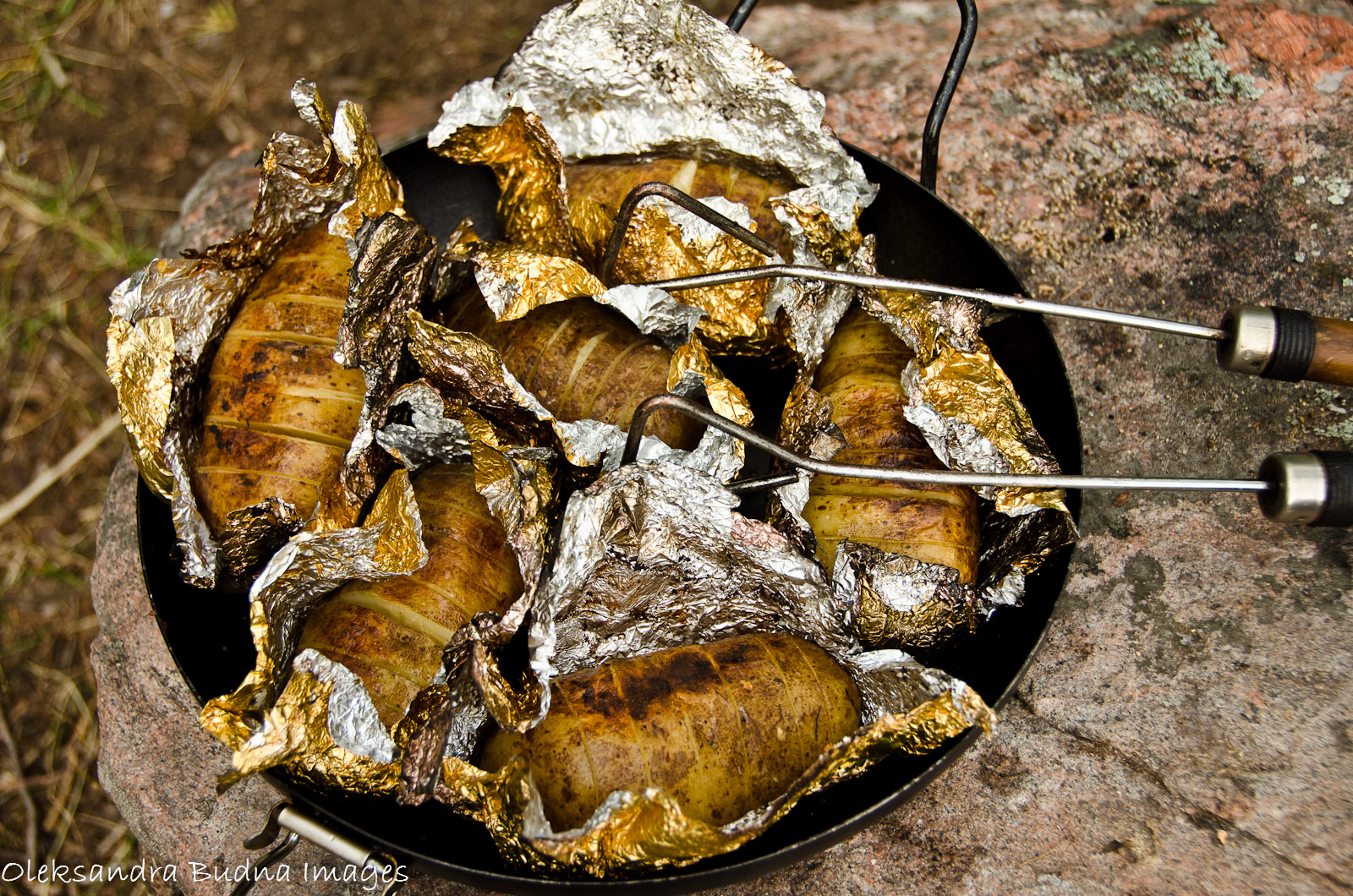
Accordion Baked Potatoes

Kawartha-26No other food says camping more than baked potatoes. Some of the best memories from my childhood backpacking trips are of pulling hot blackened spuds out of the red glowing coals. They were slightly charred on the outside but deliciously soft and crumbly on the inside. Preparing a perfect baked potato may seem easy (what could be difficult about tossing a few potatoes into the coals?) but it requires some testing before you figure out the correct timing and a few burned or overcooked potatoes along the way. It also takes time because you need a nice big pile of coals, which means you need to burn some wood before you even get to the tossing-potatoes-into-the-coals part. These days, we usually wrap them in foil and put on a grate above the fire.

This recipe is for a fancier kind of baked potatoes and requires some preparation. We usually do all the cutting and filling at home, wrap the potatoes in foil and then the only thing left to do at the campsite is to bake them.

Ingredients:

– Baking potatoes for however many people you are planning to feed

– Filling: butter, onions sliced, garlic chopped, salt, pepper

– Possible topping (optional): yogurt or sour-cream, grated cheese, salsa

Instructions:

– Wash the potatoes

– Make cuts in each potato about 2/3 through and 1/4 of an inch apart (when done it should open up like an accordion, hence the name)

– Fill each opening with a slice of butter, a couple of onion rings and a few garlic pieces, add salt and pepper to taste

– Wrap in foil

– Bake for about 40 minutes to an hour depending on the size of the potatoes, turning them over from time to time. Test readiness with a knife. It should insert easily when the potatoes are done.

– Take them off the firegrate, let cool a little, add the toppings and enjoy!

Finally, experiment with fillings and toppings. So many delicious combinations can be created. Let us know which ones you like the most!

Kawartha-25   Kawartha-28

My Outdoor Classroom

I went on my first hiking trip when I was ten. We just finished grade four, and our homeroom teacher, an avid outdoorsman, decided we were ready for a few days in the woods. To get to our camping destination, we took public transit and then walked for two hours or so. Most of us had never been camping before so our teacher taught us how to pack our backpacks, what to bring with us on a trip, how to set up a tent, collect wood and cook food over the campfire. We stayed there for three days, making short hiking trips into the forest and gathering medicinal herbs, which we later donated to the pharmacy. By the end of the trip I was hooked. Luckily, he remained our homeroom teacher till we graduated from school six years later, and those camping trips became an annual tradition. He would take us backpacking in the Carpathian mountains every summer and skiing in the winter. The trips would get longer, tougher and further away. And every year I would enjoy them more and more.

p2_1The tents we used were old army tents, extremely heavy when dry and weighing about a ton after getting wet. They were hard to set up, especially after we lost or broke all the poles and had to find suitable sticks on every trip. There were no zippers on those tents, just some loops and hooks, so they offered little in terms of protection from cold or mosquitoes. We didn’t have any pads, only sleeping bags, also heavy and big, and we used our backpacks as pillows. The backpacks themselves were nothing like sleek modern contraptions with padded straps and back supports. They were weirdly rounded, bulky and extremely uncomfortable. The straps were narrow, and after a day of lugging the backpack around felt razor-sharp.

Somehow none of those things mattered. When I think of those trips, my most vivid memories are of sitting around the campfire and listening to our teacher’s fascinating stories about his travels. Or one of my classmates playing the guitar and singing the same two songs (I think he only knew two) over and over again. I can still picture breathtaking views from mountain tops, which were even more special because they required so much work. I remember warm summer nights when we would decide to forego sleep altogether and stay up all night waiting for the sunrise. Morning haze over the mountains, the thrilling song of nightingales, and the hot red orb of the sun rolling out from behind the hills. Fresh smell of woods and multicoloured flowery carpets of high mountain meadows. Card games with my classmates on long winter nights. The excitement of flying down a toboggan hill on plastic sheets, and all the pain and aches afterwards because plastic offered little in terms of protection from bumps and gaps.

p1_1

Most importantly, I remember the growing confidence and satisfaction that came from accomplishing something that hadn’t seemed possible before, the feeling of community and knowing that you can rely on your friends. While we learned a lot of practical camping and survival skills from our teacher, he taught us way more than that. We learned to watch out for each other and provide support when someone was tired or hurt. We learned to share by pulling all our food supplies together to make some weird but always delicious concoction and then distribute it between all of us making sure everyone got enough to eat. We learned that you had to keep walking even when the mountain top seemed too high up or the road way too long. We learned that even the longest routes seemed shorter with your friends around.

My teacher died a few years ago from a heart attack. I never got to tell him how much all those trips meant to me and that they inspired my lifelong passion for the outdoors. I can only hope he knew that while we enjoyed his Ukrainian language and literature classes, the most important lessons he taught us were outside the classroom.

Summer Farewell at Pinery

Our Labour Day weekend trip to Pinery Provincial Park is always bitter-sweet. As we are soaking in the last bits of summer, we also have to come to terms with the fact that our busy life of school lunches, after-school activities and bus schedules is just around the corner. This year the bitter-sweet flavour was even stronger than usual. And not because the summer finally decided to show up as we were about to say goodbye to it. We were also saying goodbye to our older son who is starting university this year and moving to Waterloo. Since camping has always been such a great part of our lives, it seemed very fitting for him to leave for college from a campground.

PineryLabourDay2014-2   PineryLabourDay2014-1

PineryLabourDay2014-66   

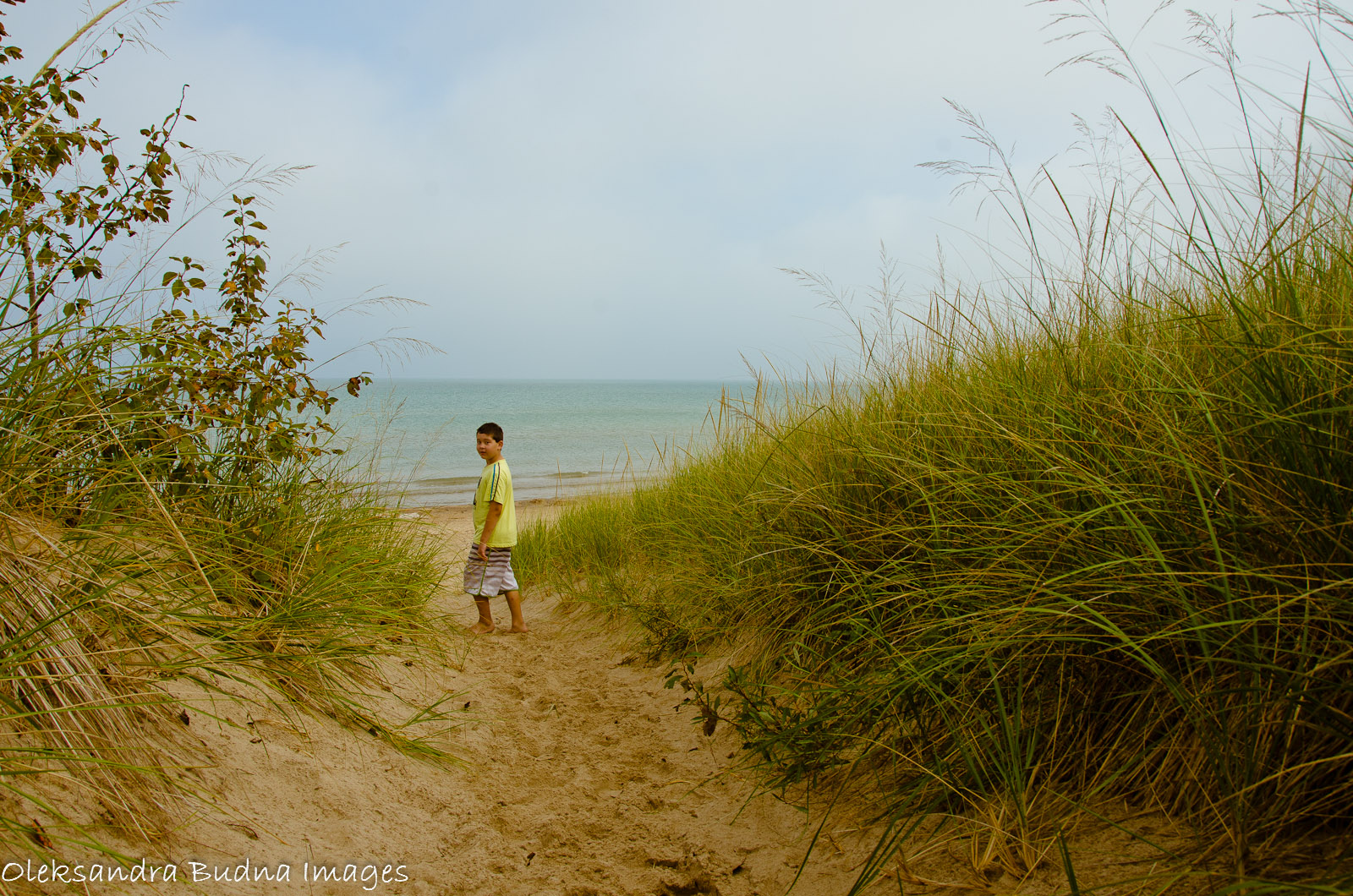
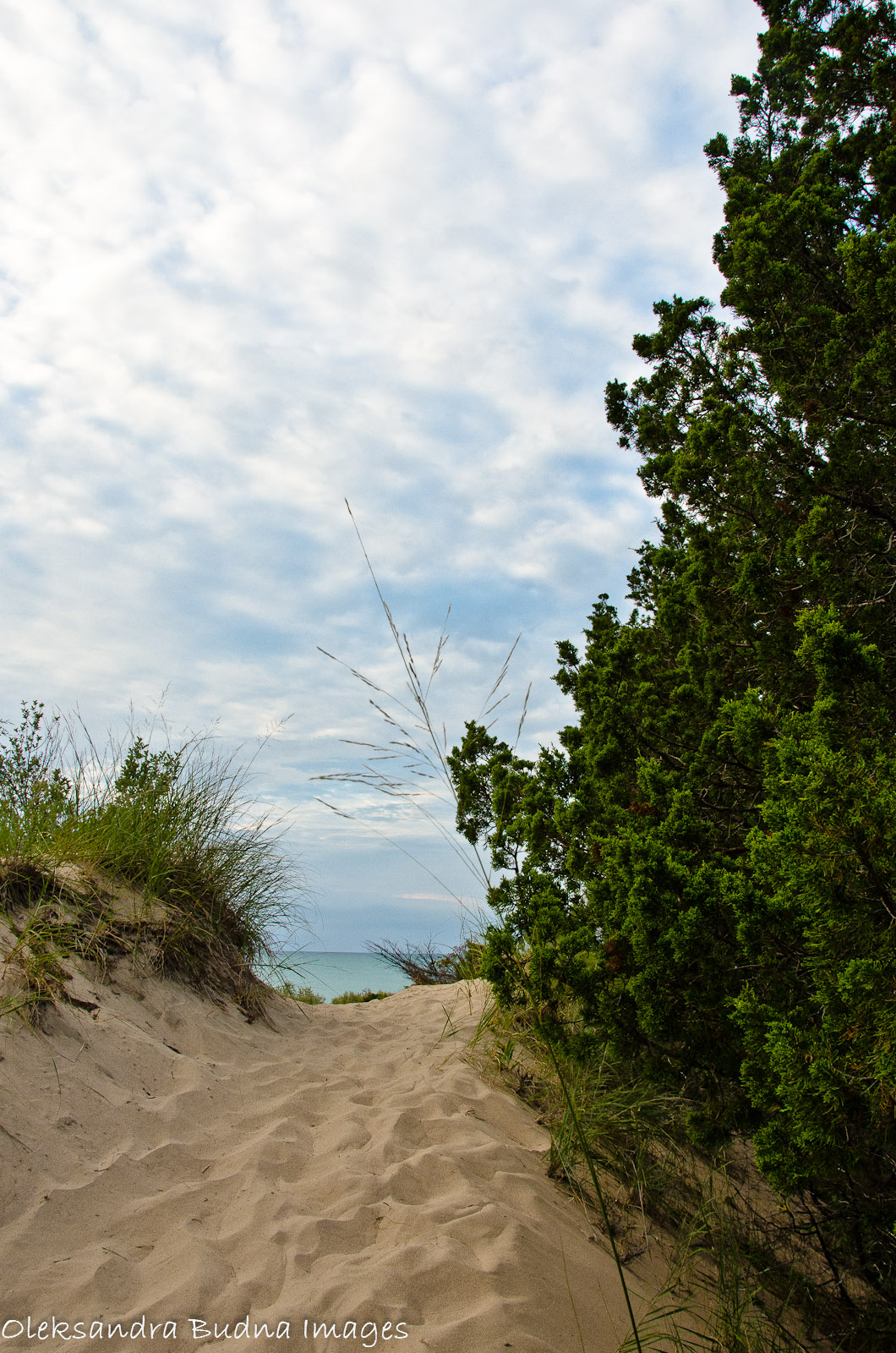
We have been coming to Pinery every summer (and once in the winter) for the past seven years. I still remember the first time we camped there. Our campsite turned out to be in one of those rare for Pinery clusters where all your neighbours are in plain view and where you are awakened by the sound of tents being unzipped as people hurry on their early morning, or occasional middle of the night, trips to the bathroom. After giving up on trying to go back to sleep, I crawled out of the tent and decided to go for a walk. I found the closest dune crossing and headed for the beach. Crunchy, coarse sand between my toes. Gentle warmth of the early morning sun at the back of my neck. The way all sounds cease to exist once you descend between the sand dunes. The feeling of awe as I climbed the dune and looked around.

PineryLabourDay2014-77   PineryLabourDay2014-42

PineryLabourDay2014-40   PineryLabourDay2014-39

To me, Pinery has something that speaks directly to a kid in each of us. It is home of quintessential summer and childlike  joy. It’s the land of water fun, sandcastles, spectacular sand dunes and mesmerizing sunsets. It’s made of mid-summer dreams and languid musings.

PineryLabourDay2014-103   PineryLabourDay2014-64

PineryLabourDay2014-96   PineryLabourDay2014-87

PineryLabourDay2014-101    PineryLabourDay2014-43

PineryLabourDay2014-81

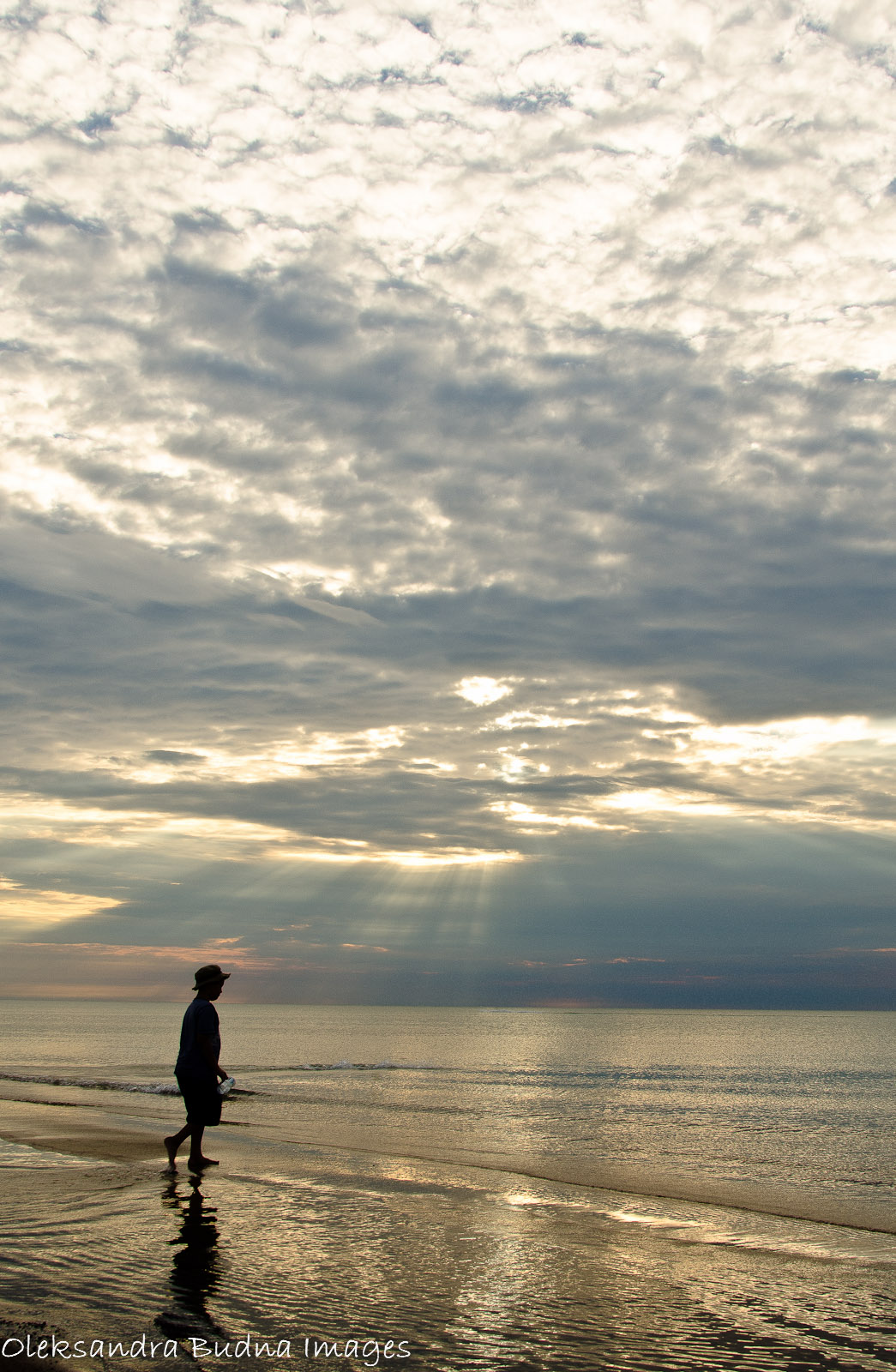
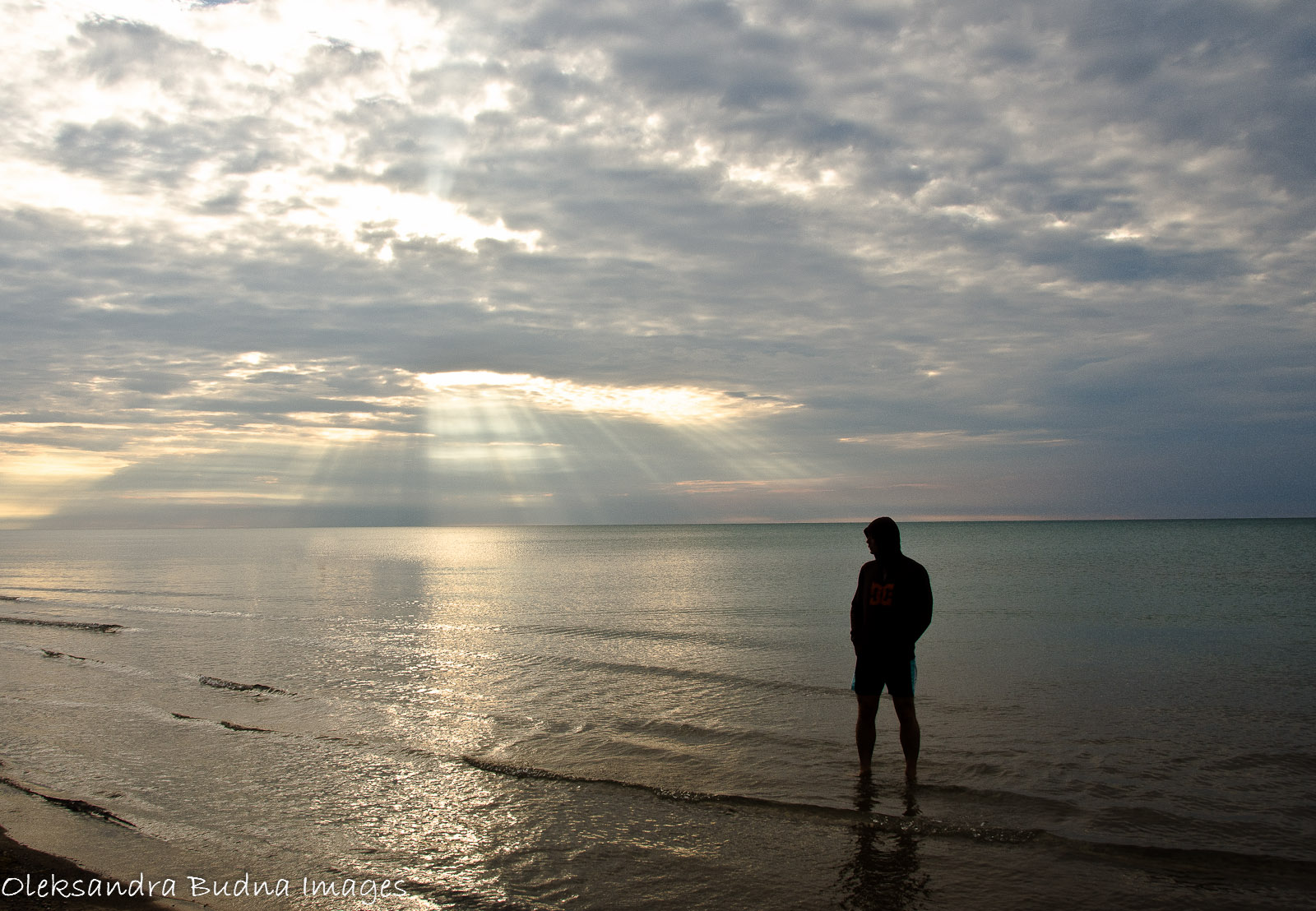
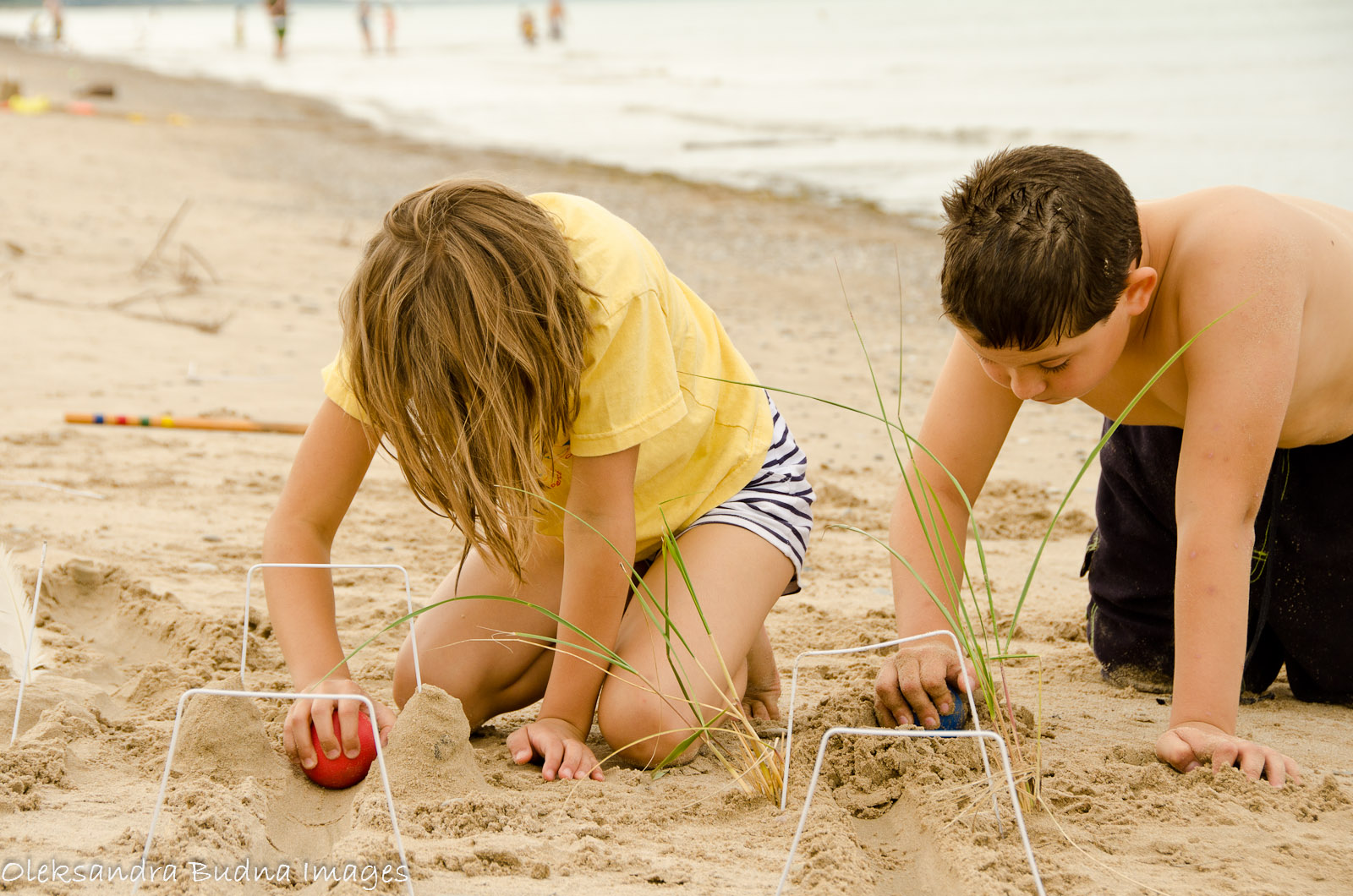
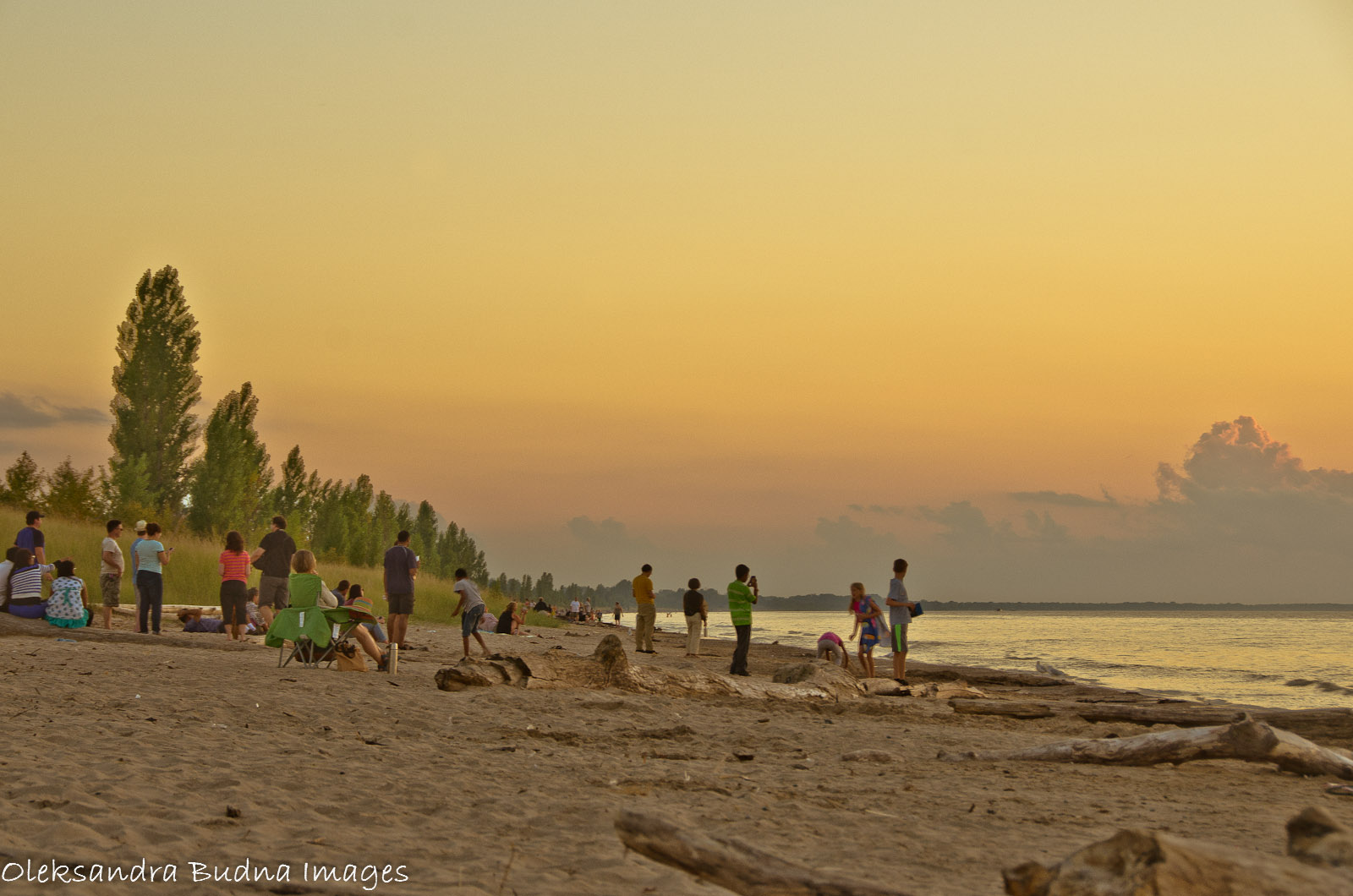
This year was no different. The slightly colder than usual waters of Lake Huron were still filled with excited splashes and delighted screams. The sandy beach (or, as our friends’ three-year-old son once called it, a huge sandbox) with its endless building possibilities was full of adults and kids alike working on their sandcastles and forts. In the evening, as the excitement of the day faded away, crowds of campers would return to the beach to watch the sun dip into the lake. It’s always inspiring to see people waiting for something other than a traffic light change or their double-double in the Tim Hortons drive-through.

PineryLabourDay2014-72   PineryLabourDay2014-71

PineryLabourDay2014-76

While the beach is one of the main park attractions, there are lots of other things to do at Pinery: hike trails, check out the Visitor Centre, watch wildlife, paddle along the Old Ausable Channel or go fishing. One of our favourite activities is biking along the 14-kilometre Savannah Trail followed by ice-cream. This year was no exception. The trail was fun, the ice-cream was delicious.

PineryLabourDay2014-102   PineryLabourDay2014-95

PineryLabourDay2014-80   PineryLabourDay2014-49

PineryLabourDay2014-83   PineryLabourDay2014-85

Unfortunately, as all things in life, the trip came to an end. Our son moved to Waterloo. We took our ritual end-of-summer dip in Lake Huron, stopped for fish’n’chips at Denny’s in Grand Bend and headed towards our back-to-school life. Until next year!

PineryLabourDay2014-70

The Nature of Freedom

Nature has always been a big part of my life. Even though I grew up in the city, I used to spend most of my summers at my grandparents’. They lived in a small village encircled by deep woods. Their house backed onto a large garden plot cut off by the narrow ribbon of a crystal-clear, ice-cold stream. On the other side of it was an orchard with apple and pear trees. I loved to spend my Sunday afternoons lying in the tall grass, munching on apples and pears I’d just found on the ground, weaving flower wreaths and watching the clouds floating above.

DSC_0477

The orchard gradually melted into the forest. That’s where we roamed with my friends (long before we turned ten), foraging for mushrooms, wild strawberries and hazel nuts. The forest was not scary and unknown. I was a magical place full of life, beauty and tasty surprises. I still remember the sound of twigs  crunching under our feet, the joy of finding mushrooms under last year’s leaves, the sweet taste of wild strawberries and raspberries melting in my mouth, the smell of spearmint that I liked to pick along the stream and rub between my palms.

Some days we would scale cherry trees that grew in a communal orchard, saddle one of the highest branches and spend hours eating cherries and spitting out pits. Or we would find a mulberry tree, pick it clean and come back home all stained and full of juicy goodness.

DSC_0466   DSC_0465

In the afternoon, most of the kids in the village would take cows to pasture. We would take turns watching each other’s cattle, start fire and roast apples and corn. We would stay in the meadow late into the evening, sometimes coming back as it was already getting dark, met by our grandparents and parents’ reproachful “Do you know what time it is? We still need to milk the cows.”

That was the thing, though. We never knew the time. Those summer days weren’t measured in minutes and hours. They were fluid, slow, and unhurried. When I think of those summers I spent at my grandparents’, the things that usually come to mind are the warm smell of the earth, the cooling breeze in the woods, not having to wear shoes for weeks in a row, and the feeling of freedom.

DSC_0476

Now as I watch my kids grow, I want them to experience the same connection to nature and feeling of freedom I was lucky to have when I was little. I want them to know that it’s not us versus nature and that we don’t need to protect ourselves from it. That nothing they will see on a screen comes close to the fascinating sights, smells and sounds of forests, lakes, mountains and oceans. That mosquito bites and getting soaked in the rain are a small price to pay for all the benefits we receive when we spend time outdoors (plus getting caught in the rain can be quite fun).

I can see it working when they don’t want to go home at the end of each camping trip. When my 17-year-old son keeps asking where we are going next. When our 10-year-old refuses to wear shoes. When they stop to study a flower or listen to a bird. When they pick up berries in the woods and say those taste like nothing we could ever get in a store. When my younger son wants to wake up early and go canoeing with me. When my older son brings pictures of a sunrise from his, now independent of us, travels.

I hope this feeling of fascination and freedom stays with them when they grow up.

P.S. I took the pictures during my trip back home a few years ago. Unfortunately, the beautiful forest of my childhood looked much thinner due to excessive logging. As in other parts of the world, economic development is taking priority over environmental protection.

DSC_0461   DSC_0468

Our Other Home is a Tent

I am writing this post from our tent. I can hear the rain pelting on the roof and the waves of Lake Ontario crashing outside. We’d just come back from our failed hike on the Marsh Trail at Presqu’ile Provincial Park, all soaked through. Since it doesn’t look like the rain is going to stop any time soon, my husband and a friend of ours are outside trying to pitch up a tarp so we could make a fire and cook something for dinner later. I feel sorry for them because it is so cold and wet out there. Sprained ankles have their benefits. I can stay in our warm, cozy tent and cuddle with our kids without feeling too guilty.

Of all the gear we schlep around on our camping trips, a tent is probably the most important one. It’s not only a place to sleep. It’s where we play card games on rainy days, read books by the flashlight at night, share our impressions of the day and just cuddle. It’s our second home, sometimes for a few weeks in a row. The importance of a good tent cannot be overstated. We’ve gone through our share of tents so I know what I am talking about.

tent-1

Our first tent was huge, I mean really big. It could easily fit ten or even 12 people and my 6 foot 4 husband could stand up straight in it without having to even tilt his head. Some people probably have apartments not much bigger than that. Why did we need a tent that big? I don’t know. There were only four of us. All I remember is that it was two days before our first camping trip, our friends dropped us off at Costco, this tent was on sale, the size sounded impressive so we just bought it. Later we discovered that it was pretty cold on spring and fall nights. Plus setting it up required three to four people with some serious upper body strength.

We retired it after a few camping trips and bought a smaller, more manageable one. It was easier to set up, took up less space, had a vestibule where we could leave our shoes and stuff and it seemed to be working. That is until our first rain when we were woken up by water dripping onto our heads. We still kept it for some time afterwards, covering it with tarp on those wet days. And then a raccoon tore a hole in it so we had no choice but to buy a new one.

(True story about the raccoon. We woke up in the middle of the night to find a raccoon halfway inside the tent going through a backpack with our son’s books and other stuff that keeps him entertained when he wakes at 6 a.m. giving us some extra time to snooze. As it turned out, there were also some snacks at the bottom of the backpack that we’d completely forgotten about. Our little friend was fishing them out and throwing outside through a hole he’d just made. Since then, everything that goes into a tent must pass a rigid inspection to make sure some forgotten morsel of food isn’t smuggled in inside someone’s pocket).

BonEcho hiking-15   tent-2

But going back to our tent. Once we decided that it was time for a new one, we made our must-have list. It had to be light and small or as light and small as it was possible for a four-person tent. It had to be waterproof (no more tarps). It had to be easy to set up. We were about to go on our first three-week road trip. During that time, we would have to set up and pack up a tent every three-four days so some complicated scheme of ropes and poles that you can’t figure out without a Master’s in engineering wasn’t going to work. It had to have a vestibule or even two to store things during our back-country trips. It had to be breathable and warm. Well, and not cost a fortune.

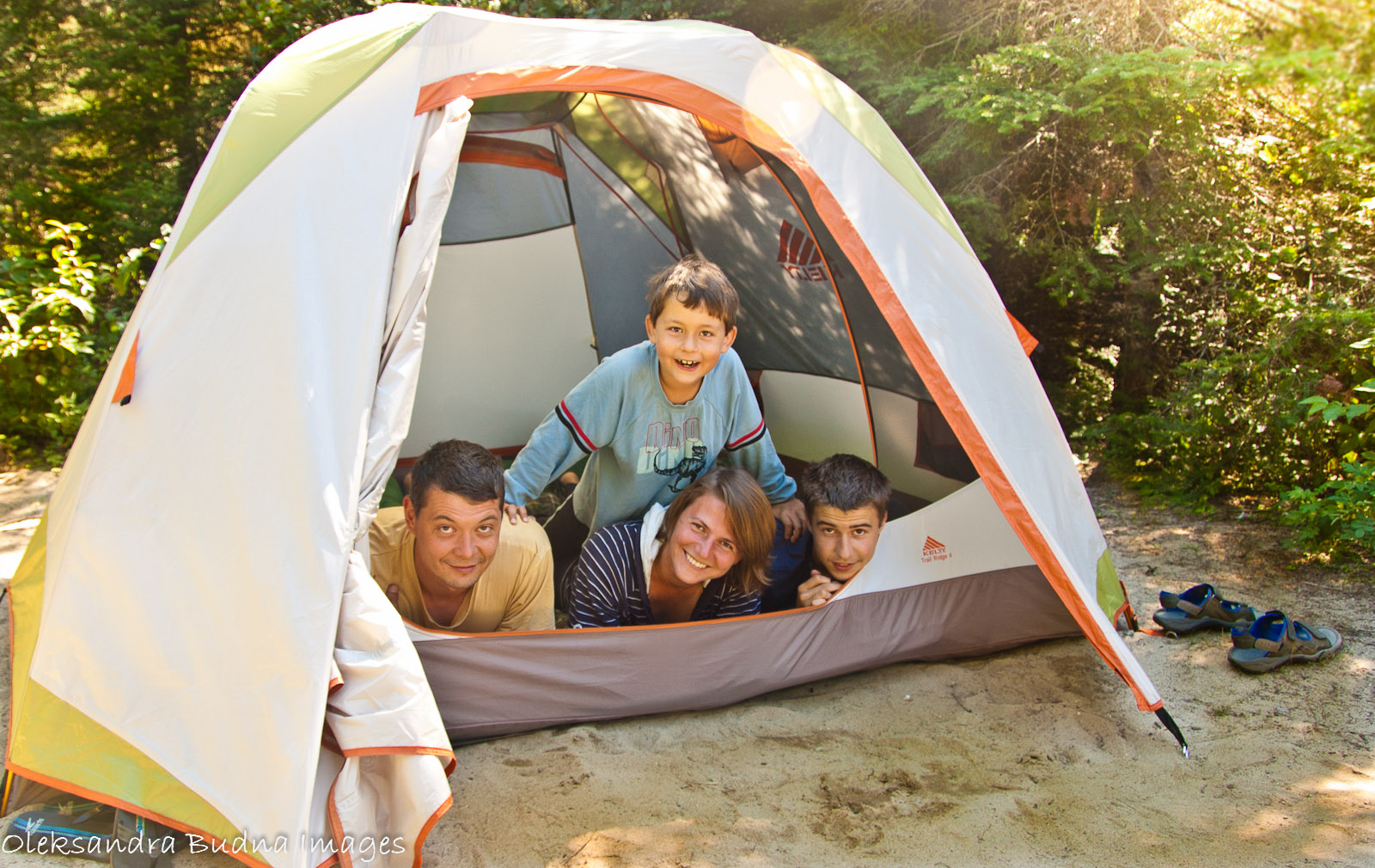
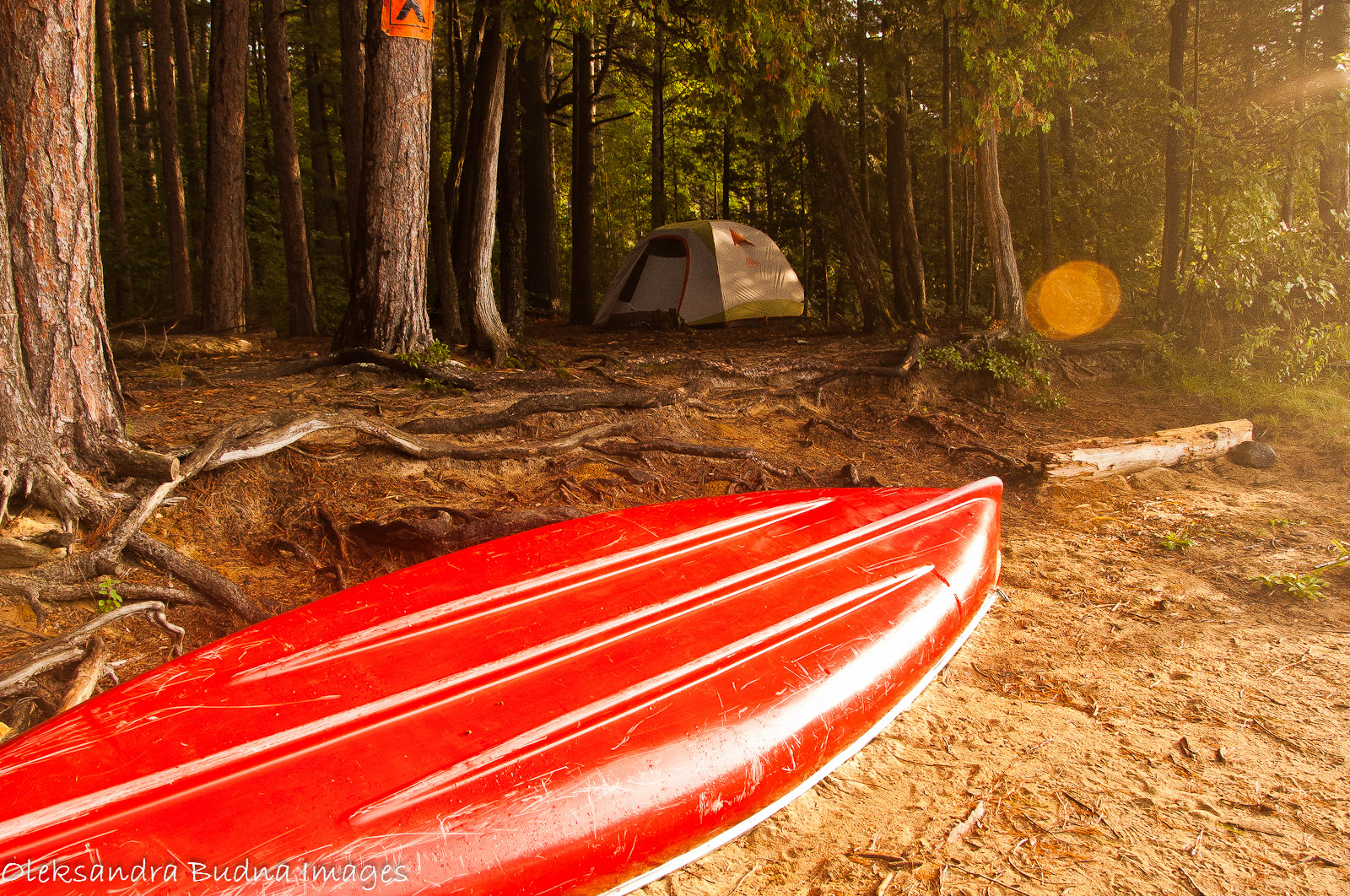
We did find it. It is Kelty Trail Ridge 4. It is a Goldilocks of tents for us: not too big, not too small, just the right size. The four of us can sleep there comfortably and it also feels extra roomy because of its special configuration and light colour (never thought about the colour before but it does make a difference). One person can set it up in about ten minutes. It has two vestibules so plenty of room for shoes and backpacks. With a full-length fly, it is warm and dry. We’ve had it for four years now and so far not a single drop of rain has grazed our foreheads. And we’ve been through some serious rain. Last year, while camping at Custer State Park in South Dakota’s Black Hills, we woke up in the middle of the night to the lightening so bright and frequent you could read and the rain was coming onto our tent with the strength of Niagara Falls or so it felt. And yet not a single drop made it inside.

It is also fairly light for a four-person tent. There are lighter tents out there and we may consider investing in a back-country tent once we start doing more multi-day hiking trips, but for now this one works. As it turned out, its aluminum poles are pretty flexible too. On our trip to Badlands, we returned to the campsite one day to find our tent lying flat on the ground. It was day four of our four-week trip and the prospect of looking for a new tent wasn’t particularly exciting. Upon inspection though, we discovered that nothing was broken or ripped and after some unbending and untwisting it was standing back up good as new.

tent-4   tent-3

So to sum it up, we love our tent. It keeps us warm and safe and happy. Truly our second home with ever-changing breathtaking views. Does it have any drawbacks? Well, I wish it had more windows. And a skylight to watch stars at night. A skylight would make it perfect!

Things to consider when buying a tent:
1. Size: Bigger isn’t always better, certainly not for a tent. It has to be big enough for the number of people you plan to fit inside. It is always easier to find a good level spot for smaller tents, especially on back-country trips.
2. Weight: it may not be important if you only do front-country camping. If you are planning to take it backpacking or canoeing, every pound or should I say ounce matters.
3. Waterproof: no one wants to get wet in the middle of the night so it’s better to invest in a good waterproof tent.
4. Warm: Full-length fly means there are fewer drafts on cold fall nights.
5. Set-up: the less time you spend setting up your tent, the more time you have to enjoy camping.
6. Vestibules: space to keep you shoes when it rains and store backpacks on your back-country trips.
7. Colour: You may think that darker colour tents are better because of dirt but they allow less light in, feel smaller and heat up faster in the sun.
8. Ventilation: Mesh walls make the tent breathable. Windows and doors that you can open on hot summer nights are important too.

A Different Side of Bon Echo: Hiking the Abes and Essens Trail

Every year, we like to try a new outdoor activity. Last year, we went white-water rafting at Glacier National Park in Montana. The year before, we tried sea kayaking at Hopewell Rocks in New Brunswick. And before that, it was our first multi-day canoe trip through Algonquin’s Barron Canyon. This year, we decided to go on an overnight backpacking trip. We’ve done a fair share of hiking but all of the trails were short and could be finished in one day.
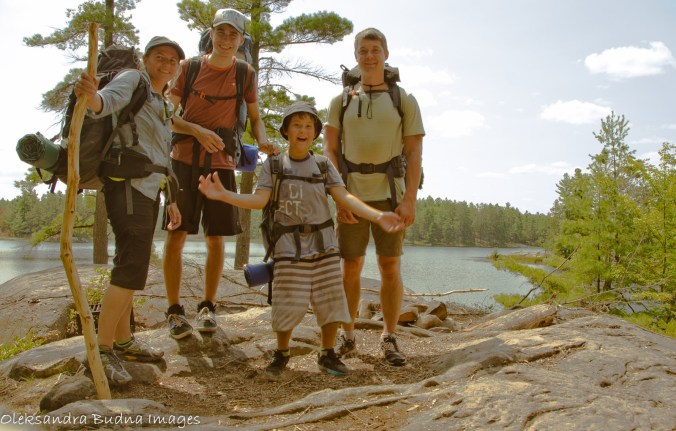
BonEcho hiking-1

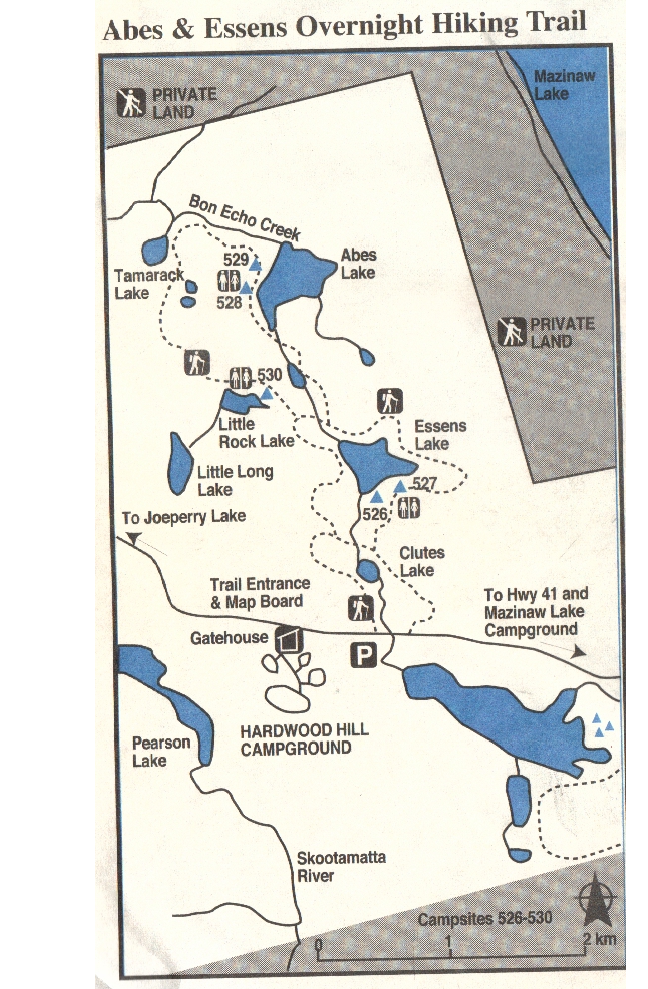
Abes EssensFor our overnight adventure, we picked the Abes and Essens Lake Trail in Bon Echo Provincial Park. It seemed like a good opportunity to experience a different side of Bon Echo. We camped at this park before but stayed at one of the campgrounds close to Mazinaw Lake and those tend to get overcrowded, especially on weekends.

The trail is only 17 km long and can certainly be covered in a day but also has five campsites along the way for those who’d like to camp overnight. We booked site #530 on Little Rock Lake. Our plan was to cover most of the trail on the first day. That way we wouldn’t have to rush packing the next morning and still have plenty of time to finish the trail and drive back to Toronto.

BonEcho hiking-30

We arrived in Bon Echo late on Friday and stayed the first night on one of the sites at the Hardwood Hills campground. In all our years of front-country camping, we have never been anywhere this quiet. That was probably why we slept in. Even our younger son, who usually wakes sometime between six and seven, slept until 11. So if you are looking for peace and quiet but without all the work of back-country camping you should check it out. Plus the campsites are pretty big and private, especially further away from the comfort station.

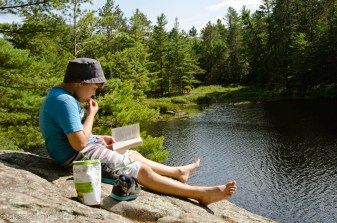
BonEcho hiking-3   BonEcho hiking-5

BonEcho hiking-29   BonEcho hiking-4
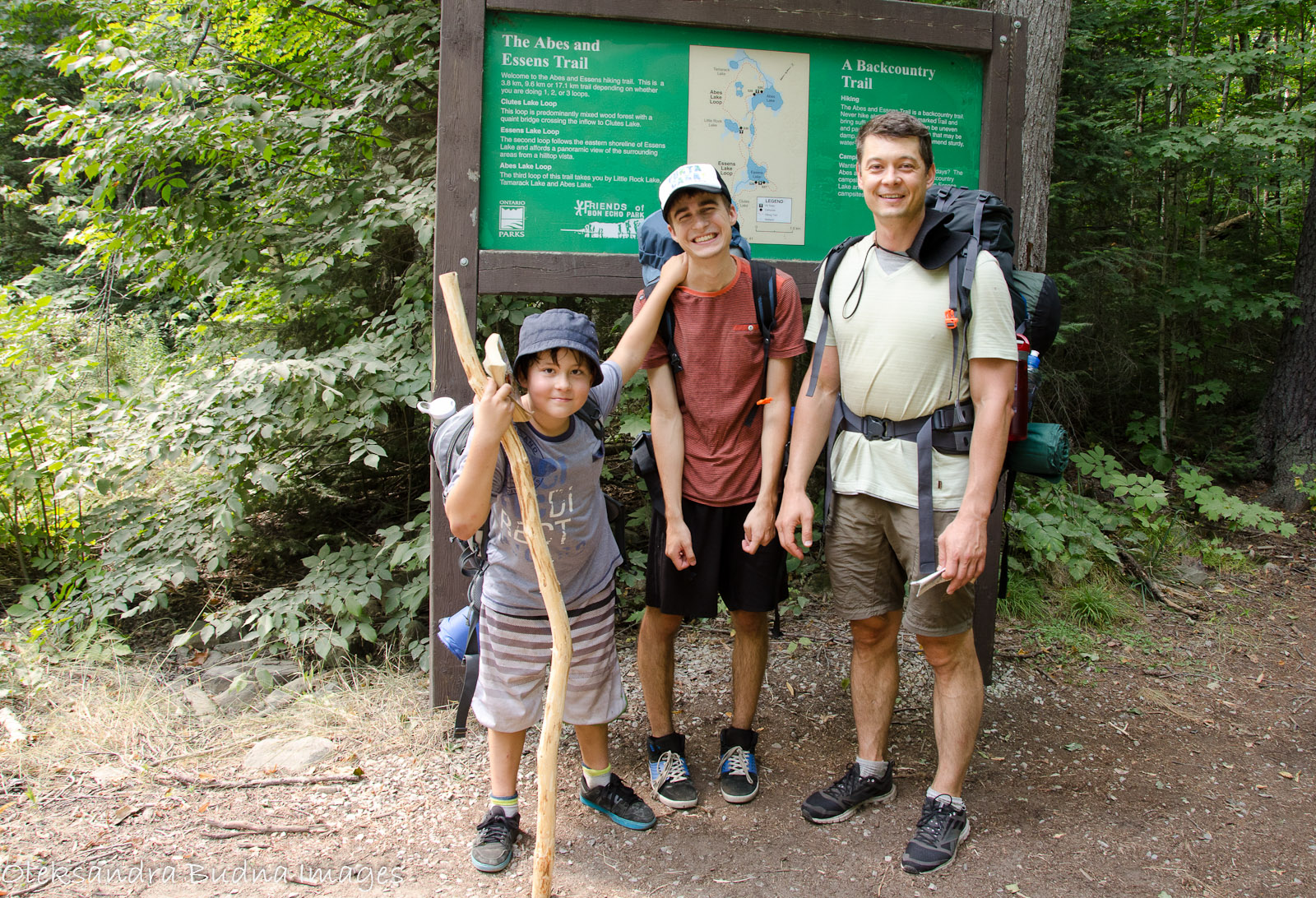
The next morning, we packed up our tent, made our favourite Power Breakfast to keep us going, picked up our permit from the office and set out on a trail around 1:30. We started at the trail end, which is a bit down the road from the trail parking lot. The Abes and Essens Lake Trail has three loops: 4, 9 and 17 km. At the beginning we met quite a few people finishing the first loop. As we passed the first fork, the number of people dropped significantly. We met lovely campers at site 526 and there were a bunch of tents set up on site 527. Once we got to loop three, we stopped for lunch and some rest.

BonEcho hiking-9  BonEcho hiking-12

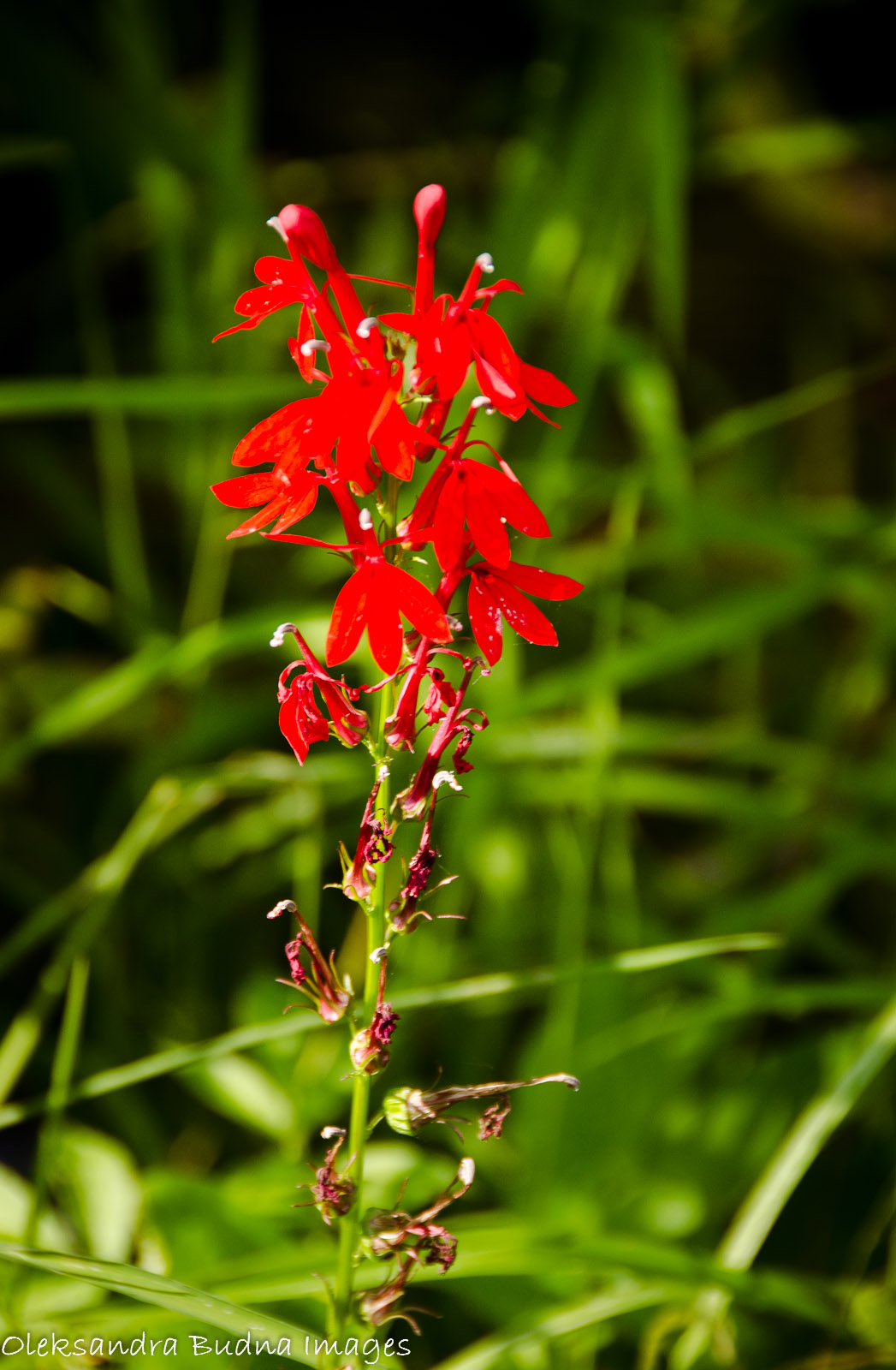
The scenery wasn’t breathtaking but it was pretty with small lakes, rocky shores and beautiful flowers. As for the terrain, there were some ups and downs but overall the trail was not difficult. We had to take off our shoes to cross the stream leading into Abes. There were a few rocks you could use to skip across but we didn’t want to risk getting all our stuff wet.

BonEcho hiking-6   BonEcho hiking-7

There were two more sites on Abes Lake, both occupied and looking pretty big. Once we got past Abes, the trail became really overgrown and that’s where I tumbled over and hurt my ankle. Even as I was falling down, two thoughts shot through my mind: What if I broke something? How are we getting out of here? Once the pain became less intense, we figured it wasn’t a fracture after all and since the only way to get out of there was to keep walking we had to move on. My husband piled up my backpack on top of his own, my kids found me a nice stick and I just hopped along.

The chunk of the trail between Abes and Little Rock Lake was probably the worst part of our trip. And not only because I was hurting and slow. It was really overgrown and at times hard to see the trail. Mosquitoes were ruthless and after a while our younger son, who is a human mosquito magnet, got really cranky. So after two hours of mosquitoes buzzing, my ankle throbbing and my son complaining, an orange campsite sign was a welcome sight. Since it was already almost seven and my foot didn’t look too bad, we decided to stick to our original plan and camp there.
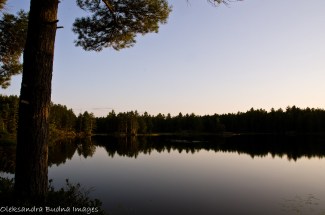
BonEcho hiking-14   BonEcho hiking-13

BonEcho hiking-23   BonEcho hiking-21

Site 530 is the only one on the lake and since no one seems to be hiking along loop three, not a single person passed our site during our stay there. As I was lying on the rocky shore with my foot stuck into the lake, breathing in the solitude and tranquility, I realized that’s what happiness felt like. There were clouds of dragon flies and damselflies swooshing above and it made our son very happy since they eat mosquitoes. The way he put it: this is a blessing and it’s beautiful too.

BonEcho hiking-15    BonEcho hiking-17

Just to recap the rest of our stay. The site had a beautiful view of the lake but hardly any space for a tent. After some turning this way and that, we managed to squeeze it onto a tiny piece of soil between the rocks. On our way out, further down the trail, we did find more space that could be used for a tent and someone had obvious done that before. After the tent was up, we made a minestrone soup but added too much lentils and dried vegetables so it turned into a minestrone stew. Our kids proclaimed it the best meal ever. The next day, while my husband and kids were packing, I was soaking up vitamin D, cooling my ankle in the lake and making friends with minnows and tadpoles.

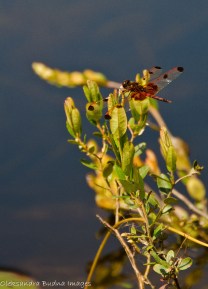
BonEcho hiking-27   BonEcho hiking-26

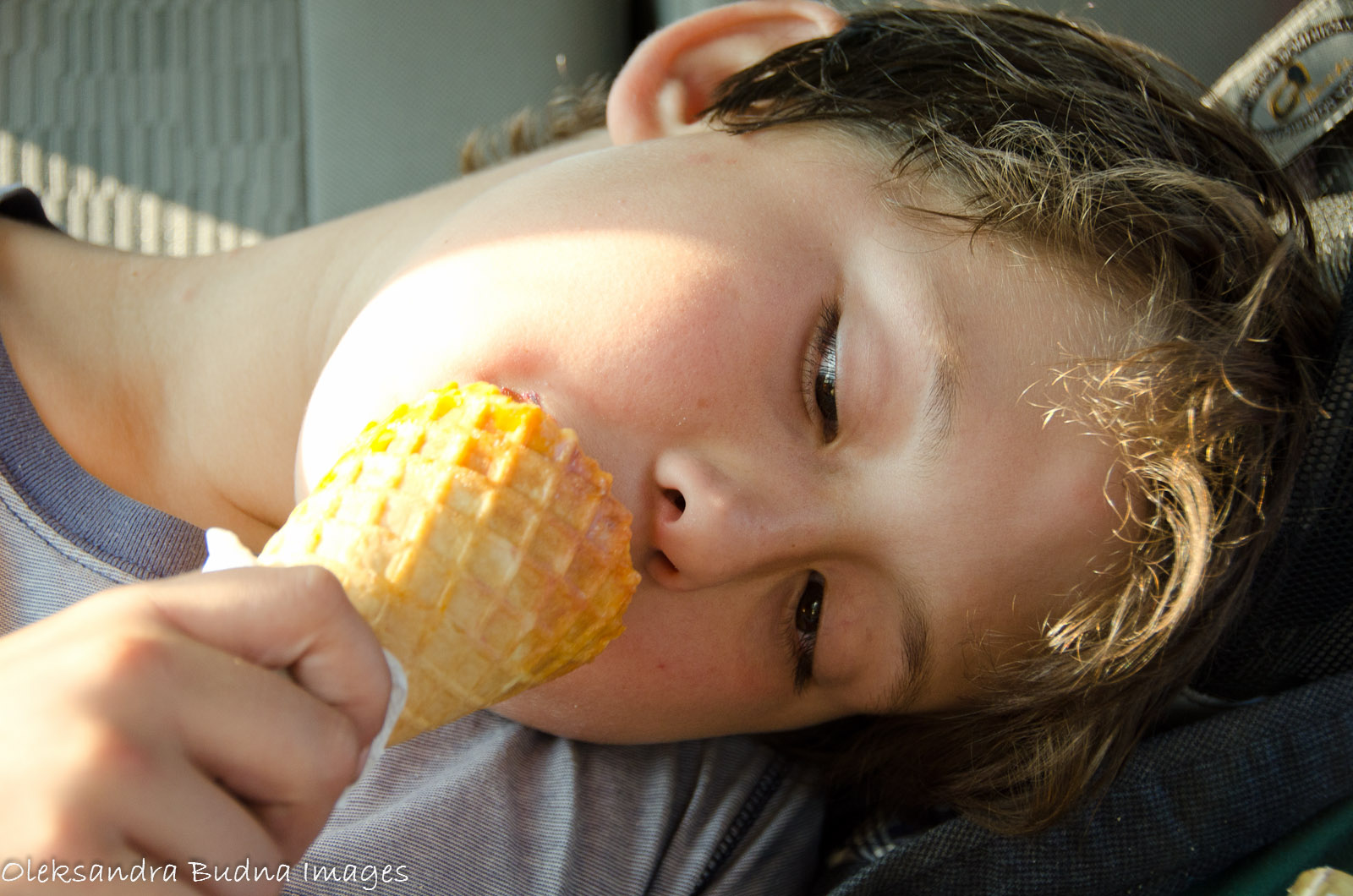
It took us two hours to finish the trail. We stopped at Mazinaw Lake for a swim to wash off dirt and sweat, grabbed some ice-cream in Cloyne, dropped off kids at home and headed to an emergency room.
BonEcho hiking-34   BonEcho hiking-33

Ah, memories…

Power Breakfast

This is our favourite breakfast recipe but can certainly be eaten any other time of the day.

Ingredients:

  • 500 g any beans you like (we usually soak and cook them at home and then just bring them in a container, but canned beans can be used too, just make sure to drain and rinse them)
  • 2 cups of any vegetables you have on hand (we like mushrooms, sweet peppers and zucchini)
  • 500 g of tomato sauce (we usually use tomato basil or vegetable marinara)
  • Salt and pepper plus whatever spices you like
  • 4 eggs
  • Oil

Instructions:

  • Heat oil in a pan.
  • Add vegetables and stir fry them for 8-10 minutes.
  • Add beans, tomato sauce and spices, stir well, and let it simmer for about 3 minutes.
  • Make four nests and break eggs into them, cover the pan and let the egg whites set. Make sure not to overlook the eggs. The dish tastes best when the yolks are still runny. Add salt and pepper.

Enjoy! Guaranteed to give you energy for whatever activity you have planned.

Happy camping!

BonEcho hiking-36

Canoeing in Kawartha Highlands

Kawartha Highlands Provincial Park, one of the largest in Ontario, offers almost 400 square kilometers of wilderness and majestic beauty of Canadian Shield. Located in south-central Ontario, it is only 200 km away from Toronto, a perfect destination for a weekend canoe trip. In 2011, it became an operational park with over 100 backcountry campsites that can mainly be reached by a canoe (there is no car camping available in the park). Each site has a picnic table, a fire ring with a grate, and a privy toilet, a.k.a. thunder box.

Kawartha-50

Beautiful Kawartha Highlands sunset

Continue reading