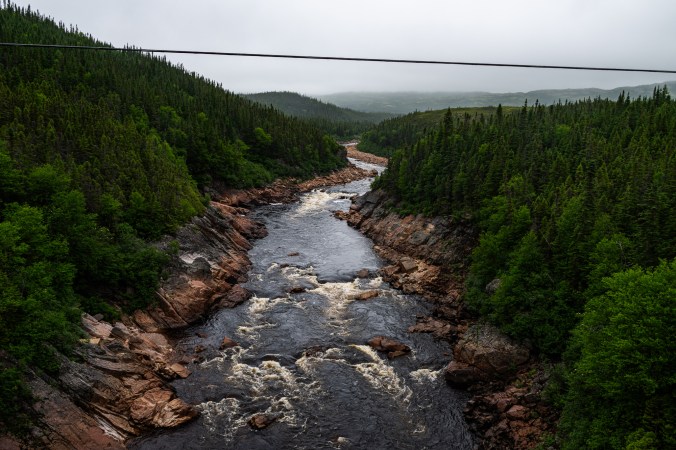
Our Newfoundland and Labrador Adventures: Part II

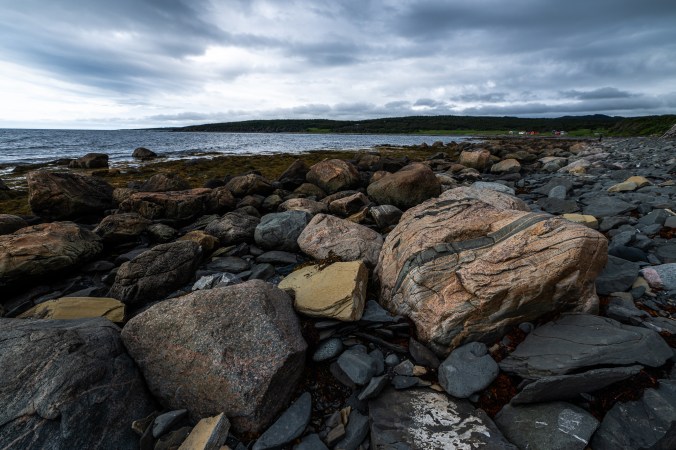
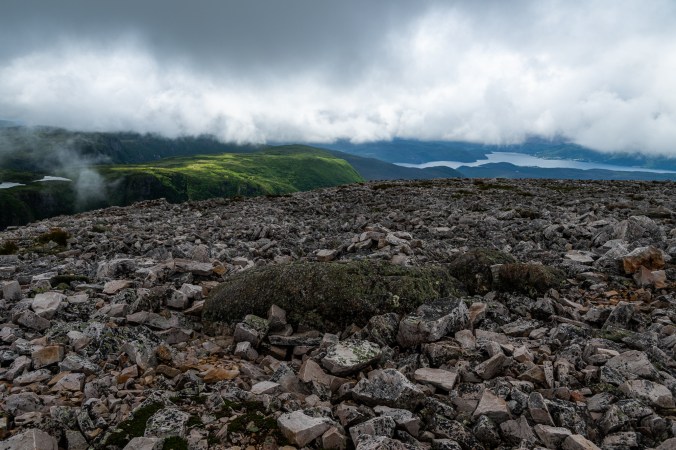
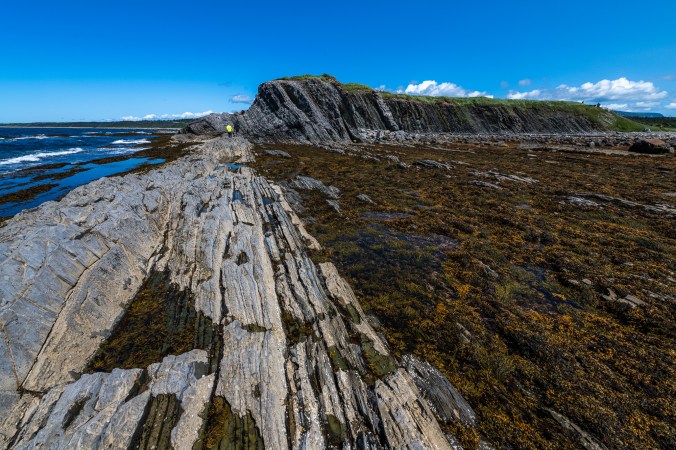
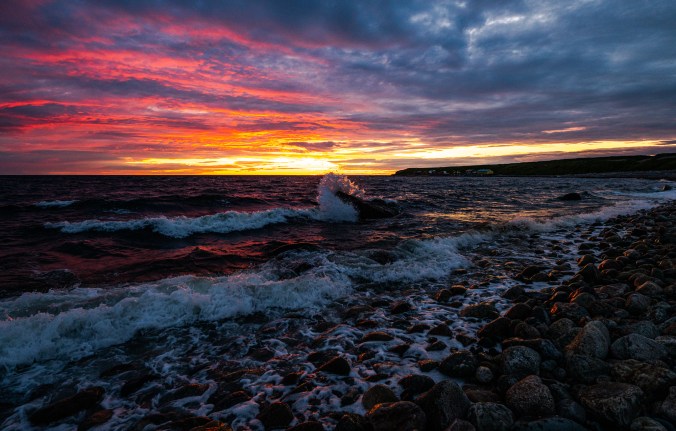
The hardest part of writing about a long road trip is distilling several weeks of travels into a post of manageable length. I know I am way past manageable. But once I started the story of our Newfoundland and Labrador adventures, it quickly acquired a life of its own. It became less of a list of best places to visit and things to do, and more of a collage, a collection of tales, a quilt of memories and emotions inspired by the land, the sea and the people who call it home.

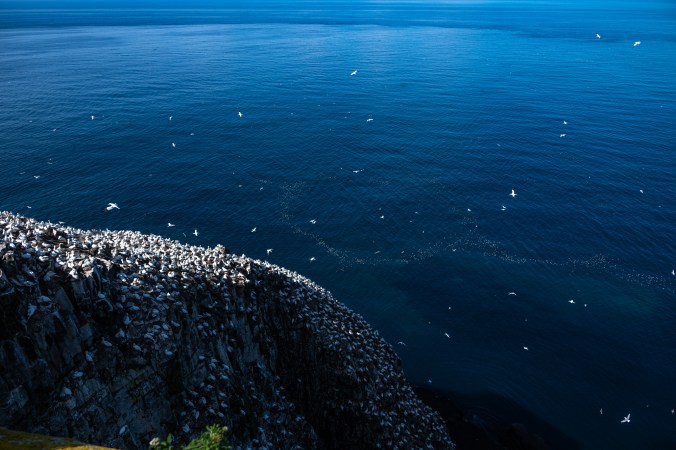
Part I ended with our stay in Gros Morne, the last stop on Newfoundland’s west coast. It felt like a good place to pause and leave our more easterly explorations for Part II. So here we are driving to Dildo Run Provincial Park (yes, that’s what it’s called, although I should probably mention that “dildo” refers to an oar peg in a dory). The park is fairly small but we get a cozy campsite near the water, which we mostly use as a base to visit Twillingate and Fogo Island.
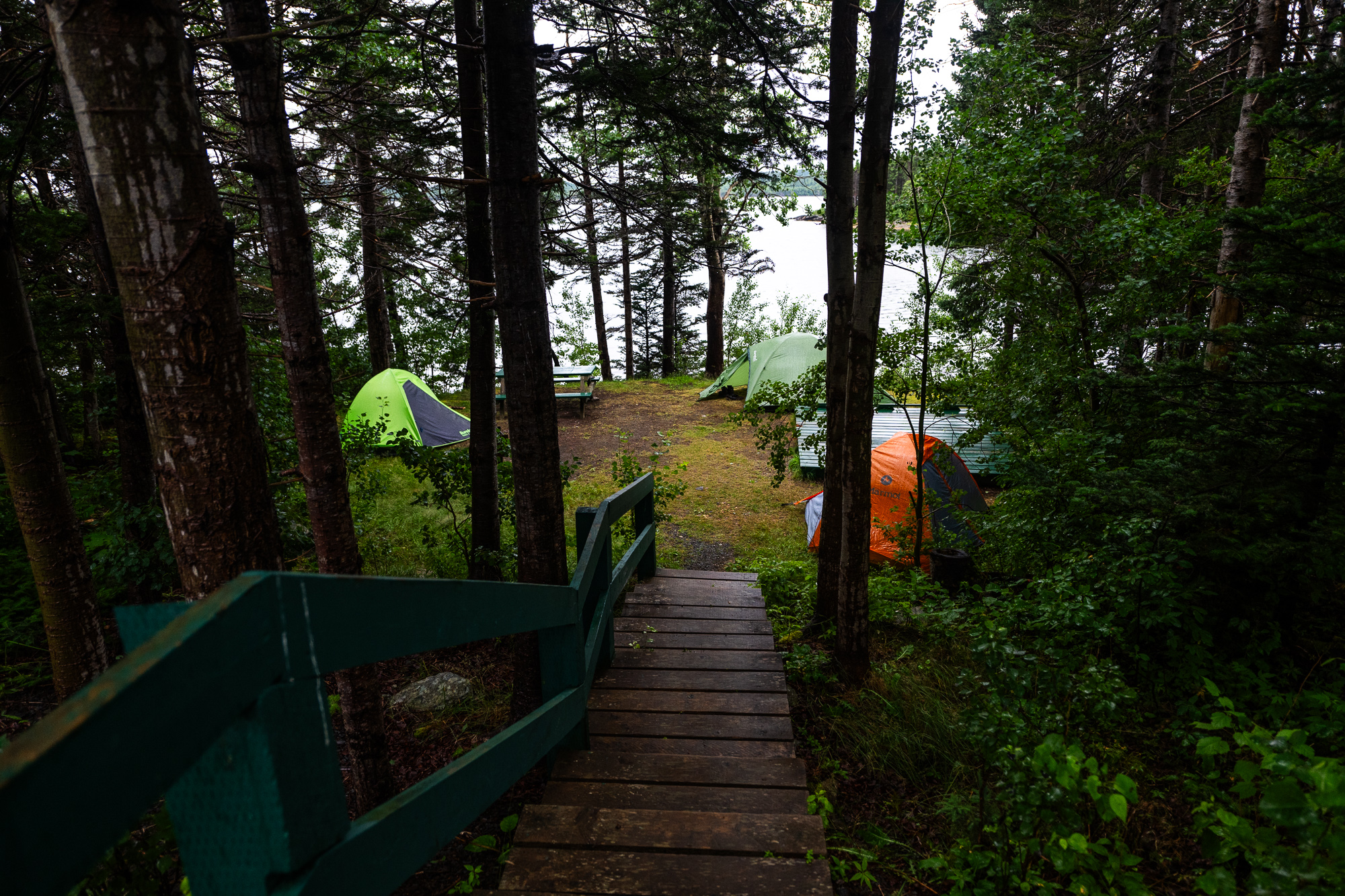
Dildo Run Provincial Park comes with an interesting name and beautiful campsites.

Continue reading
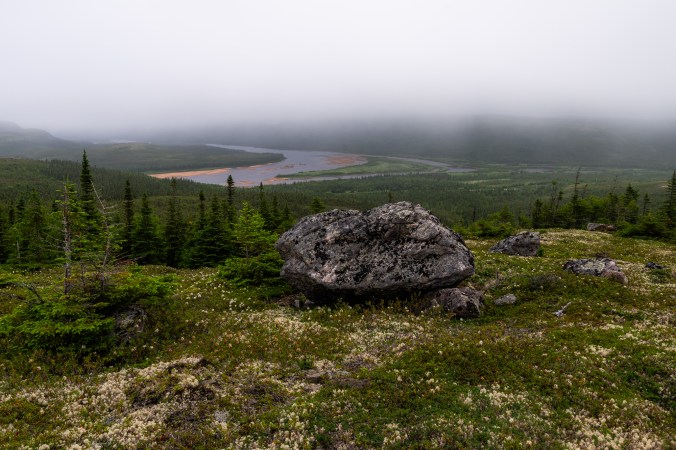
Our Newfoundland and Labrador Adventures: Part I

Newfoundland and Labrador is the kind of place that stays with you long after you leave its jagged shores behind. It is a place where the expansive and intimate intertwine, where formidable landscapes are sprinkled with small, colourful communities nestled in coves and tucked away in sheltered harbours. It is a place where wind is made visible and fog is as much part of the landscape as the land and sea. It is a place that braids together stories of the Earth’s billion-year-old history and those of people who have called this part of the world home into a unique and distinct identity.

It is known by different names. Mi’kmaq, who have lived across Atlantic Canada long before Europeans “found” this land, call Newfoundland Ktaqmkuk, which could mean either “the larger shore” or “the other shore.” Newfoundland’s Inuktitut name is Ikkarumikluak (ᐃᒃᑲᕈᒥᒃᓗᐊᒃ), “place of many shoals,” while Labrador is called Nunatsuak (ᓄᓇᑦᓱᐊᒃ), meaning “the big land.” With many of its early settlers coming from Ireland, the island also has an Irish Gaelic name – Talamh an Éisc, “the Fishing Grounds” or “the Land of Fish.” The Norse, the first Europeans to reach the shores of North America, referred to it as Vinland, the name that covered Newfoundland as well as Nova Scotia and coastal New Brunswick, while calling Labrador Markland.

People continue to flock to Newfoundland and Labrador’s shores: some in hopes of making a home here, others, like us, just visiting, at least for now. This was our second trip to Canada’s easternmost province. (Read about our first visit here and here). We returned to some familiar places and visited new spots. Three weeks, six ferry crossings, many vibrant communities, numerous challenging trails, and never-ending breathtaking vistas later, we’ve fallen deeper in love with this incredible place.

Continue reading