Nature Literacy: Why Children Need to Spend More Time in Nature

Last week was a Family Literacy Week in Canada. Lots of resources and tips were shared about reading and language development. Both are essential skills for every kid, without a doubt, but all those posts made me think about the kind of literacy that doesn’t often get much air – nature literacy.

Recently, I read about Oxford Junior Dictionary taking out 50 nature-related words and replacing them with tech vocabulary. Someone decided that words like acorn and cauliflower weren’t as important for seven-year-olds as say broadband and cut-and-paste. Considering that kids already spend too much time in front of the screen (over 7.5 hours a day for children in Canada according to Participaction), it seems like a dangerous trend. Children nowadays can probably name more computer game characters and social media platforms than types of trees or flowers, let alone identify those trees and flowers when they see them. Apparently, 80% of kids in America will never see the Milky Way in their lifetime (I couldn’t find the figure for Canada but I can’t imagine it would be much different) but I am sure they will have no shortage of space movies and video games. A lot of kids have no idea where their food comes from and consume nature in prepackaged bits at a zoo or aquarium. There is even a term for it now ‘nature deficit disorder,’ coined by Richard Louv, author of The Last Child in the Woods.

We could argue that our technology oriented world demands that kids become tech-savvy at an increasingly earlier age and that being able to identify a tree or a bird isn’t an essential skill unless you are, say, a biologist. Plus, you can always look it up online, right? Well, we often forget that spending time in nature offers a wide range of benefits, including extensive opportunities for learning and creativity, increased physical fitness levels and improved mental health. And it is proven that children that get early exposure to nature grow up to be better stewards of our planet, something we definitely need these days of climate change and resource shortage.

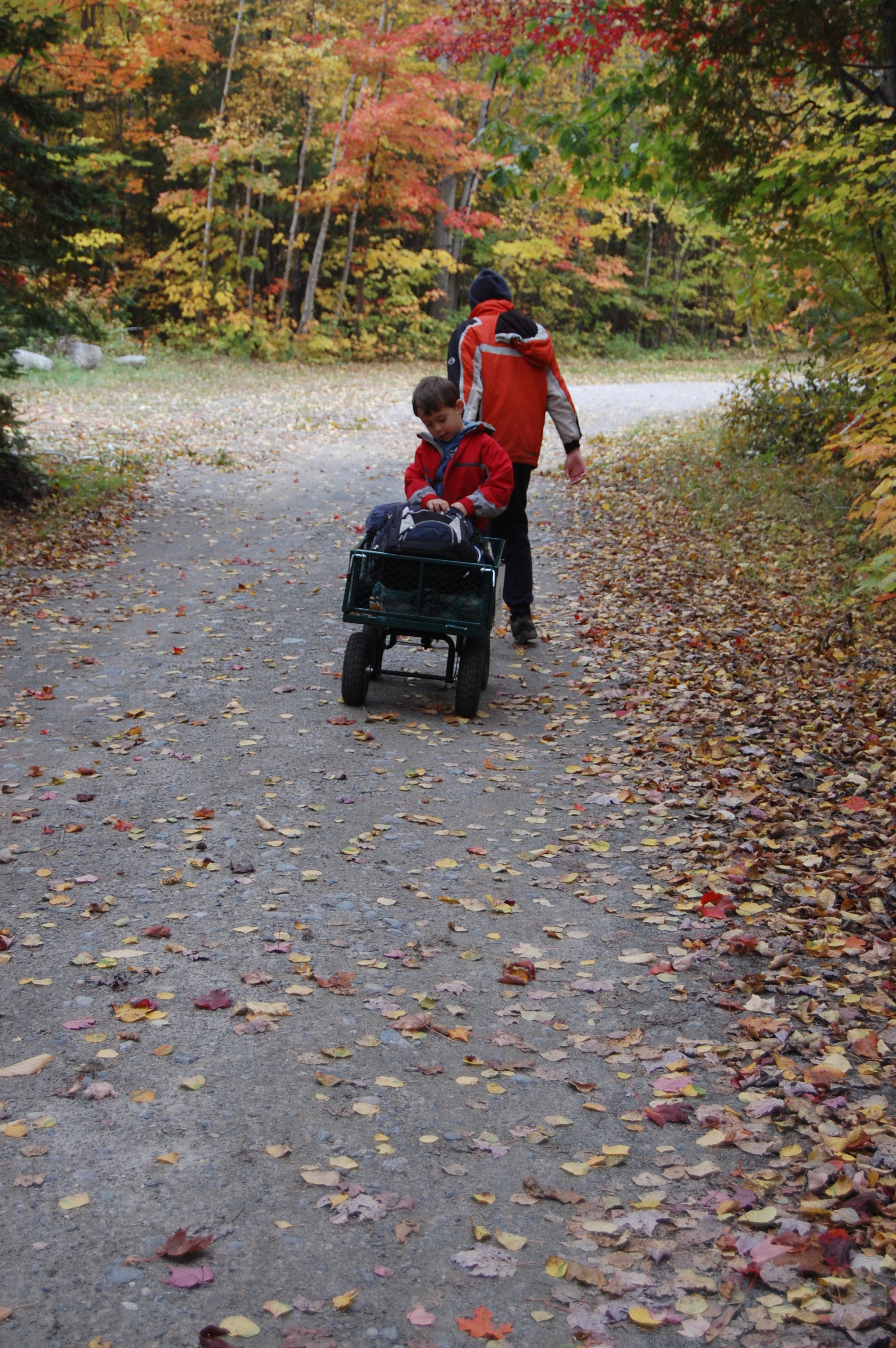
We as a family love all nature-related activities. Our kids have been going camping, canoeing, hiking, biking, skiing and snowshoeing with us since a very early age. We grow herbs and vegetables in our tiny balcony garden and love visiting pick-your-own farms in the summer. So we know firsthand how beneficial nature can be for both children and adults. Here are a few reasons to get outside with your family.
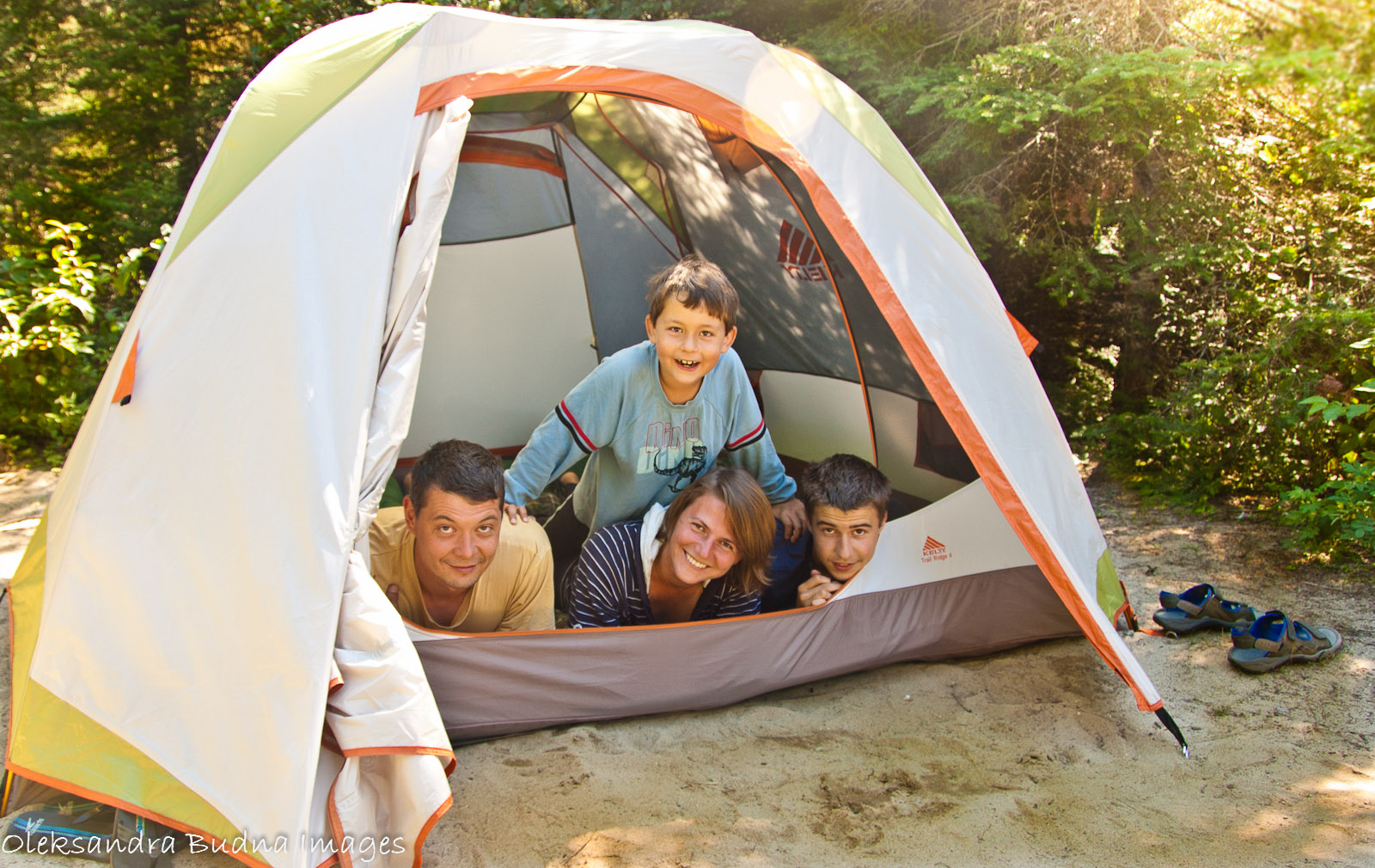
family in a tent

Camping at Pukaskwa National Park

biking at Prince Edward Isalnd

Biking at Prince Edward Island

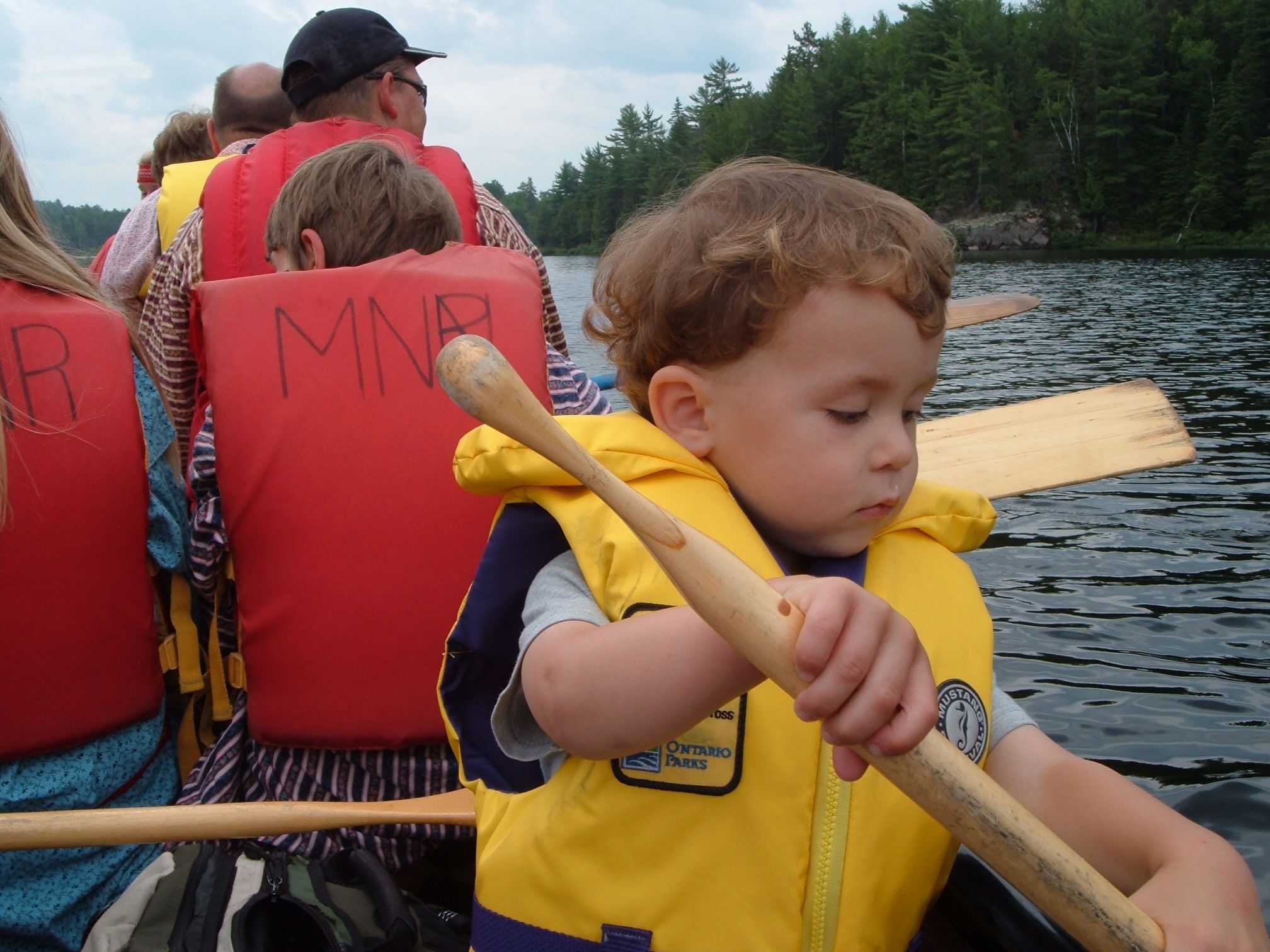
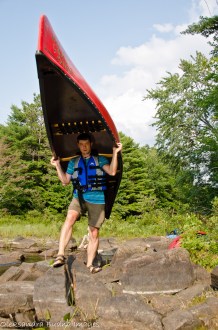
child paddling

First paddle at Samuel de Champlain Provincial Park
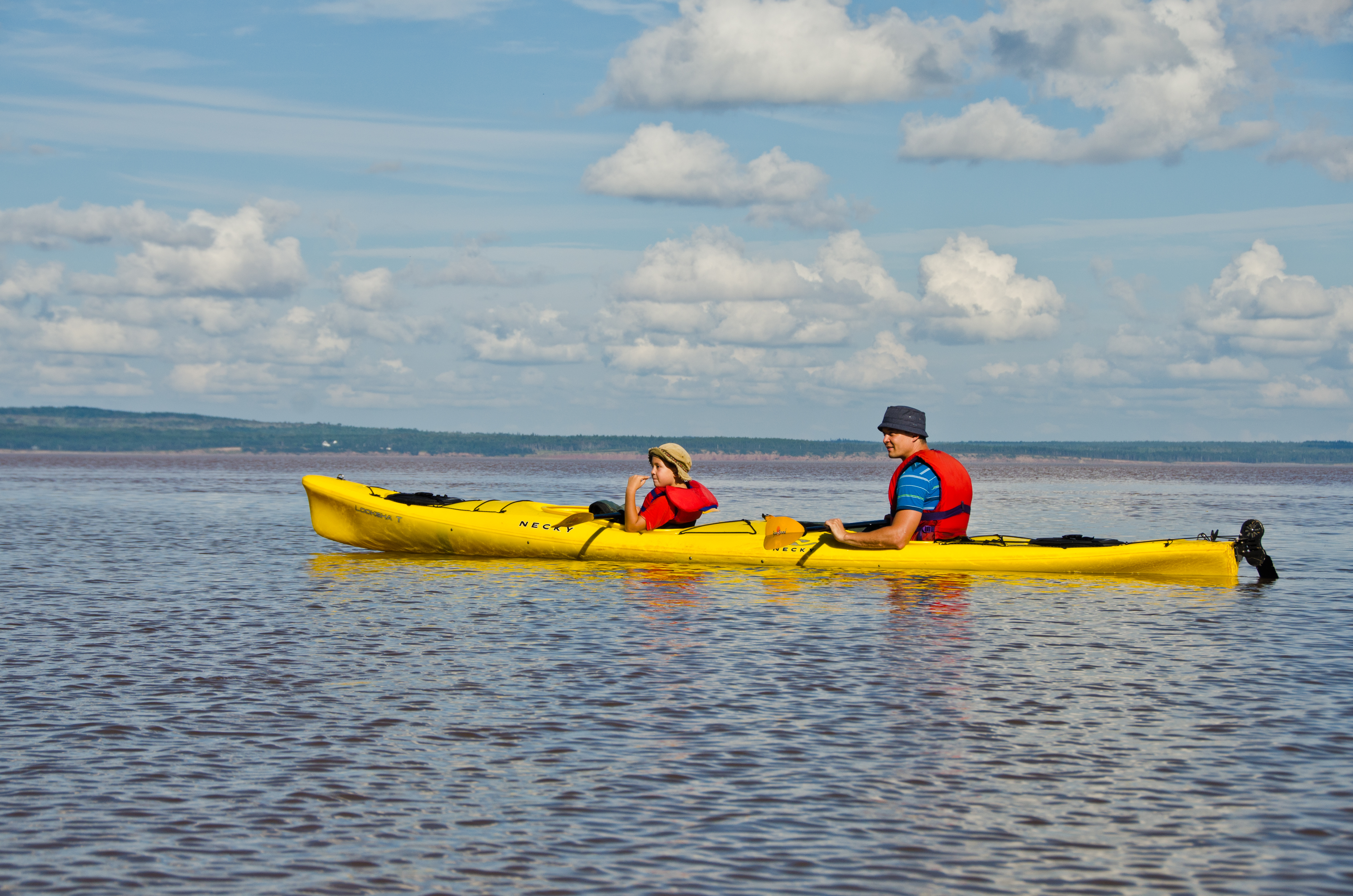
Kayaking

Kayaking at Bay of Fundy

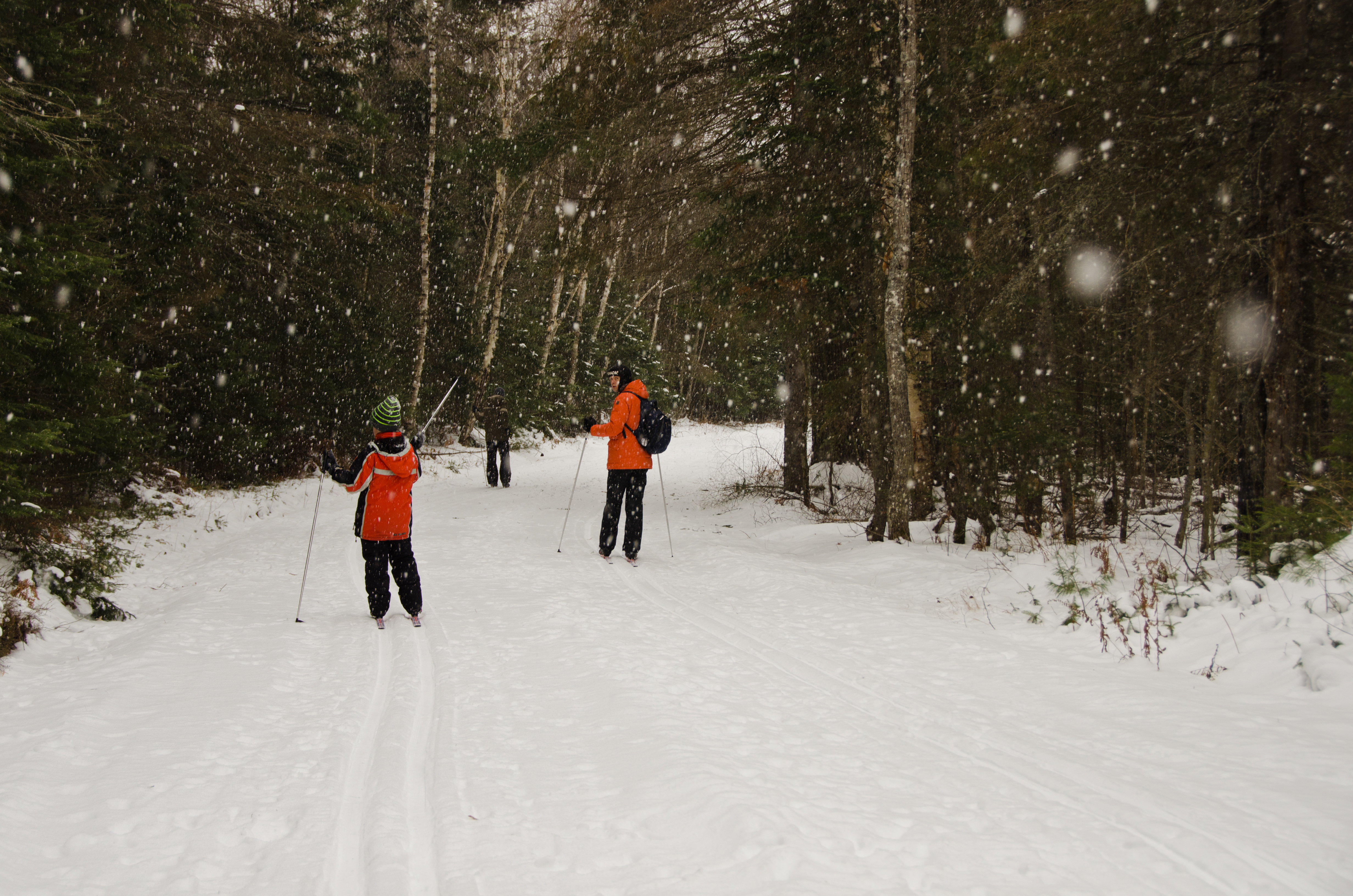
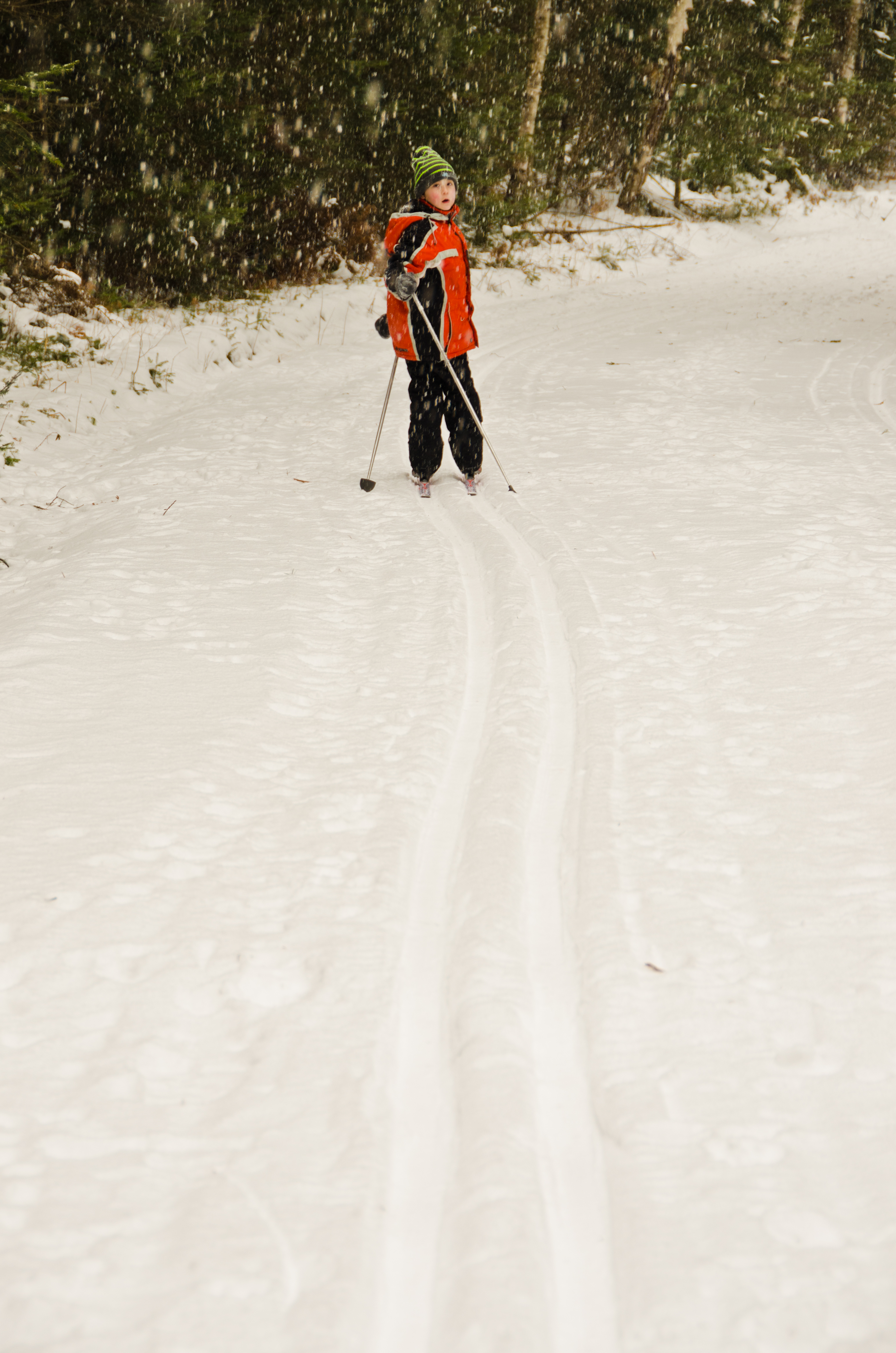
skiing

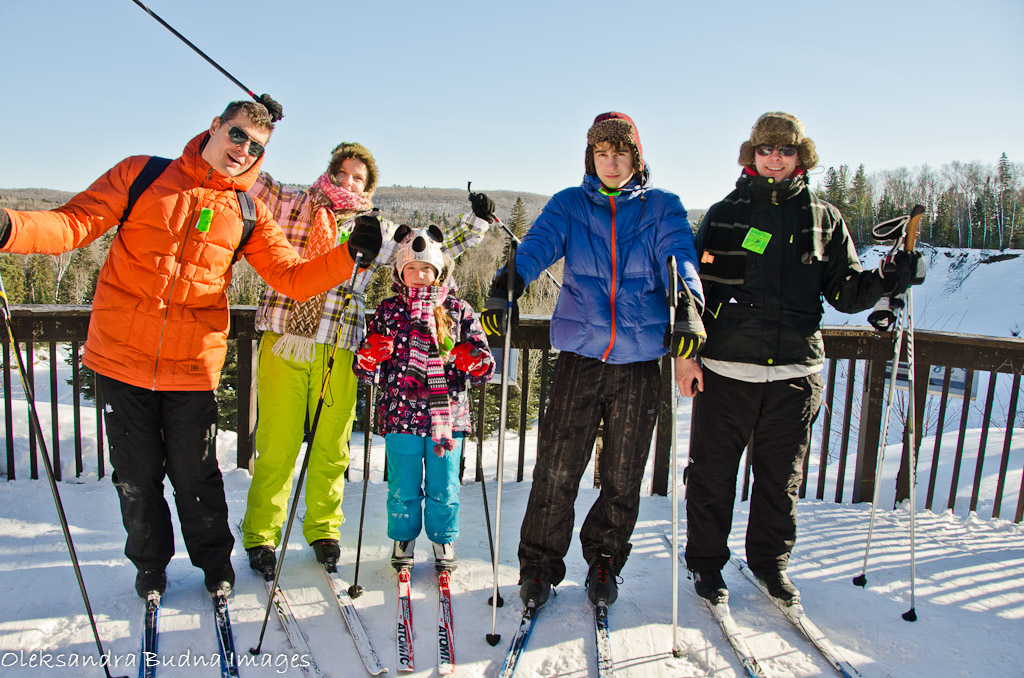
Skiing at Killarney Provincial Park

hiking Abes and Essens

Backpacking at Bon Echo

Endless opportunities for learning

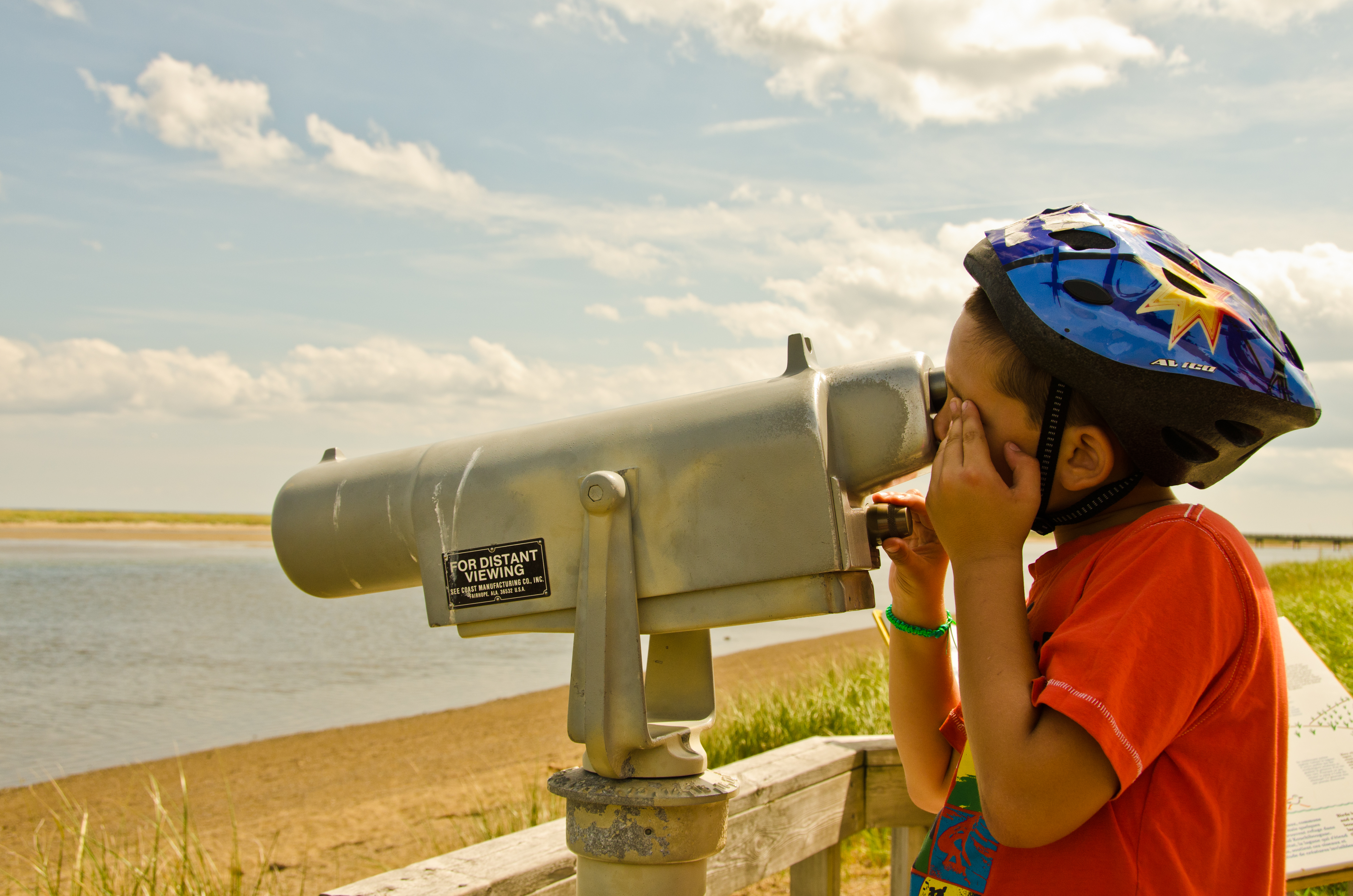
When we think of learning, we immediately imagine a structured school environment with printed and online resources. We often forget that nature is, in fact, one big classroom with limitless opportunities for exploration and learning. Unlike school, this outdoor classroom is inspired by the surroundings and guided by children’s interests. When we hiked at Badlands, we learned about sedimentary rock, buffalo and the tragic history of the Lacota people. We attended a ranger talk about fossils and imagine our excitement when we found one ourselves. Yellowstone and Craters of the Moon were perfect locations for learning more about volcanoes. Our trip to Bay of Fundy in New Brunswick was all about tidal activity. When we headed for the Maritimes, we started reading Anne of Green Gables and the whole book came to life once we arrived to Prince Edward Island. While visiting Algonquin Park, we learn as much about boreal forests and Canadian Shield as we do about the impact of logging and legacy of Tom Thompson. When we stay up at night to watch the stars either at Glacier National Park in Montana or Bruce Peninsula in Ontario, we talk about constellations, celestial bodies, possibilities of space travel and our vulnerability as humans in this vast Universe.
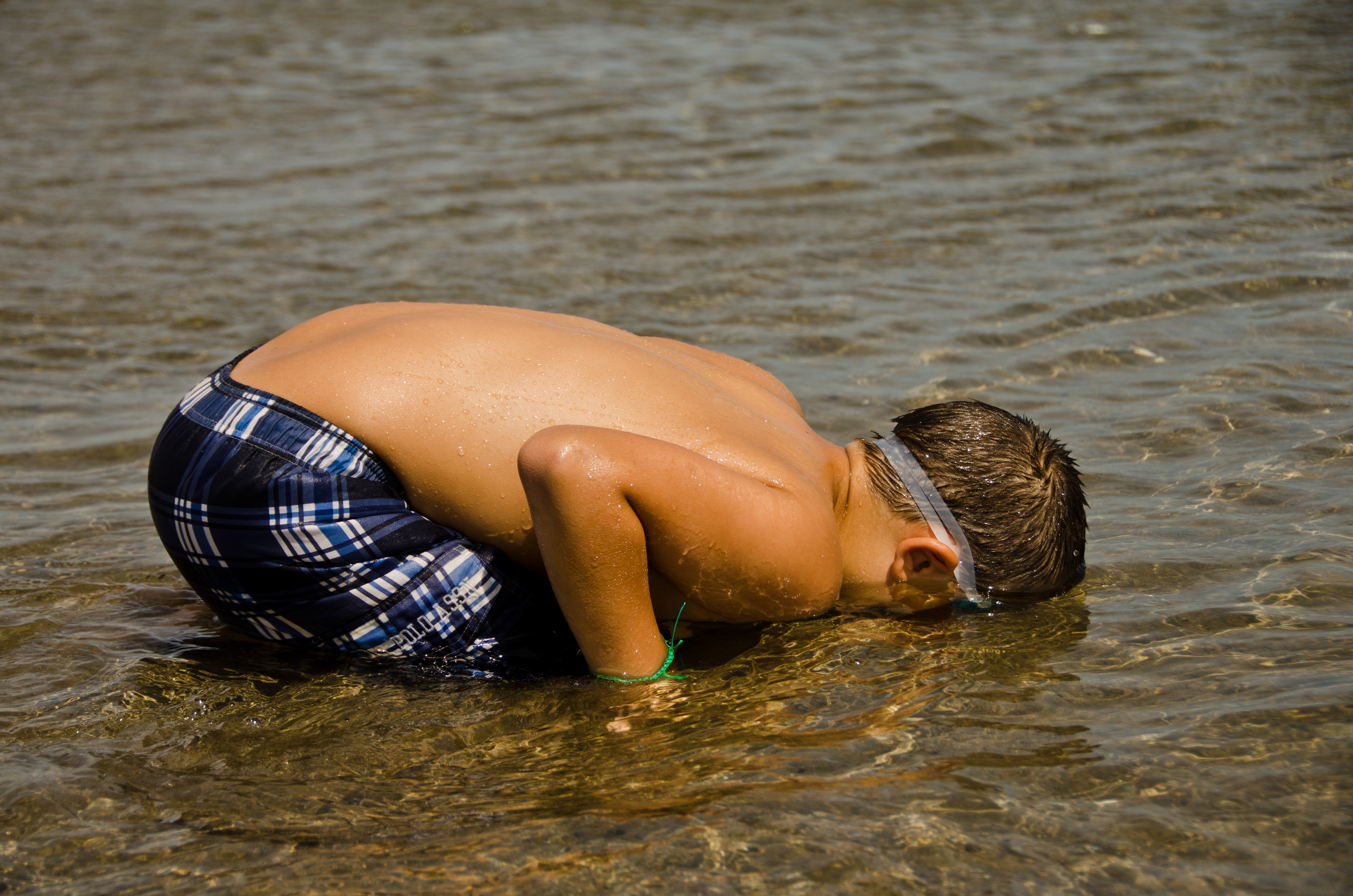
kouchibouguac-3

kouchibouguac-9

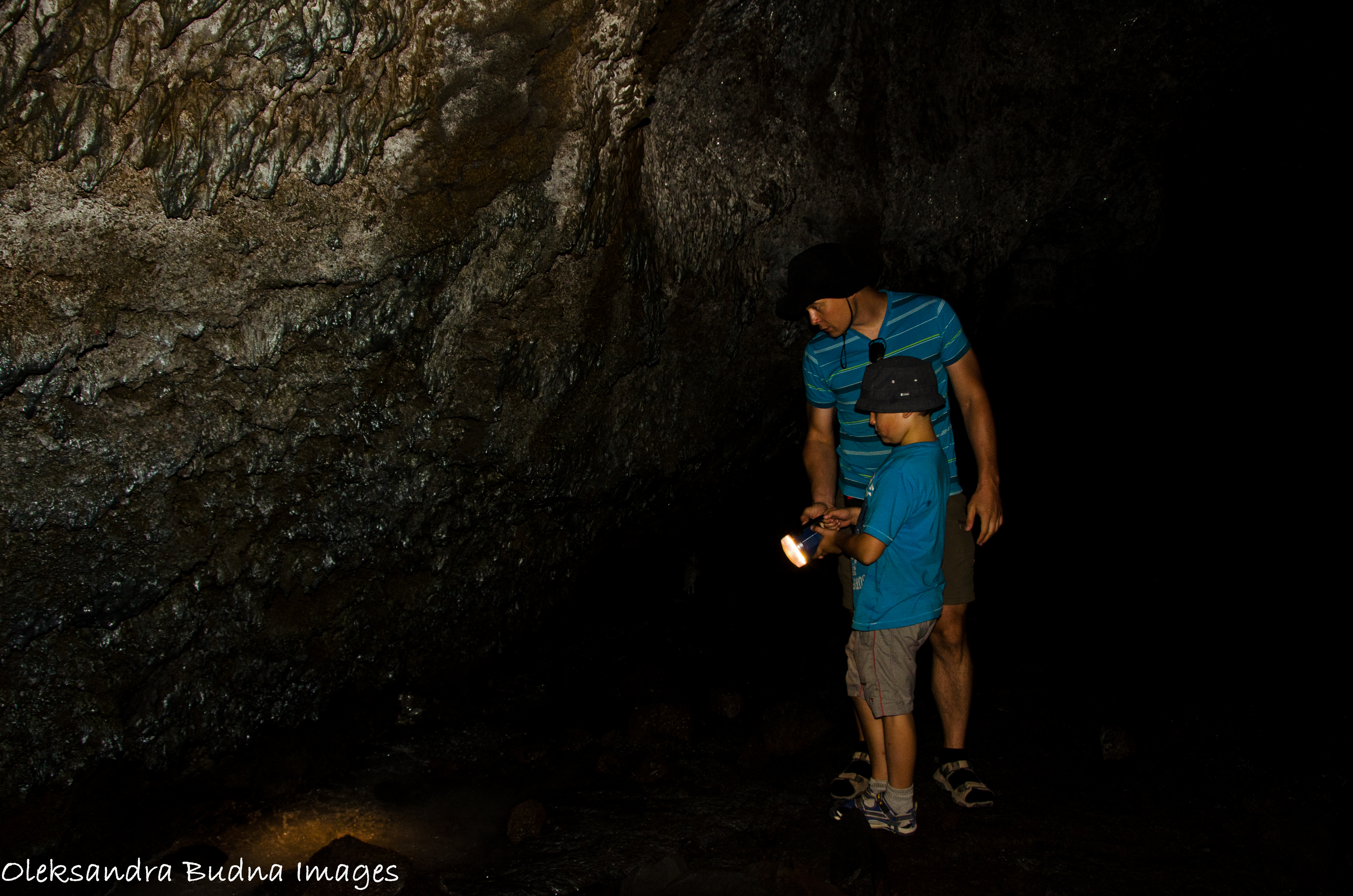
Craters of the Moon

badlands-171

kayaking at Bay of Fundy  patting a manatee

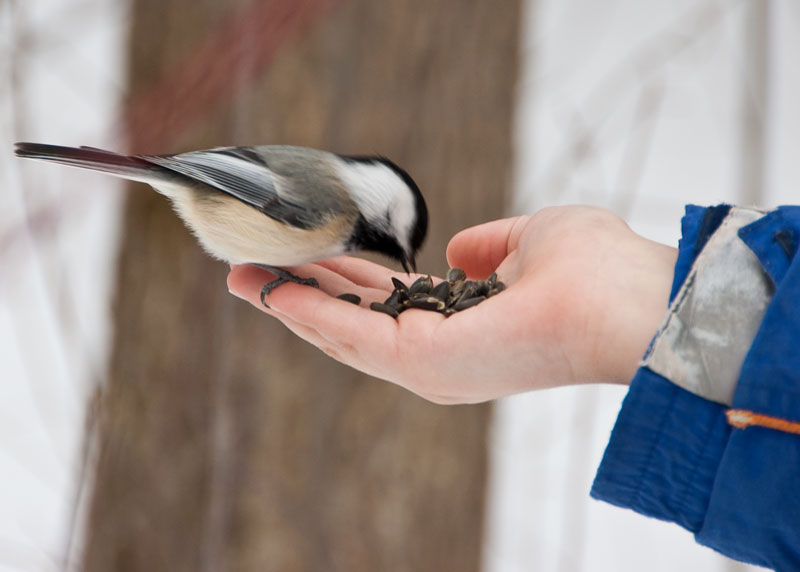
feeding a bird

As you can see, learning topics extend way beyond local flora and fauna (and we do carry plant and bird guides with us to help us identify different species). In addition, because all those learning experiences are so multidimensional and multisensory, kids actually remember them long after the trip is over. A couple of years ago, I volunteered to help with the Scientist in the School session at my son’s school. The topic was “Types of Rocks.” As the kids were doing activities about sedimentary, igneous and metamorphic rocks, my son quickly pointed out that Badlands was a good example of sedimentary rock and igneous rock could be found at the Craters of the Moon. He was referring to the road trip we’d taken the summer before. To him, all those types of rocks were more than just a description or a picture in a book, it was something he saw, touched and climbed.

Imagination and creativity

I’ve often heard parents brag about their kids being able to open programs on a computer or enter a password into an iPad or iPhone. I can see how it may seem fascinating that our children can operate such an impressive piece of technology, something we couldn’t even imagine when we were their age. In reality, it’s about remembering a sequence of operations, something kids are naturally very good at. The sad truth about the plastic abundance of toys and electronic vortex of entertainment is that it takes away kids’ ability to develop their imagination and creativity.

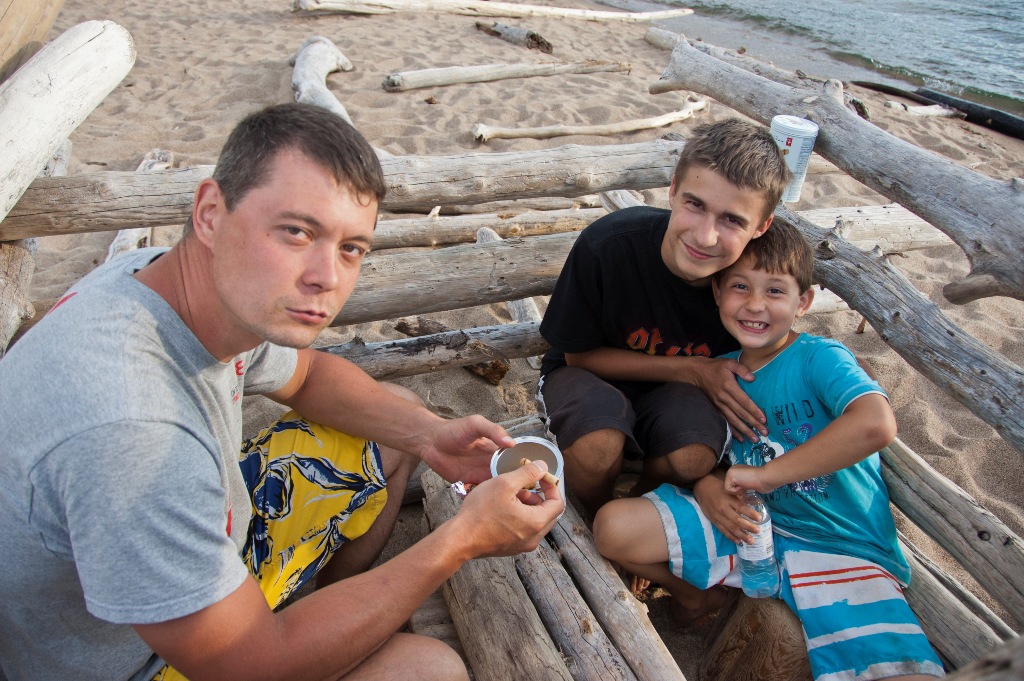
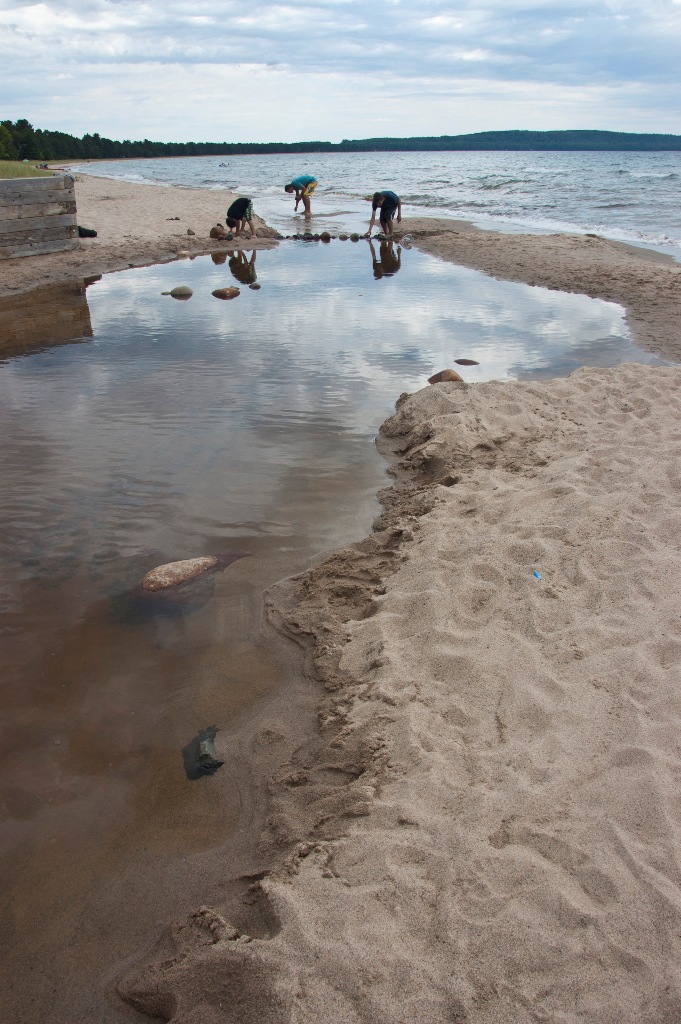
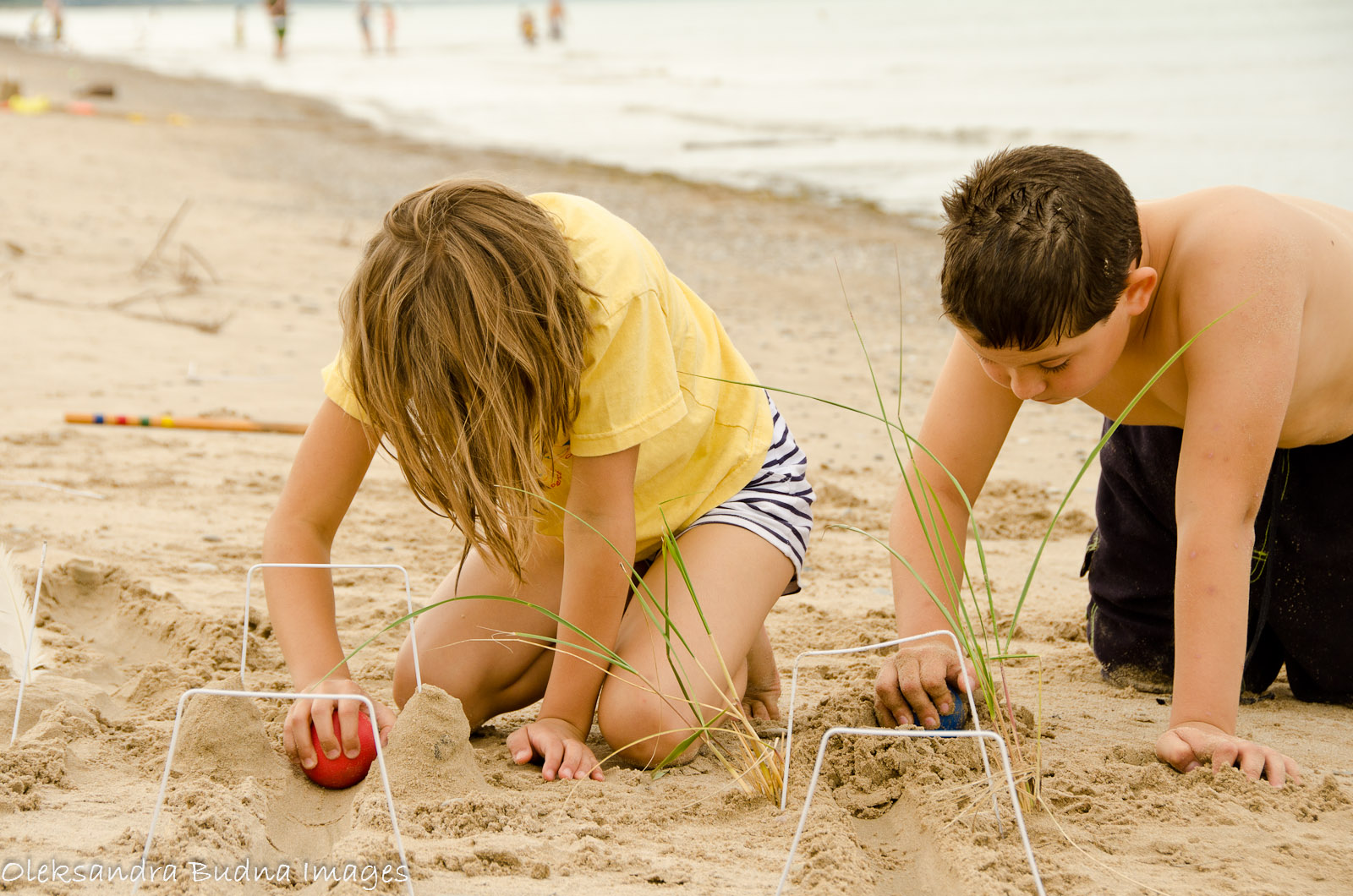
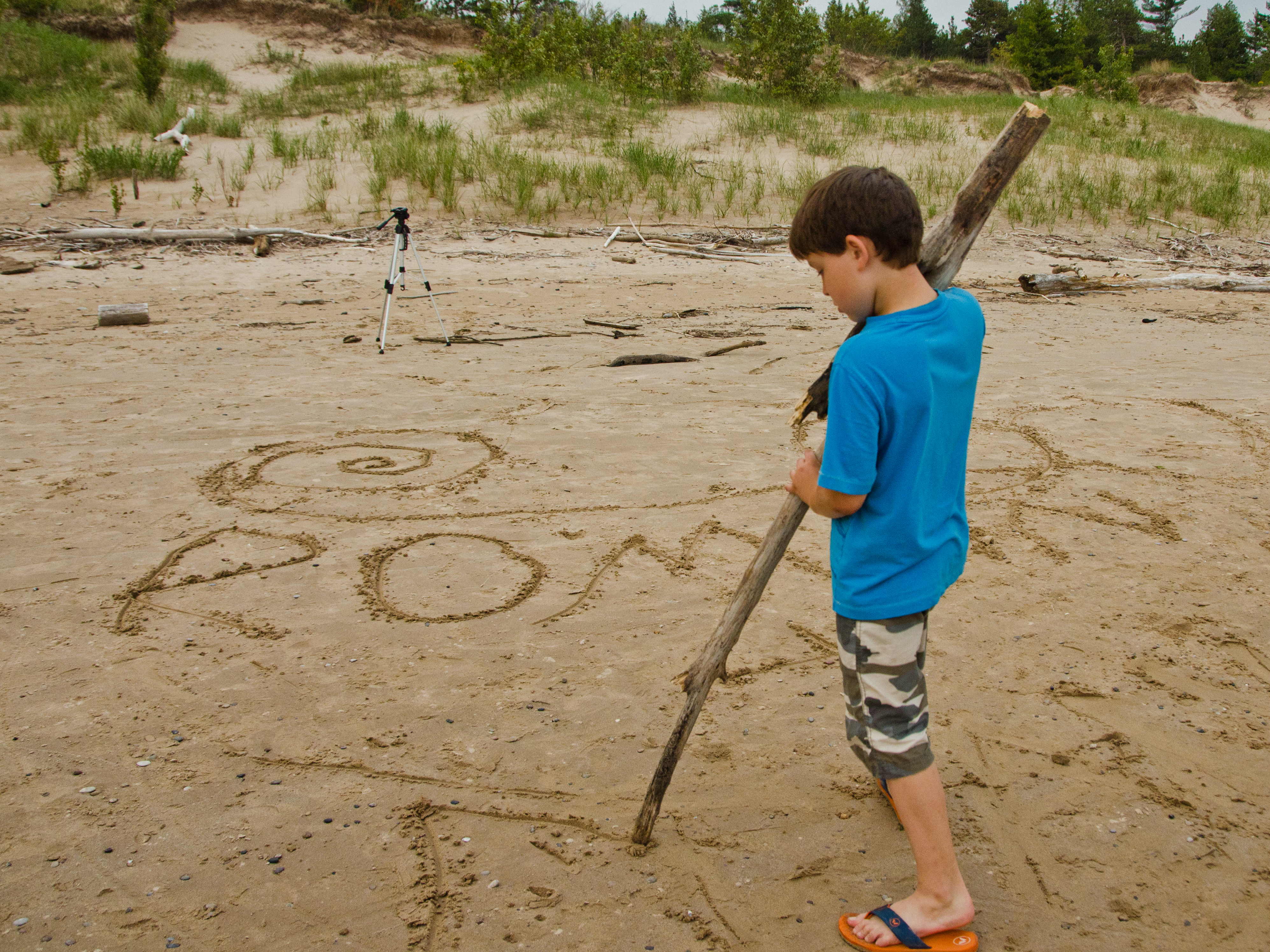
Outdoors, on the other hand, is a magical land where anything can be a tool and material for creation. We’ve seen our kids spend hours building forts out of driftwood and dams out of rocks. The beach is a perfect construction site for castles, cities and, once, a very imaginative cricket course. And a stick is never just a stick!

fundy-46  playing in the sand

Driftwood beech

beach   playing on the beach

writing on the sand

Ability to get mesmerized

We live in the world of 24/7 entertainment and special effects. We now expect to be constantly kept amused and we want the entertainment to be increasingly brighter, more exciting and stimulating. The downside is that we gradually lose our ability to be awed. After all the Disney World rides, a simple hike in the woods may seem less than exciting to children nowadays. And animals in the wild don’t always show up on cue or perform the way they do at Marineland or even at the zoo.
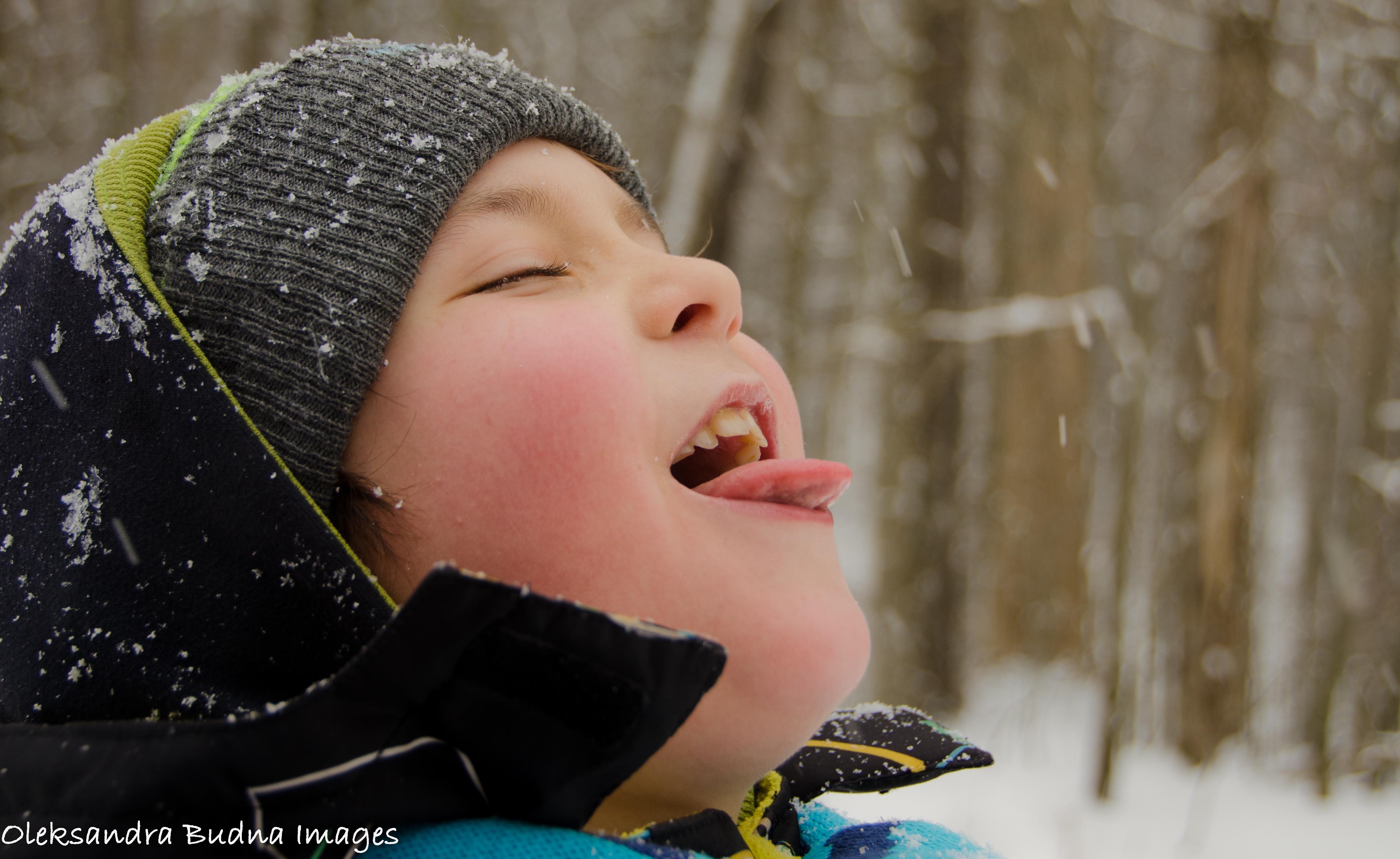
catching snowflakes

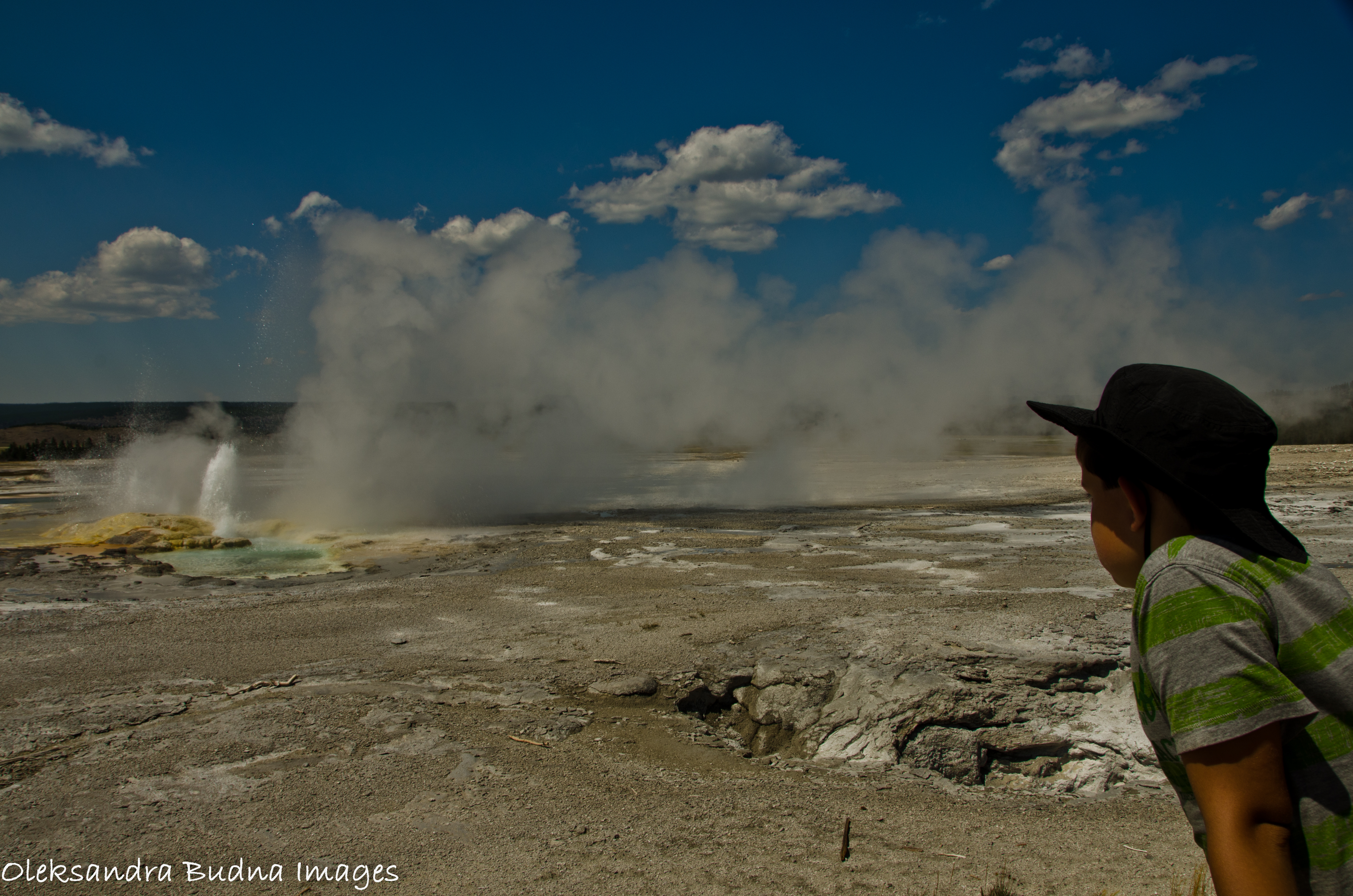
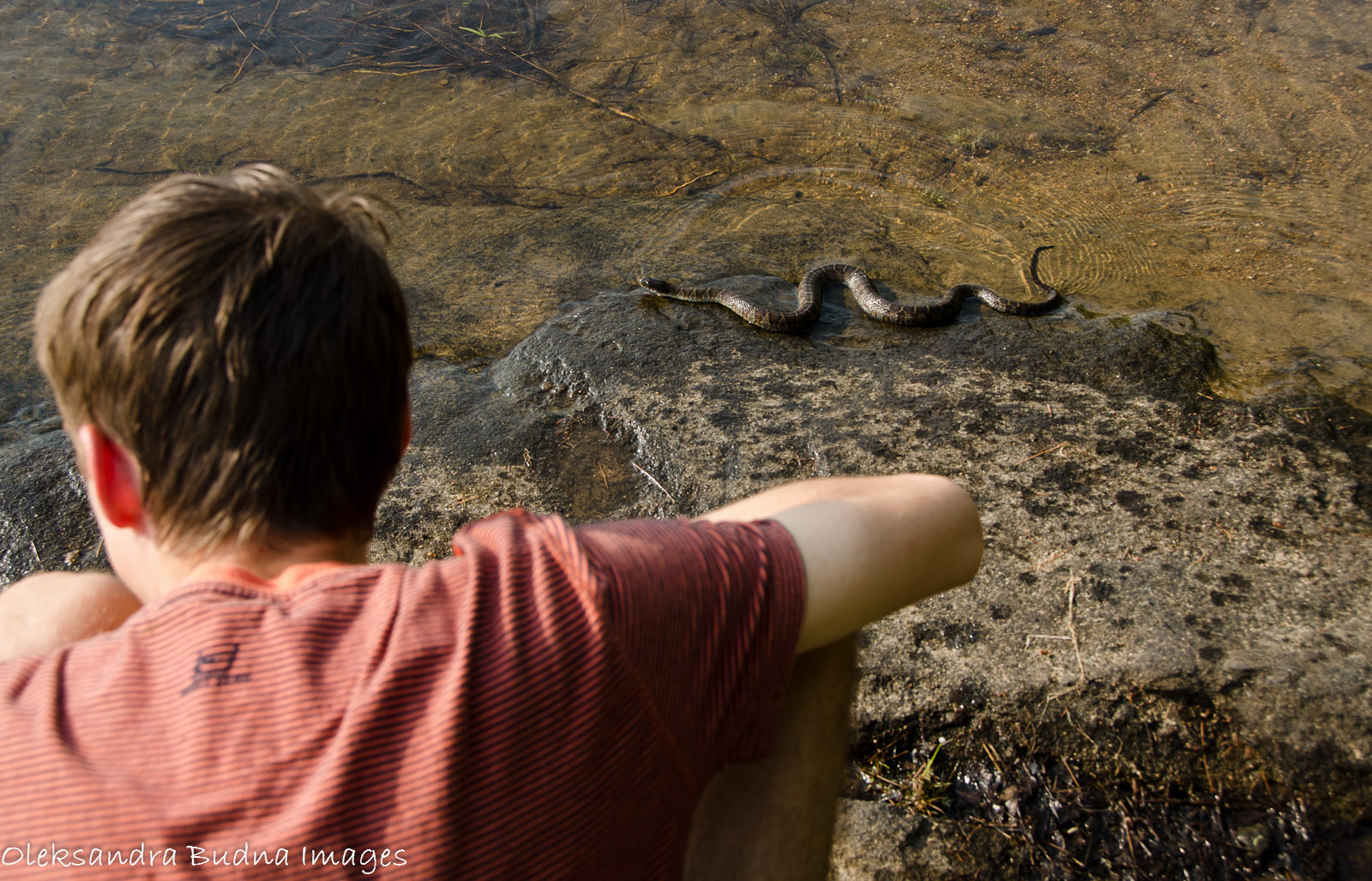
Yet, spending a lot of time in nature can help keep this feeling of childlike wonder not only alive but flourishing. During our travels, we get excited when we see a bison crossing the road or a hummingbird fluttering by. Our kids can spend hours watching mountain goats scaling a hillside or snakes weaving their way through the rocks. Sunset colours are more mesmerizing than any electronically produced special effects and a rainbow dancing in a geyser is the best light show ever, according to our son.

Mountain goats at Custer state park

snake

yellowstone-17

enjoying the view at Cape Breton

Healing through nature

Recently, more and more studies talk about green therapy. People who live near green spaces have fewer physical and mental health problems and spending time in nature helps manage ADHD symptoms in children. To us, all these findings are common sense, practically axiomatic. Of course, you get fitter as you hike, bike and paddle all day. And kids who have problems concentrating will certainly do better after they get an opportunity to run around. As for nature’s effect of mental health, isn’t it constantly exploited by the sellers of ‘soothing sounds of nature’ CDs and natural scents? But why settle for artificial if you can have a real thing for free?

In our family, nature is a go-to happy place. We all believe in the power of a walk in the woods and the miraculous effects of a nature detox.

view from the Sleeping Giant

kids fishing

Acquiring new skills and confidence

Our kids know how to pitch a tent, make a fire and paddle a canoe. They’ve done portaging and backpacking in the backcountry. At fourteen, our older son was able to cook a complete meal in the woods, from chopping wood to clean-up. I know chopping wood is not on the top of must-have skills these days. However, a kid who can do that has no problem making something for dinner in everyday life. Plus learning all these skills gives them a sense of accomplishment, instills confidence and makes them feel more independent and grown-up. Our older son now has his own tent (a present for his 18th birthday) and he loves it, even if it means more work for him with setting it up and then putting it down at the end of the trip.
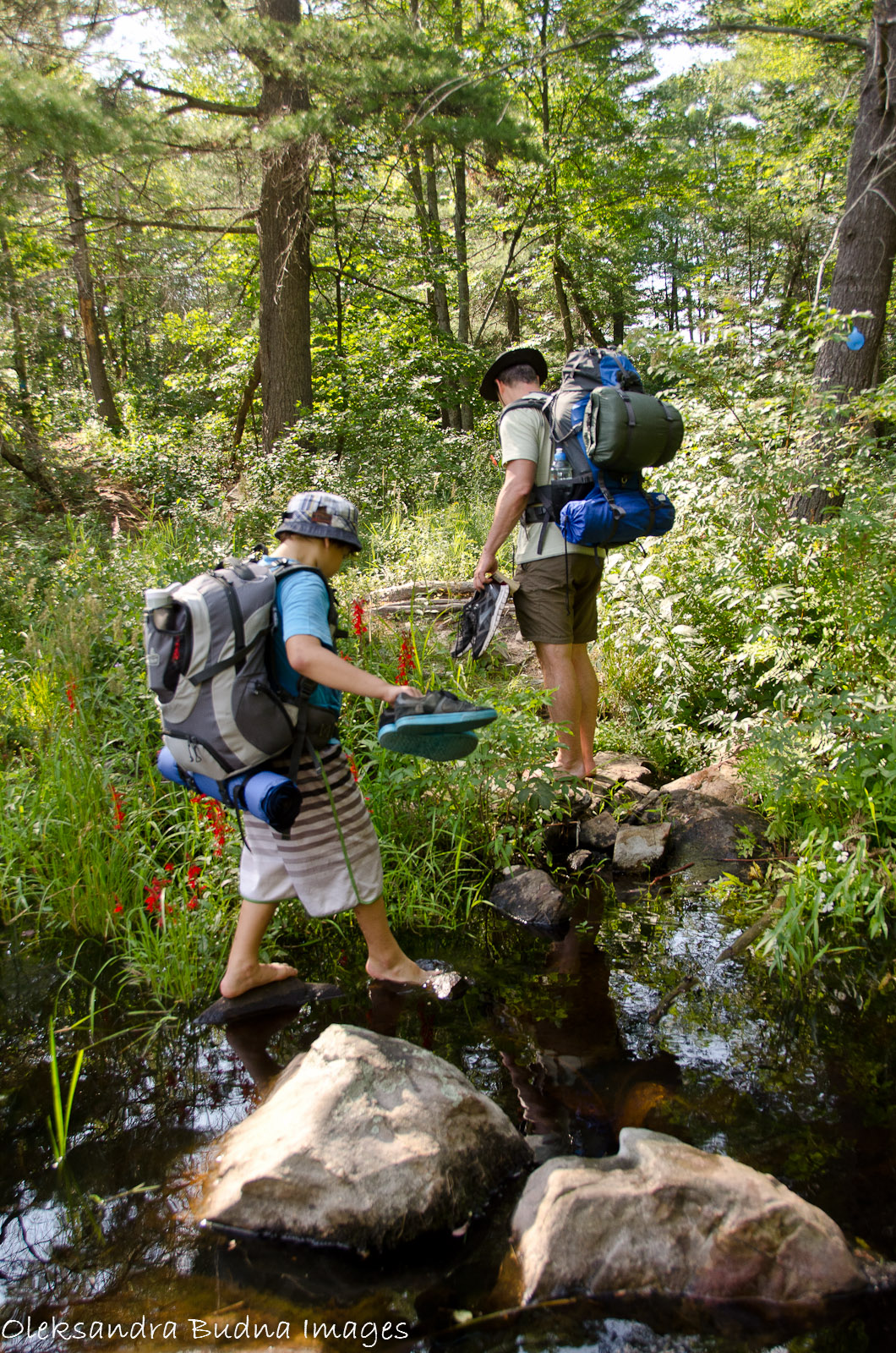
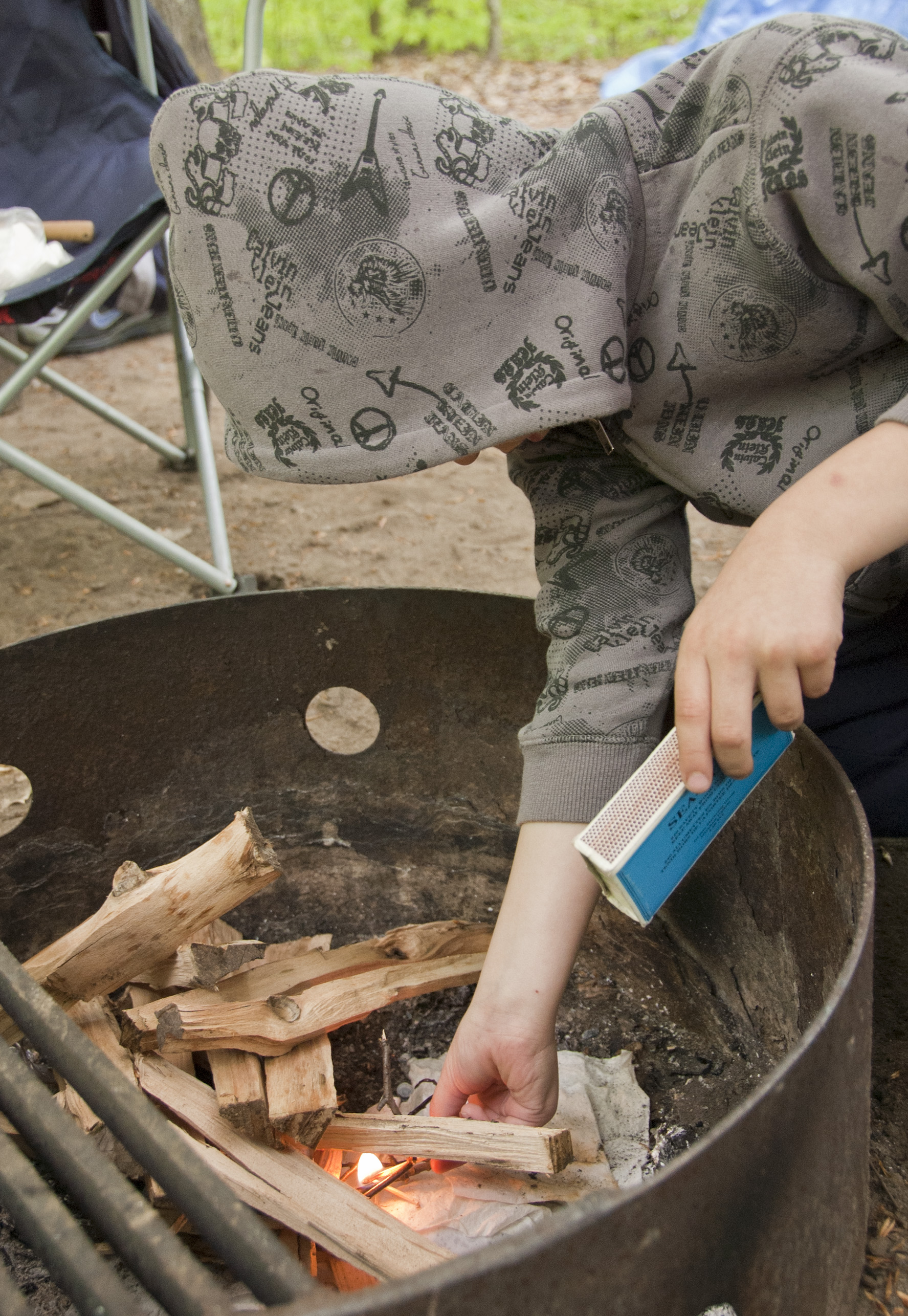
backpacking in Bon Echo  making fire

cooking  pushing a canoe

When we are camping, everyone has to pitch in and kids don’t complain about having to do chores. In fact, most of the time they are happy to bring water, collect firewood, clean the dishes, and carry their things across portages and on backpacking trips. And they always want to come back!

Time to spend together

The biggest gift of nature is the time we spend together. Away from distractions and schedules, we have time to explore and learn together, play games, sing songs and talk around the campfire. There is also plenty of time to be on your own if you wish to enjoy the view or read a book. The fact that our 18-year-old still wants to go camping with us and gets upset if he misses a trip is my biggest validation if I ever needed one.

trip2013_family-6

kids by the lake

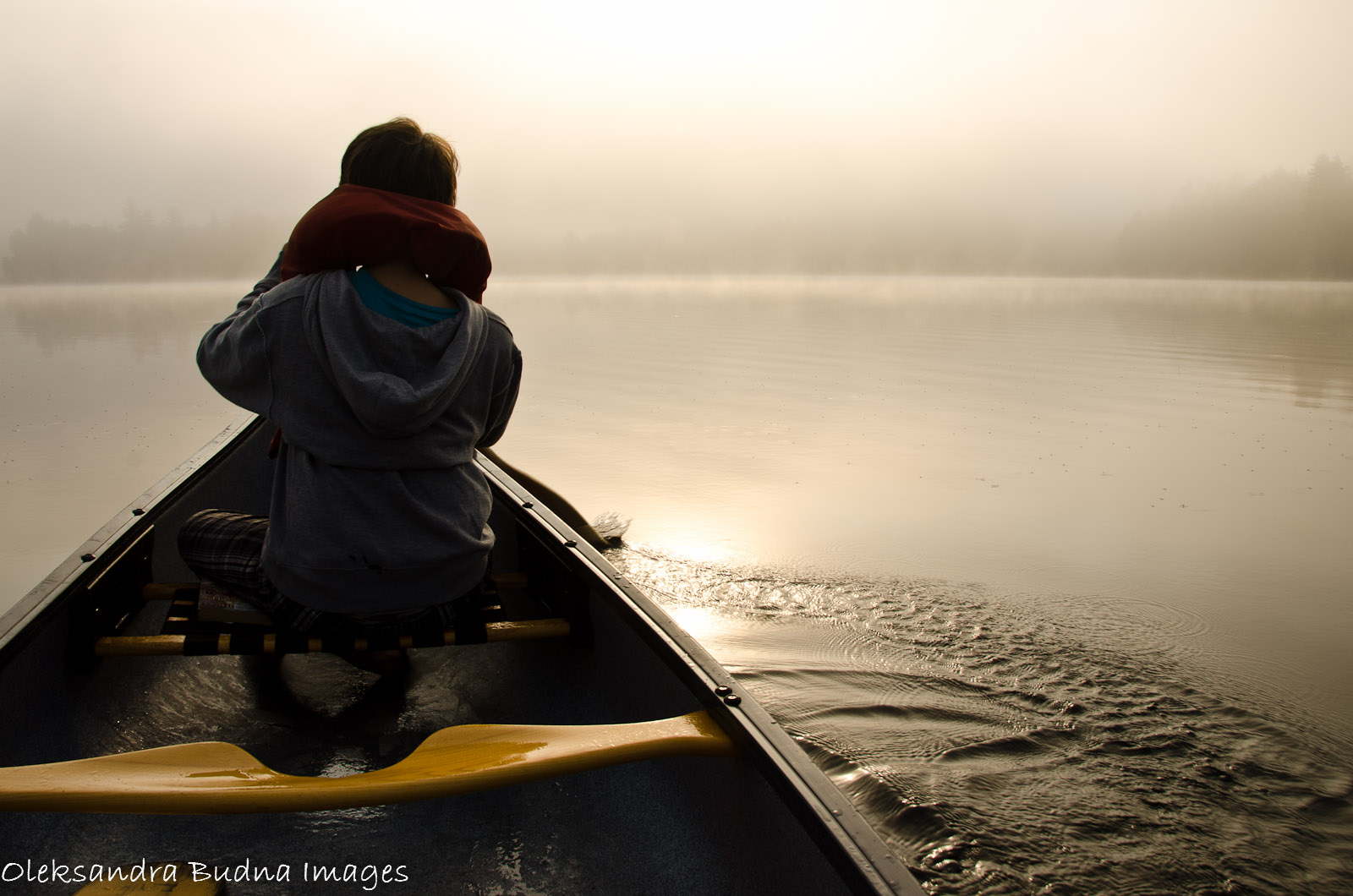
canoeing on a foggy lake

sitting on a dock  reading a book

Lake of the clouds

Connection to nature

According to Robert Macfarlane, “We do not care for what we do not know.” So for me as a parent, the main goal of all our camping trips and adventures is for my kids to get to know nature on a very personal and intimate level, not just something they see in books and on TV or learn about in their science class. I want them to feel part of it and be more mindful of the negative impact we as humans can have. Because they know that stuff doesn’t magically appear in the store but is made of resources that are extracted from the earth, they don’t ask for the latest gadgets or toys. When things break down, their first question is whether we can fix it and not if we can buy a new one. When choosing a university program, our older son picked civil engineering determined to help create more sustainable cities. And our younger son plans nature-themed birthday parties and uses them to fundraise for organizations like World Wildlife Fund.

climate march  we only have 1 planet

Yesterday, after our walk in the neighbourhood park, my 10-year-old son asked, “Do you think there will ever be time with no outdoors, just buildings everywhere, when even parks will be inside in a simulated environment?” I thought for a second and then we both said at the same time, “I hope not.” “We just need more kids like you,” I added.
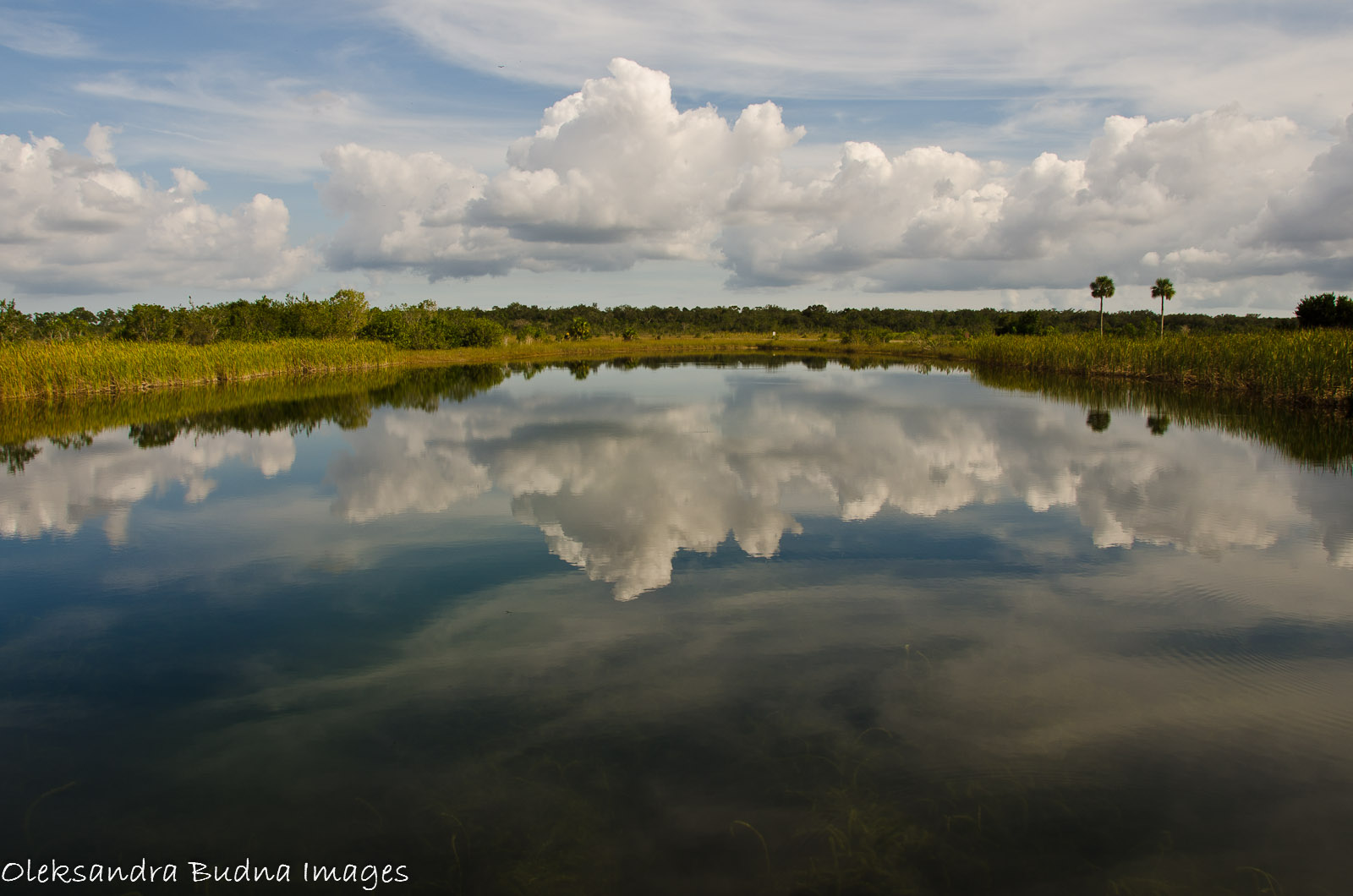
Our Road Trip to Florida: Part III – Camping at Everglades

So finally the best part of our trip – Everglades.

everglades

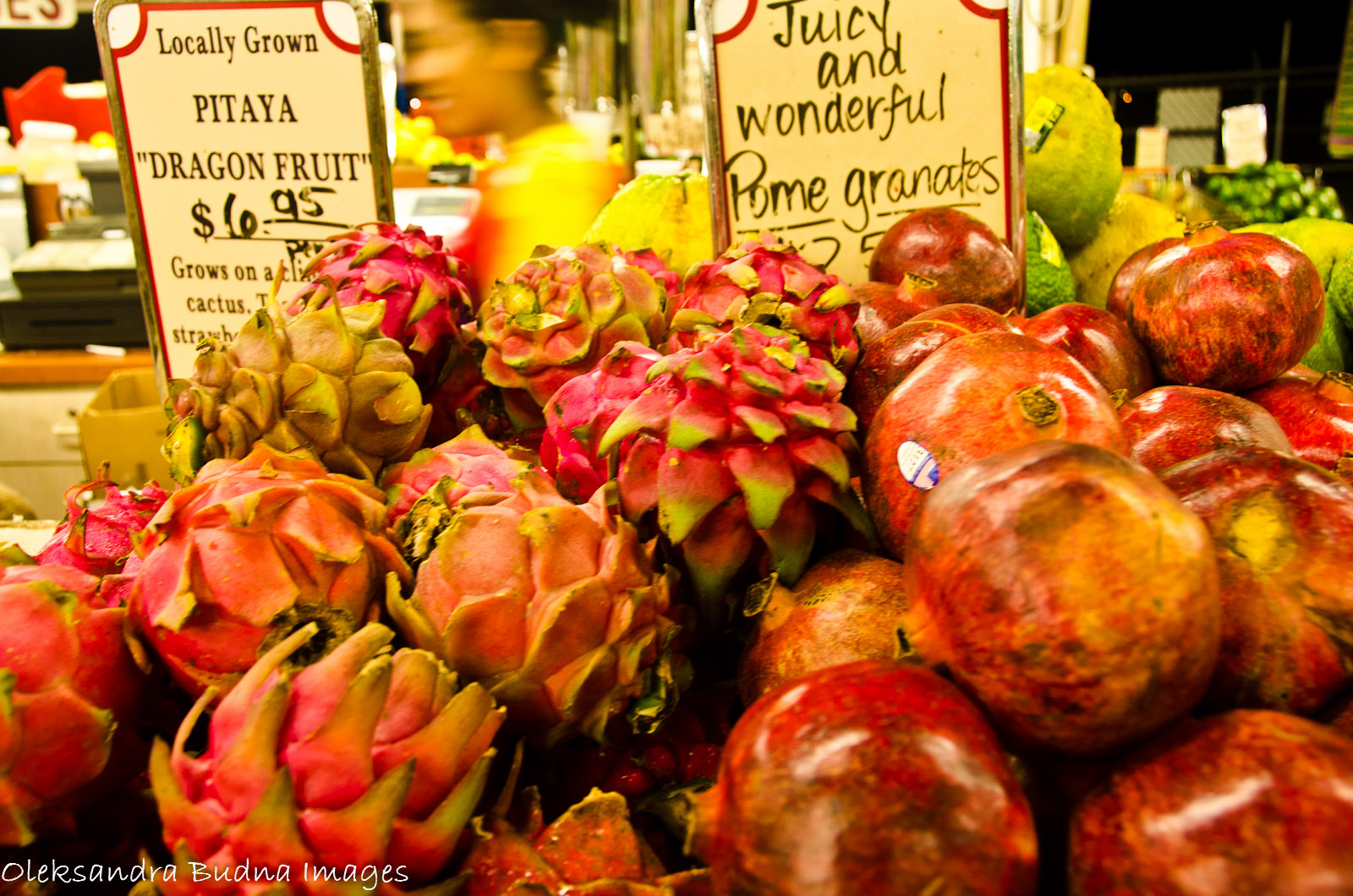
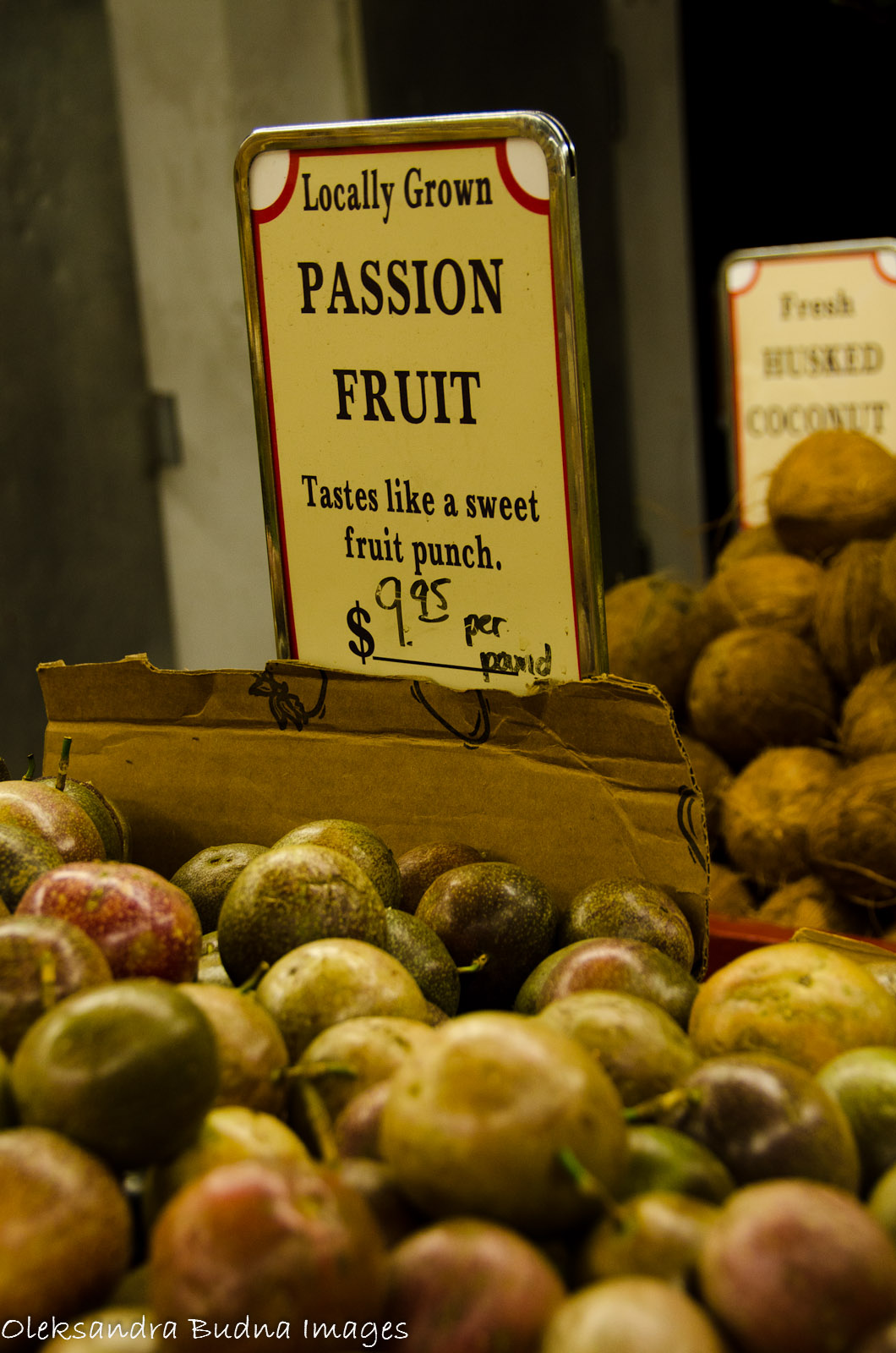
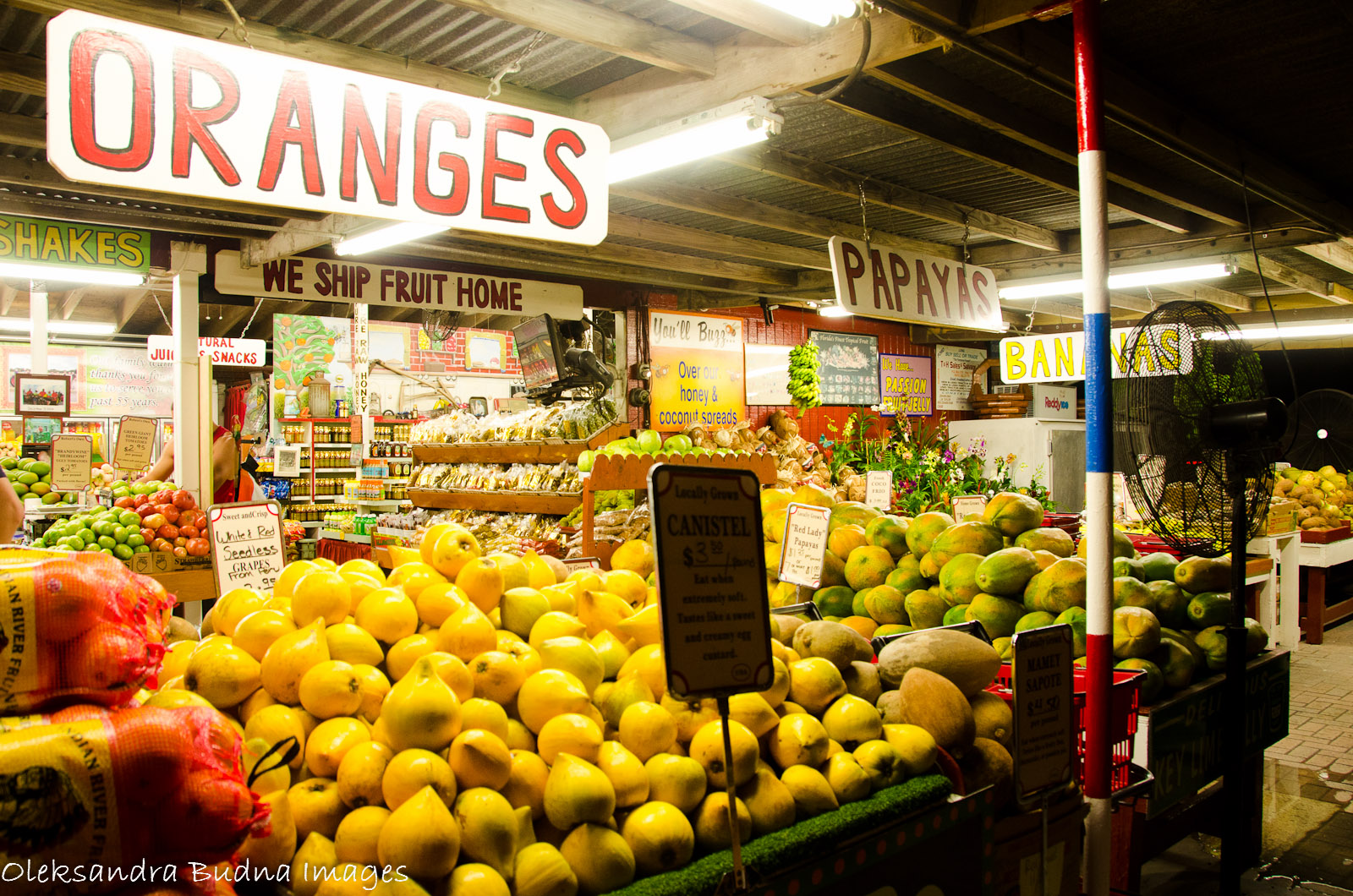
Our last stop before entering Everglades was Robert Is Here Fruit Market, a feast of colours and tastes. We packed our car with fresh produce, exotic dragon and star fruit, and locally grown mangoes and avocados and set out on the last leg of our journey.

Robert Is Here Fruit Market in Florida

Robert is here fruit market florida  Robert is here fruit market florida

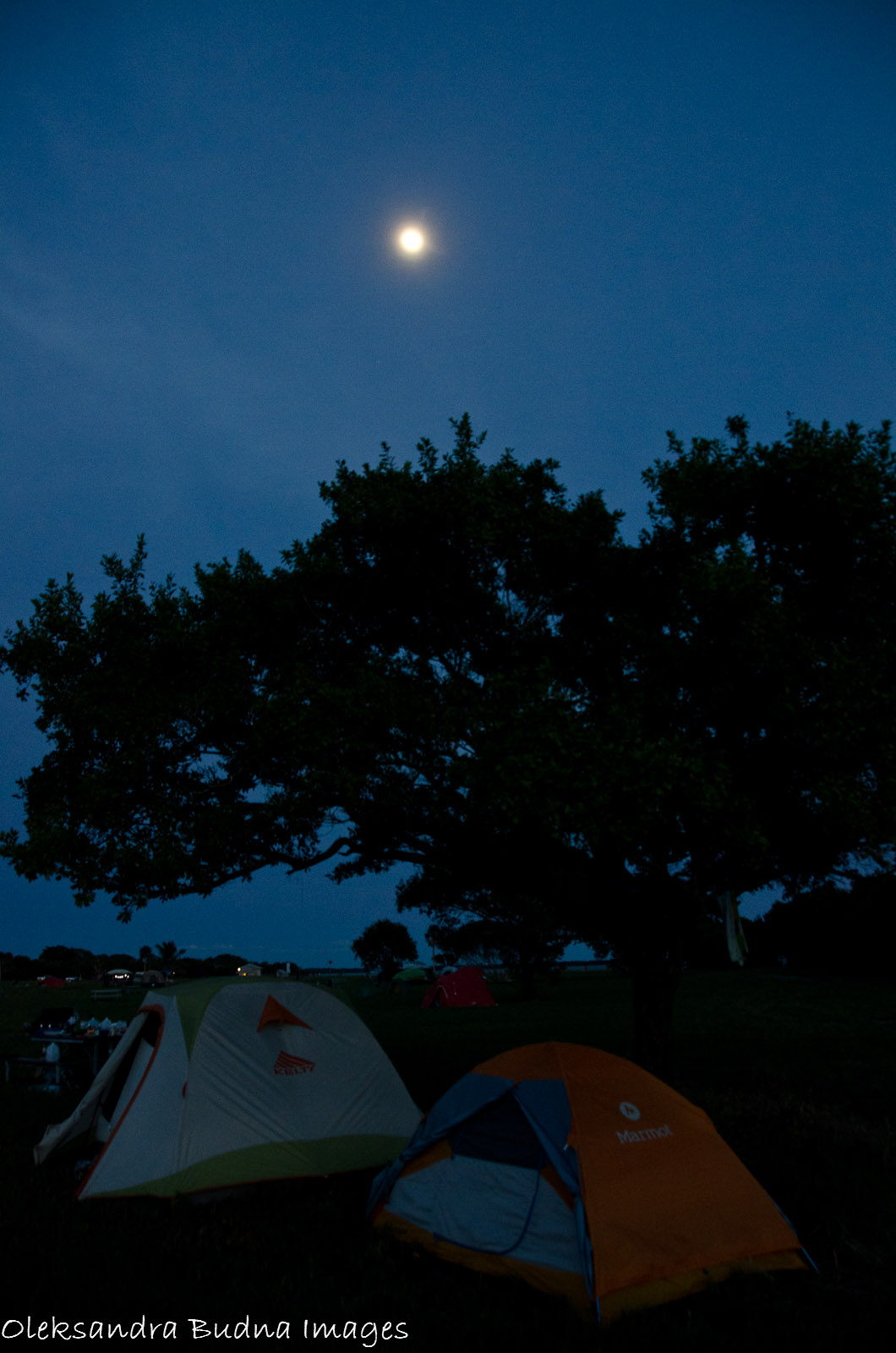
By the time we reached Flamingo Campground, it was already dark. The registration booth was empty so it took us a while to figure out how to get to the walk-in area where we had a site reserved. When I was booking a site, I was seduced by the walk-in’s proximity to the ocean. Drive-in and trailer campsites are not too far away but you can’t really see the water from there. I knew that the walk-in area was a big open field with an occasional palm tree. What I couldn’t know from the pictures was the fact that the area was pretty swampy with about a quarter of the sites covered ankle deep in water, something we discovered pretty quickly as we tried to pick a site by the flashlight. Another thing we weren’t prepared for were the mosquitoes. I did read other people’s accounts of practically ‘being eaten alive’ but I thought: how bad can it be, we’ve been camping a lot, we are not afraid of some mosquitoes. Well, I was wrong because there are mosquitoes and then there are mosquitoes at Everglades or rather, as we later found out, in the Flamingo area. But I’ll get to the bugs later, now back to our campsite.
We quickly realized that we would not be able to choose a proper site in the dark. Plus carrying all the gear from the car would take a while and all we wanted at that point was to get inside our tent. So we ended up setting camp right by the side of the road next to our car. I kept repeating, more to myself than others, that things would be better the next day. Yet, even in the morning I had my doubts. I must confess that for the first time in our camping history, I was contemplating leaving and looking for alternative arrangements. I am glad I decided to stay because we all ended up loving the park, bugs and all.

Flamingo campground at everglades

The next morning after an unsuccessful attempt to move to the drive-in area, which looked more shaded and cozy, we finally picked a walk-in site and moved all our gear there. I will not go into details but apparently the park uses a very ‘sophisticated’ manual site registration system and the staff don’t really know how many sites will be available until ‘the lady’ comes around midday to check all the sites and put up ‘reserved’ notes. After they told us to come back later for the third time, we gave up. It all worked out in the end. Our neighbours moved out that same night and we managed to occupy a site with a tree, a luxury at the walk-in campground. The tree provided shade, particularly useful in the morning if you want to sleep a little longer, but it also gave an illusion of privacy and was excellent for climbing, too. And that proximity to the ocean that made me book this site in the first place? It gave us a front-row view of incredible sunsets and sunrises.
campsite at Flamingo campground at Everglades

climbing a tree  campsite at night

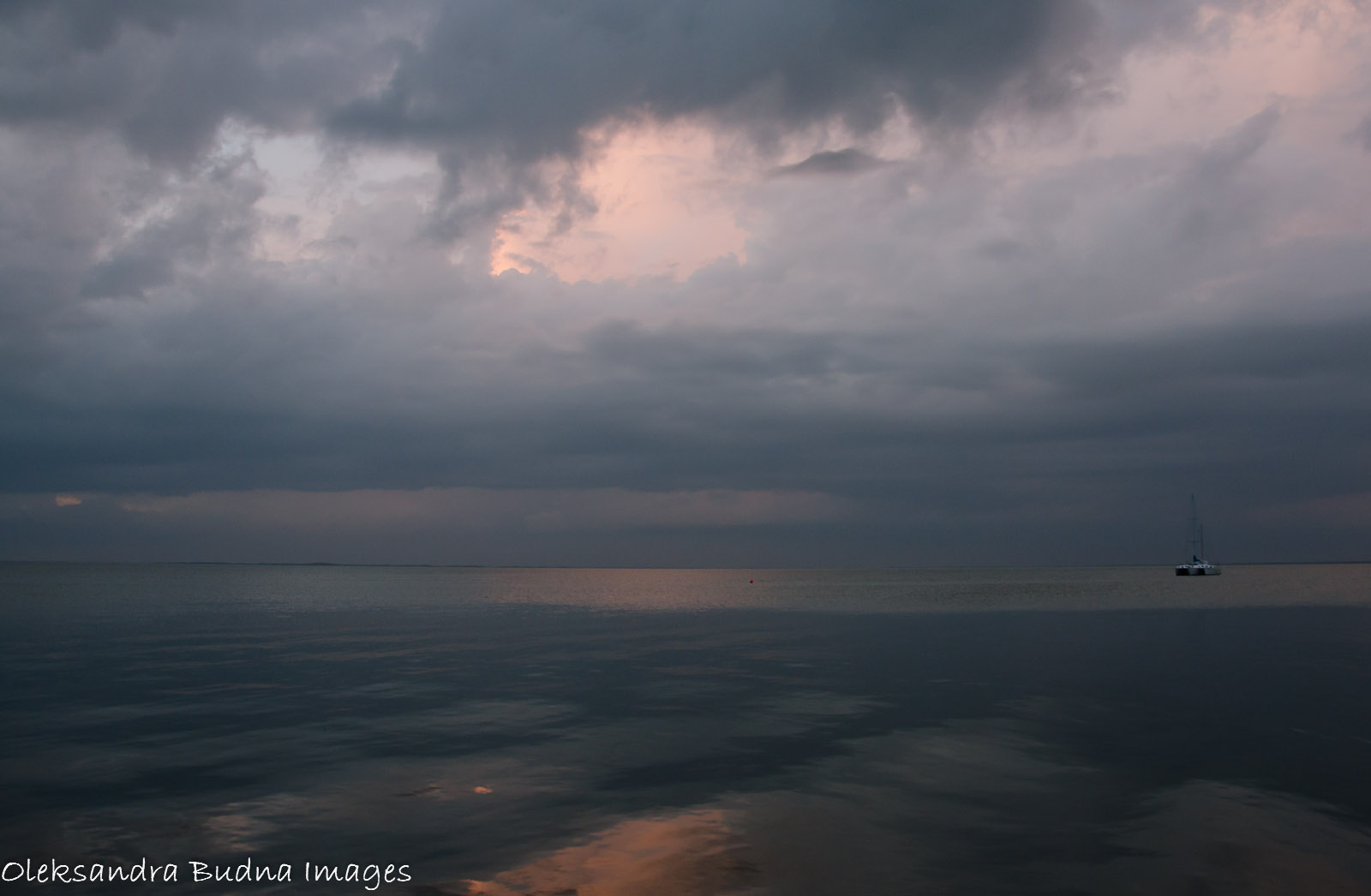
sunset at Flamingo Campground at Everglades

sunrise at Flamingo campground everglades

For more pictures of sunsets and sunrises, check out my Random|Pix blog.

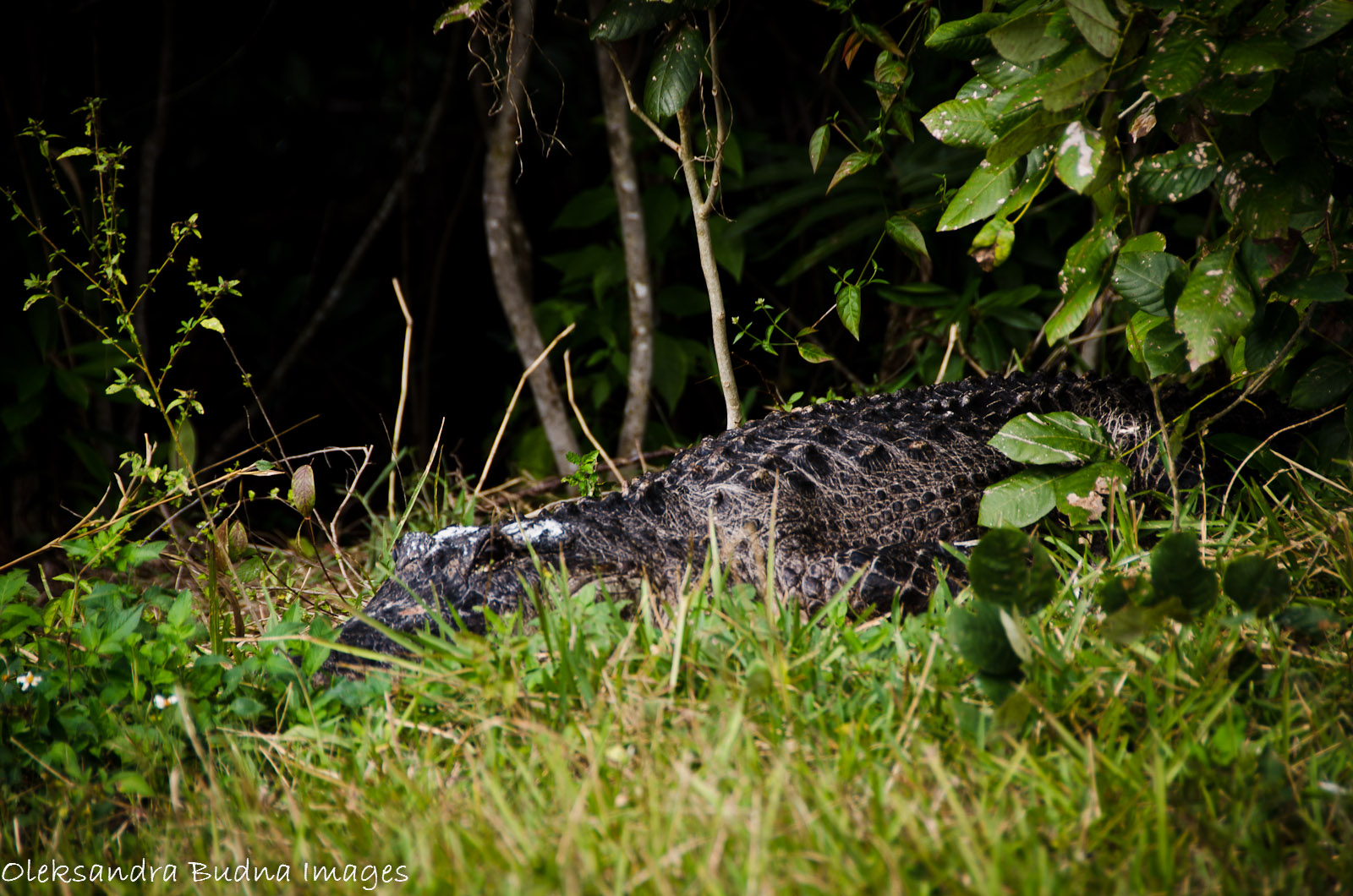
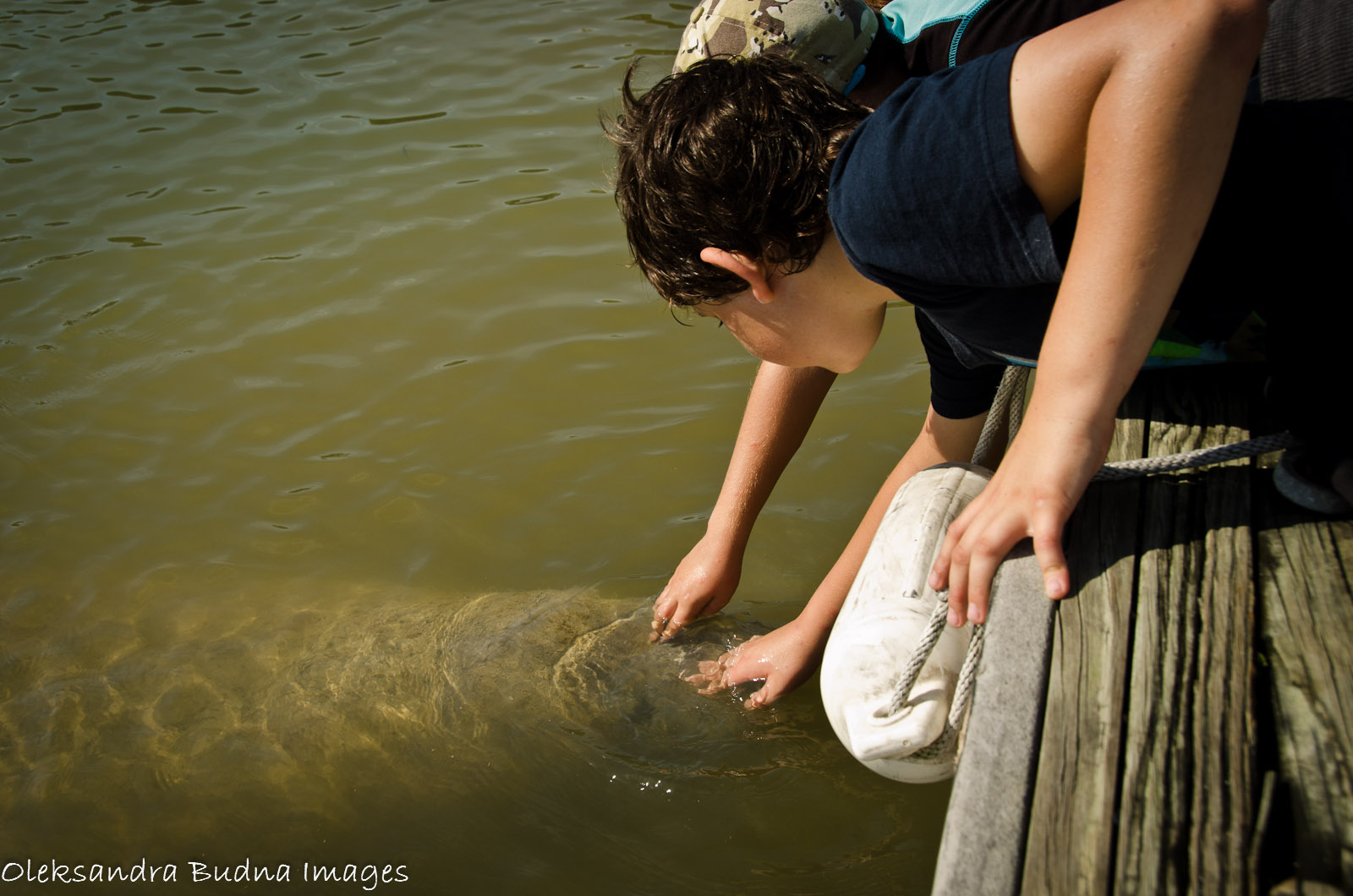
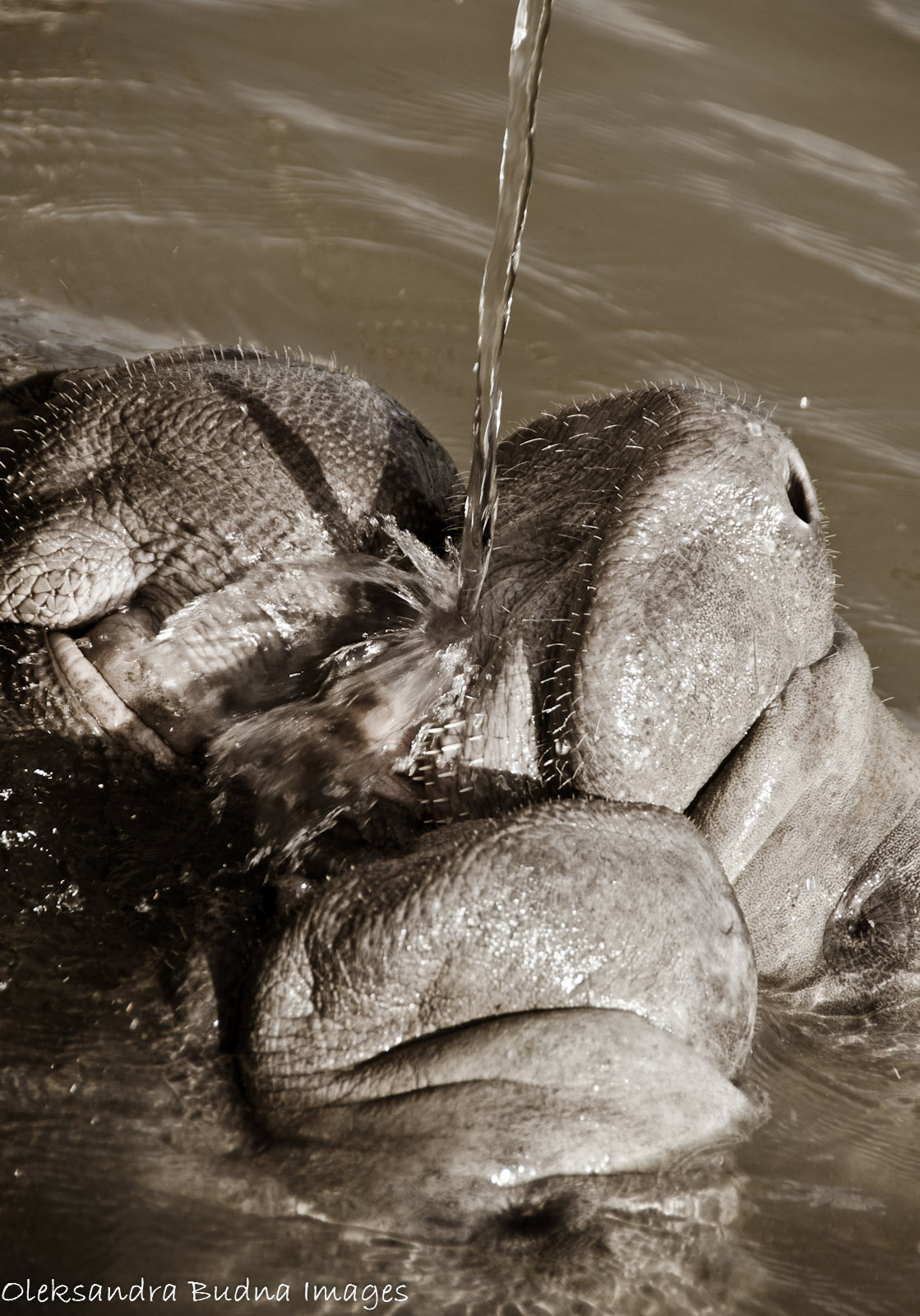
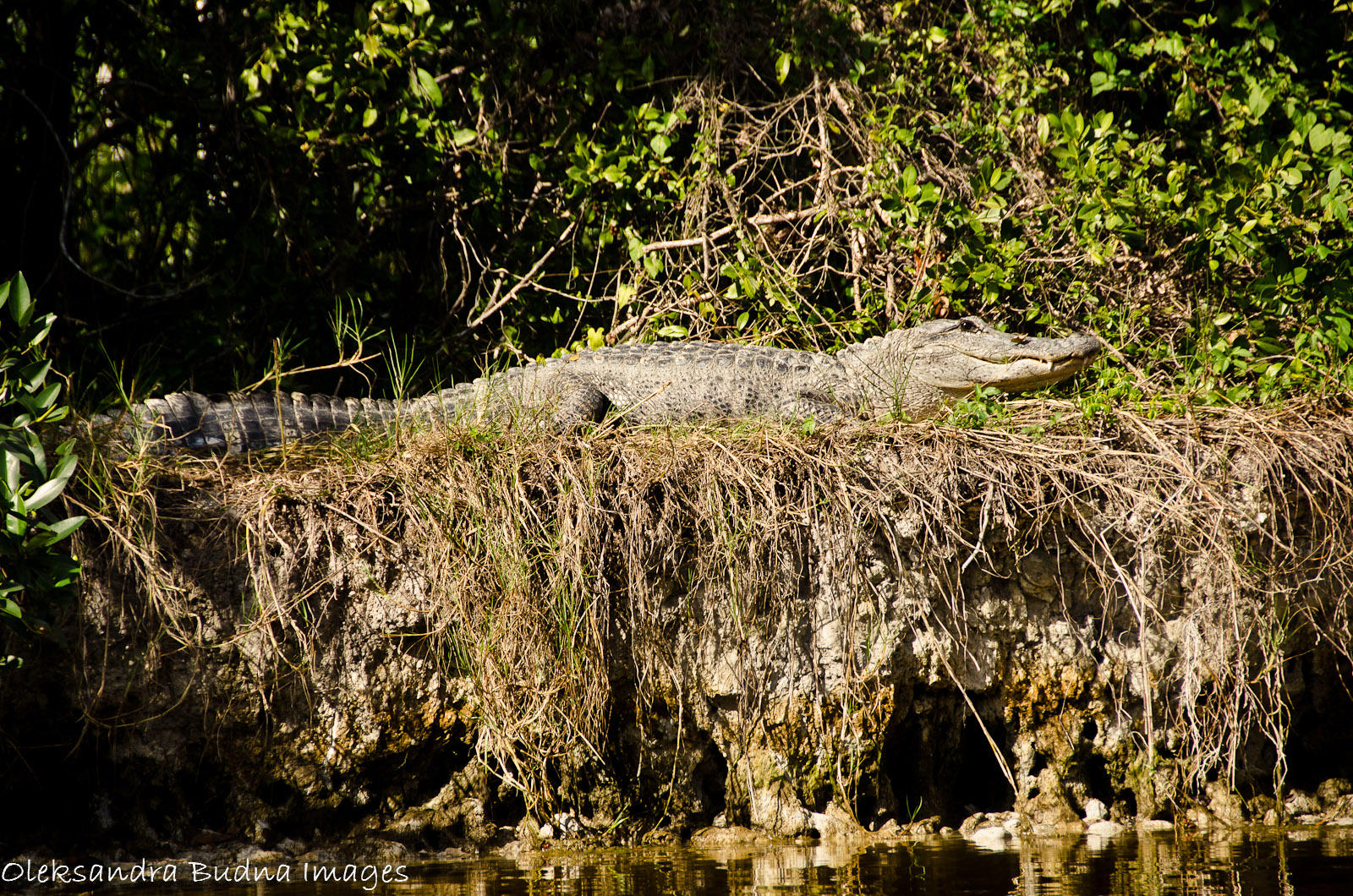
Everglades National Park is the largest tropical wilderness in the United States, the largest wilderness area east of the Mississippi River and is visited on average by one million people each year. Most of those people come during the day and they usually stick to the Anhinga Trail and boat cruises. Anhinga Trail is a prime location for watching famous crocodiles and alligators as well as numerous species of birds. From the safety of a boardwalk, you can see crocs and gators everywhere, sunning, swimming, sleeping or maybe just pretending to be sleeping while constantly watching you from under their half-closed lids. It was exciting to see these prehistoric looking creatures but because of the sheer number of these reptiles and most importantly people the whole experience felt almost staged. Coming across an alligator during our canoe trip or riding past a gator family on our bikes felt more authentic, probably because there was no boardwalk to separate us from the animals. The birds were also a lot of fun to watch as were the manatees down by the Flamingo marina. Since the marina was only a ten minute bike ride from the campground, petting manatees was a daily must for our kids.

anhinga trail at everglades

alligators at everglades

Anhinga trails at everglades   anhinga trail at everglades

reading

biking snake bight trail at Everglades  alligator

patting a manatee

manatees    patting a manatee

For more pictures of alligators, manatees and birds, visit my Random|Pix blog.

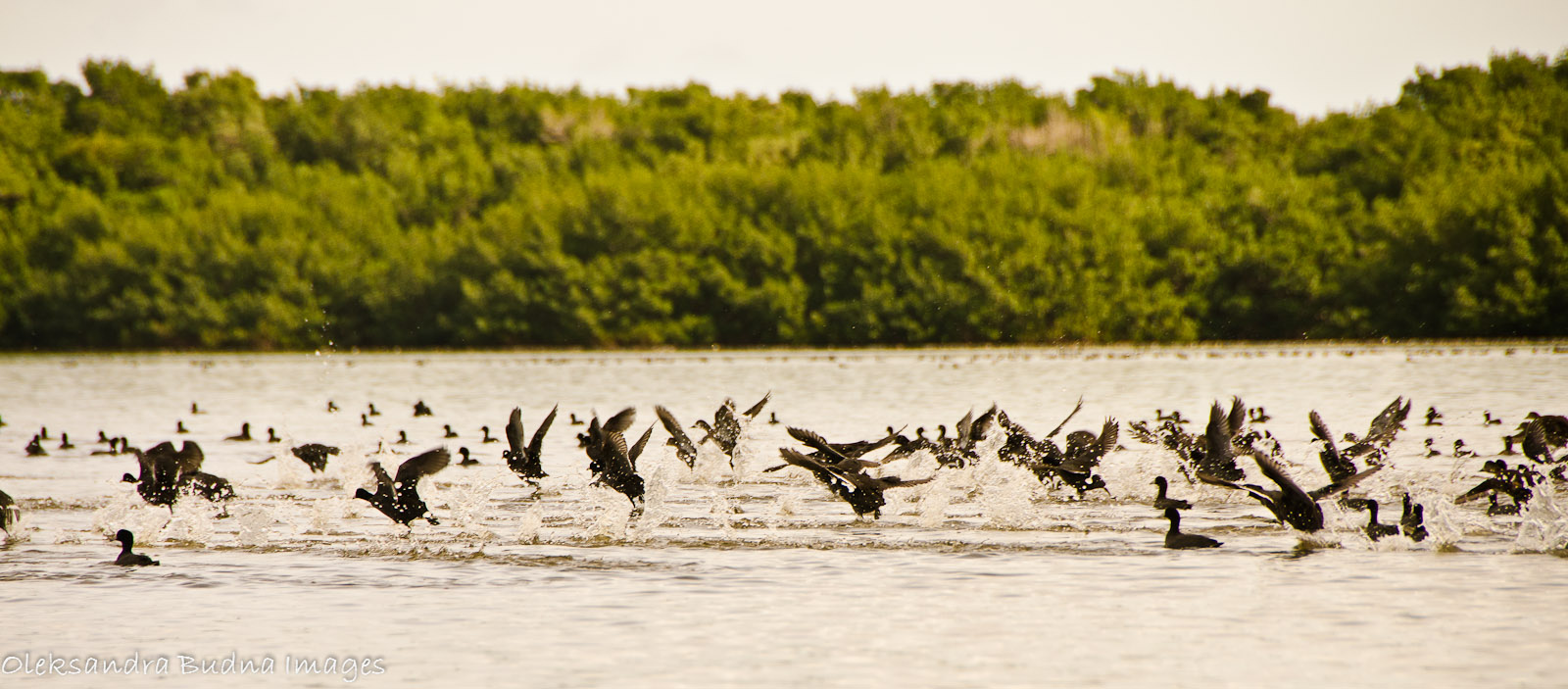
Another attraction at the Flamingo marina is a narrated boat cruise either into the backcountry or around the Florida Bay. We decided to skip it and get a full-day canoe rental instead (for the price of one boat ride ticket). For part of our expedition, we actually followed the boat and could hear the guide talk about the differences between crocodiles and alligators and different kinds of mangroves but then the boat sped away and we were left to explore on our own. Other than an occasional gator sunning on the bank and mangroves lining the shores, canoeing into the Everglades backcountry didn’t look or feel any different than canoeing in Canada.

canoeing in Everglades

ducks

alligator

canoeing through a mangrove

reading a book on the dock

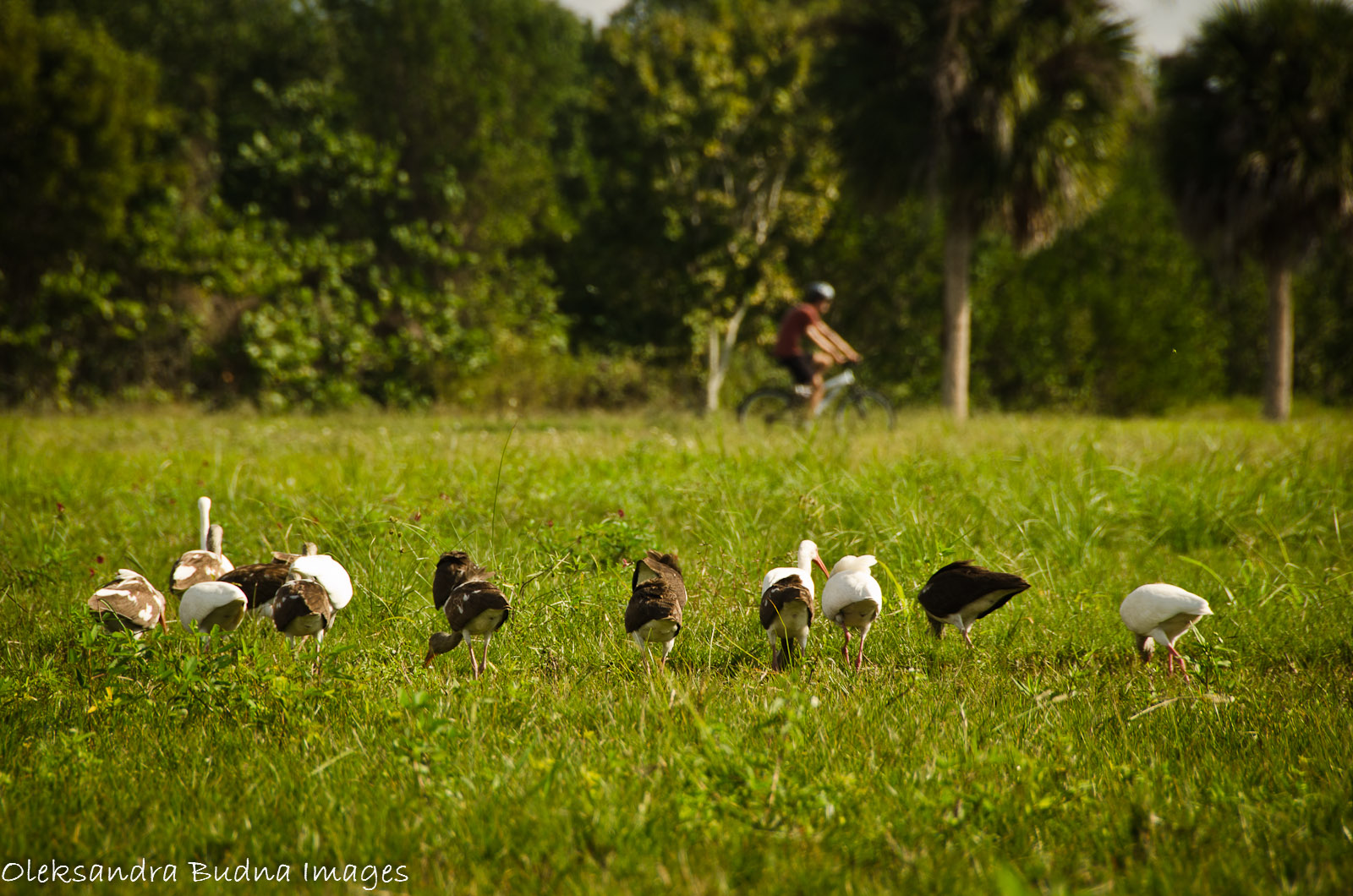
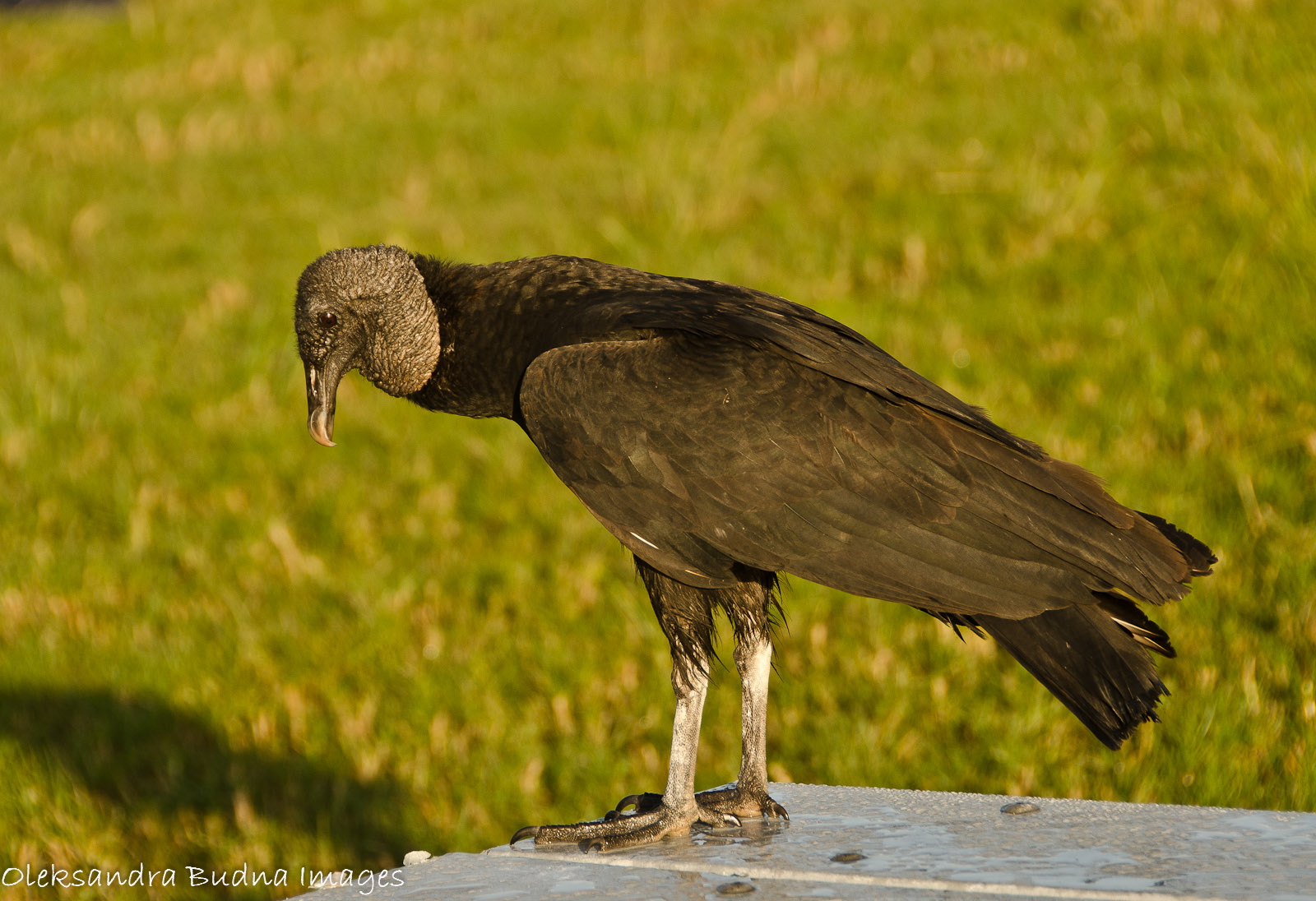
When we tell people that we camped at Everglades, the first thing they ask us about is alligators and sometimes pythons. Somehow everyone has this idea that the park is crawling with these reptiles. Well, here is good news: while alligators are abundant around marshes and lakes, they don’t come to the campsites. There are lots of birds in the campground and every morning we would wake up to a flock of ibises grazing nearby or a pack of vultures trying to get to our food. As for pythons, they are very hard to find even if you go looking for them (as we learned during a ranger-led talk) so there is no danger of them falling on you from a tree. Our son did have a lizard fall on him on one of our bike rides, but no pythons were in sight.

ibis

vulture

I still maintain that when it comes to ‘wildlife’ in Everglades, mosquitoes were the most menacing. I would like to say that it got better on day two but there were still as many of them. Plus they were joined by the so-called no-see-ums, tiny insects that you can’t see, as the name implies, but can definitely feel as soon as they bite. We were prepared though. By the time the sun set, we had finished our dinner, washed the dishes, packed all our food, put on pants and long-sleeve shirts, ready to retreat into the tent should it become unbearable. We even joked that we felt as if we were in a zombie/vampire movie waiting for the creature of the night to appear as soon as the last ray of sun fades away. Forced inside our tent so early in the evening, we played card games and Settlers of Catan listening to the buzzing outside. And early bedtime made us all into early risers, feeling rested and energized for the day ahead. We survived as do numerous people that go camping at Everglades every year (more than survived, actually, we really enjoyed it and are now considering doing some backcountry camping there), even though my husband did look like he had a severe case of measles by the time we were leaving.

I am happy to report, too, that in a few days the temperatures cooled down a bit in the evening and it even rained on New Year’s Eve reducing bug levels to bearable. We could spend our evenings outside and we were able to ring in the New Year by the campfire. Since we forgot to bring sparklers, our attempt to write 2015 with sticks and marshmallows failed miserably. It was a fun celebration nonetheless. We cooked an eclectic fusion of Japanese miso soup, Mexican guacamole and Italian gnocchi. Then, at twelve (or at least twelve according to our clock because not everyone seemed to agree on the time), we joined a growing chorus of Happy New Year across the campground.

campfire

Unfortunately, vacations always come to an end. On our way out, we made another stop at Robert Is Here market for the most delicious fruit shakes (that was our breakfast) and to stock up on more fruit. The fruit salad that I made on my lap in the moving car at the end of day one and the ugli fruit that we enjoyed somewhere around Pittsburgh felt like an extension of the holidays.

selfie in the water

Our Road Trip to Florida: Part II – Florida Keys

After a long drive from Tampa and a stop for groceries, we finally crossed the bridge to the Keys just as the sun was about to set down. We stopped for dinner at the aptly named Sundowners restaurant in Key Largo. More yummy seafood plus beautiful views.

view from Sundowners restaurant in Key Largo

Camping at Sugarloaf Key

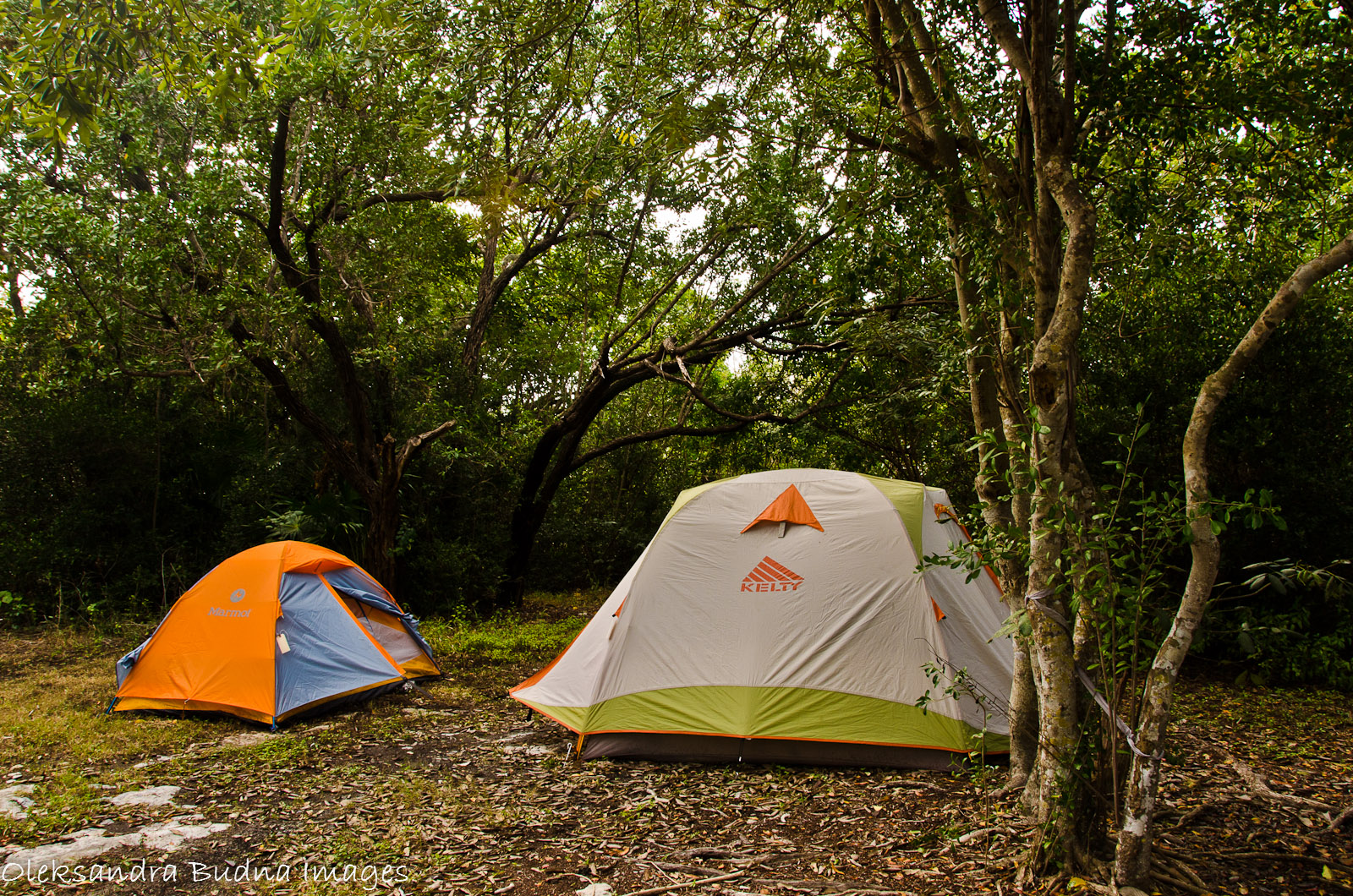
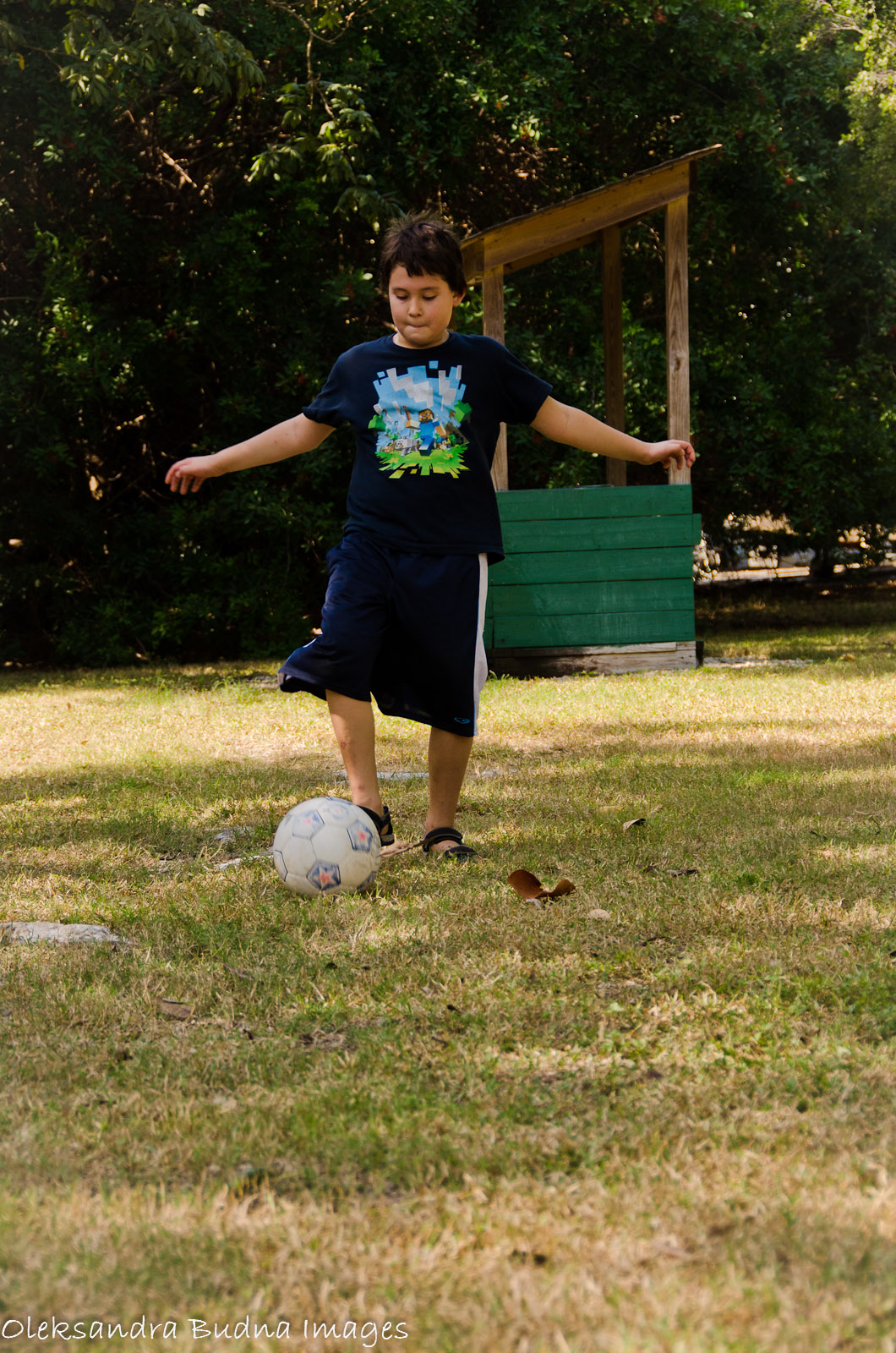
Our destination was a KOA campground down at the Sugarloaf Key. My original plan was to book a site at Bahia Honda or any other state park in Florida Keys. Unfortunately, since campsite reservations for Florida parks open eleven months in advance, there were no campsites left by the time we started planning our trip. After some research, I found a KOA campground not far from Key West. During our road trips, we often book cabins at various KOAs for one- or two-night stops. It is less expensive than a hotel room and doesn’t interfere with the whole camping vibe of the trips. We weren’t sure about tenting, though, since the tent sites we’d seen at different KOAs varied significantly – from decent-size wooded lots to small pebble-covered patches tucked in between RVs. The site we got at this KOA exceeded our expectations by a lot: it was further away from the RVs, and had lots of shade and space (enough space to even play soccer). We then discovered that there were other tent areas, with the green one (where we stayed) and the yellow one being the best. All the others were across from the RV area, which looked more like a parking lot than a campground and made me claustrophobic every time I had to walk through it.

two tents at the Sugarloaf KOA campground

playing soccer at Sugarloaf KOA  playing soccer at Sugarloaf KOA

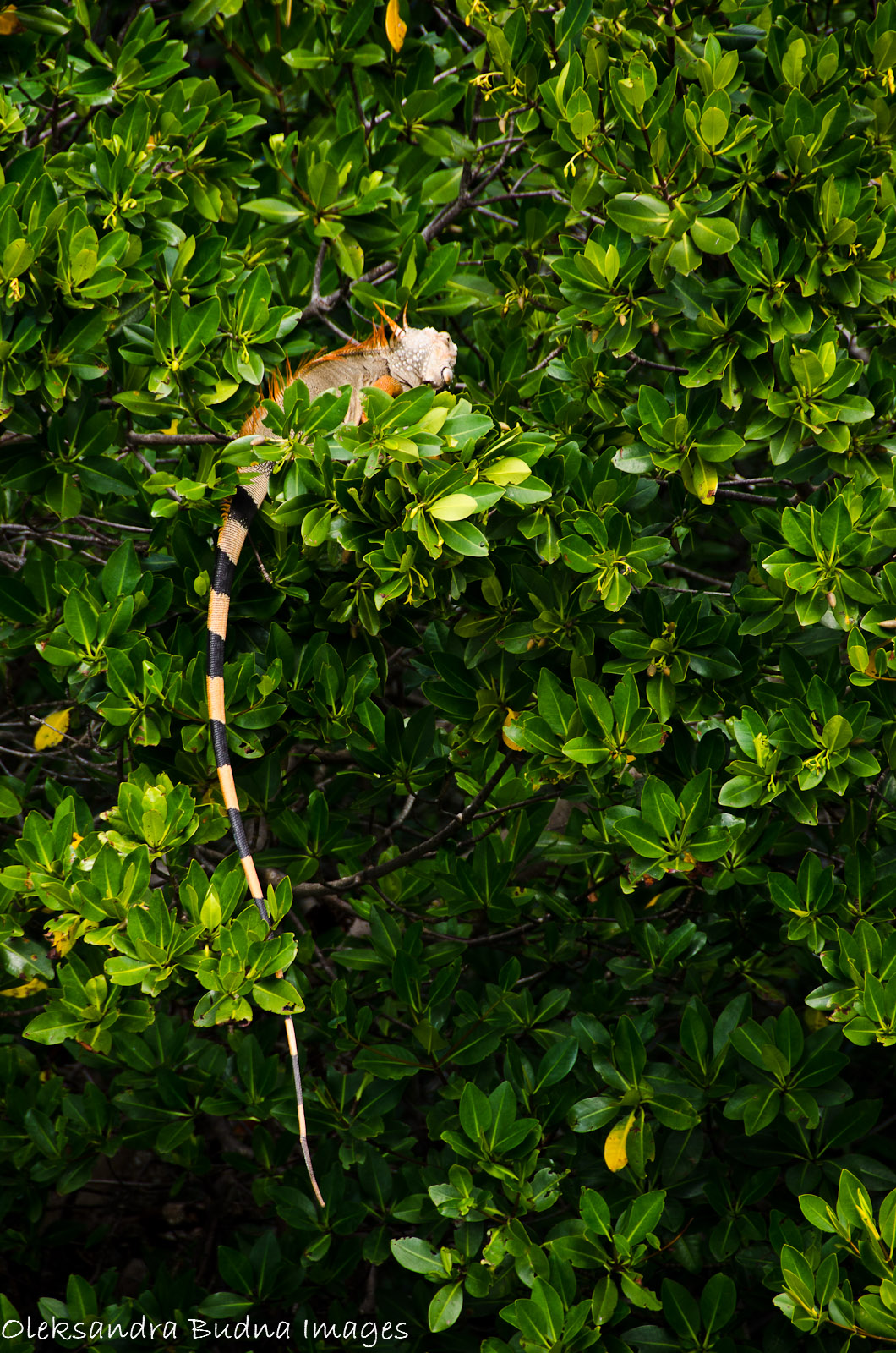
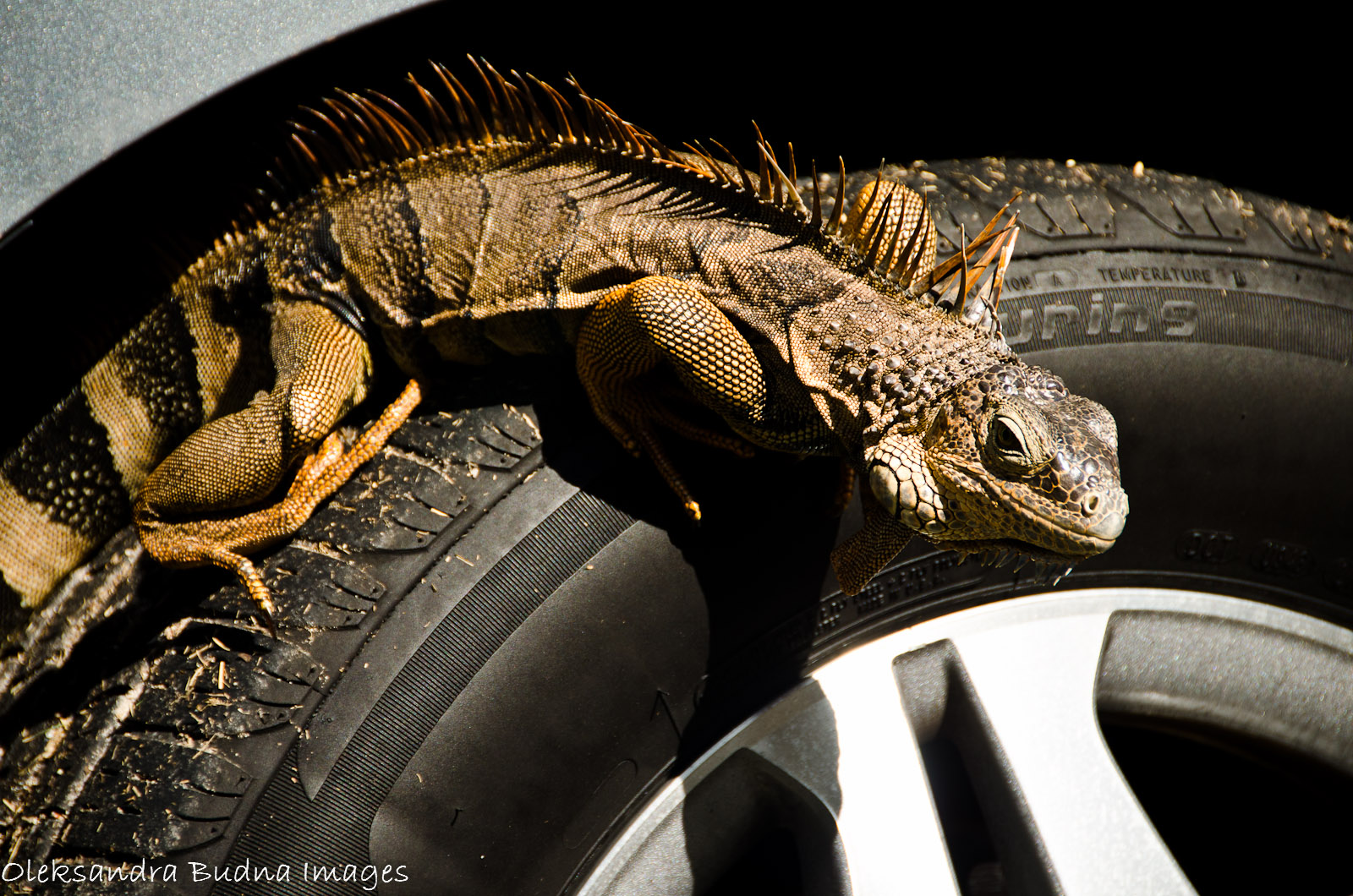
The campground as a whole was far from the wilderness camping experience we are used to and reminded more of a resort with its own bar, café, tiki huts and inflated bouncing and climbing structures in the beach area. It had some nice features, though, like kayak, canoe and boat rentals, and was a good base for exploring the Keys and visiting Key West (plus we had lots of wilderness waiting for us over at Everglades). We stayed there for three days going on bike rides, kayaking, soaking up the sun and watching pelicans and iguanas. Pelicans were abundant, especially around the fish cleaning station waiting for occasional fish remains or lining up on the fishing bridge seemingly oblivious of the people right next to them. Dozens of iguanas were sunning in the mangroves, their striped tails hanging among the branches. It was a fun game to see who could find the most of those masters of disguise. Sometimes, they would scatter around the campsite or play hide-and-seek around the car. (For more pictures of pelicans and iguanas, go to my Random|Pix blog.)

biking

fishing bridge

pelicans  pelican in a tree

iguana in a tree   iguana in a tree

iguana on a car tire   iguana on a car tire

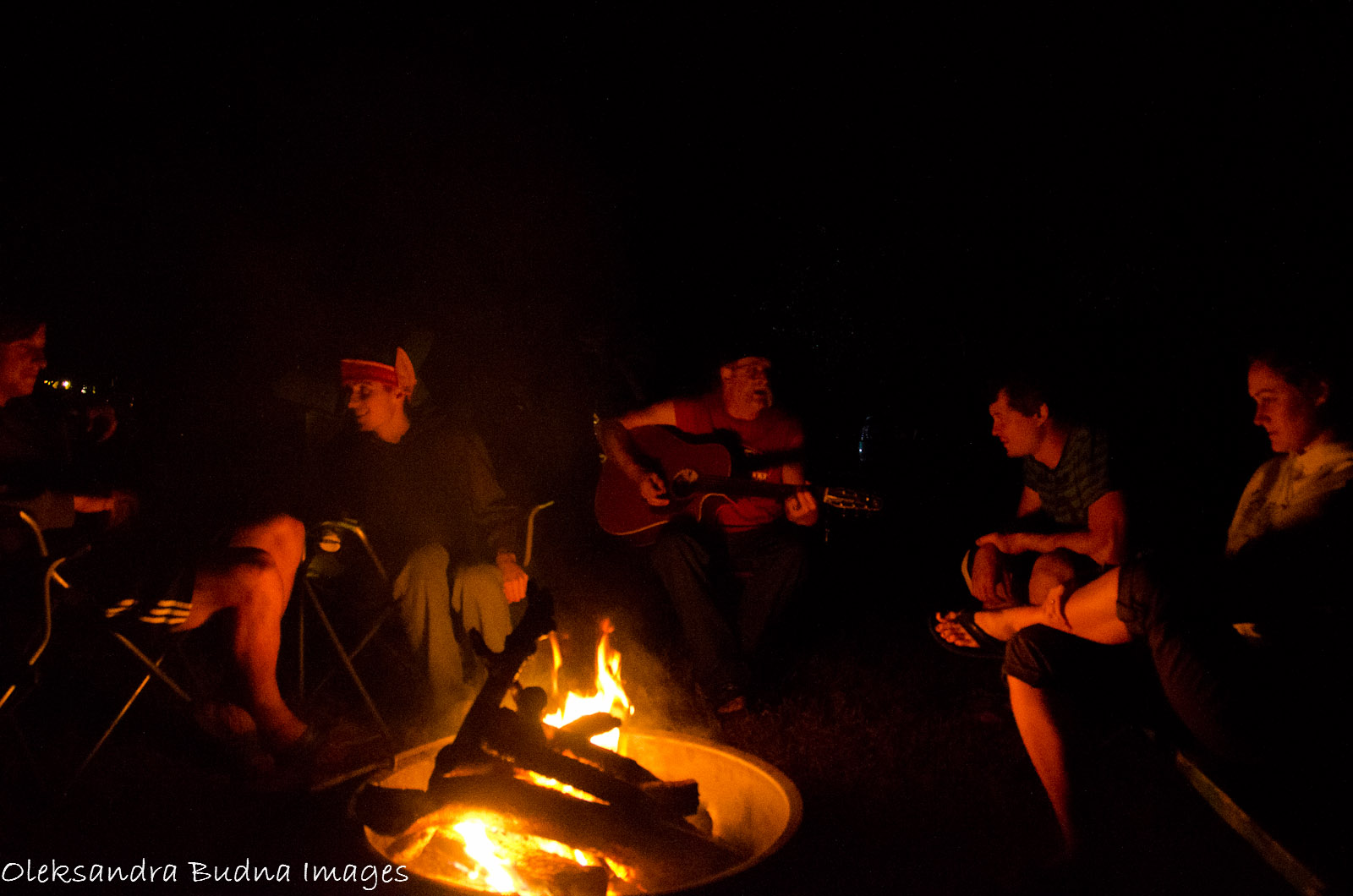
The best part of the trip, of course, was getting to spend time with my family, my brother and his wife. In the evening, we would have long conversations around the fire or listen to our friendly neighbour Roger play his guitar.

around the campfire

Key West

We dedicated one day to exploring Key West since it was only 20 miles away from the campground. Instead of driving there, we decided to take public transit. There is a bus running all the way through the Lower Keys and it only costs $4 for adults and $2 for kids. Biking would be another green transportation option since there is a bike lane along most of Highway 1 that runs from Key Largo to Key West. The bus does take some time, though, since it makes frequent stops and circles a bit around Stock island and Key West but then you don’t have to worry about finding parking, not an easy task in a town as busy as Key West.

key west

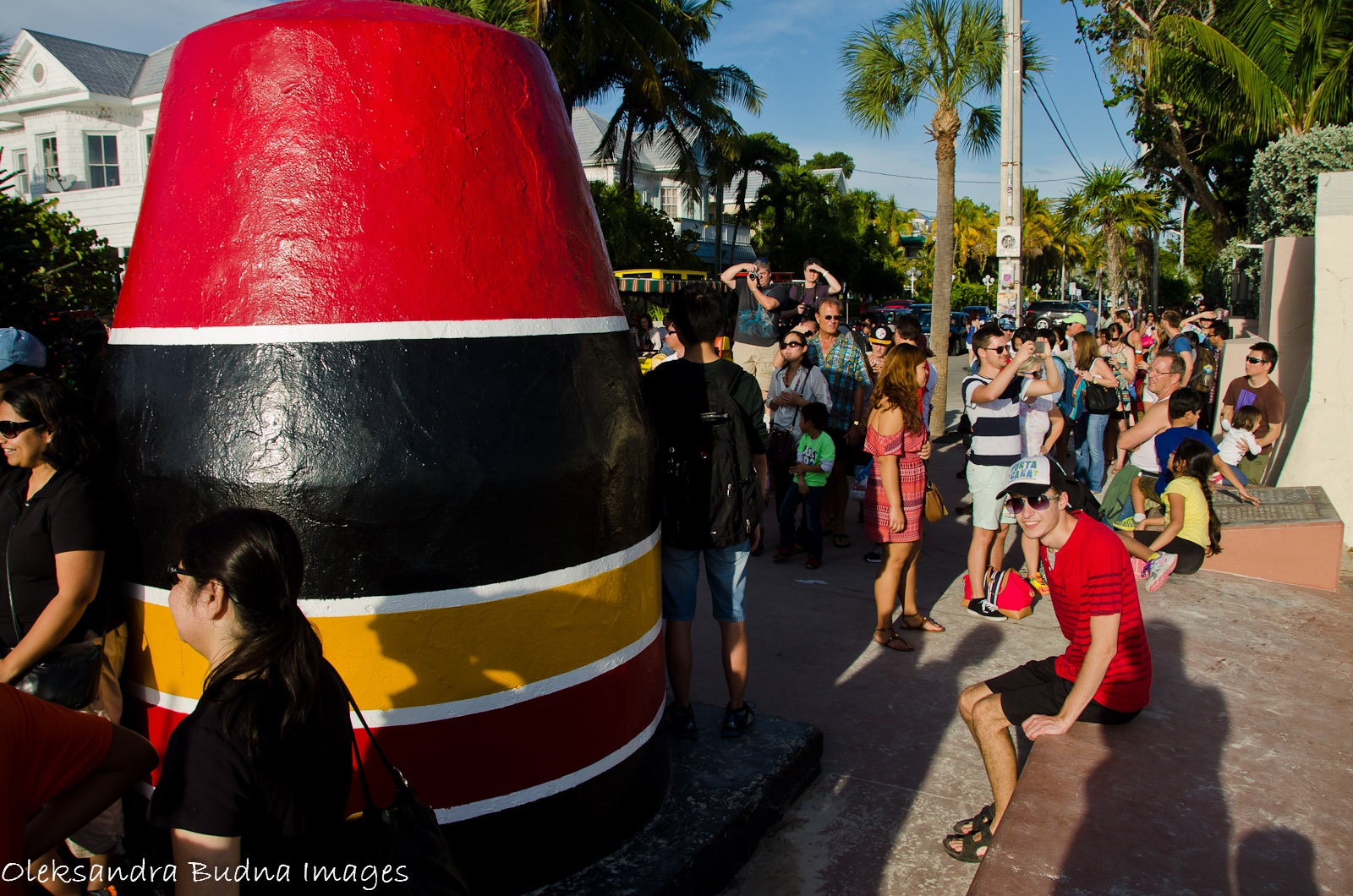
Key West is a pretty, lively town at the very south of Florida Keys so almost everything has ‘Sounthernmost’ in its name, like “Southermost Hotel’ or ‘Southernmost Beach.’ The southernmost point in continental USA actually features a huge buoy with the ’90 miles to Cuba’ marker, a very popular destination with a huge lineup of people wishing to take a picture in front of it. I guess this fascination can be explained by the fact that for now Americans can’t get any closer to Cuba. ’90 miles to Cuba’ is another popular sign you’ll see around the city.

90 miles to Cuba

two boys near the sea  sea

southernmost beach

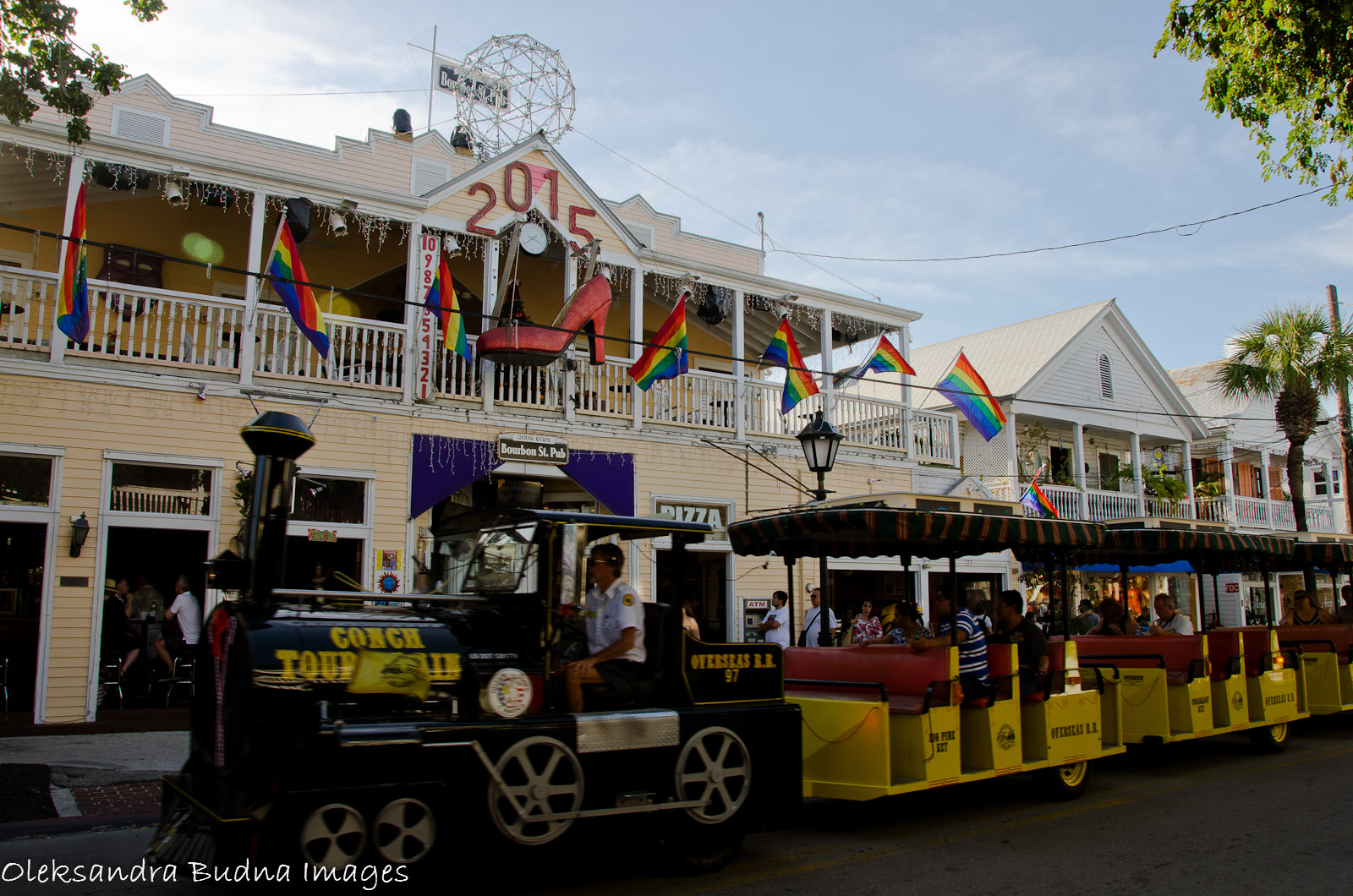
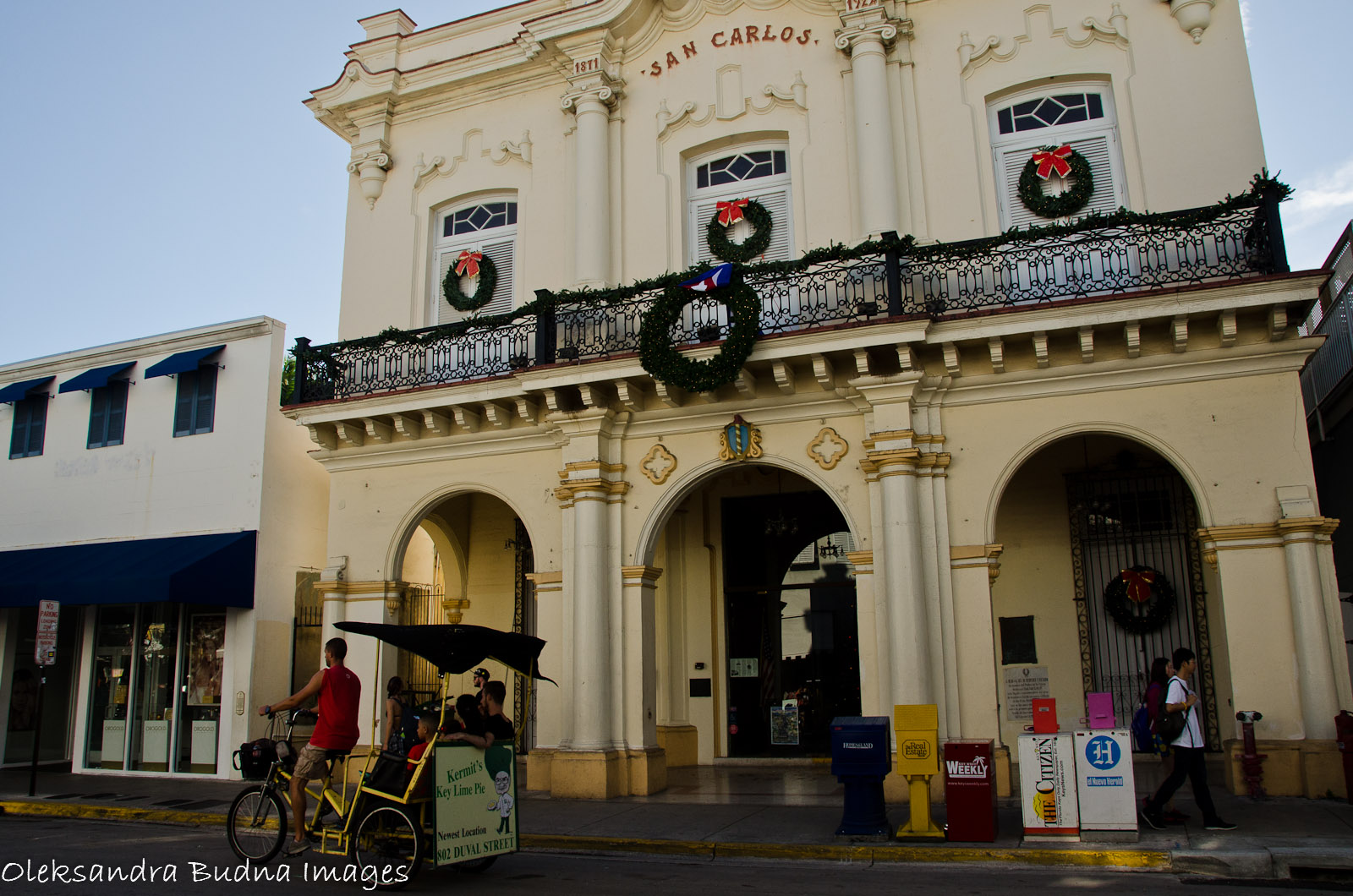
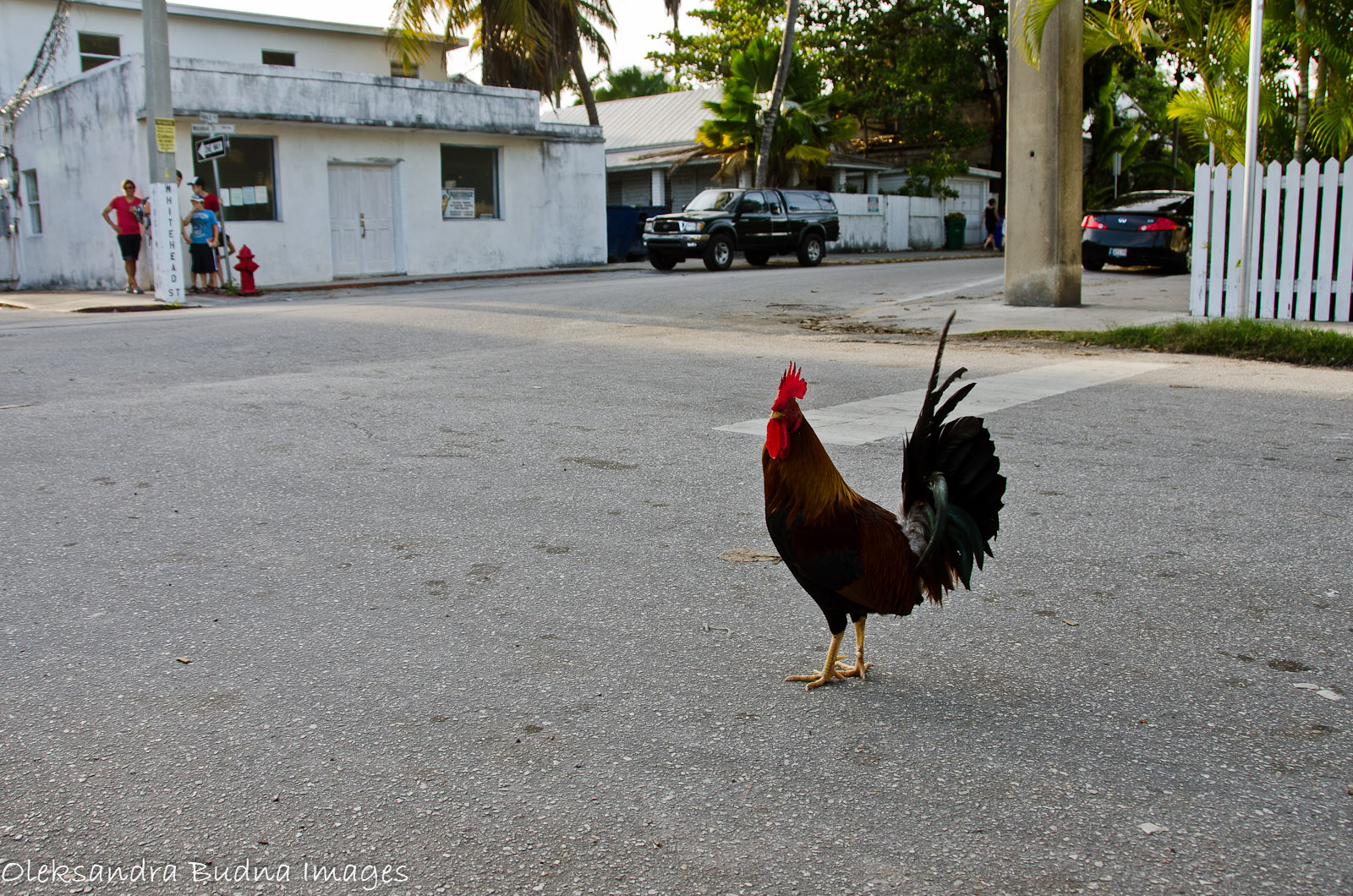
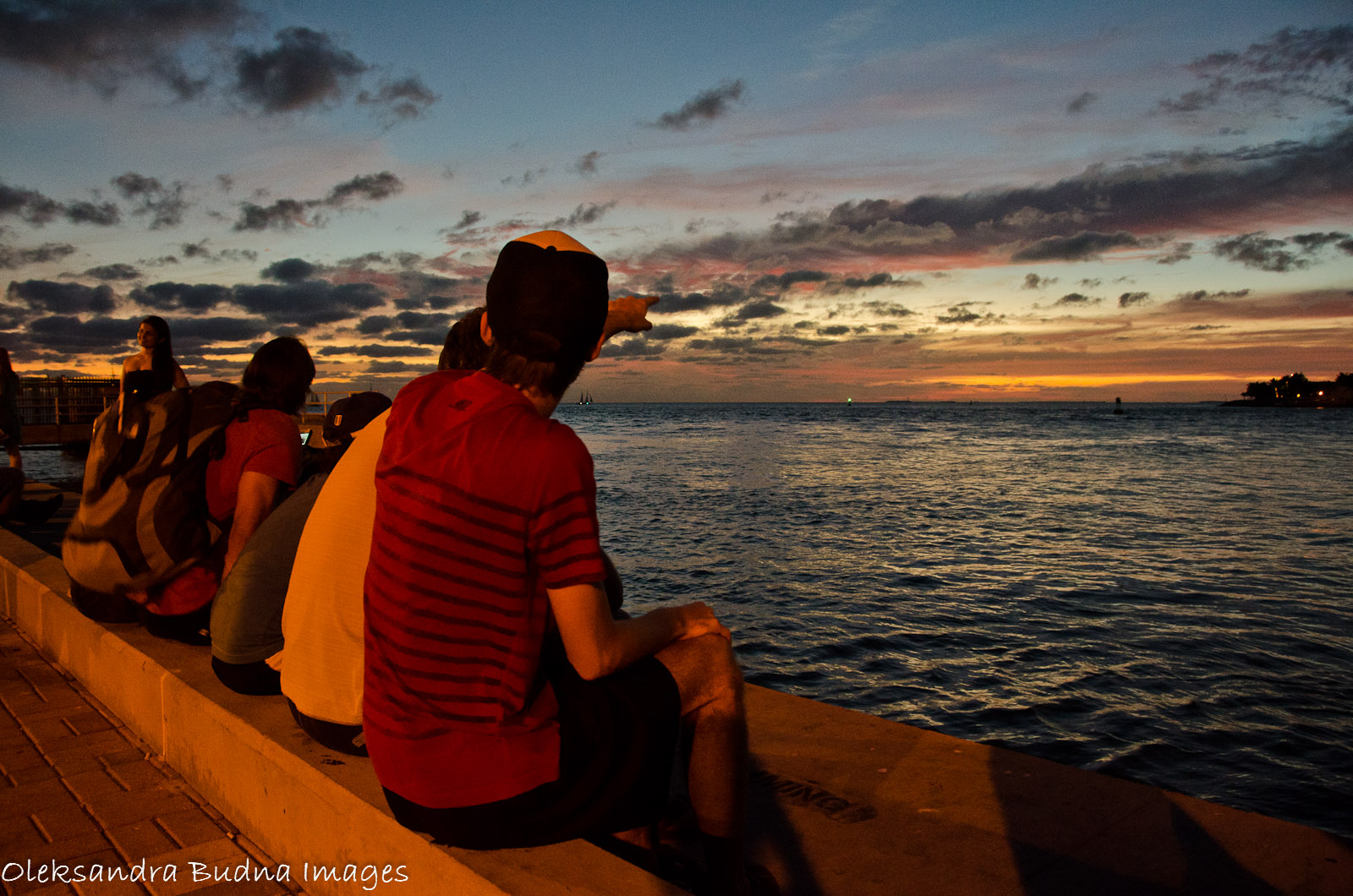
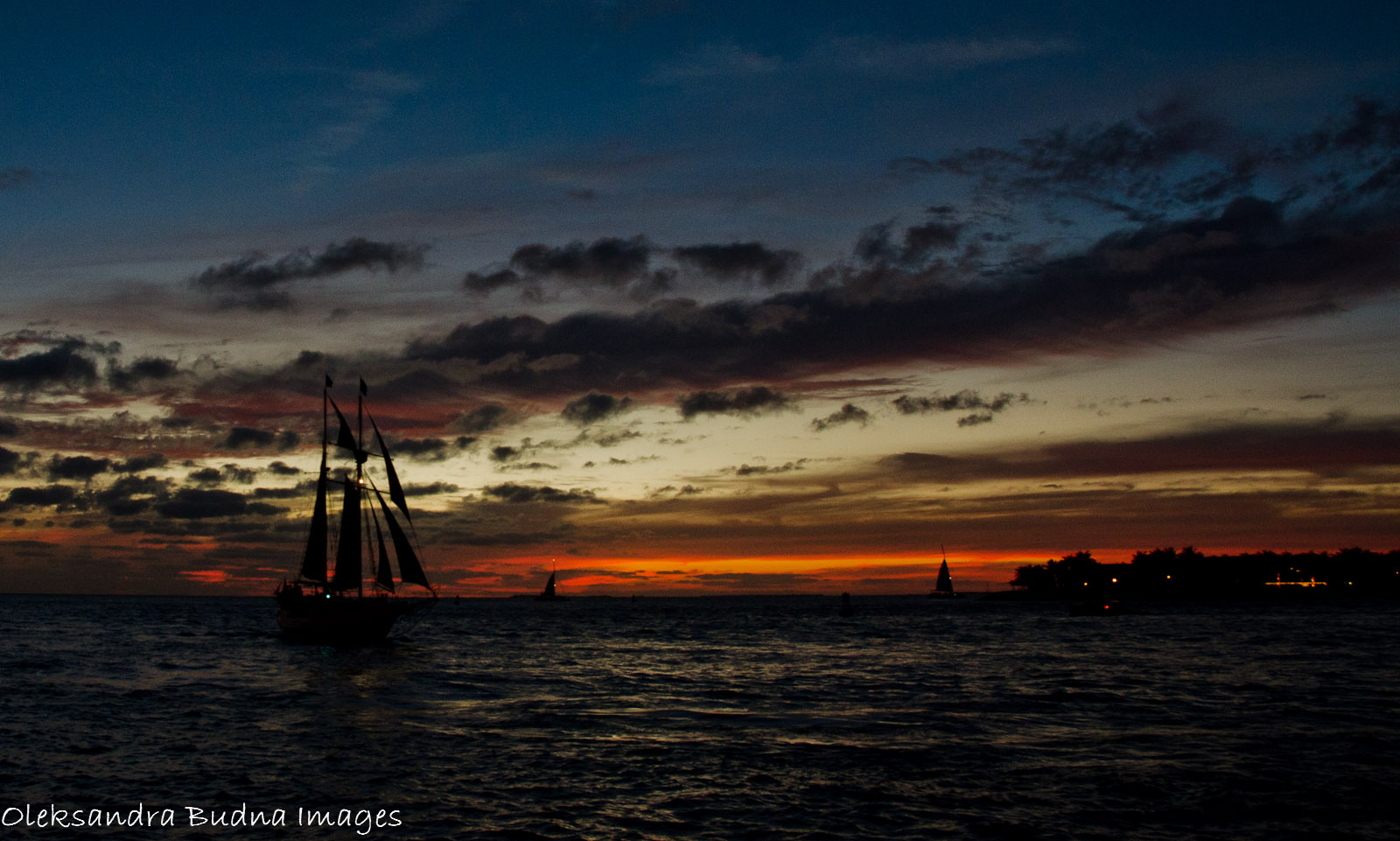
Key West, just like the rest of the Keys, has a bit of a Caribbean vibe. Beautiful houses, tropical plants, roosters wandering in the streets, lots of restaurants and cafes, delicious seafood (again), yummy ice-cream and famous Key Lime pie, music and dancing everywhere. And, of course, the sunset celebration at Mallory Square with flaming skies and street performers.

key west

rooster in key west

ice cream shop  restaurant

dancing

sunset at Mallory square

sunset

street performer at Mallory square

We had great time exploring the city and taking silly pictures, like looking over the fence of Hemingway’s House or pretending to be taking a selfie with a statue at the Museum of Art and History.

hemingway's house in key west

mallory square in key west

key west   selfie

For more pictures of Key West, check out my Random|Pix blog.

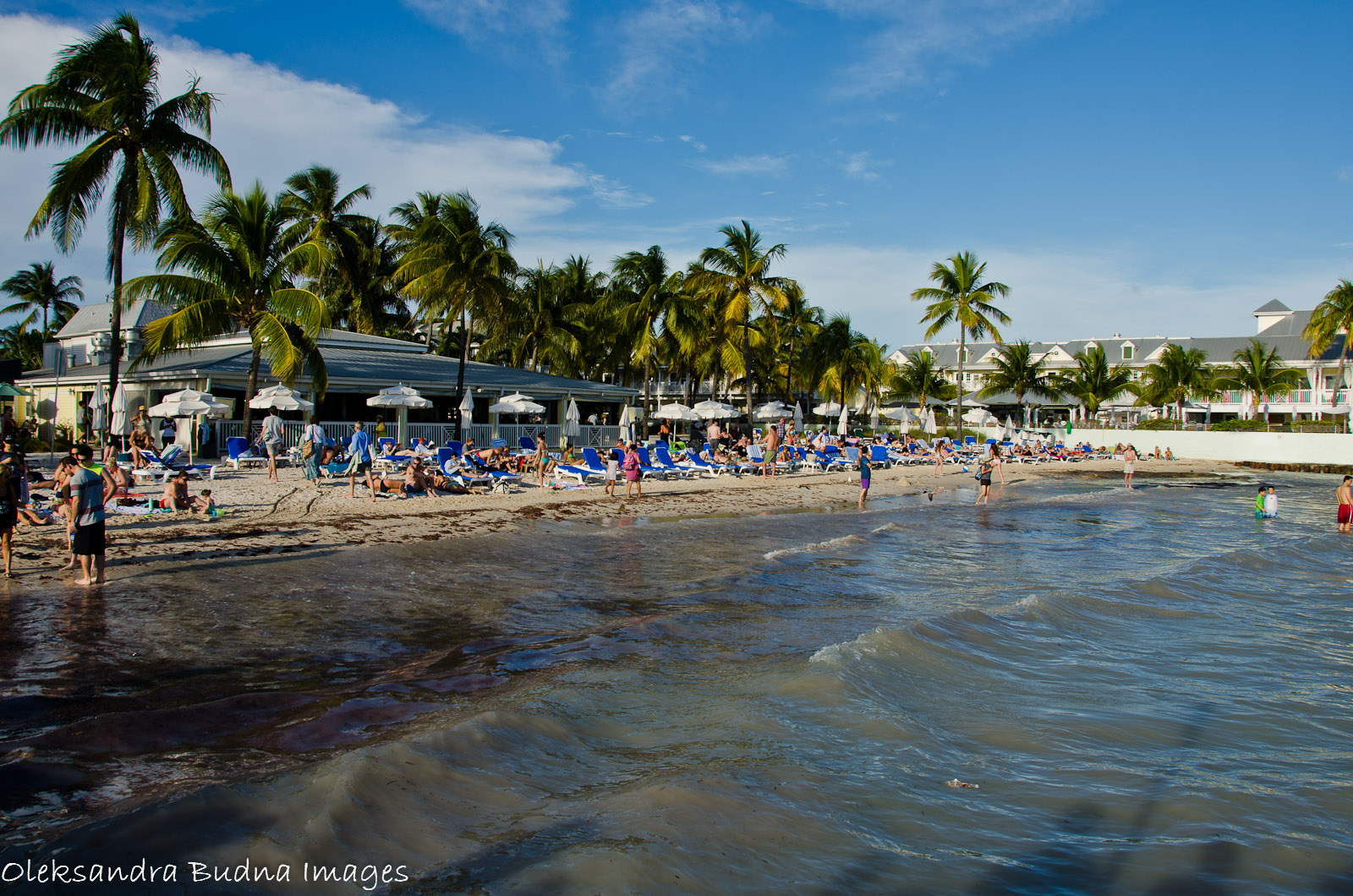
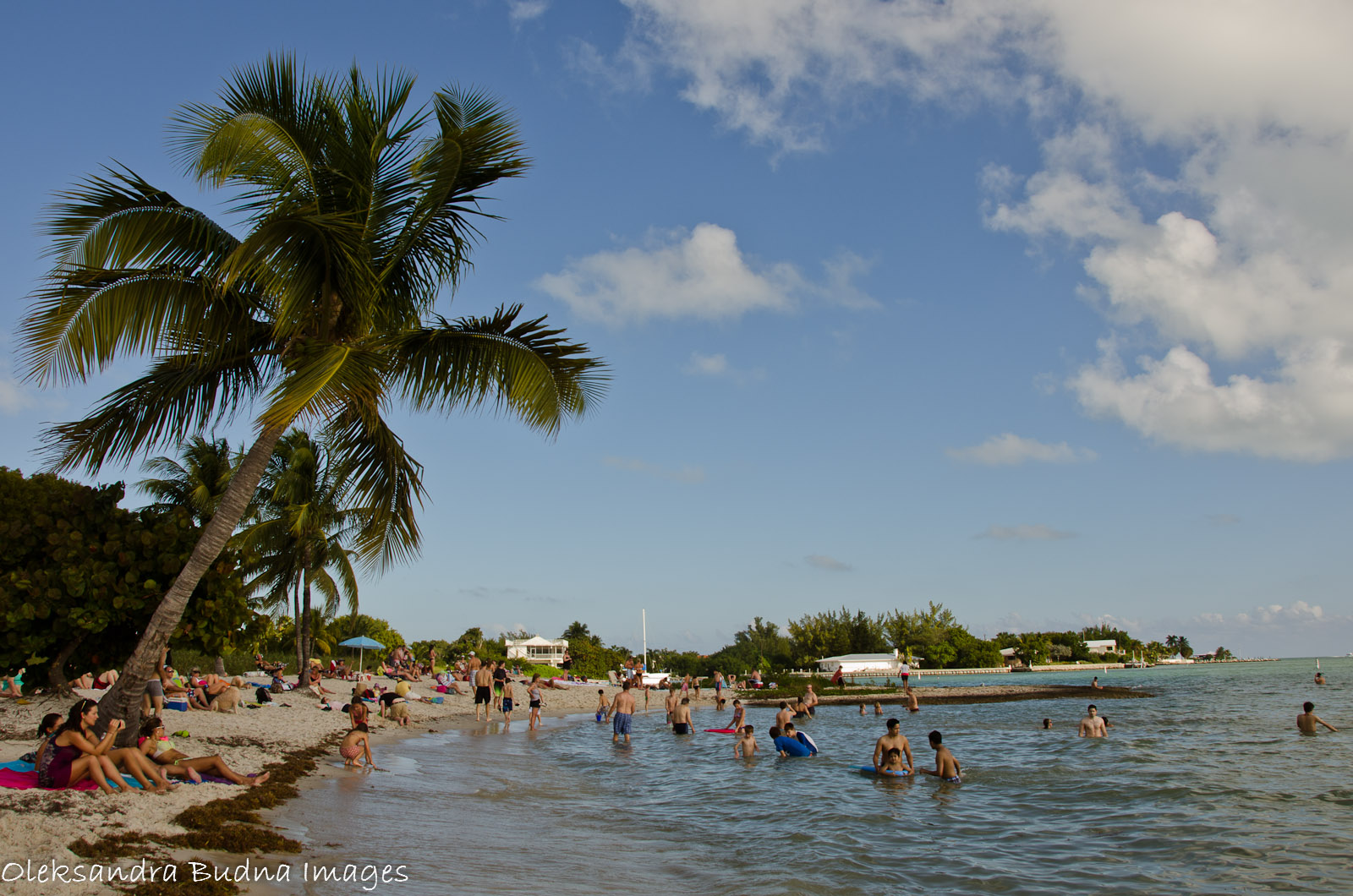
Before long, it was time to leave Florida Keys. As always, it felt that there was so much we hadn’t done. We had plans to stop at Bahia Honda Park on the way back since it has the best beach in all of the Keys. Unfortunately, the day use area was packed so we had to readjust our plans. We ended up at Sombrero Beach, a lovely public park in Marathon. It felt surreal to be swimming in the ocean at the end of December and the water was the warmest we’d experienced in 2014 (yes, much warmer than the lakes in Canada were this past summer). After a few hours on the beach and a grocery shopping trip, we headed for Everglades, with a beautiful Florida sunset in our rear-view mirror.

sombrero beach in marathon

sombrero beach in marathon  reading

seven mile bridge  seven mile bridge

sunset

Off to Everglades…

Our Road Trip to Florida: Part I – On the Road

We like long road trips. Every summer we hit the road to explore parks around Canada and the United States. This summer, though, we weren’t able to take time off so we decided to make up for it with a winter camping trip to Florida.

On the road

The drive from Toronto down to Florida usually takes about two days (depending how far south you want to go) but it’s a fun trip in the winter. As the temperatures outside go up, the amount of clothing you have to wear goes down. You shed coats, sweaters and boots like trees shedding leaves in the fall and after two days emerge on the other side of the weather spectrum: hot, humid and sunny.

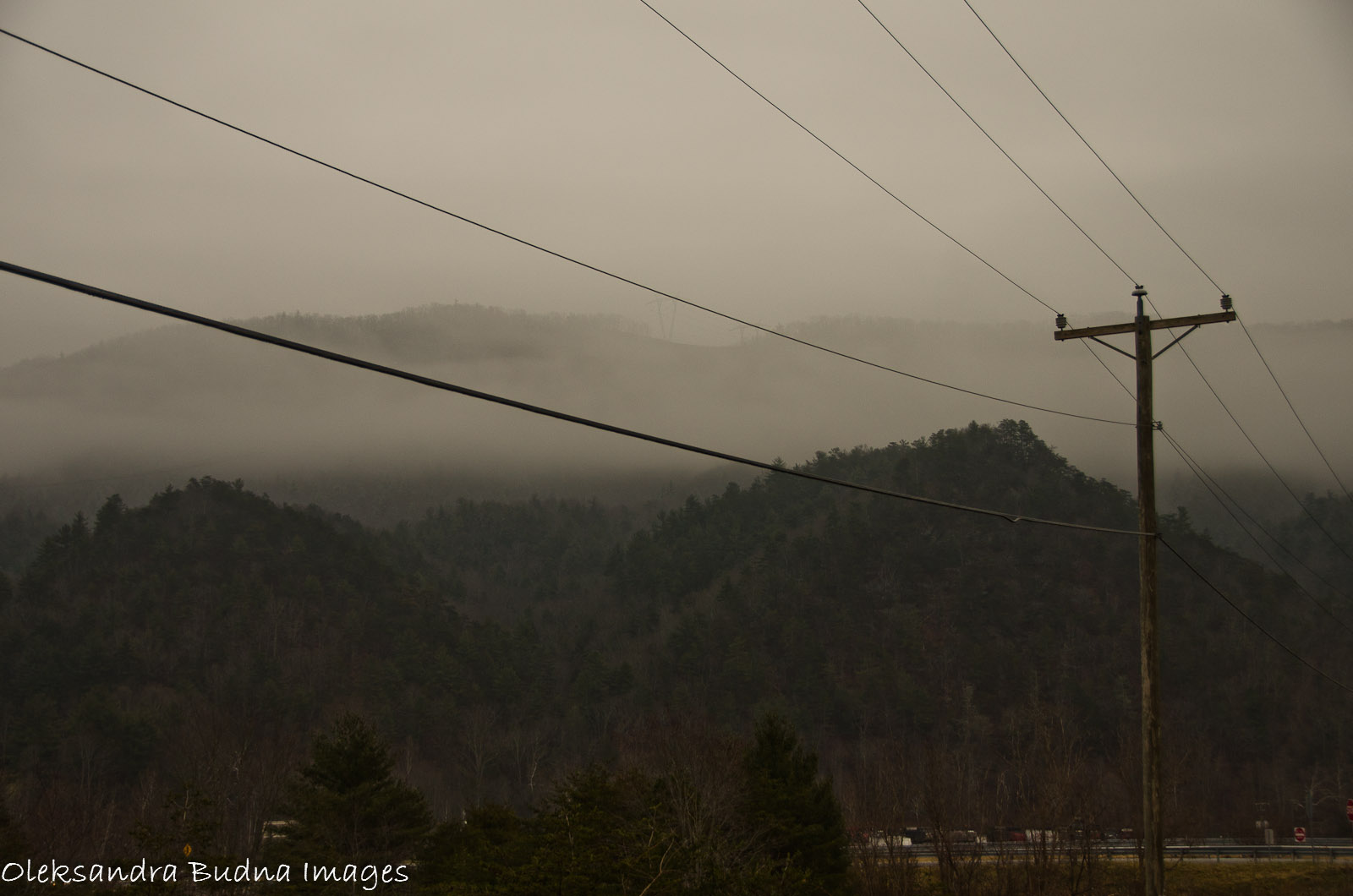
Our trip was pleasantly uneventful. Even border crossing was surprisingly quick. We really enjoyed driving through both Virginias: beautiful mountain vistas with clouds grazing the tops. I was trying to imagine those peaks dressed up in summer greens and already planning a trip there once it gets warmer.

Virginia

virginia

Savannah

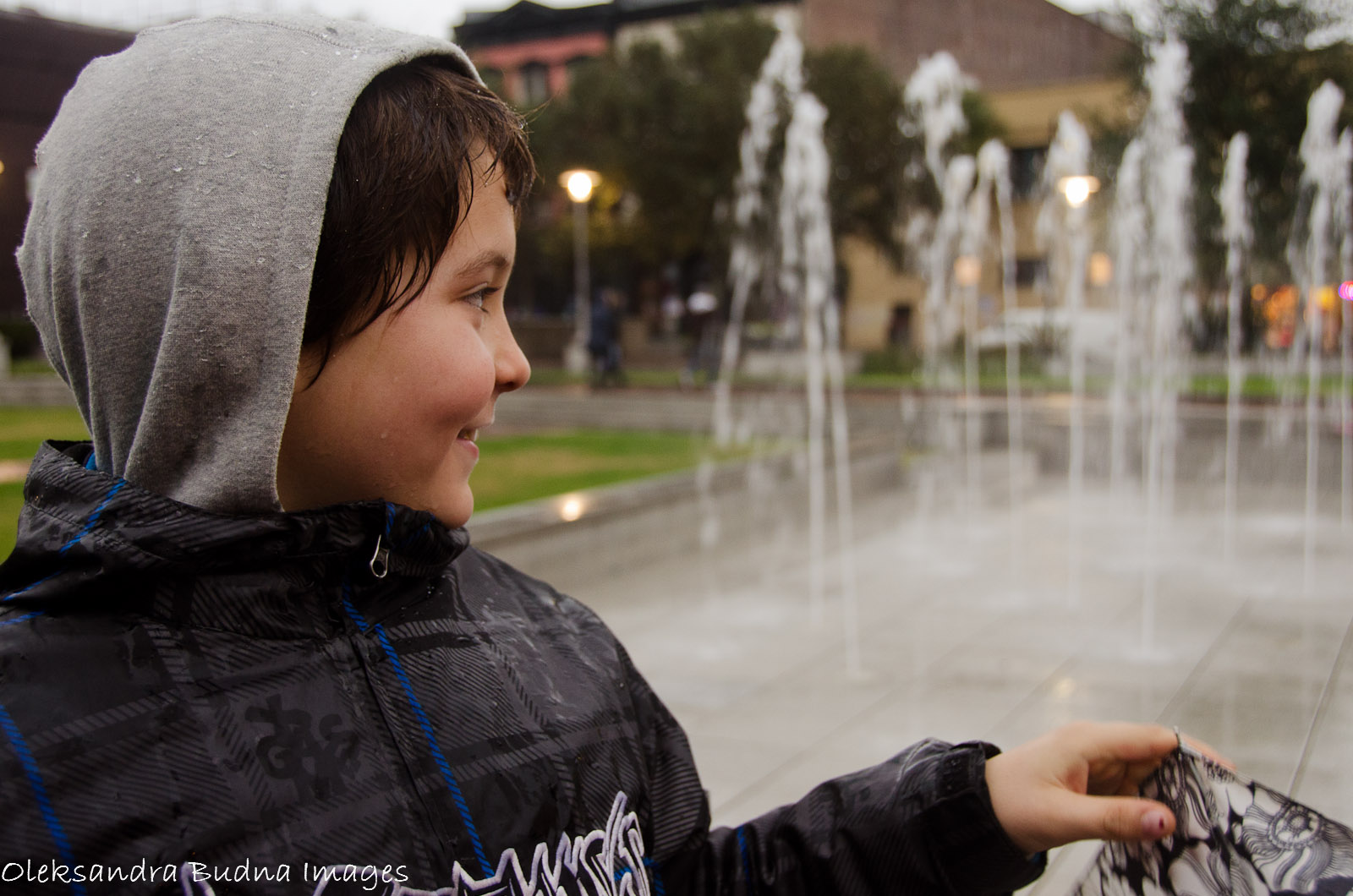
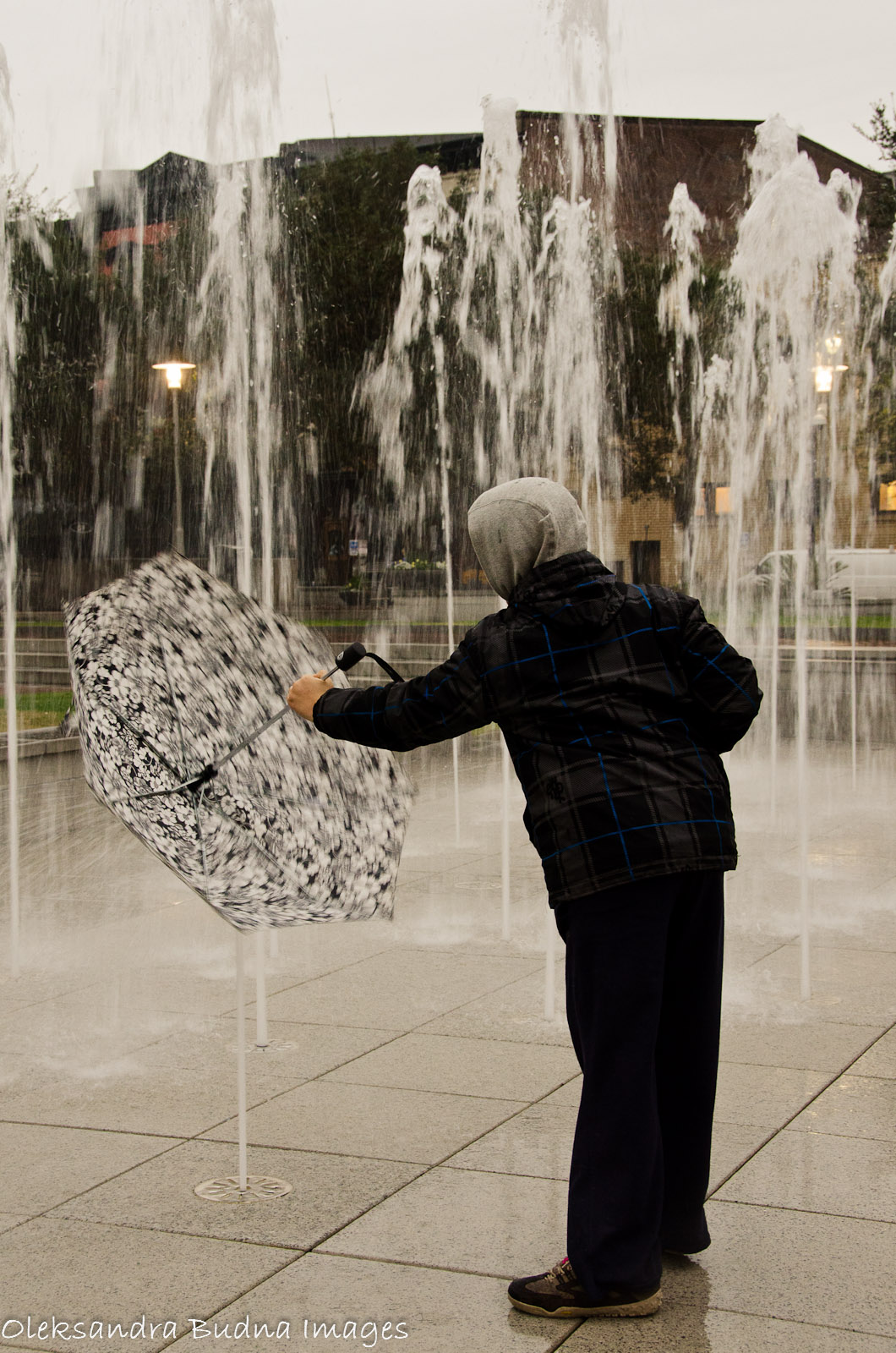
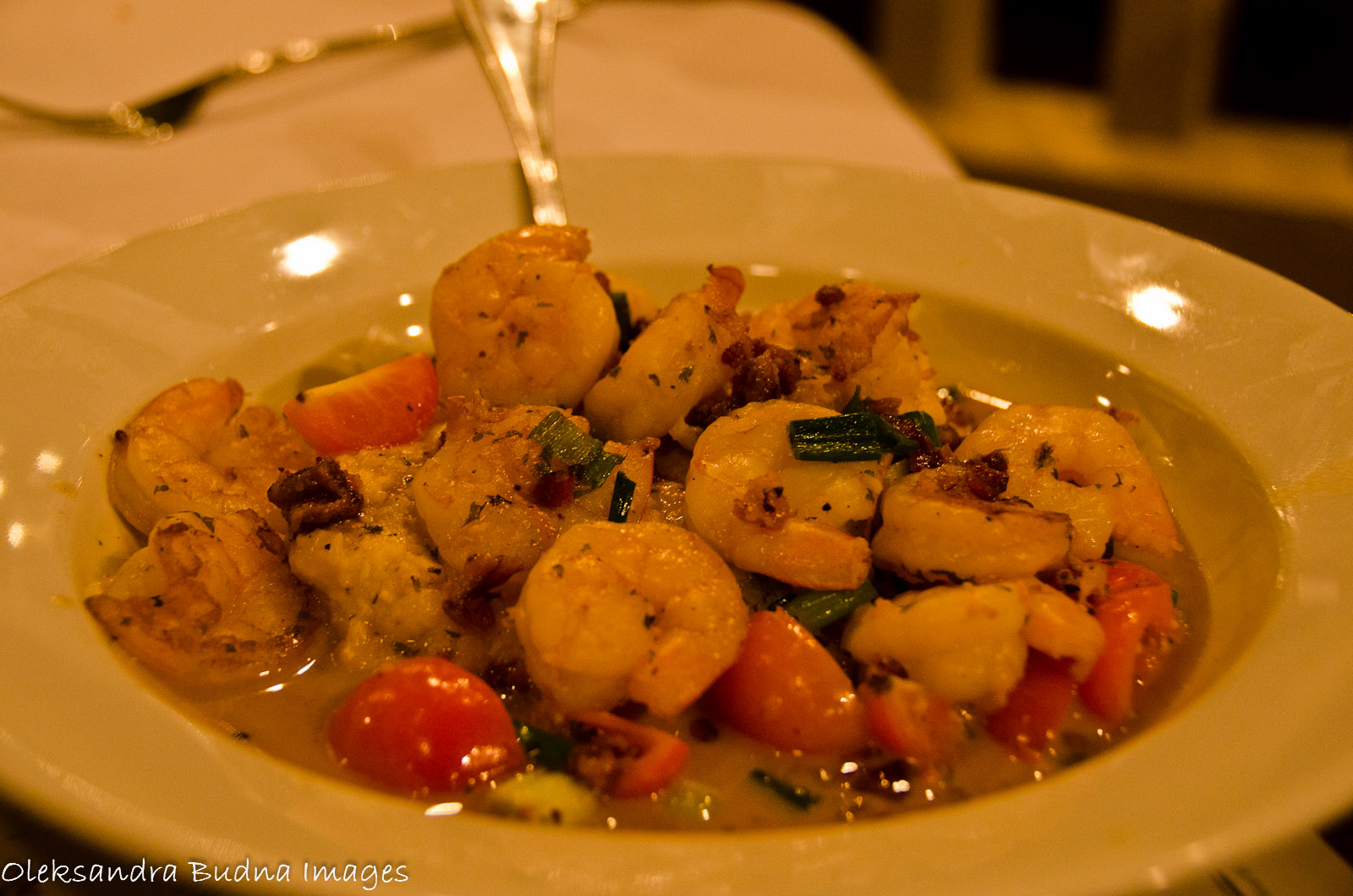
We decided to break up our drive a bit and make a stop at Savannah. Ever since reading and watching “Midnight in the Garden of Good and Evil” I wanted to visit the city– it seemed so mysterious and charming. It didn’t disappoint and delivered every ounce of promised charm and mystery. Unfortunately, it also delivered copious amounts of rain. Light drizzle on the first day added to the charm and we had fun taking pictures with an umbrella. However, the drizzle turned into a downpour on day two, plus our younger son decided it was a good time to come down with a fever so we had to cut our explorations short. We did manage to see some of the old city and enjoy a delicious dinner at the Shrimp Factory down on River Street.

Forsyth Park, Savannah

Savannah Riverfront

With Marilyn Monroe at City Market

kid near a fountain  playing in the fountain

Shrimp and grits  Shrimp and crab

For more pictures of Savannah, check out my Random|Pix blog.

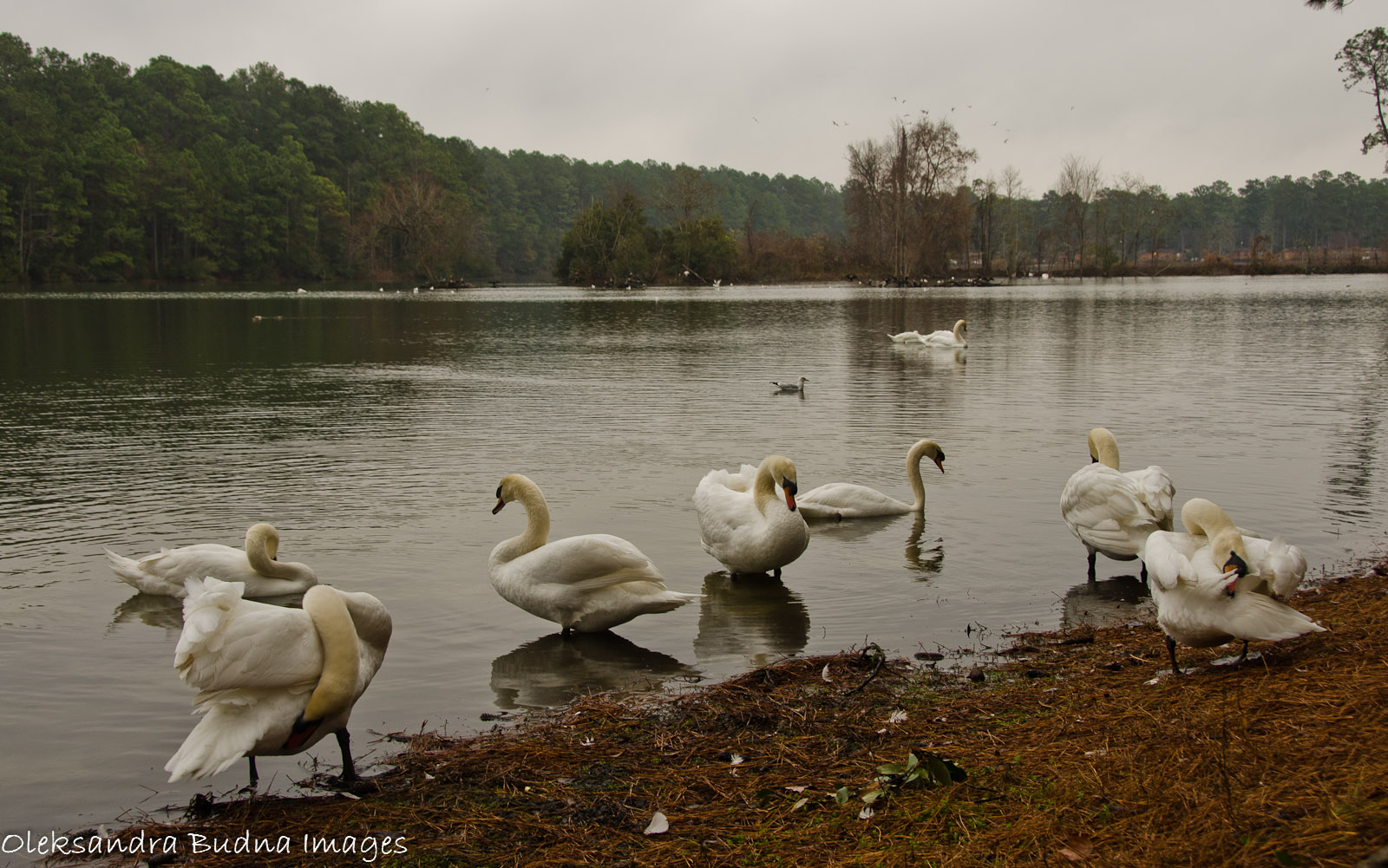
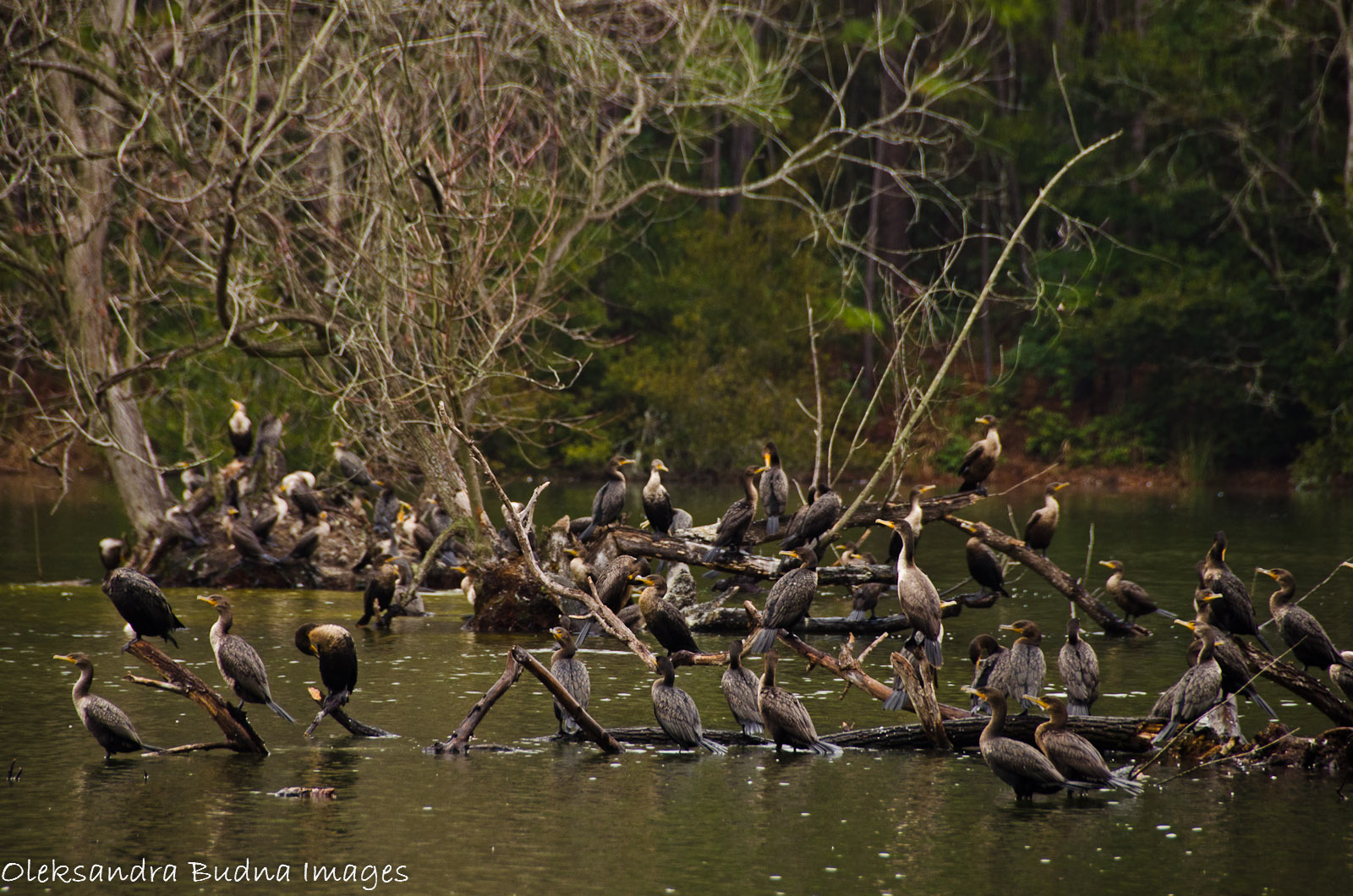
Another highlight of the trip was our cabin at the KOA campground. We arrived late at night and at a first glance it seemed no different from any other KOA we’d stayed at before. Then we noticed big white spots all over the lake by our cabin. In the morning, it turned out they were swans. The birds were everywhere – gliding, flying, cleaning their feathers and quite often fighting. There were also ducks, cormorants, Canada geese and wood storks. Quite a site to wake up to in the morning.

Savannah

swans and canada goose

cormorants

I posted more pictures of swans on my Random|Pix blog.

Tampa

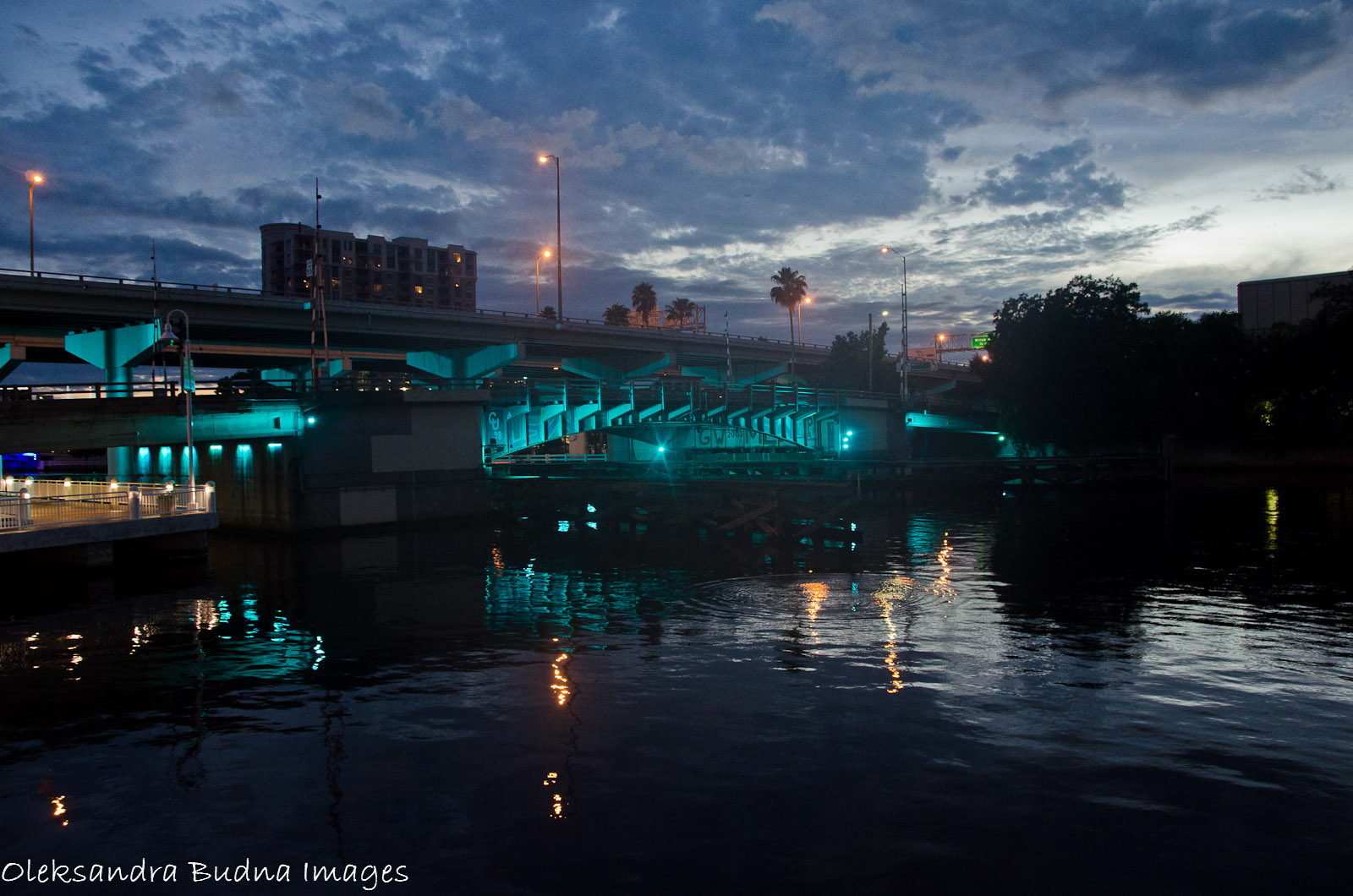
When we left Savannah, we headed south to Tampa, Florida, to visit my brother. Since our son was still sick and needed time to rest, we didn’t see much of the city. All we could squeeze in was a short walk along the waterfront and more delicious seafood. Oh, and an epic game of Settlers of Catan. The combination of rest, sun and family fun did the trick and our son was back to normal the next day. So we set out for the Keys.

tampa waterfront at night

waterfront in Tampa

ship detail     ship detail

what's that

Check back for more…

The Best of 2014

With 2014 almost done, I went through my photos and put together my top 10 camping moments of the year. It was a bit hard to rank them since it was such a great year for camping but I am pretty confident about my number 1 picks (yes, there are two of them).

2014 written with glowing sticks

10. Thanksgiving Weekend at Grundy Lake Provincial Park

Lots to be thankful for: Gorgeous fall colours, picturesque trails, great friends, roaring campfires in the evening and a hearty thanksgiving meal. What else can you wish for on a beautiful fall day?

GrundyLake-90

fall leaf bruning in the fire

9. Early flowers and happy moose at Algonquin

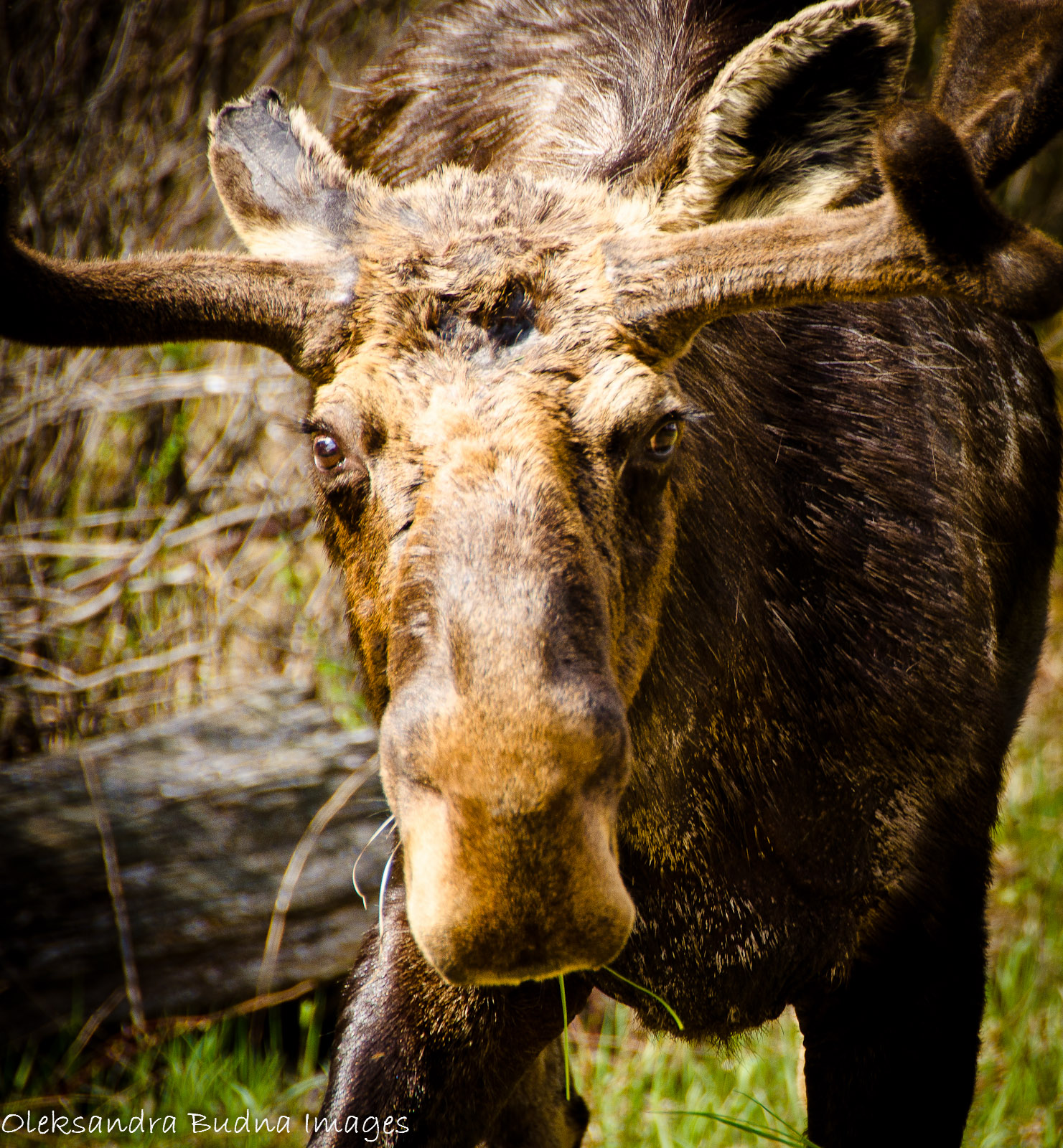
Victoria Day weekend was a bit chilly this year (temperatures were around freezing most nights). It didn’t stop us from enjoying dainty spring flowers and a great bike ride from Mew Lake to Rock Lake. We even came across a very happy-looking moose on our way back.

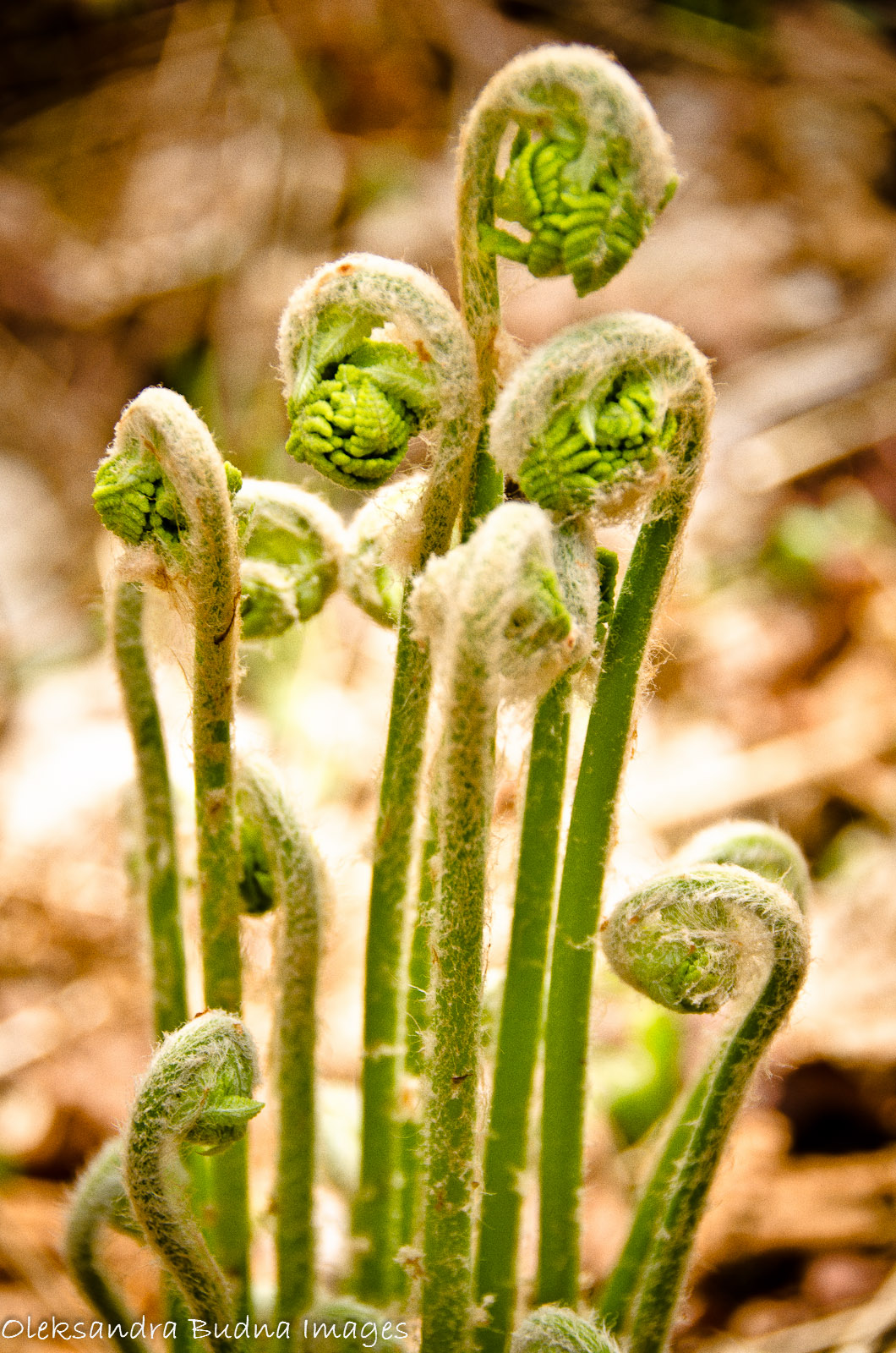
red trillium  fiddleheads

algonquin-29

happy moose in Algonquin  moose

8. Easter at MacGregor Point Provincial Park

Since Easter is all about nature awakening and rejuvenation, we decided to head for the woods to celebrate it. It was the first time we did it and it is bound to become one of our favourite family traditions. Kids got to do an Easter egg hunt in the actual forest and we did lots of hiking even though there were still heaps of snow around.

kids with a basket  easter eggs on a branch

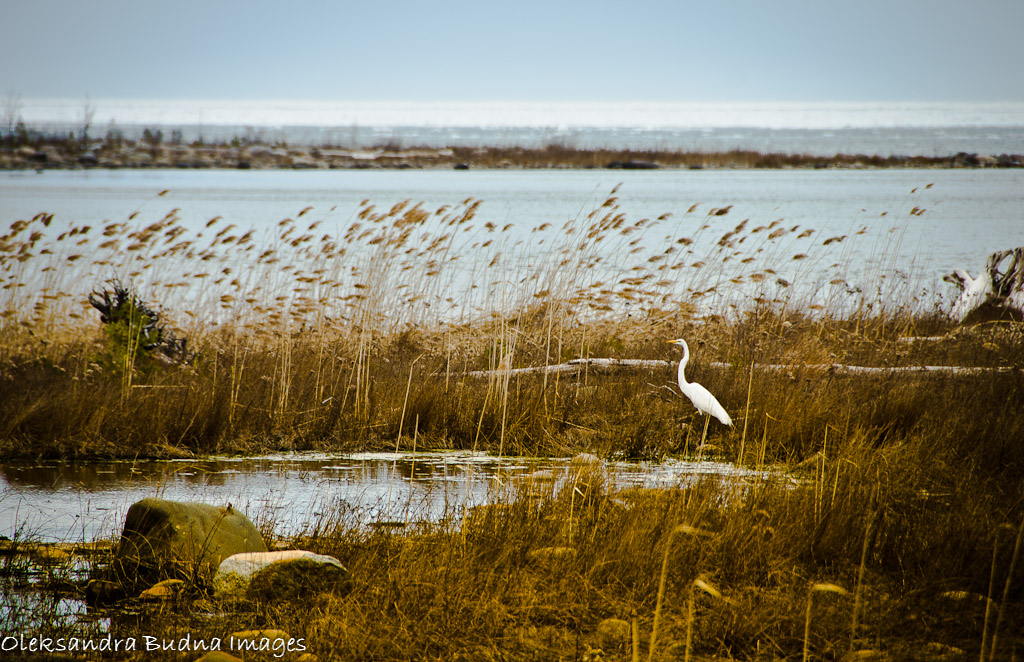
heron near the lake

7. Sunsets at Pinery

Sunsets at Pinery Provincial Park are always gorgeous whether you watch them on the beach or over the Old Ausable Channel.

pinery2014-39

PineryLabourDay2014-71

6. Family Day weekend at Arrowhead Provincial Park

Arrowhead is often called the best kept secret in Ontario. Well, I think the secret is out as this February we had to spend over an hour in a car lineup to get to the park entrance. It’s easy to see why the park is so popular in the winter: with hiking, snowshoeing, tubing, skiing and skating around the torch-lit loop, you never run out of things to do.

FamilyDay2014-51

skating at night at Arrowhead

5. Backpacking at Bon Echo Provincial Park

It was our first backpacking trip and in spite of hordes of mosquitoes and a sprained ankle, we are planning more and longer hiking trips.

family with backpacks

4. Canoeing at Kawartha Highlands

Canoeing is probably my favourite outdoor activity. Remoteness, beauty, loons at night, tranquility – all of these make any canoe trip irresistible, especially in a beautiful park like Kawartha Highlands.

Kawartha-50

tent at the lake

3. Stars at Bruce Peninsula

Bruce Peninsula is beautiful any time of the day, but at night under the star strewn skies, it is spectacular.

milky way over Cyprus Lake

2. Celebrating New Year at Allegany State Park

What can be a better way to ring in the New Year than in the woods, around a campfire with your family.

around a campfire in the winter

1. Foggy morning paddle with my younger son

During our canoe trip this year, my younger son woke me up early so we could go for a paddle. As we cut through the thick morning fog, it felt like we were the only people in the world.

canoeing on a foggy morning

1. University send-off party for our older son

Our son going to University and moving out was the biggest family event of the year. Since camping has always been such a big part of our lives, it seemed appropriate to celebrate this big achievement while camping.

swimming in Lake Huron

Looking forward to new adventures in 2015!

Canoeing and the Question of Belonging

One of the things our family loves most about Canada is the great outdoors and all the opportunities it offers to get outside and connect with nature (as evidenced by this blog). We took our first camping trip nine years ago and immediately fell in love with Canada’s landscapes, tranquility and the call of the loon. Ever since that first trip we haven’t stopped exploring. We have traversed Ontario many times. We did a Lake Superior Circle Tour. We took a road trip across the Maritimes. If asked to pick our favourite outdoor activity, we wouldn’t be able to do it. We love them all: camping all year round, backpacking, canoeing, kayaking, biking in warmer months, skiing and snowshoeing in the winter. We cherish every minute we spend in nature and look forward to the discoveries that lie ahead.

family in a tent

This post is not about our love for outdoors, though. It is about belonging.

portagingLast summer, we went canoeing at Kawartha Highlands. On our way back, we came across a bit of a portage jam. There was a big group of young guys getting ready to carry their stuff to the other side of the portage trail. There was also a couple that had just arrived. My husband deftly maneuvered through the crowd with a canoe on his shoulders and lowered it into the water. As we started loading our things and children, we were chatting in Russian with our friends who were already in their canoe, all packed and ready to go. The other couple was still around unloading their gear. The guy listened to our conversation for a while and finally interjected.
“Where are you from?” he asked. He didn’t sound unfriendly but wasn’t very welcoming either.

“Oh, we are coming from the Cox Lake,” we replied.

“No, no, I mean where are you from?” he repeated more slowly. “I can hear you are not Canadian.”

We paused thinking of a reply. We could have asked what it means to be a Canadian. Is it the official Canadian Citizen status? Well, we all have it. Or maybe it’s about meaningful contributions to the Canadian society? Something we do every day both through our jobs and volunteer activities. We could have pointed out that apart from the members of Aboriginal groups, all of us in Canada are from somewhere else. We could have explained that we are very proud of our heritage (Ukrainian in our case, Russian in the case of our friends) but for a number of reasons we chose to call Canada our home. We could even have laughed at the irony of being called non-Canadian while participating in one of the most quintessential Canadian activities.

We still had a long way to go, though. So we simply said:

“We are from Toronto.”

“Oh, I thought that was Toronto accent I heard,” replied the man, probably realizing his poor choice of words.

“Is that the way we pronounce ‘Tronno’?” we smiled back as our paddles touched water.

Kawartha-1


Winter Camping Tips

If you read my previous post, you know how much I love winter camping. Now I have a confession to make: I haven’t always been a fan of winter. It is definitely an acquired taste. The secret is wearing proper clothes and getting involved in winter activities. Here are some tips to help plan a winter camping trip.

yurt in killarney in the winter  Yurt in Macgregor Point in the winter

Warm clothes

Proper clothing is key to enjoying winter. Invest in a good winter coat, snowpants, hat, scarf, waterproof gloves or mittens, warm socks, waterproof boots. It is also important to dress not only according to the weather but consider what you are planning to do outside. Some activities, like hiking, cross-country skiing or skating, are more physically demanding and may cause overheating. Sweat is definitely not your friend when the temperature is below freezing. So layers that can be taken off and put back on are always a good idea.

Start with a base layer, which is usually long underwear or any other tight-fitting clothes. Base layers should be made of fabrics like polyester, merino wool, silk or blends that wick moisture and dry quickly. Cotton would be the worst choice for a base layer. Follow with a mid-layer, which can be a long-sleeved shirt, sweater or fleece vest. Finally, add the insulating layer, such as a fleece jacket or a down vest, followed by a waterproof and windproof shell. Some winter jackets already come with a built-in, removable fleece jacket or insulated liner.

Don’t forget to bring lots of extra socks, hats and gloves, especially for kids, as those tend to get wet during snow play and may not dry fast enough.

winter

Roofed accommodations

As I mentioned before, we usually stay in a yurt or cabin in the winter although winter tenting is definitely on our bucket list. Quite a few Ontario Parks offer roofed accommodations, mostly yurts, which come with two sets of futon bunk beds, a table and chairs, electrical or gas heat, fluorescent lighting, and one electrical outlet. Outside, yurt sites have a picnic table, BBQ and fire pit. Some parks have camping cabins and cottages. Learn more about Ontario Parks roofed accommodations here.

Keep in mind that yurts and cabins for long weekends get booked fast, usually five months in advance so non-long weekends or middle of the week may be a better bet. We have been known to miss the reservation dates a few times but were able to book a last minute cabin in the Allegany State Park south of the border.

yurt Killarney Provincial Park in the winter

Yurt at Killarney Provincial Park

Cabin in Allegany State park in the winter

Cabin at Allegany State Park

Winter activities

You will never run out of things to do. Lots of Ontario Parks have snowshoeing and cross-country trails, skating rinks and toboggan hills. Not all of them offer equipment rentals, though, so check before you go. Find an outfitter somewhere close to the park or rent equipment from your local Mountain Equipment Co-op store. Plus, there are a lot of activities that don’t require any equipment at all.

skiing in Killarney    snowshoeing in Arrowhead Procincial Park

Important thing to remember is that it gets dark early in the winter. So plan to come back from the trail at least an hour before sunset. Also remember to plan activities for long winter nights. Reading, playing charades, telling stories, talking around the fire, singing, and making rainbow loom bracelets are all fantastic ways to spend time. If you don’t play board games, this would be a good time to start. It’s a great bonding experience and way more fun that electronics. In addition, parks offer fun things to do after dark, like skating around the lit loops at Arrowhead and MacGregor Point.

inside a yurt in a provincial park

Snacks and drinks

Our bodies need more calories in the winter so we always bring lots of snacks and drinks with us on a trail. Good snacks have low water content and high fat content to prevent them from freezing so think nuts, dried fruit, granola bars, trail mixes, crackers, cheese, cookies and chocolate. Hot chocolate or tea on the trail taste divine so we do bring a thermos with us even though it is heavy. The parks also have warming huts along the trails, a great place to rest and fuel up.

In terms of regular meals, yurts in Ontario Parks have BBQs with a side burner. It’s important to remember, though, that you’ll be cooking outside. So think foods that don’t need a lot of time to prepare.

cooking on a BBQ at MacGreogor Point Provincial Park

Back in our meat-eating days

drinking hot chocolate outsde in the winter  inside a yurt in a provincial park

Play safe

Make sure the whole family is wearing proper safety gear, for instance helmets when skating, and whatever equipment you are using (skates, skis, snowshoes, etc.) fit everyone perfectly. Be careful around frozen bodies of water and ensure a tobogganing hill doesn’t end up on a road. Limit exposure on particularly cold days and know how to recognize and treat, but most importantly prevent, hypothermia and frostbite.

family day 2013-15

Winter in Canada is way too long to spend it cooped up inside. Embracing and enjoying it sounds like a much better plan!

The Joy of Winter Camping

Last week, Toronto got its first taste of winter. Even though the snow is gone now, all that white, even if a bit slushy, fluff on the ground made me excited about winter camping. I know the phrase winter camping sounds almost like an oxymoron. When I mention to people that we go camping in the winter, they usually raise their eyebrows in extreme disbelief, and even my reassurances that we stay in a yurt or a cabin do little to persuade them that winter camping is a good idea. Well, this post is an attempt to explain what compels us to leave our warm apartment behind and go freeze in the woods.

catching snowflakes

The joy of winter

Winter wonderland
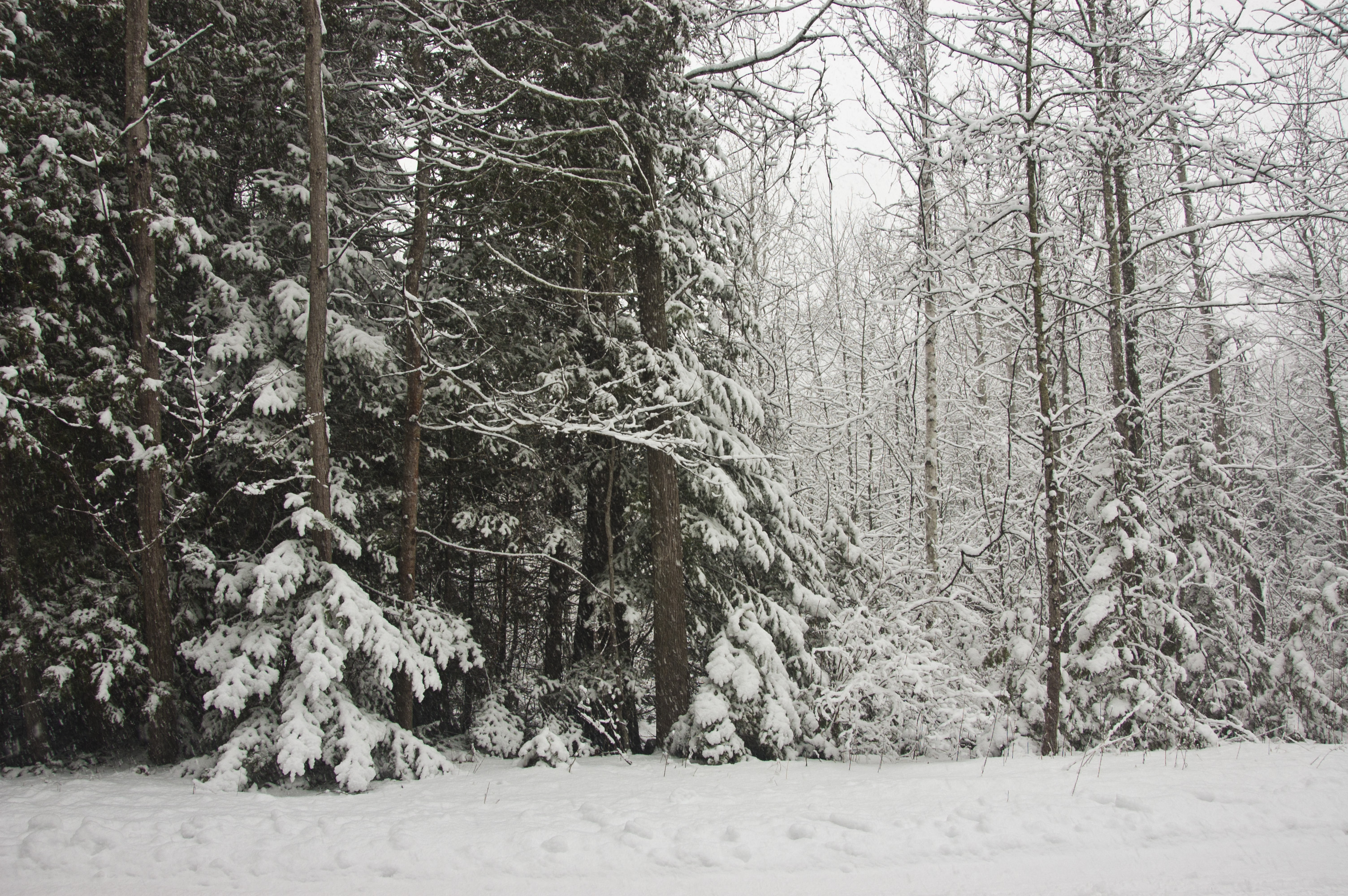
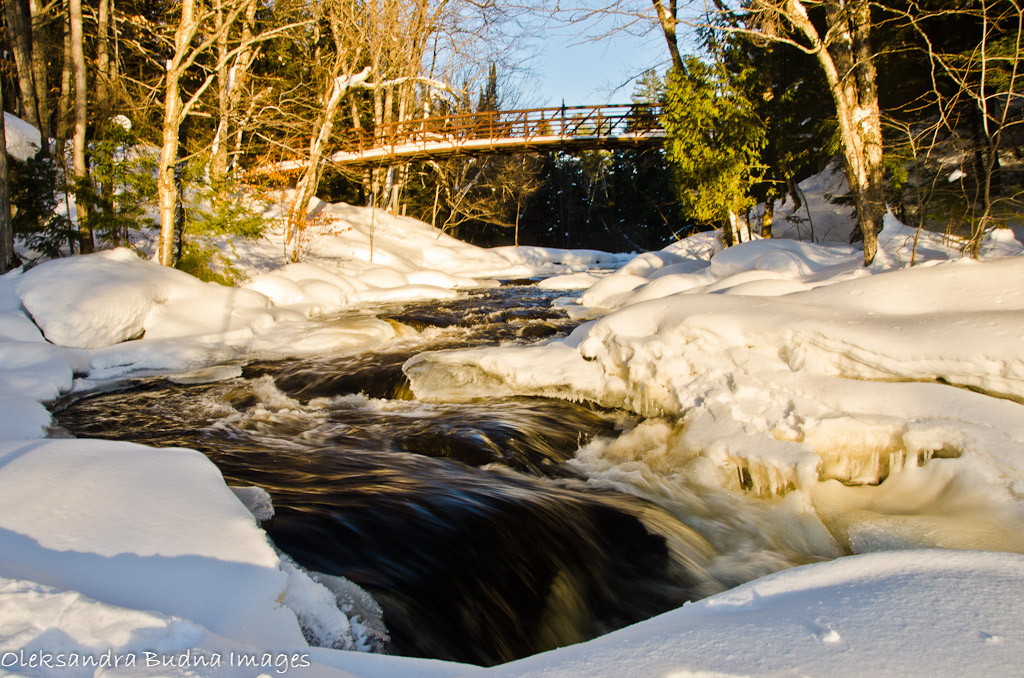
I know it’s an overused expression but winter is truly magical. Forest is beautiful any time of the year but it reserves a special ethereal kind of beauty for those who dare to venture into the woods in the cold of winter. The monochromatic landscape makes all the lines, curves and forms more prominent and striking. Winter is a skilled artist sculpting the most whimsical creations from ice and snow. On a clear day, snow coated branches and ice covered streams sparkle in the sun, and the whole forest seems to reverberate and glow with freshness and vigor. And when it snows, the world is muted and soft as the white fluff delicately envelopes everything in sight. Or, sometimes, it’s a wind-swept winter desert, rough yet absolutely spectacular.

snow-covered forest in the winter

Sleeping under the blanket of snow

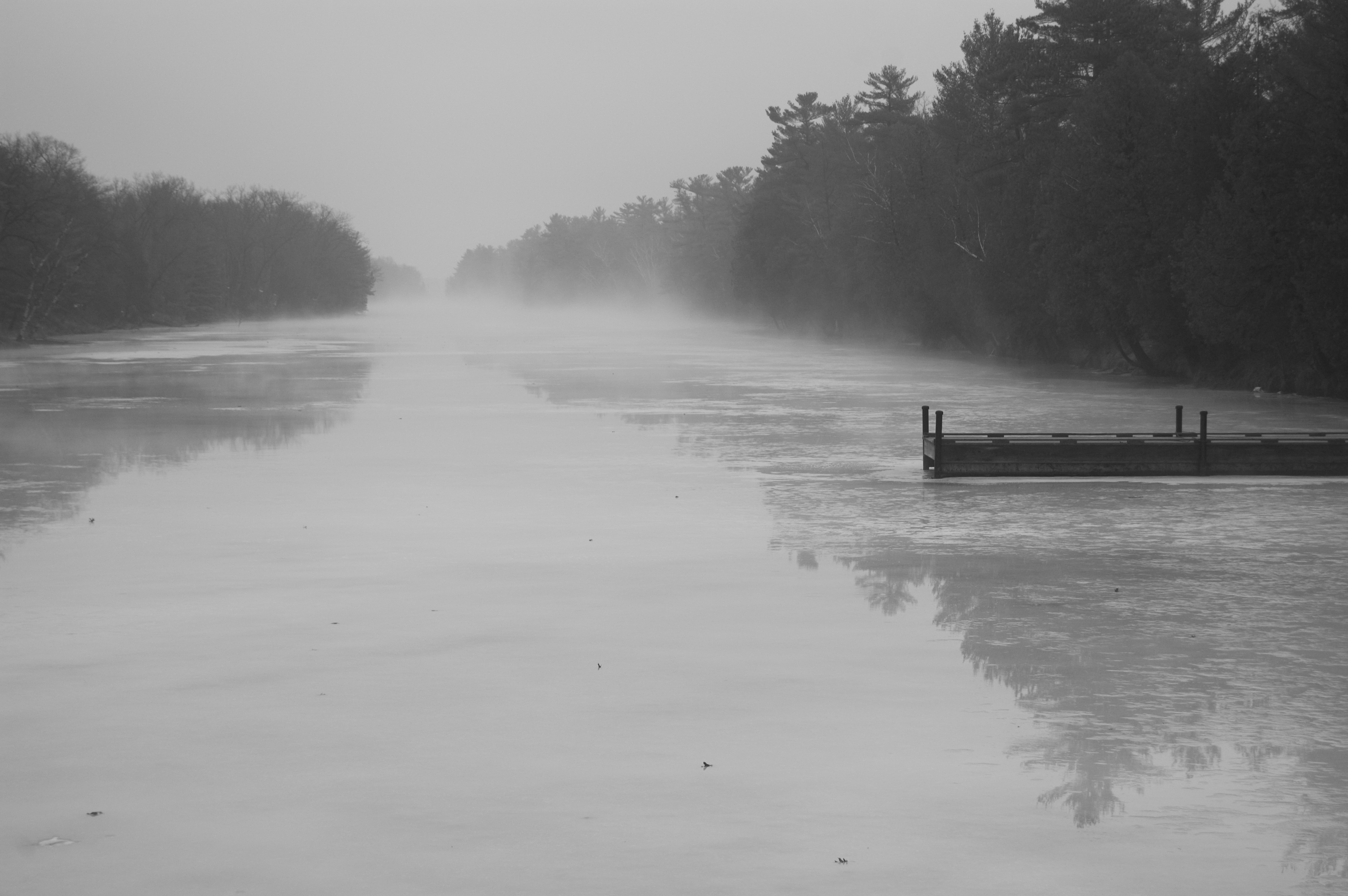
ice covered river

Old Ausable Channel at Pinery Provincial Park

Allegany State Park

Red House Lake at Allegany State Park, NY

winter   icicles

Winter activities
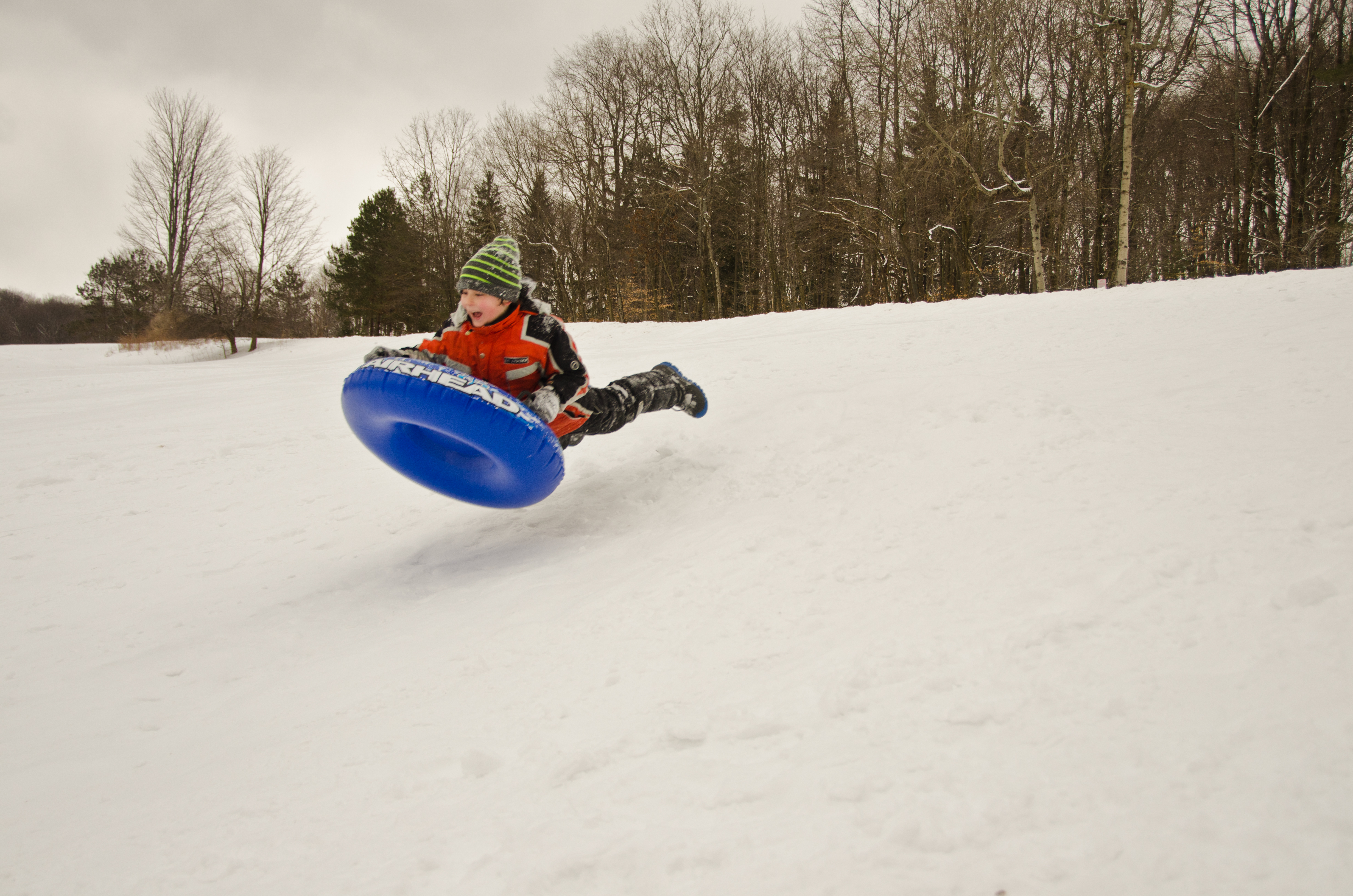
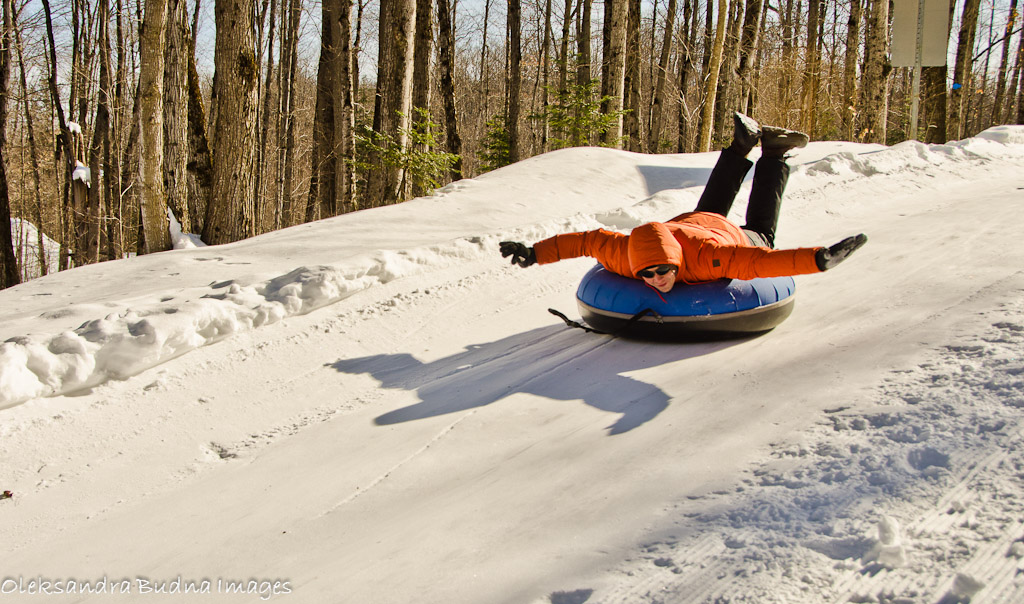
Remember when the sight of first snow made you excited about all the things you can do outside? Time to bring that joy back! When it comes to outdoor activities, winter is unlike any other season. It’s the only time when you can go skiing, skating, tobogganing, snowshoeing, when you can build snowforts and snowmen, engage in snowball fights and make snow angels. Winter has a magical ability to coax a kid from under all those layers of coats, scarves, snowpants, and adult worries. What’s more, these activities don’t require special training or skill, just a childlike enthusiasm and willingness to try.

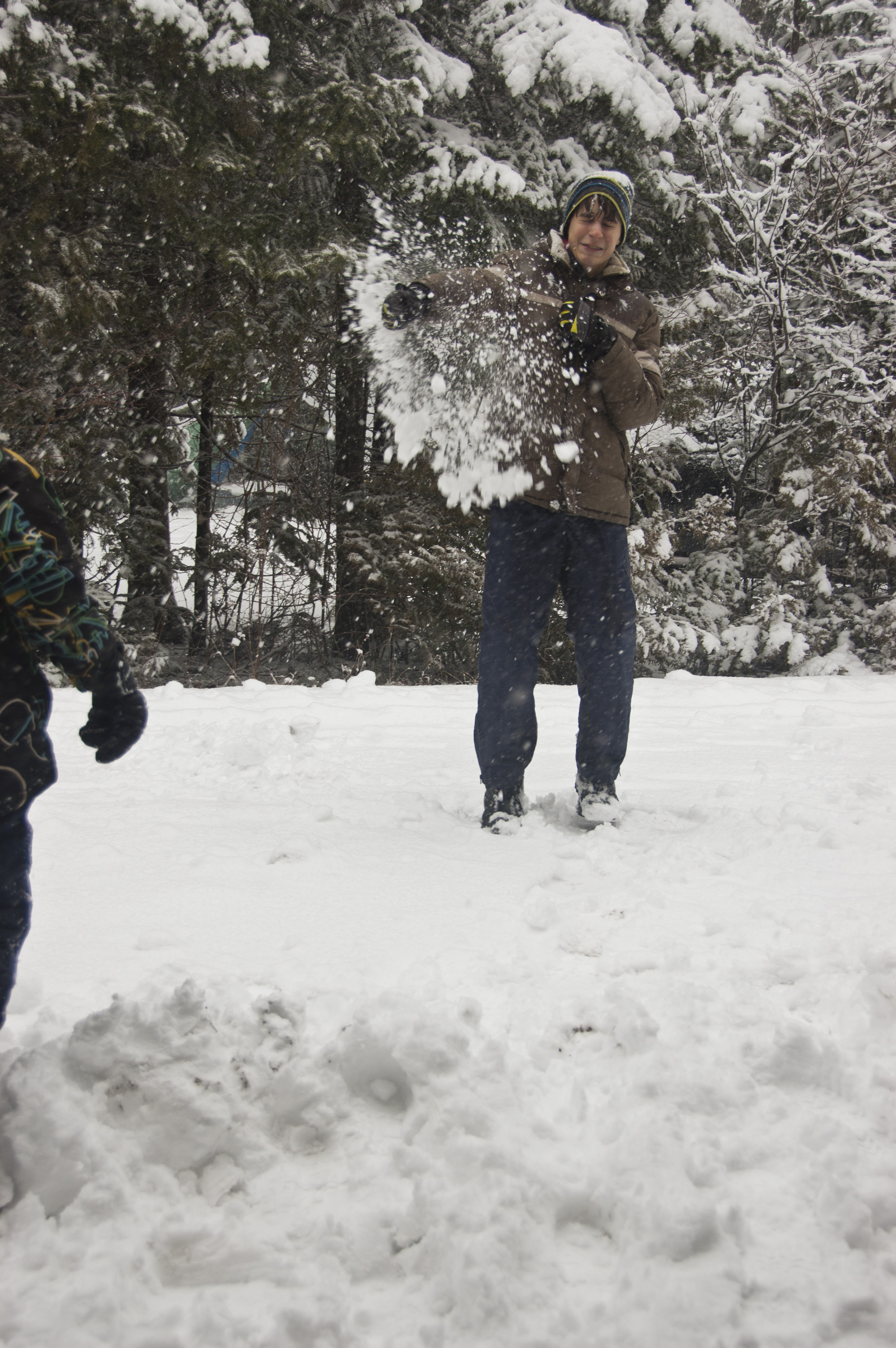
snowangels   throwing snow

Arrowhead provincial park

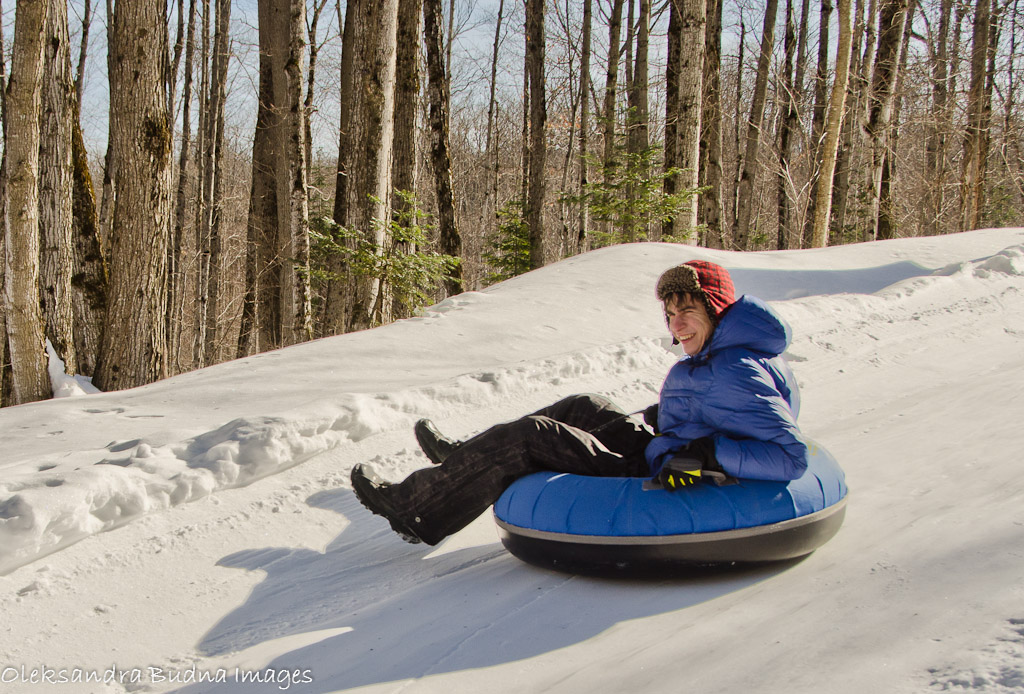
Tubing hill at Arrowhead

killarney 2012-17

Skiing at Killarney

winter fun   snowballs

sowshowing

FamilyDay2014-40

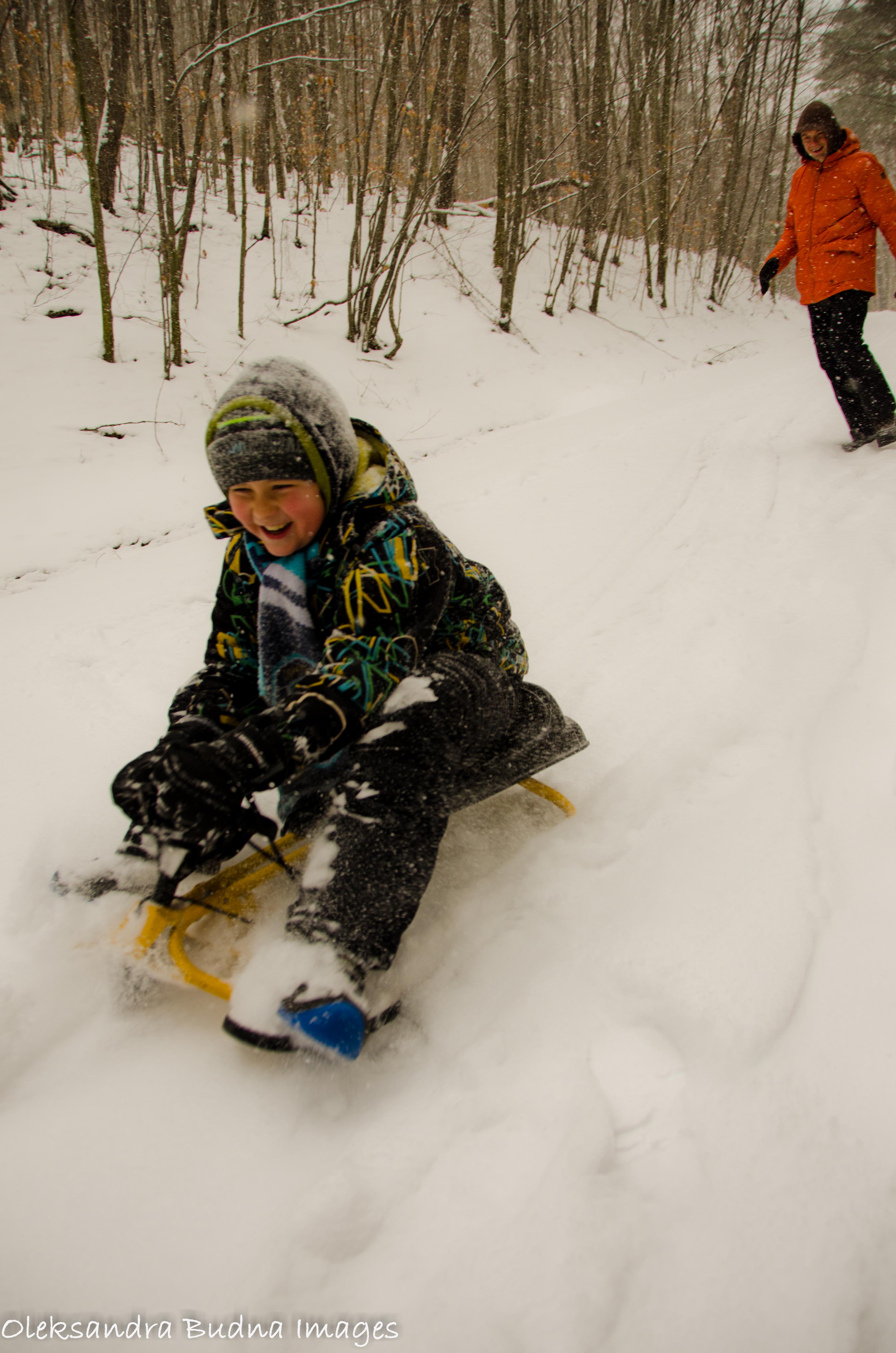
pulling sled   sledding down the hill

Challenge
For us, testing our ability to be away from everyday conveniences is one of the things we love about camping. Winter adds another layer of challenge to the simplest tasks: walking to the bathroom, chopping wood, making fire, cooking. But with extra challenges come additional rewards. A simple cup of hot chocolate tastes heavenly after a day in the woods, a game of cards is so exciting in a warm yurt in the evening, and there is nothing I love more than sitting by the fire, wrapped up in a blanket, sipping red wine and watching the snow fall.

around a campfire in the winter

Celebrating New Year around a campfire

Stay tuned – tips on winter camping coming soon!

Thanksgiving Weekend Camping at Grundy Lake

There was a lot to be thankful for this past weekend. Beautiful sunny weather. Deep blue skies and incredible fall colours. Being with family and friends. Having an opportunity to leave the city and be in nature.

fall colours

swan lake trail

We headed to Grundy Lake Provincial Park for the Thanksgiving weekend. Thanksgiving used to be the last camping trip of the year before we started going camping in the winter. However, since we usually stay in cabins and yurts in the winter, it is still the last camping trip in a tent. That is until we pluck up the courage to try winter tenting.

We visited Grundy Lake a few times in the past but that was a few years ago and mostly in the spring and summer. I had my doubts whether it was the best choice to see fall colours since I remembered lots of pines. It turned out I had nothing to worry about. We booked a campsite at the Poplar campground. When I got out of the tent on Saturday morning, I was bathed in the golden glow of the forest around. The ground had a thick carpet of foliage; the trees were all decked up in their best colours; and beautiful leaves twirled around in the breeze. Kids had lots of fun jumping and rolling in  piles of leaves and showering them over each other.

site 324 at Poplar campground Grundy Lake   child throwing fall leaves in the air

fall leaf bruning in the fire

Since our son was still getting over the remains of his cold, we decided to take it easy this time. We spent a lot of time by the campfire and cooked the most delicious food: gnocchi with vegetables, veggie burgers, lentil stew, mushroom and barley soup, and roasted root vegetables (by some universal camping law food always tastes so much better on a camping trip).

child reading by the campfire   child reading in a campchair

root vegetables roasting over the campfire   gnocchi over campfire

We took bike rides through the forest and hit a couple of easy short trails: Swan Lake and Gut Lake. Both trails looked spectacular – smooth rocks, whispering marshes and gurgling brooks framed by interlaced green pines and multicoloured maples, birches and aspens. For more pictures of the beautiful fall forest, visit my Random Pix blog.

ruffed grouse

gut lake trail at Gruncy Lake

GrundyLake-95   child climbing

Gut lake trail

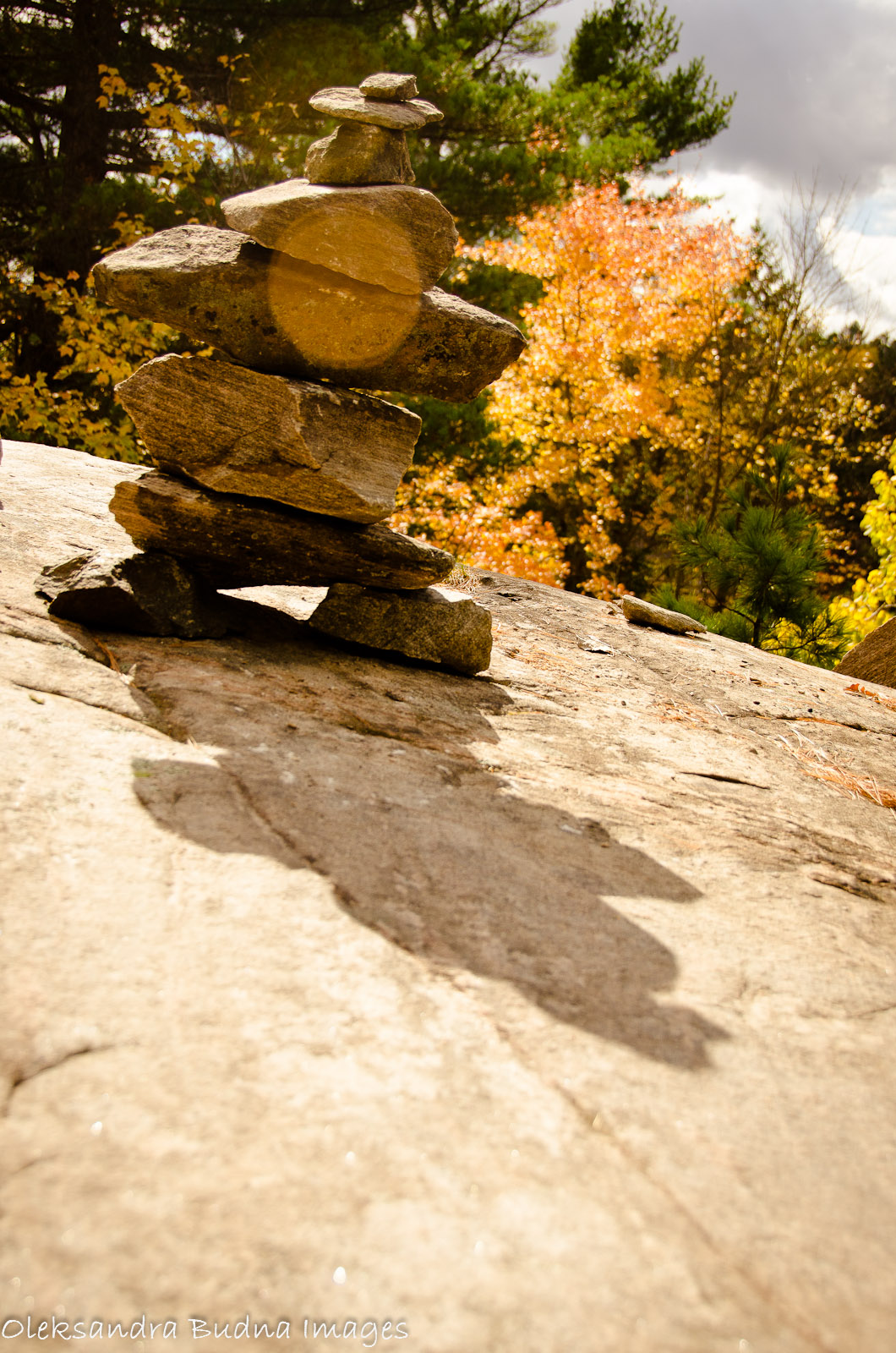
inukshuk   GrundyLake-96

By another universal camping law, time always flies so much faster out in the woods. Before we knew it, it was time to go back home. On our way back, I enjoyed the beautiful fall landscape flashing by and started planning next year’s trips.  Where should we go next?

Falling for Fall Camping

Summer is officially over but it doesn’t mean you have to put your camping gear away. Fall has so much to offer that it will make you fall in love with camping all over again. Here are some reasons why we love fall camping so much:

Killarney2View from the Crack, Killarney Provincial Park

Fall Colours

Well, it is an obvious one. Albert Camus once said that “Autumn is a second spring when every leaf is a flower.” I could use hundreds of words to describe the second spring and wouldn’t come even close to capturing the beauty that is a forest in the fall. It’s as if nature, in the face of impending monochromatic winter, splashes all its paints across the canvas.

DSC_0661Looking up, Canisbay Lake Campground, Algonquin Provincial Park

Feast for Senses

Fall is a feast not only for your eyes but all the other senses as well. Cool crispness of the morning, earthy smell of mushrooms, crunchy leaves under your feet, campfire smoke dancing in the sunlight, multicoloured foliage twirling in the wind. Fall air is filled with beauty and tranquility.

BonEcho-19      Killarney3Dancing Light                                             Mushroom Log

Rediscover Your Favourite Parks

It is a great opportunity to rediscover your favourite parks and see them in a new light, both literally and figuratively. With the beach weather gone, fall is a good time to try new activities that parks have to offer, explore new trails and locations.

BonEcho-22Canoeists on Mazinaw Lake, Bon Echo Provincial Park

Mild Weather

Speaking of the weather, cooler temperatures make most camping activities, like hiking and biking, more pleasant and less sweat-inducing. Yes, the evenings are usually chilly but they make campfires even more inviting and conversations more sizzling. Plus a hearty stew tastes so much better on a chilly fall night by the fire!

Killarney4    111014fall019Getting Wood at Killarney                         Biking at Lake St. Peter Provincial Park

Absence of Bugs

No bugs! To all those people who can’t go camping because of pesky mosquitoes and flies – fall is the time to try it.

BonEcho-23  111014fall034Sun Rays                                                                                           Red Giant

Smaller Crowds

Finally, one of my personal favourites – fewer people. Parks tend to get overcrowded in the summer. As the number of park visitors subsides in the fall, I can finally find much needed solitude and refuge from the city buzz. As the nature starts slowing down preparing for the winter, I am inspired to do the same: breathe in deeply, exhale slowly, calm down my racing mind and listen to myself.

letchworth-8Autumn Reflections

For a list of great Ontario Parks to visit in the fall, check out my article on Parks Blogger Ontario.