We really love winter camping with its frozen beauty, fun activities in the snow and smaller crowds (add absence of bugs for my husband and our younger son). Usually we stay in a yurt or a cabin, which still sounds extreme to some people. At the beginning of this winter though, we decided to take it to the next level and try camping in a tent. But as the winter was progressing with temperatures dropping lower and lower, we were close to giving up on the idea with the usual ‘maybe next year.’ And then this past weekend, we decided that there was no better time than now, packed all our stuff Saturday morning and headed to Algonquin Provincial Park.
Algonquin’s Mew Lake campground is open year round with seven yurts, which need to be reserved in advance online or over the phone, as well as electrical and non-electrical campsites available on the first come first serve basis. Campsite permits can be purchased at the West or East Gate from 9 a.m. to 4 p.m. After four, there is a self-serve registration kiosk at the entrance to the Mew Lake Campground.
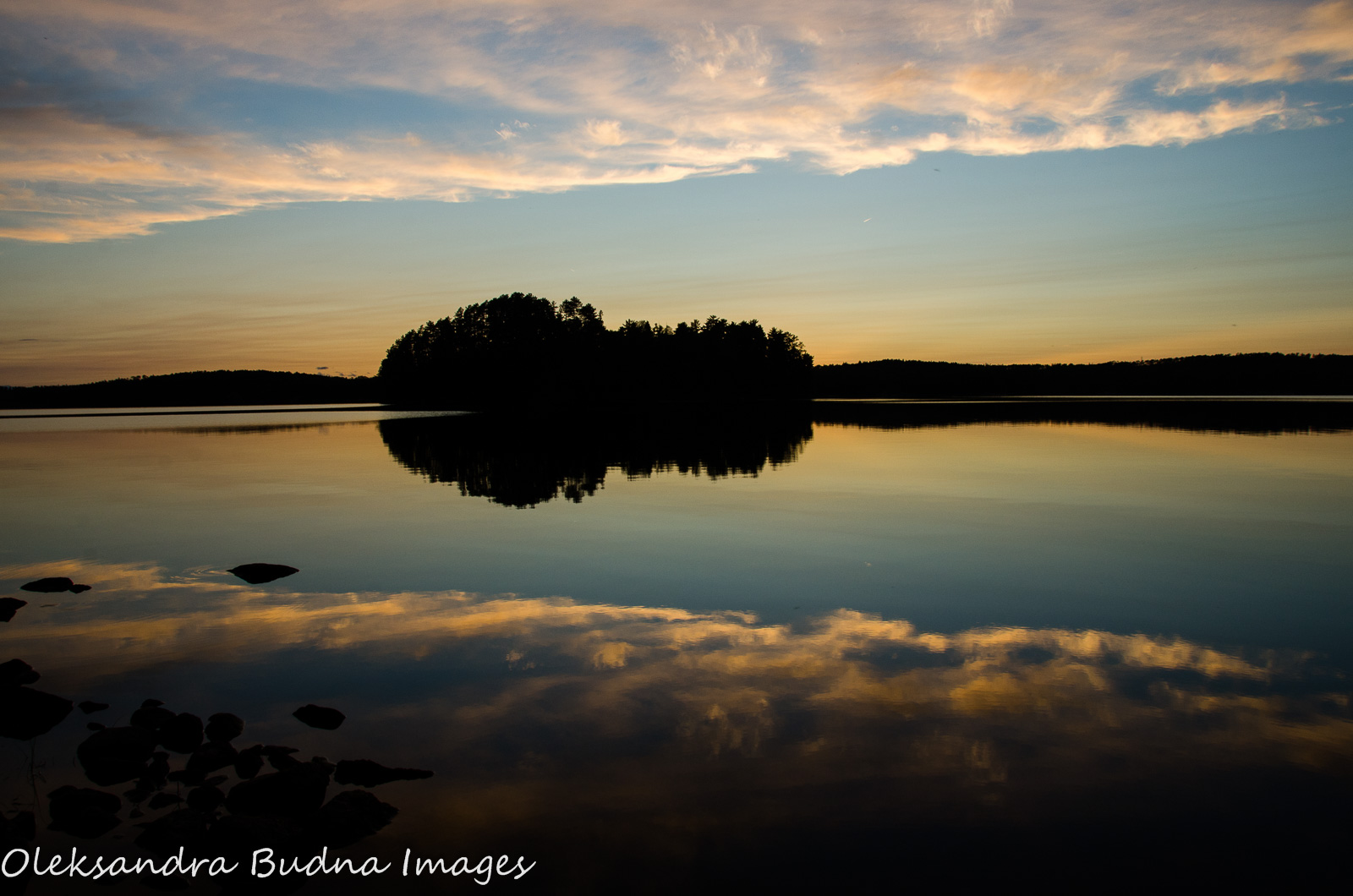
The weather didn’t look very promising on Saturday. It was grey and drizzling but at least not too cold. Luckily, there was still a lot of snow left at Algonquin, otherwise it wouldn’t be much of a winter camping. We arrived at the campground around 5. Quite a few campsites boasted all sorts of tents, some with chimneys sticking out, others just regular ones. We snatched a waterfront site with a view of the lake, frozen and beautiful.

We don’t have a winter tent and, after reading all about it, I decided we could get away with our three-season one. There was no heavy snowfall in the forecast so we didn’t have to worry whether the frame would hold. The tent has a fly that extends all the way to the ground so it provides pretty good protection from the wind. We also added a tarp on top of it for some extra protection ensuring there was a good flow of fresh air. We added a tarp under the tent as well, plus two layers of sleeping pads for additional insulation from the ground. We also brought two sets of sleeping bags for everyone for extra warmth. And we did bring our small electrical heater so it wasn’t nearly as extreme as it sounds. In the end, no one was cold, although it was a bit chilly around dawn. The hardest part was getting out of the tent in the morning but with nature calling (pun intended) and a promise of coffee it was doable.

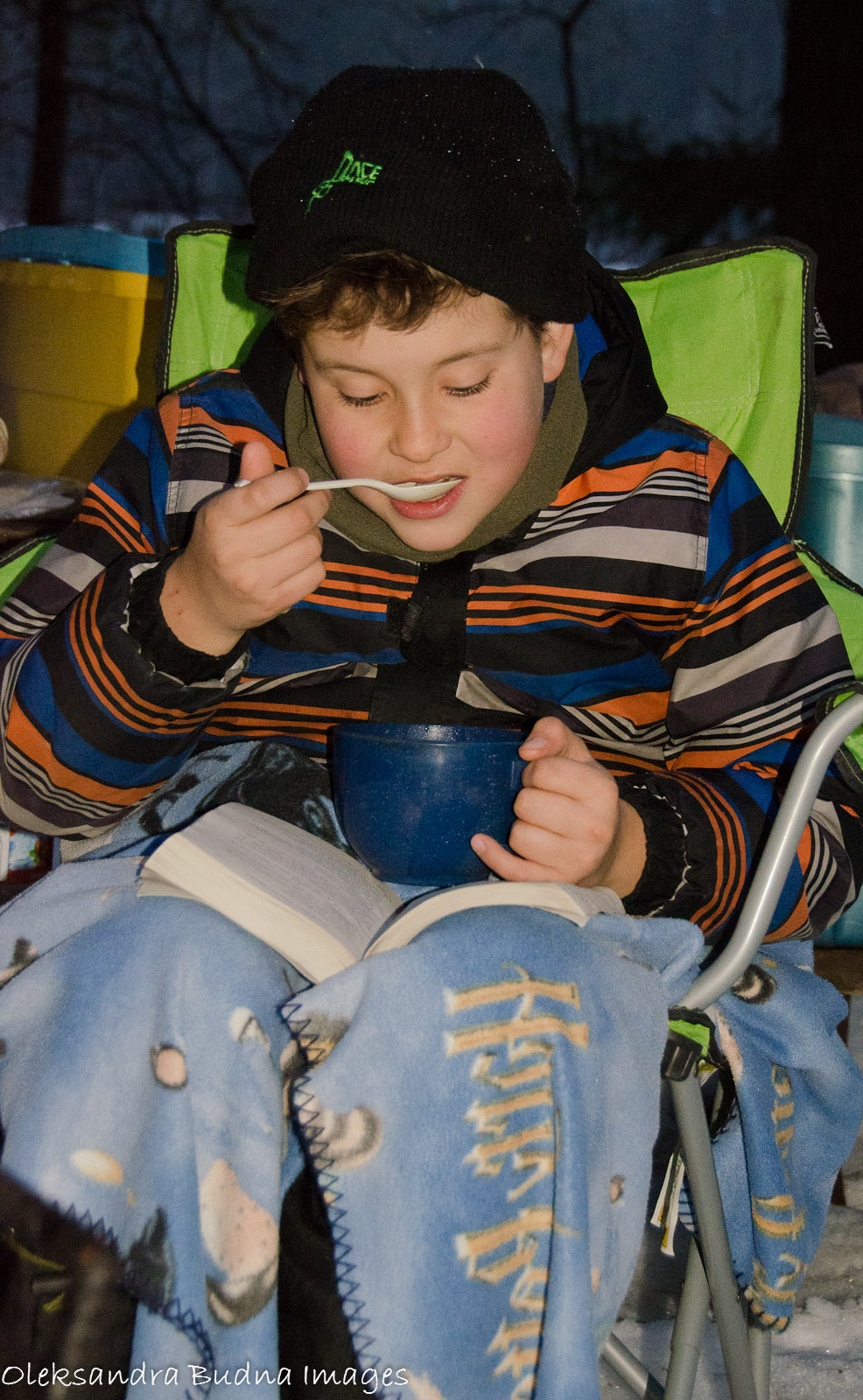
 Cooking also presented a bit of a challenge without roofed accommodations to do food prep. So anything that could be just dumped into the pot, mixed with water and cooked quickly worked best. We made our favourite minestrone soup with the soup mix from Bulk Barn: we cut the recommended dose of the mix in half to reduce the salt content and add red lentils and dehydrated vegetables from Bulk Barn as well. We also made veggie burgers the second night and cooked eggs with beans in the morning.
On Sunday, the weather improved considerably. It was sunny and crisp with a hint of spring.


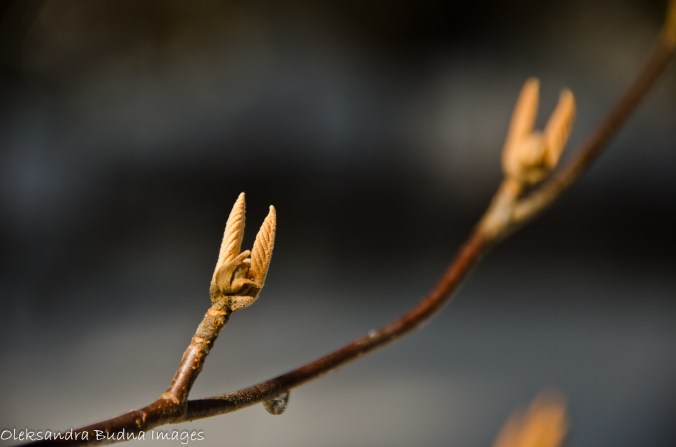
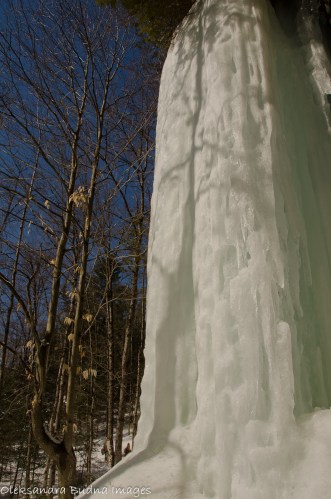
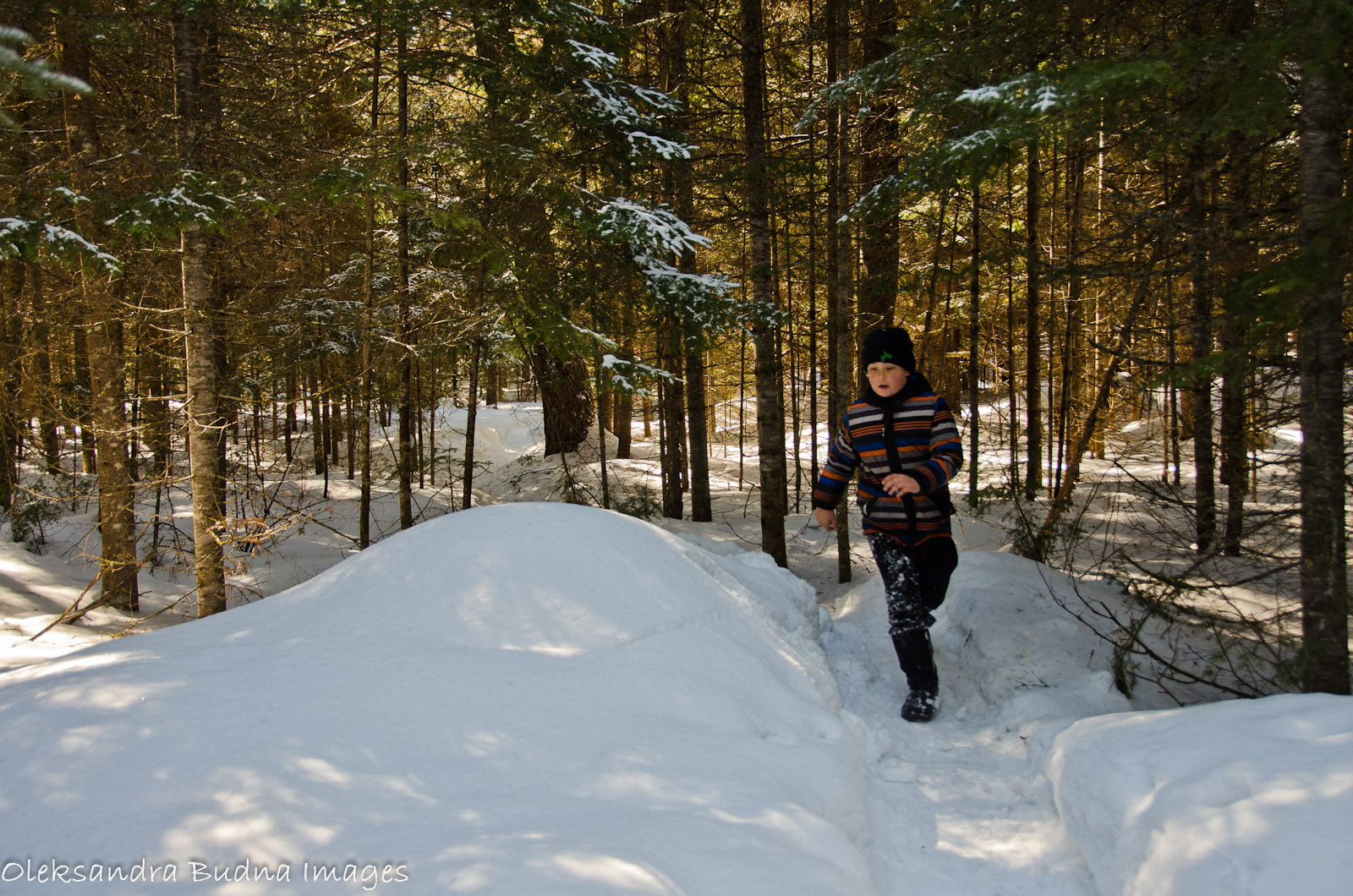
We decided to hike the Bat Lake Trail since it was very close to the Mew Lake Campground. That way we didn’t have to drive anywhere. It’s a perfect trail for a winter hike with frozen waterfalls (our son called them Elsa’s castle), a beautiful lookout point and a few lakes along the way.



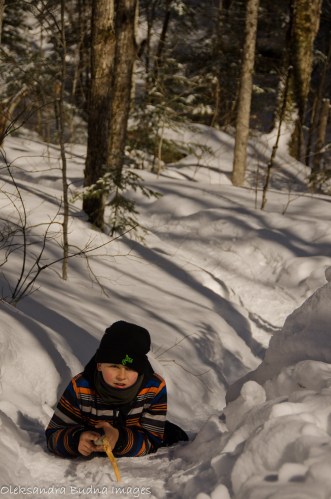
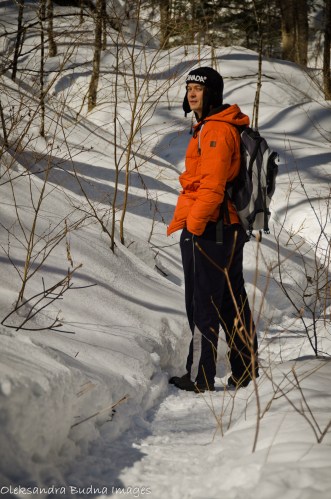
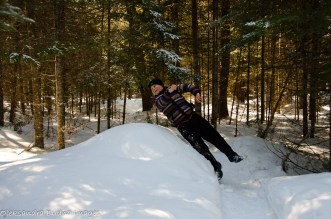
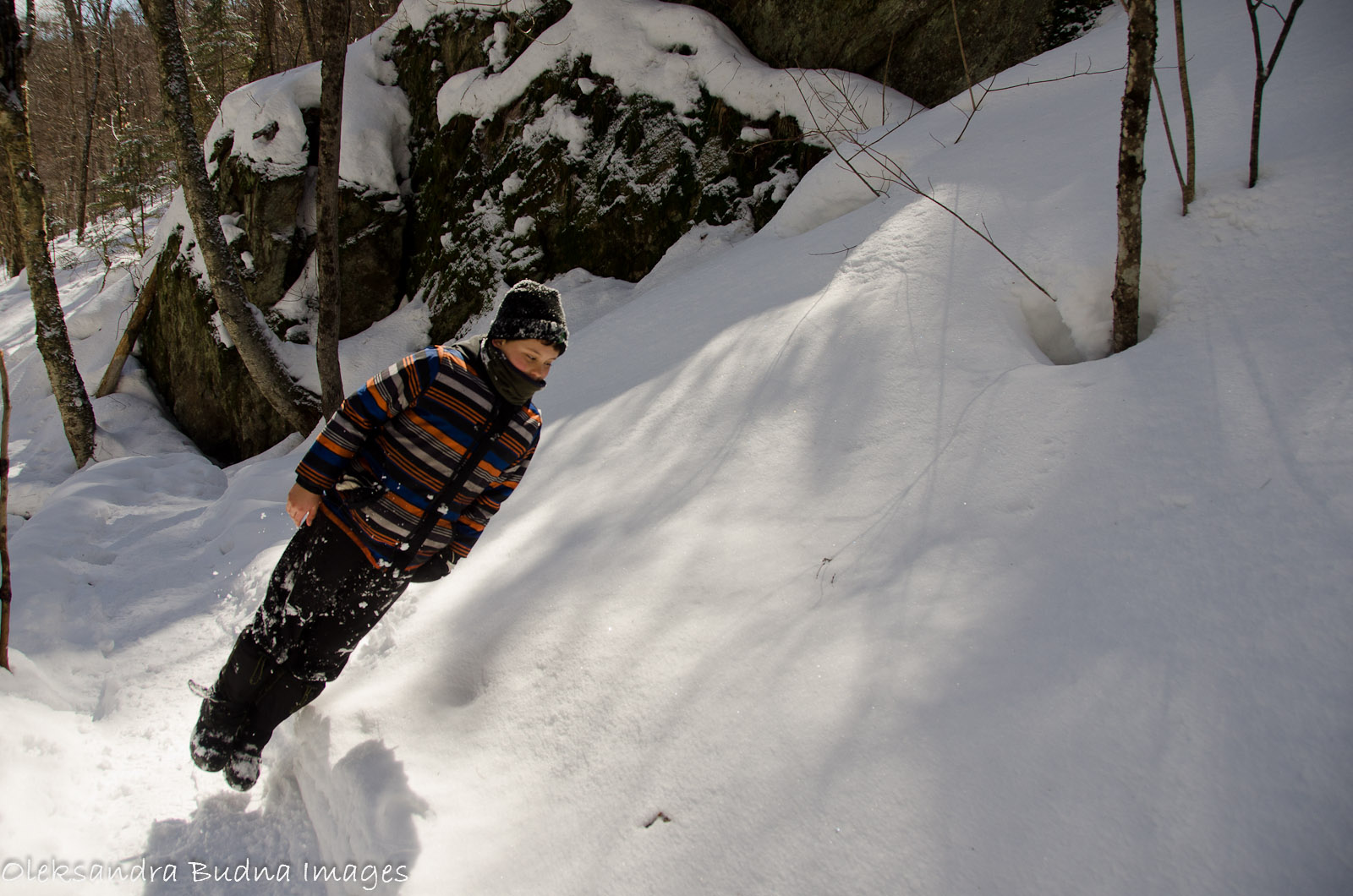
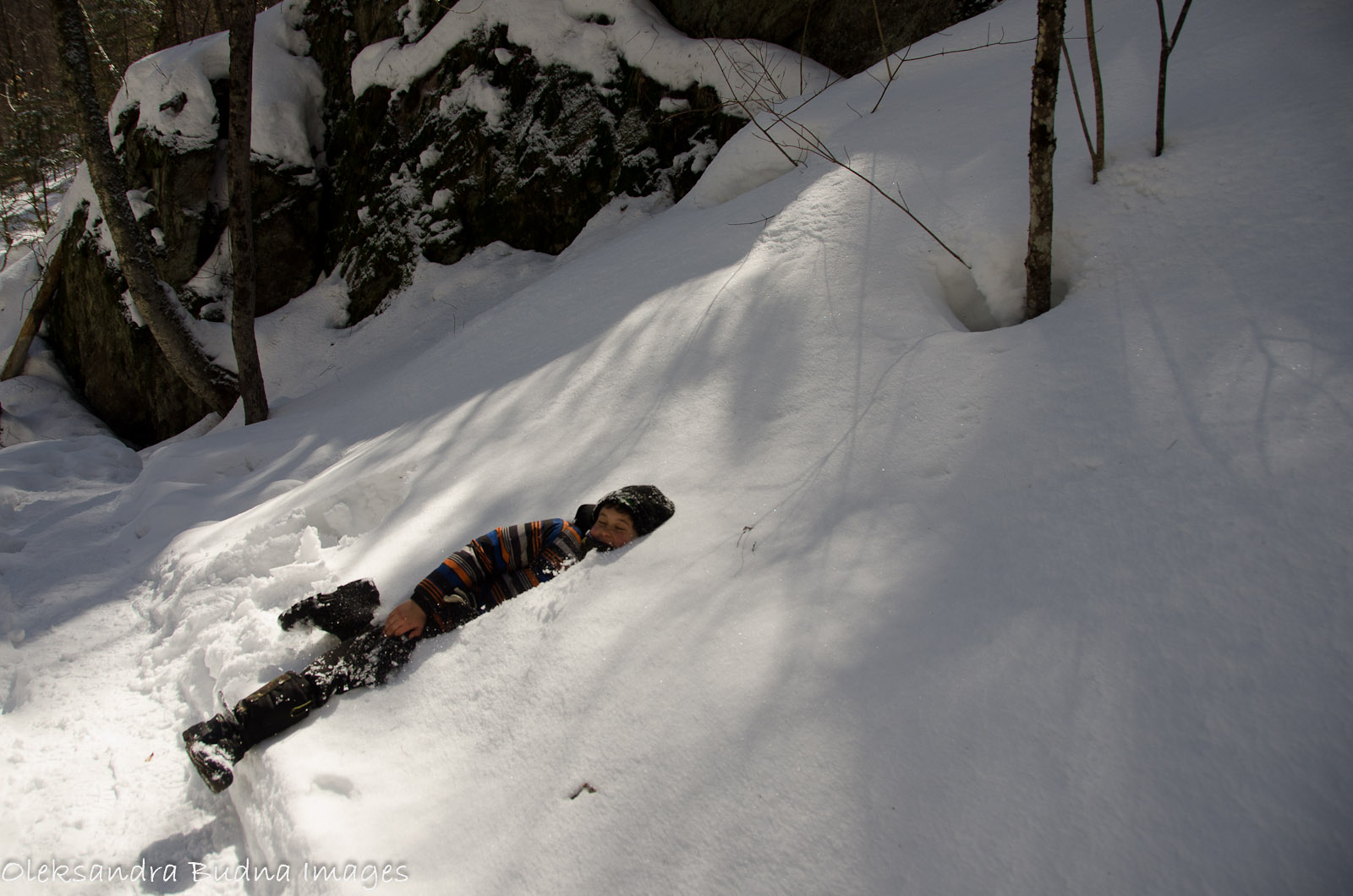
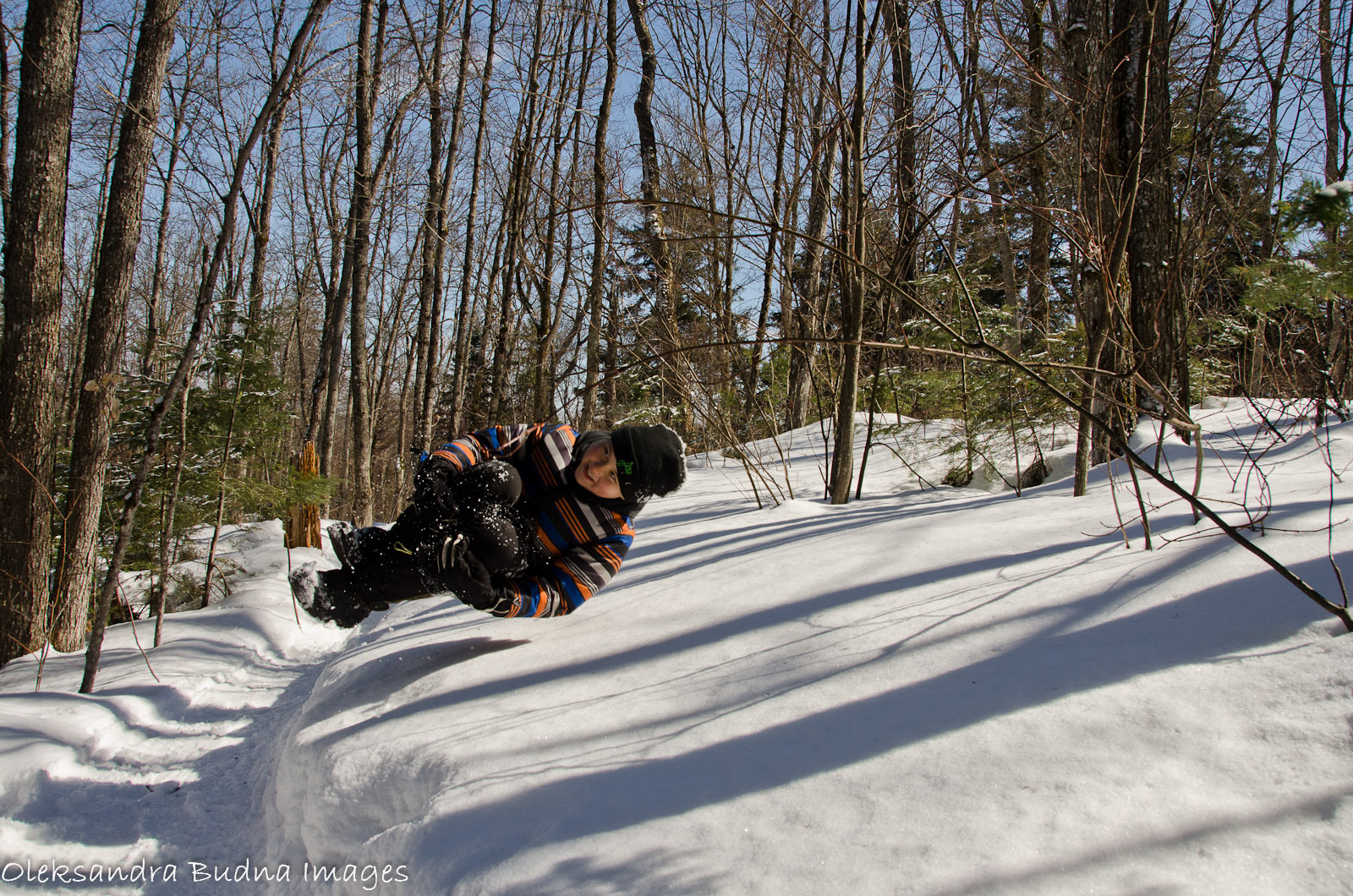
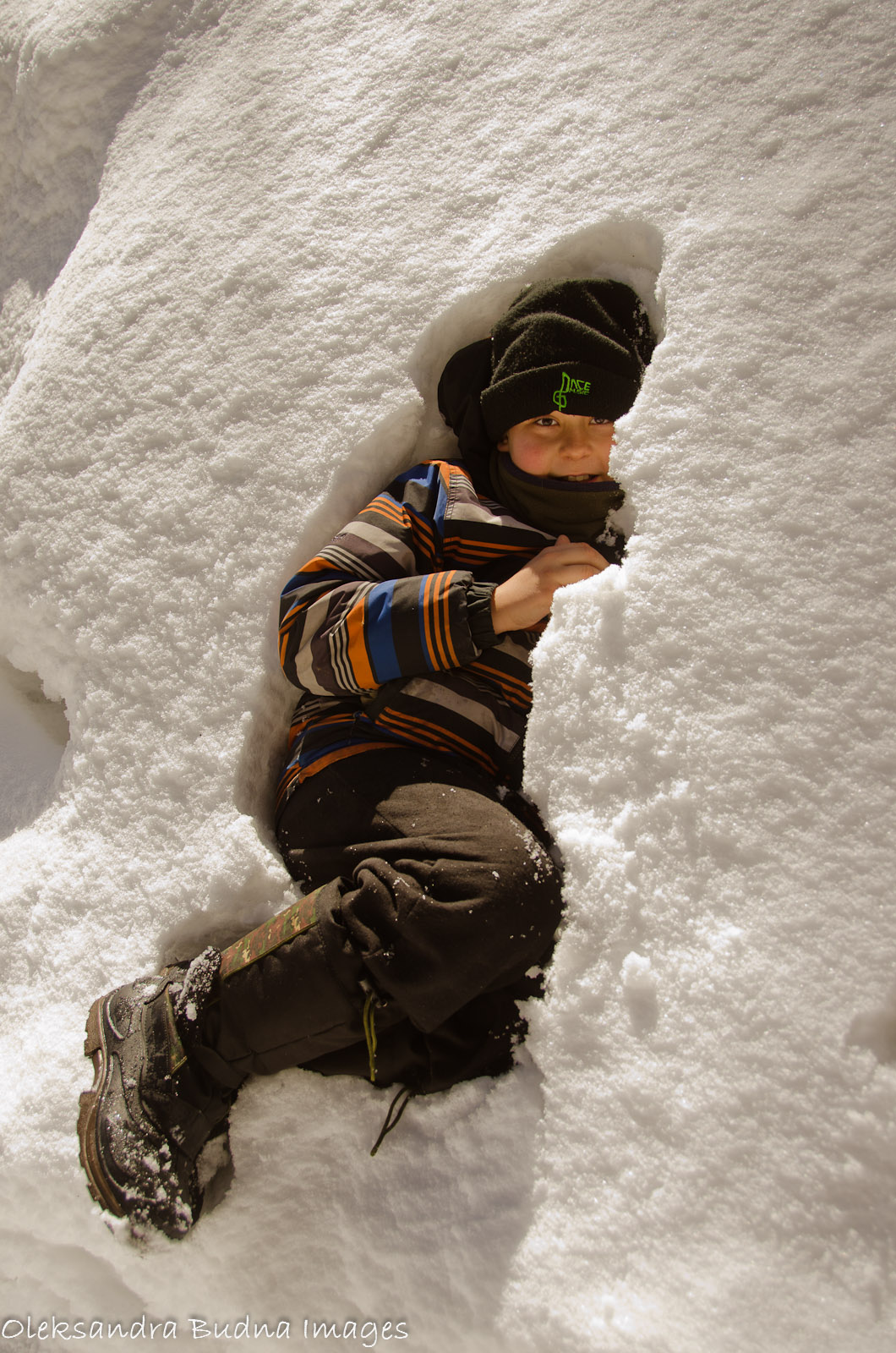
Along the trail, our son kept practicing his hide mode technique, which consisted of jumping sideways and disappearing into the snow banks.


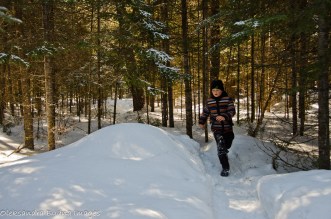


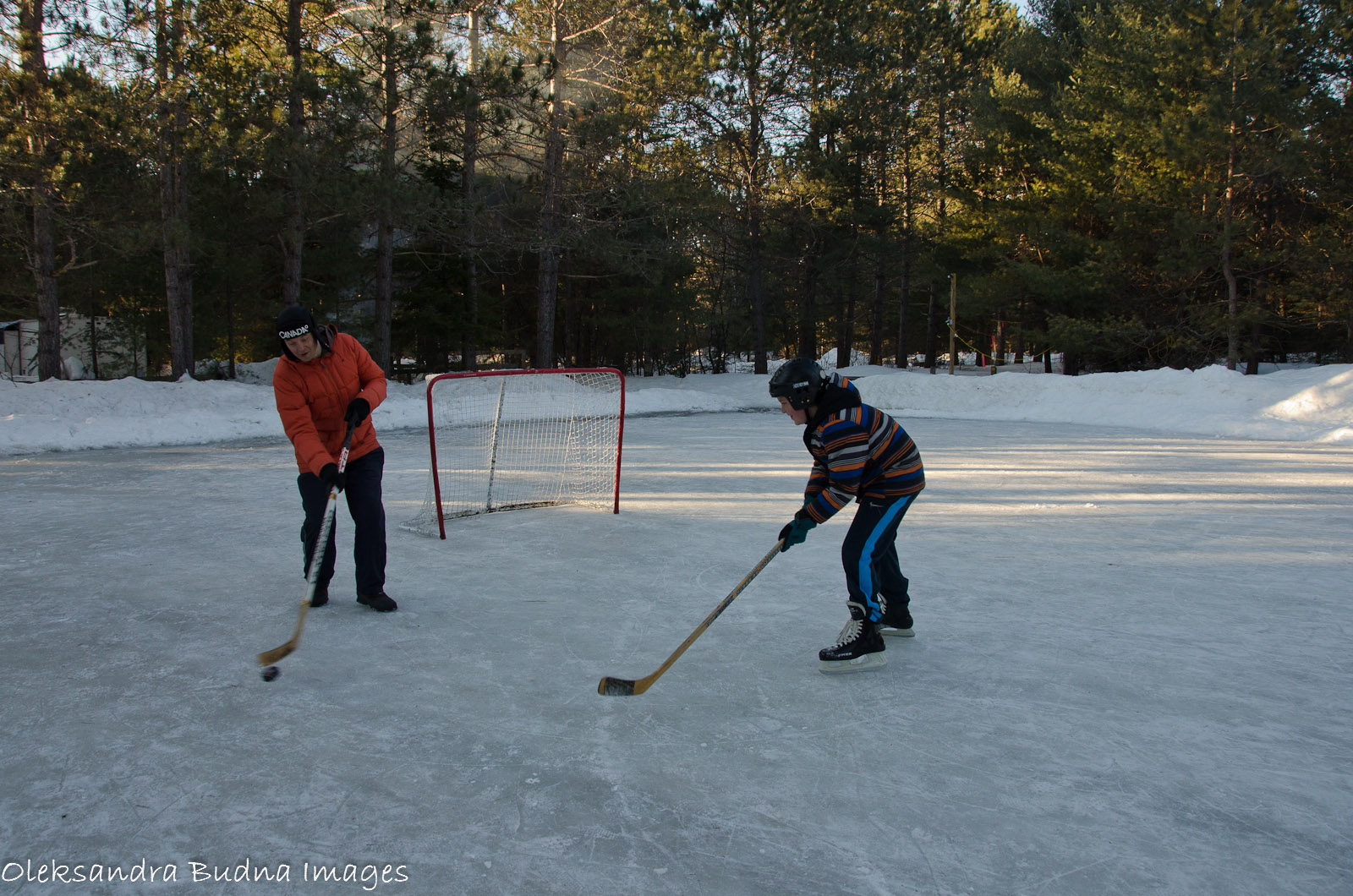
Upon our return, we headed to the skating rink and played a game of shinny. It was my first hockey game, if you can call it that since I didn’t even have skates on. But it was a lot of fun nonetheless.

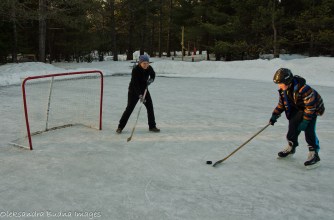

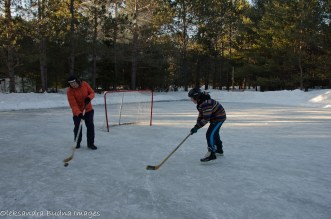


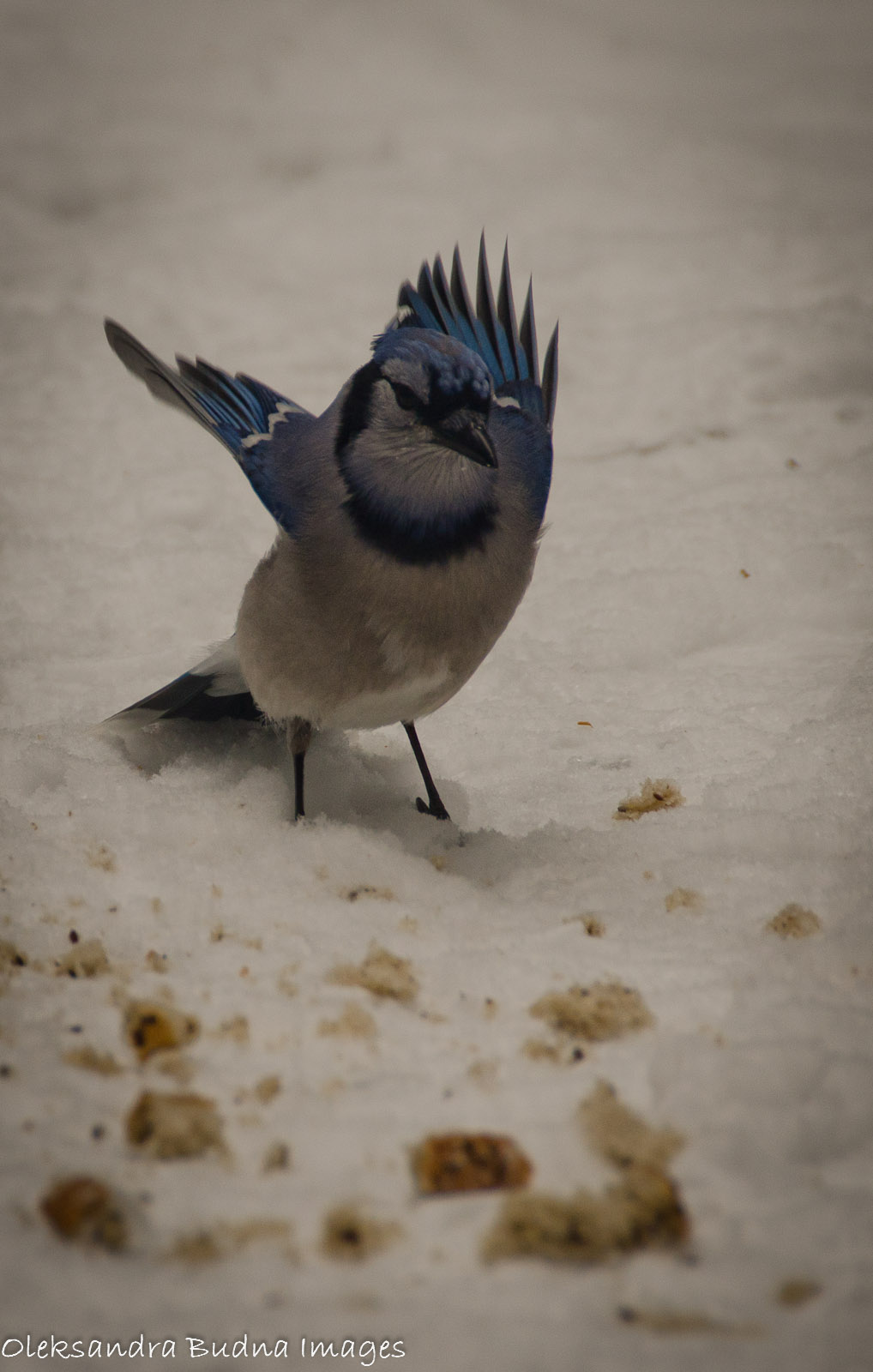
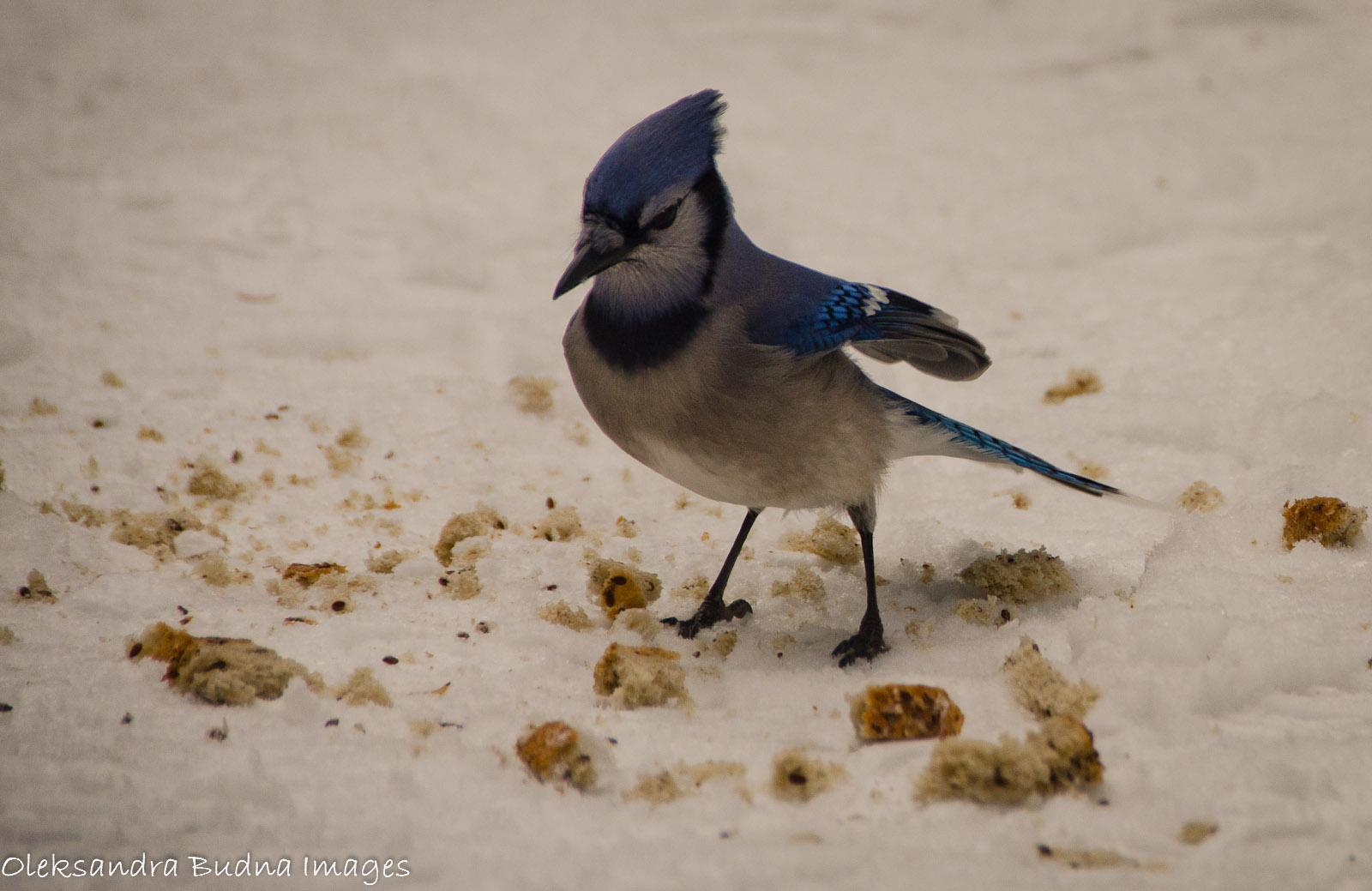
The highlight of the trip was the blue jays that visited our campsite.


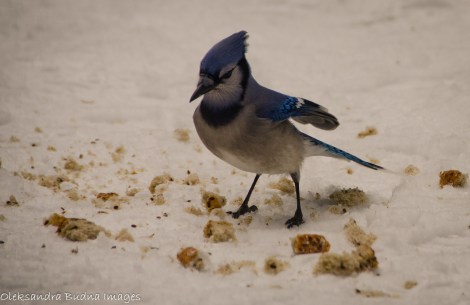
We took our time packing Monday morning, watching the last logs burn, savouring the last moments of our trip. On the way home, we stopped at Westside Fish and Chips in Huntsville, which has become our favourite food stop whenever we go to Arrowhead or Algonquin. After a three-hour drive, we were back in snowless Toronto.
Overall, the trip was a great success and we are definitely coming back next year. All my doubts regarding dragging my family into the cold of the winter to sleep on the ground dissipated one morning when our son mused that he couldn’t understand why some people thought that staying in a hotel was better than camping. That warmed me better than the hot tea I was sipping.














 Gone Camping