Happy Birthday to Algonquin, land of beauty, memories and adventures!

So Algonquin Park is turning 122 today! Established in 1983, Algonquin is the oldest provincial park in Canada and it’s becoming even more beautiful and attractive with every passing year.

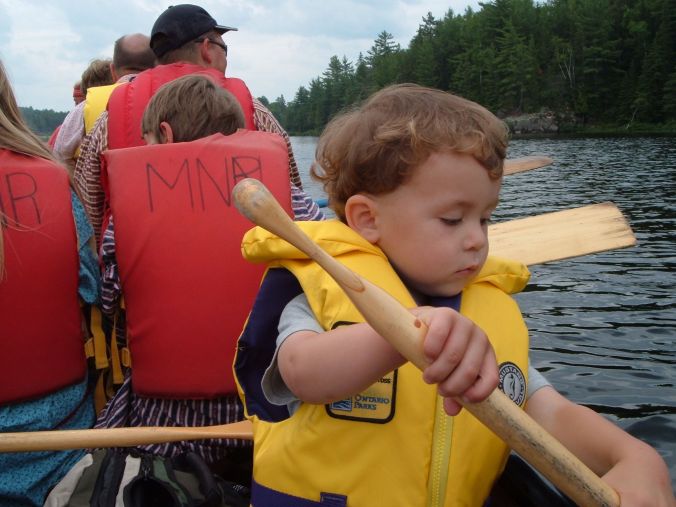
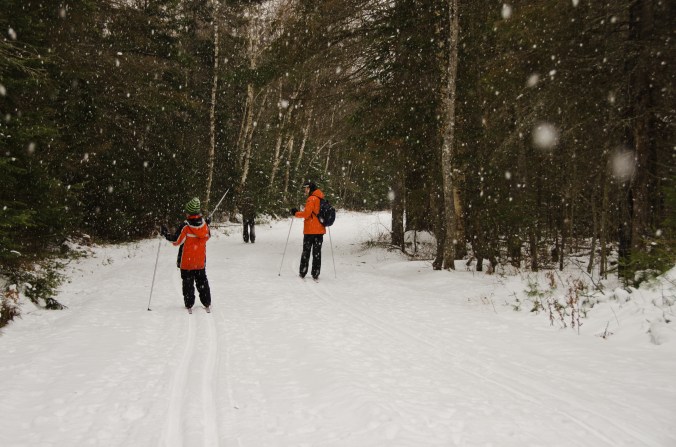
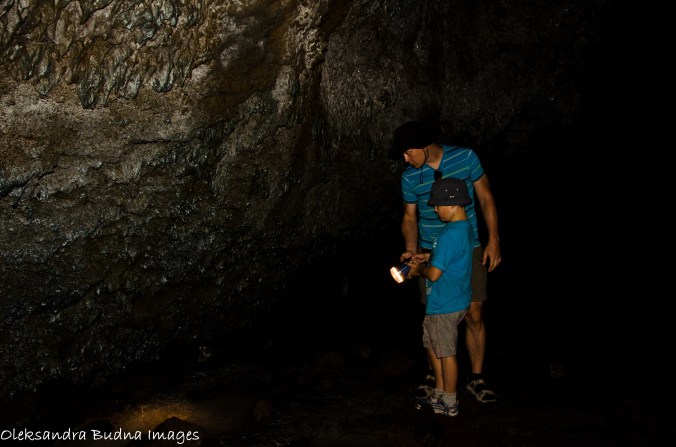
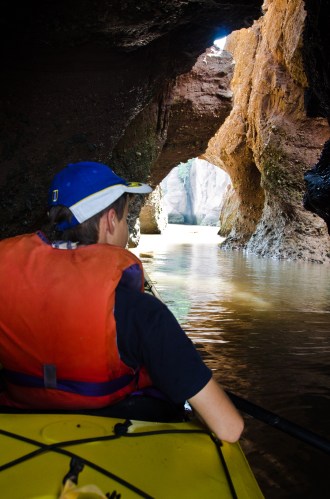
I couldn’t miss such an important occasion since it’s the place of so many favourite memories: our first trip into the interior, our first four-day canoe trip, our first winter camping adventure in a tent. Beautiful sunny skies, stormy weather, rainbows, fall colours, spring flowers and moose sightings, incredible sunsets and loon calls at night. We’ve visited Algonquin in all seasons, experienced it in every type of weather, explored it on foot, in a canoe and on a bike and it is always beautiful and exciting.

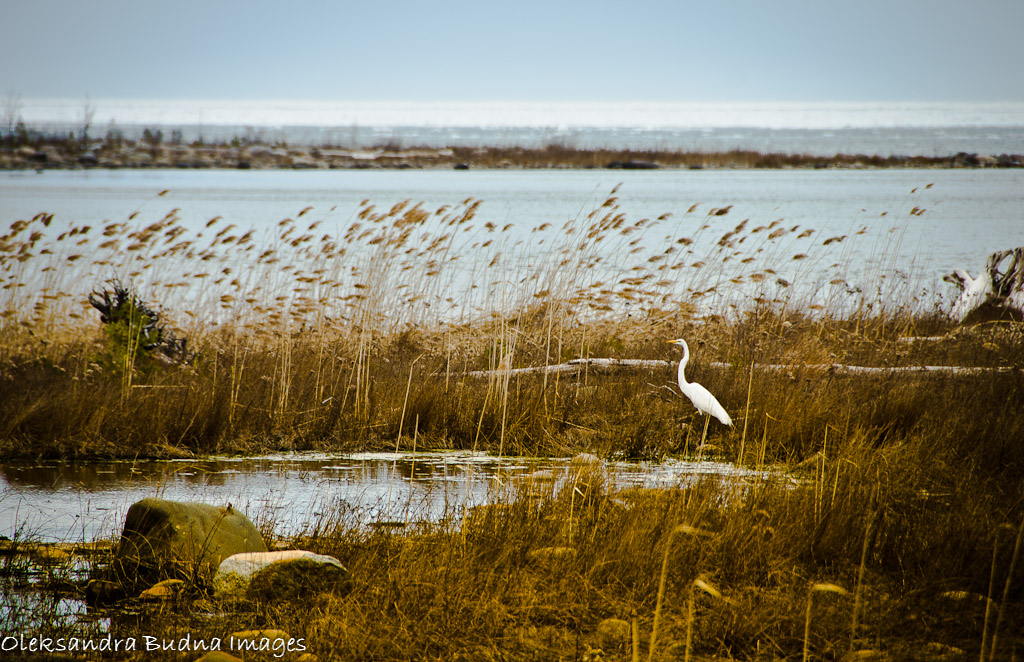
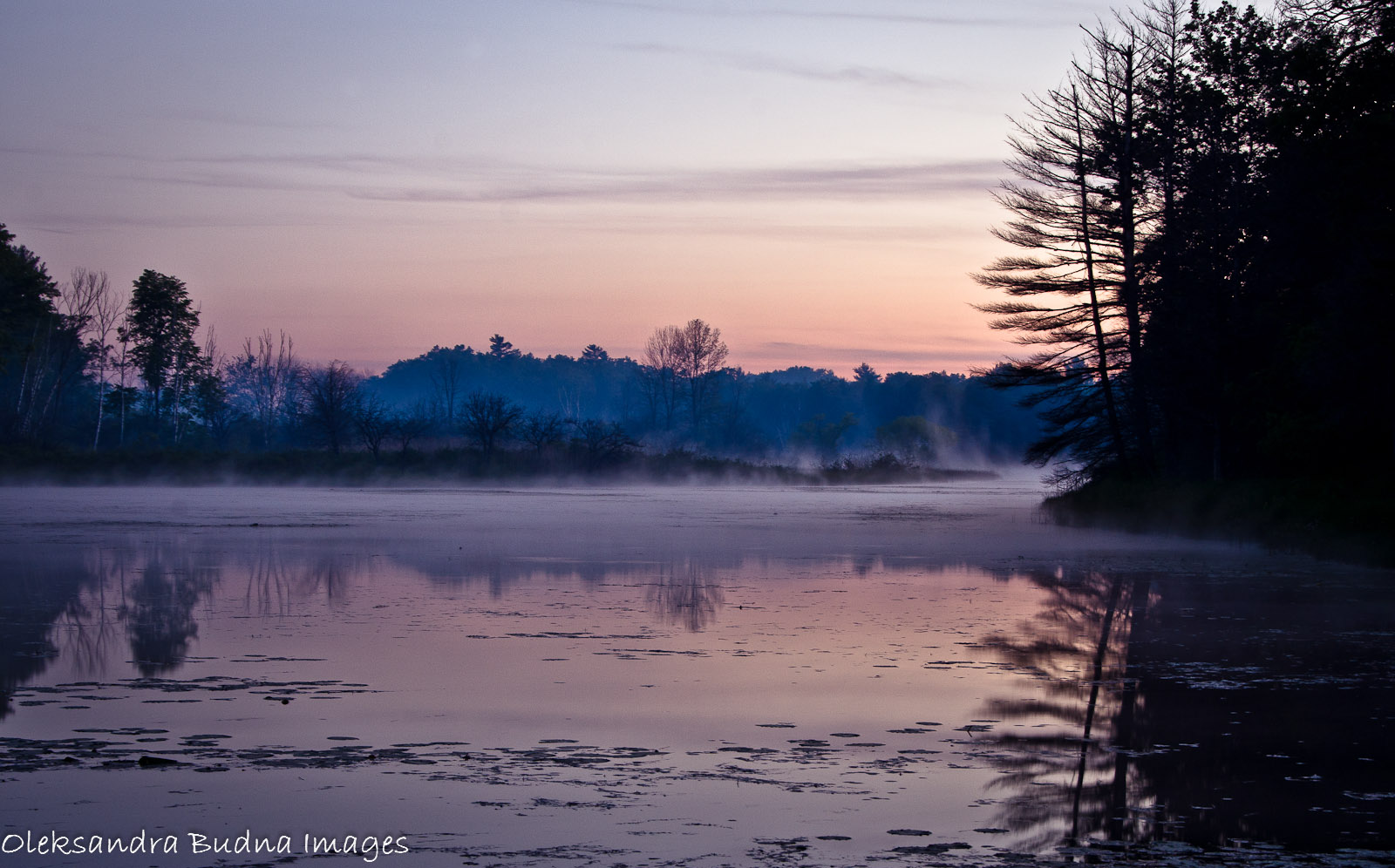
Lake of Two Rivers in the spring

Lake of Two Rivers in the spring

Continue reading

Camping in Canada’s “deep south”: Wheatley Provincial Park, Point Pelee National Park and Pelee Island

May long weekend camping is always a gamble. Will it be cold? Will it rain? Will the temperature drop down to freezing at night? Where to go? Which park to book? This year, we decided to go to Wheatley Provincial Park with the intention to also visit Point Pelee National Park and Pelee Island located nearby. When we arrived in the park late Friday night, the trip didn’t look very promising. The weather forecast showed high chance of rain and thunderstorms for the next couple of days. Our campsite was soggy and wet. On top of it, our neighbours turned out to be Top 40 fans (not my type of music, especially in the woods, where I want to listen to birds not Taylor Swift). On the plus side, the weather gods waited patiently till we finished setting up (it started to rain the exact moment I zipped up the tent door behind me) and the sound of rain drowned out our neighbours’ music.

eating breakfast under an umbrellaThe next morning, we woke up to a drizzle that would occasionally intensify to a medium strength rain. After finishing our breakfast under the umbrellas and playing a dice game (I lost), we started wondering whether we should put up a tarp to get some protection from the rain. Miraculously, it stopped raining sometime around noon and the rest of our stay was rain-free. I am even happier to report that our neighbours didn’t turn on their music after that first night. The mud on our campsite never went away, though. In fact, the ground seemed to be getting soggier and muddier the more we walked on it and we brought back a good deal of Wheatley mud caked onto our boots and tents. But then you can’t have everything. Continue reading

How Green of a Camper Are You? Ways to Reduce the Environmental Impact of Your Trips

Green and camping seem to  go together naturally. What can be greener than spending time in nature? Unfortunately, every time we go camping, we witness activities that are the complete opposite. I am always perplexed by people who insist on driving their cars everywhere in the park: store, wood yard, trail, comfort station? Isn’t the whole point of getting outside to get some exercise? I am appalled by the amount of disposable plates, cups and cutlery that often piles up on some of the sites and disgusted by garbage found on the beach and along trails. And why do people feel they have the right to turn lakes into their personal bathtubs even if there are no shower facilities nearby?

Camping is a great way to connect with nature, relieve stress, get some exercise and fresh air. The benefits are endless. Yet we shouldn’t forget that our mere presence in the parks can be damaging, so we have to make every effort to minimize our impact. If we want to ensure that our children have an opportunity to enjoy nature the way we do, we need to adopt camping practices that promote nature preservation and sustainability.

Here are some ways we try to make our camping trips greener.

Ditch your car, walk or bike instead

boy with a bikeOntario Parks encourage their visitors to park once and walk or bike the rest of the stay. Last year, we finally managed to do that. We used our bikes or feet to get to park stores, beaches, trail heads, even to bring fire wood. Granted it is sometimes hard to do it in larger parks, like Algonquin or Lake Superior. Several national parks in the United States, including Glacier, Rocky Mountain and Grand Canyon, offer free shuttle bus service to their visitors in an effort to reduce traffic on their roads. Hopefully, parks in Canada will consider introducing a similar service. In the meantime, we try to focus on exploring nearby trails and lakes and plan stops at faraway attractions on our way home.

Dispose of your garbage properly

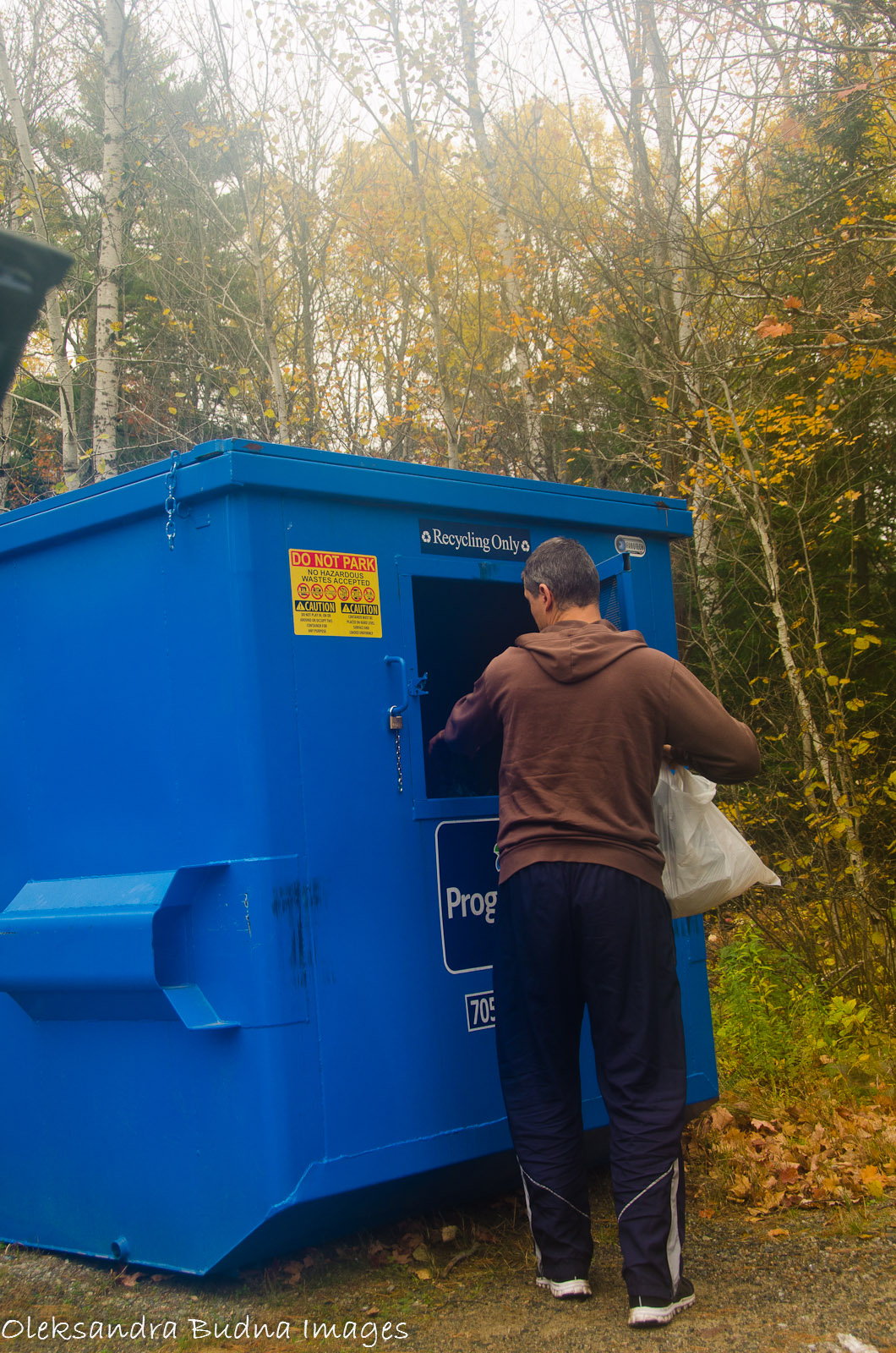
disposing of garbageI am not just talking about not littering here. That should be engrained. It is also important to properly dispose of your garbage at recycling centres available in most camping parks. Sorting your recyclables doesn’t take too long and ensures they don’t end up in a landfill.

Last year, we also tried to reduce the amount of garbage we produce. We buy a lot of our food in bulk and then bring the necessary amount in reusable containers. We try to buy less packaged food and cook more from scratch (there are lots of simple delicious camping recipes that don’t require a lot of time or preparation).

Forgo disposable products

Sometimes I wish parks and conservation areas just banned disposable products all together. This summer, we watched our neighbours accumulate four huge garbage bags of disposable plates, cups and cutlery over two days. Yes, they were a large group of people but that also means they had more than enough people to do the dishes. Yes, washing the dishes isn’t fun, especially in the woods. But isn’t removing yourself from the conveniences of civilization part of the attraction? Just think of it as part of the wilderness survival challenge. gnocchi

We haven’t used disposable eating utensils in years. Last summer, together with our friends, we decided to ditch foil roasting pans as well. Even with reusing them a couple of times, it was still a waste. The regular roasting pan we use at home works just fine outside. We also bring kitchen towels instead of paper ones because we prefer our trees in their original form and not on our table in the form of paper napkins.

Use biodegradable dishwashing products and toiletries

We don’t use any commercial chemicals-packed dishwashing liquids or beauty products at home and it’s even more important to avoid them in nature. Baking soda can do the job just fine or if you need some bubbles, you can make your own dishwashing liquid using Dr. Bronner’s castile soap (we just dilute it in water 1:3 and add 1 tablespoon of washing soda for each liter of liquid plus a few drops of any essential oil for smell). Castile soap is also great for washing yourself. Your skin will thank you. If you are not into making your own dishwashing liquid, shampoo or toothpaste, you can always buy eco-friendly biodegradable options. And avoid using any toiletries around rivers and lakes. A few days without a shower will not kill you.

There are lots of other ways to make your camping more eco-friendly, like buying used equipment or renting it from an outfitter, staying on trails and using marked campsites, using proper firewood, respecting wildlife, taking nothing but pictures and memories. Visit Leave No Trace Canada website to learn more about what you can do to reduce your environmental impact. Parks and conservation areas are here for us to not only enjoy but also protect nature. Let’s remember that!

custer state park


Time to Spring into Camping

So spring is officially here! And it comes with warmer weather, longer days and a promise of more camping trips. While April and May with melting snow, uncertain weather, lots of mud and quite often still cold nights may not seem like the best choice to head into the woods, there are lots of things that make spring camping special. Here is what I am looking forward to as we are preparing for our first spring camping trip of the year.

Rebirth of nature

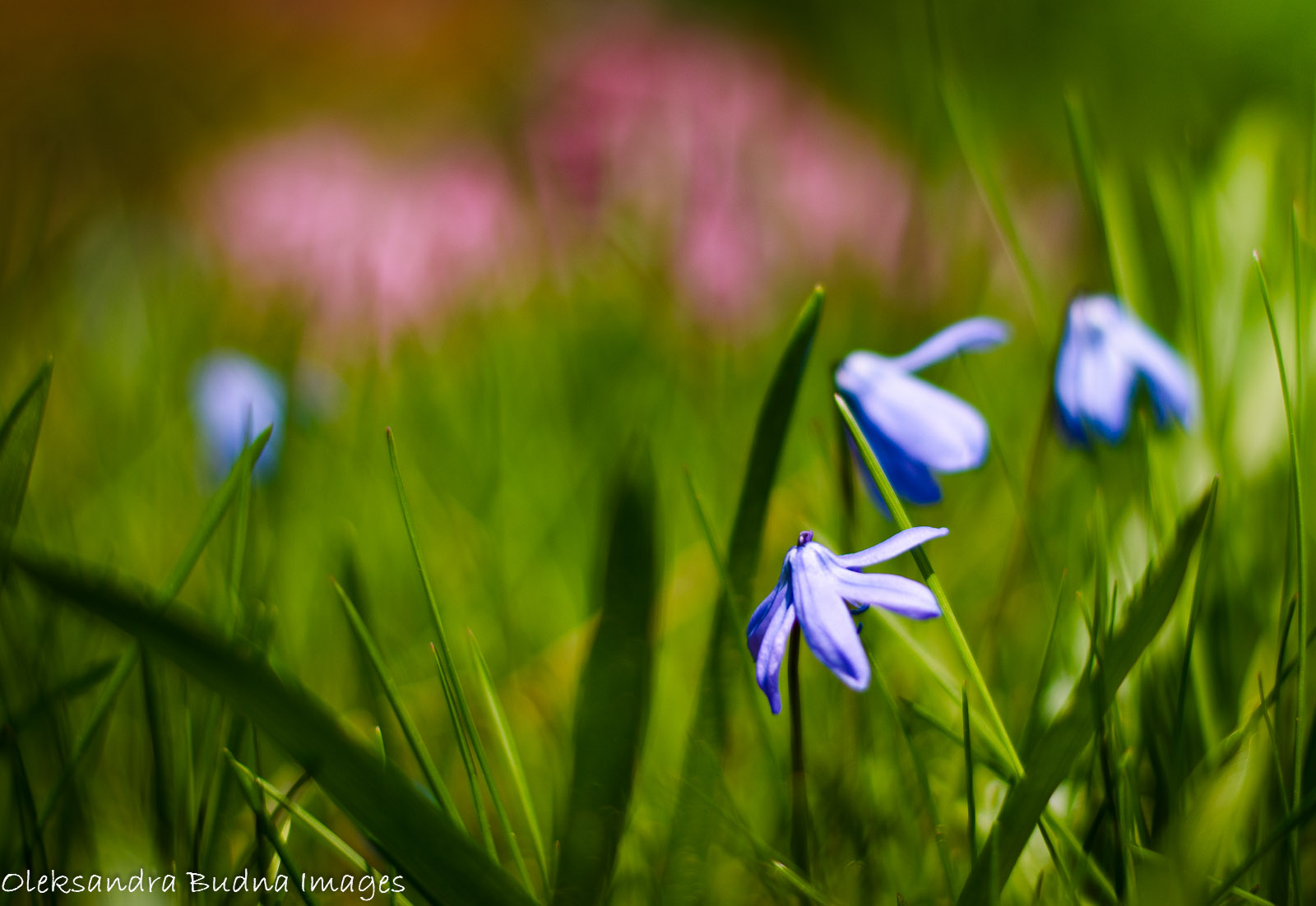
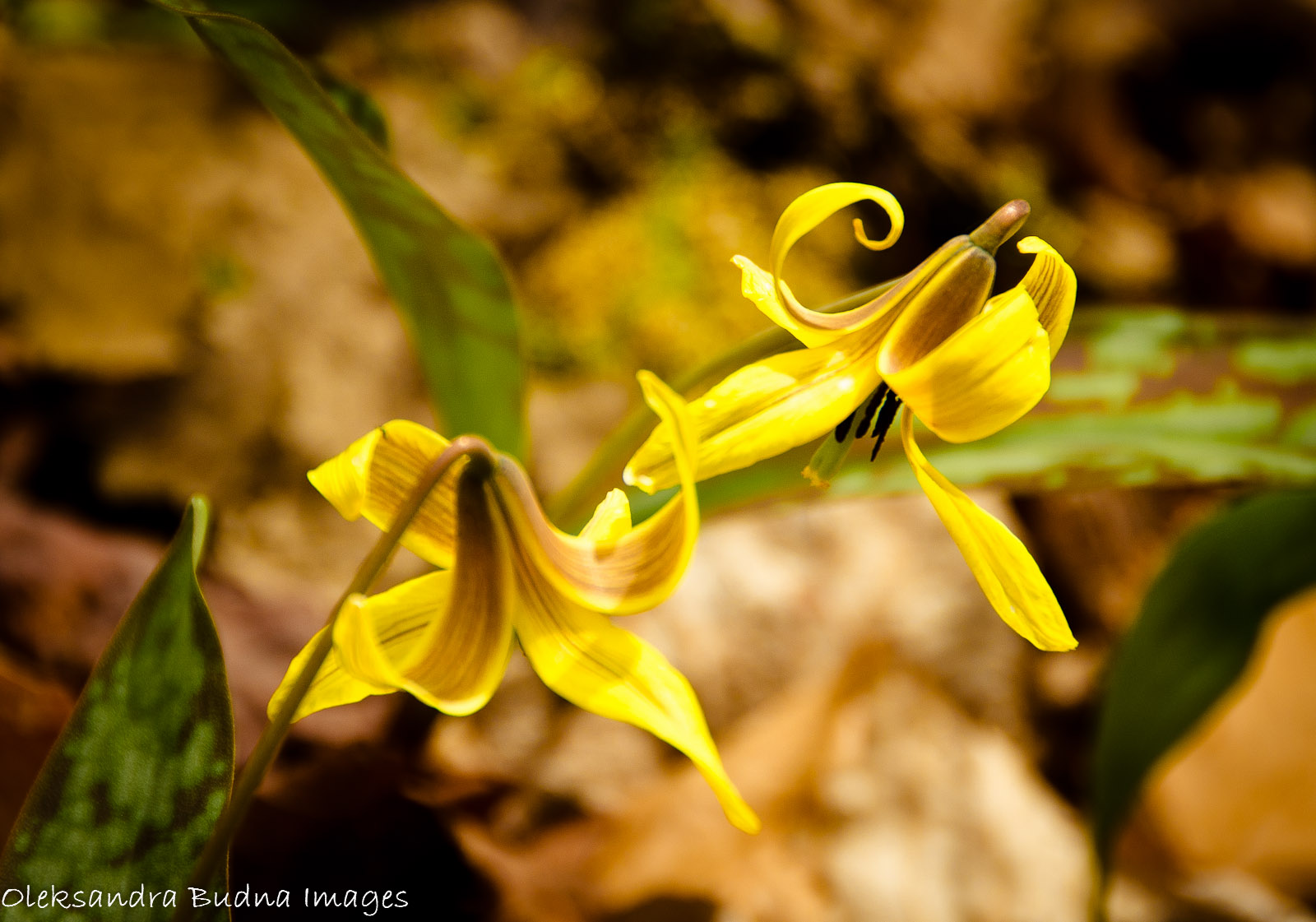
After a long winter sleep, nature finally shakes off its white blanket and springs into a burst of colours, smells and sounds. Even though I know it’s coming, every year I am mesmerized by this magic act of rebirth, by the vigour of spring flowers pushing their way through the ground, by the tenderness of swelling buds. The blues, yellows and purples of spring ephemerals and bright greens of first leaves look like drops of paint spattered by a careless artist around the otherwise still bare forest. So put on a pair of waterproof boots and head to the forest. Walk slowly and look for signs of spring awakening.

boardwalk at Presqu'ile Provincial park

flower   first leaves

spring flowers   spring flowers

tree in the spring   willow in the spring

spring flowers

Trilliums

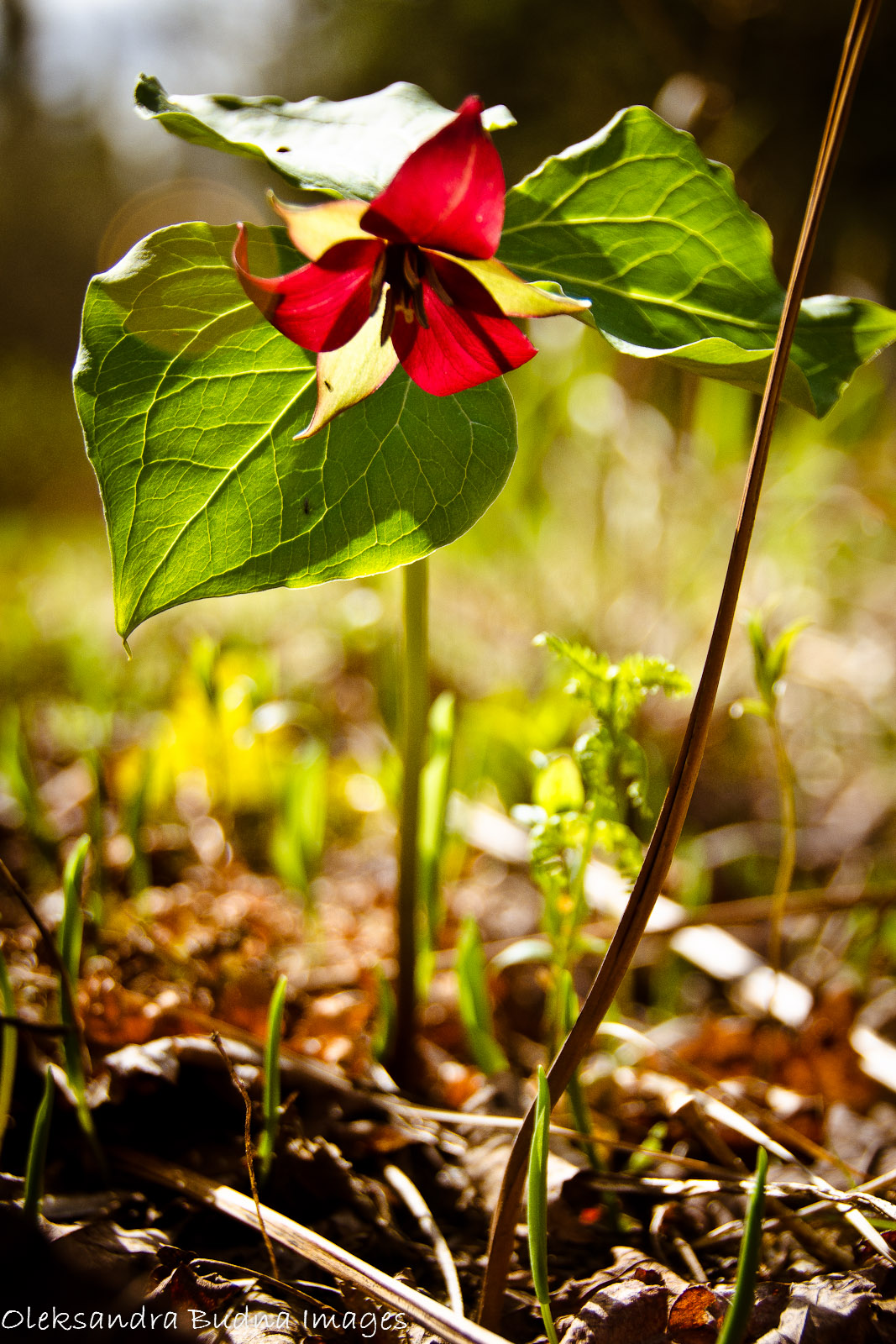
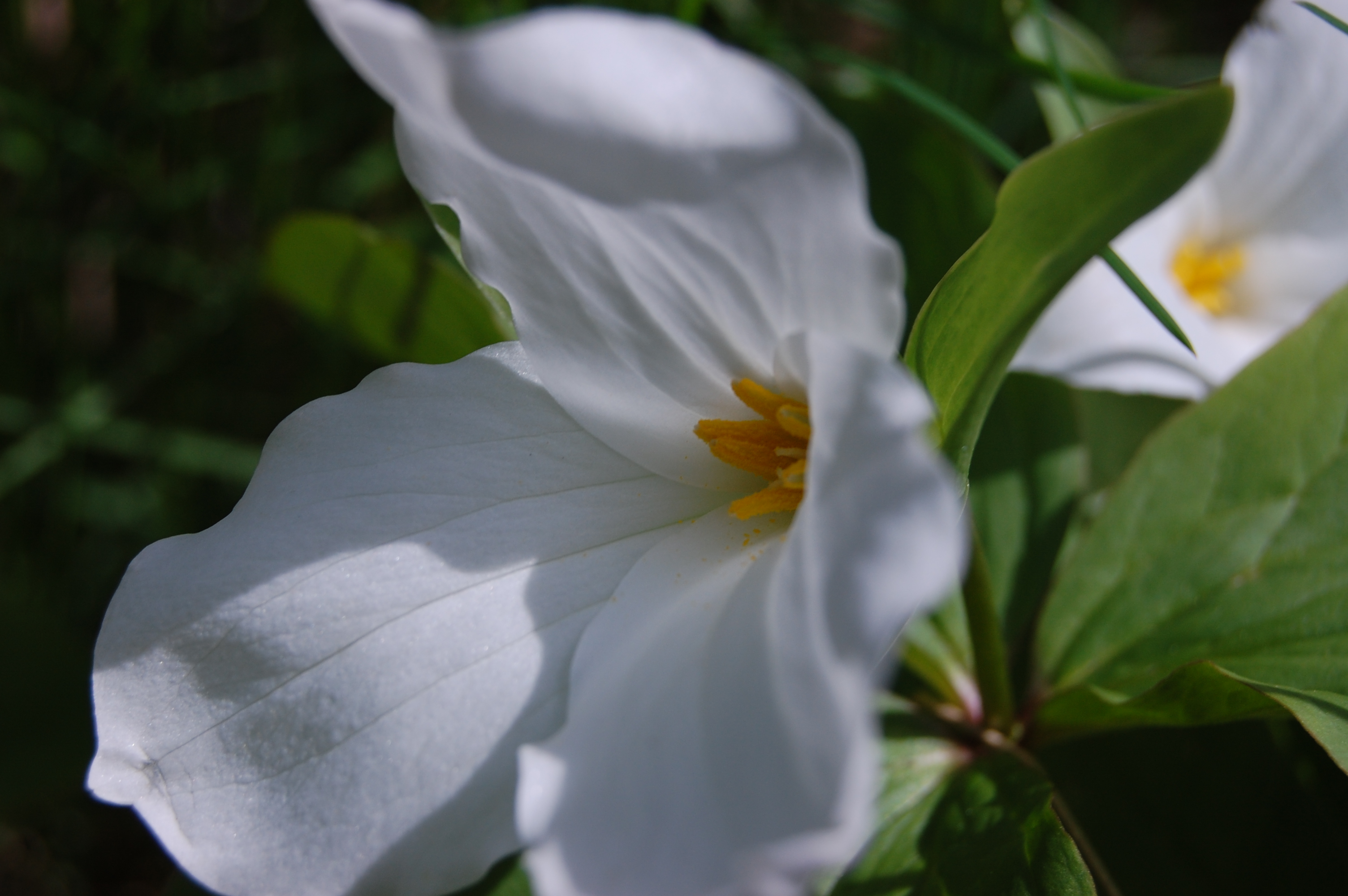
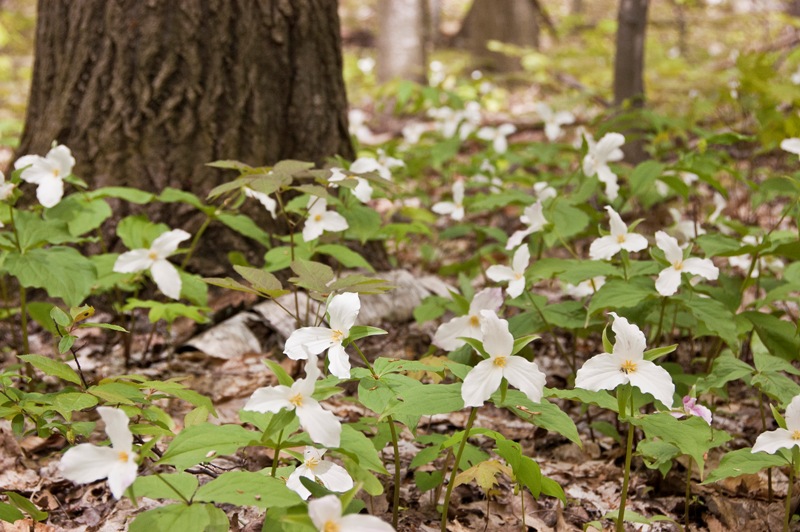
Yes, it is a flower and could be mentioned above but in my book of spring camping it deserves a separate chapter. It is Ontario’s official flower and spring is the only time when you can see it. Imagine forest floor covered by a blanket of snow-white curvy petals with occasional pinks or reds peeking through. It is a sight worth seeing, practically a must if you live in Ontario.

red trillium   white trillium

trilliums

Twitter

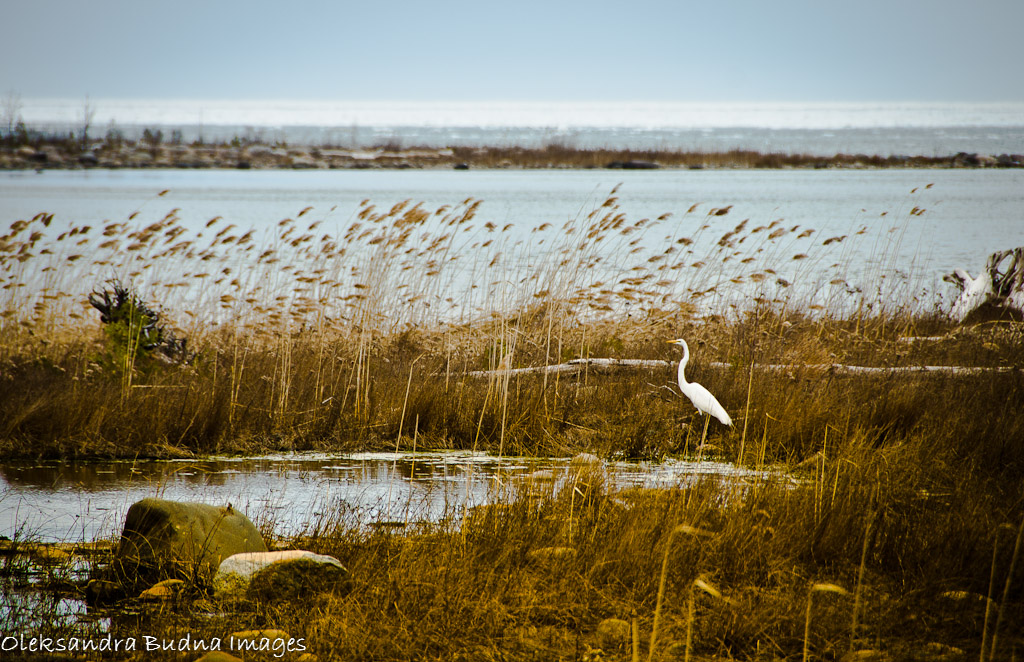
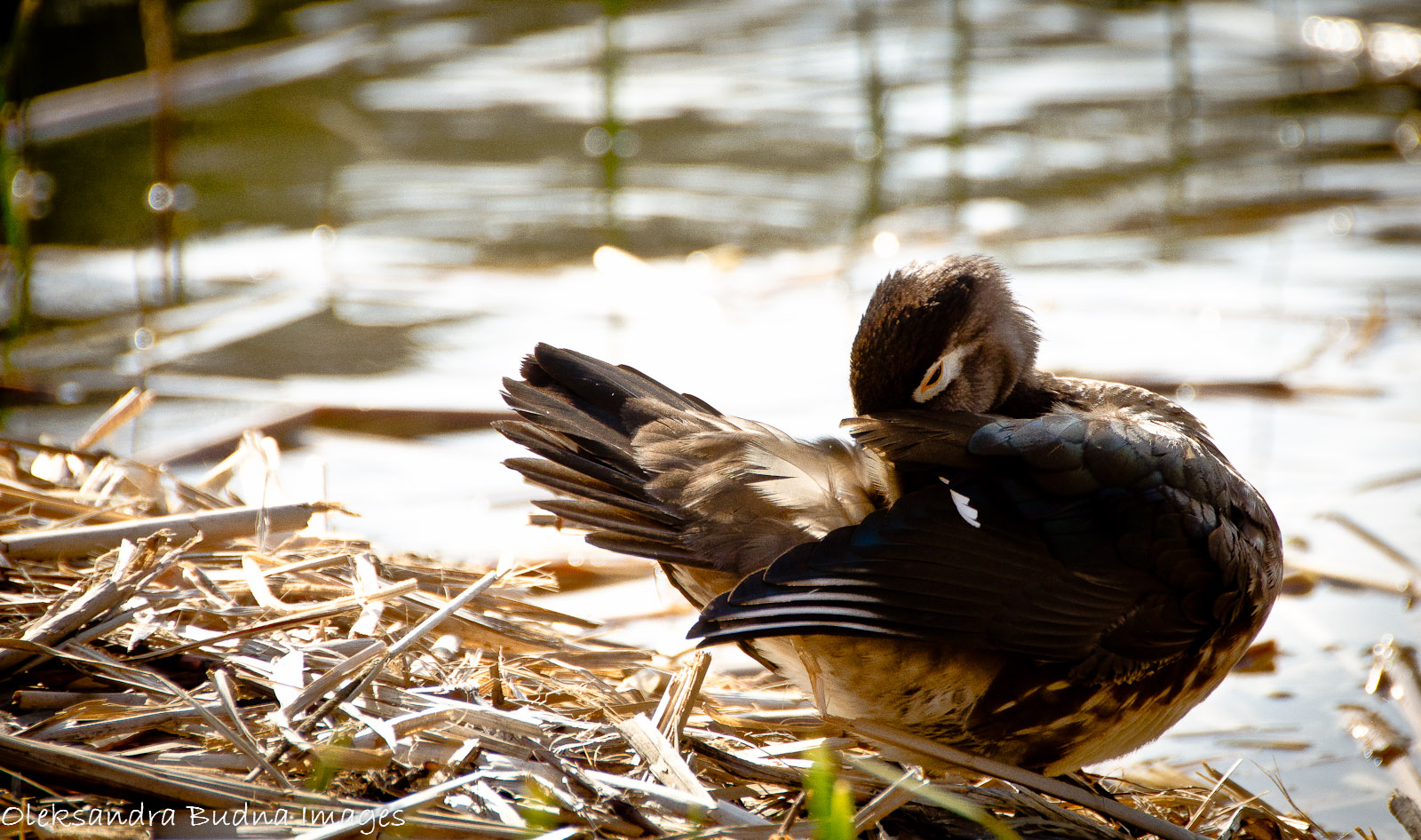
Not the one on your phone, of course, the original one produced by birds. In the spring, woods and lakeshores are filled with chirps, cheeps, peeps and tweets. Ontario Parks offer excellent birdwatching opportunities. Some parks, like Presqu’ile, Long Point or Point Pelee are practically birders’ meccas. So if birdwatching is your thing, grab your camera and binoculars and head to one of the parks. And even if you are not a birder, waking up to a birdsong is way more pleasant than to an alarm on your phone.

heron near the lake

duck

warbler   warbler

family of geese

Wildlife sightings

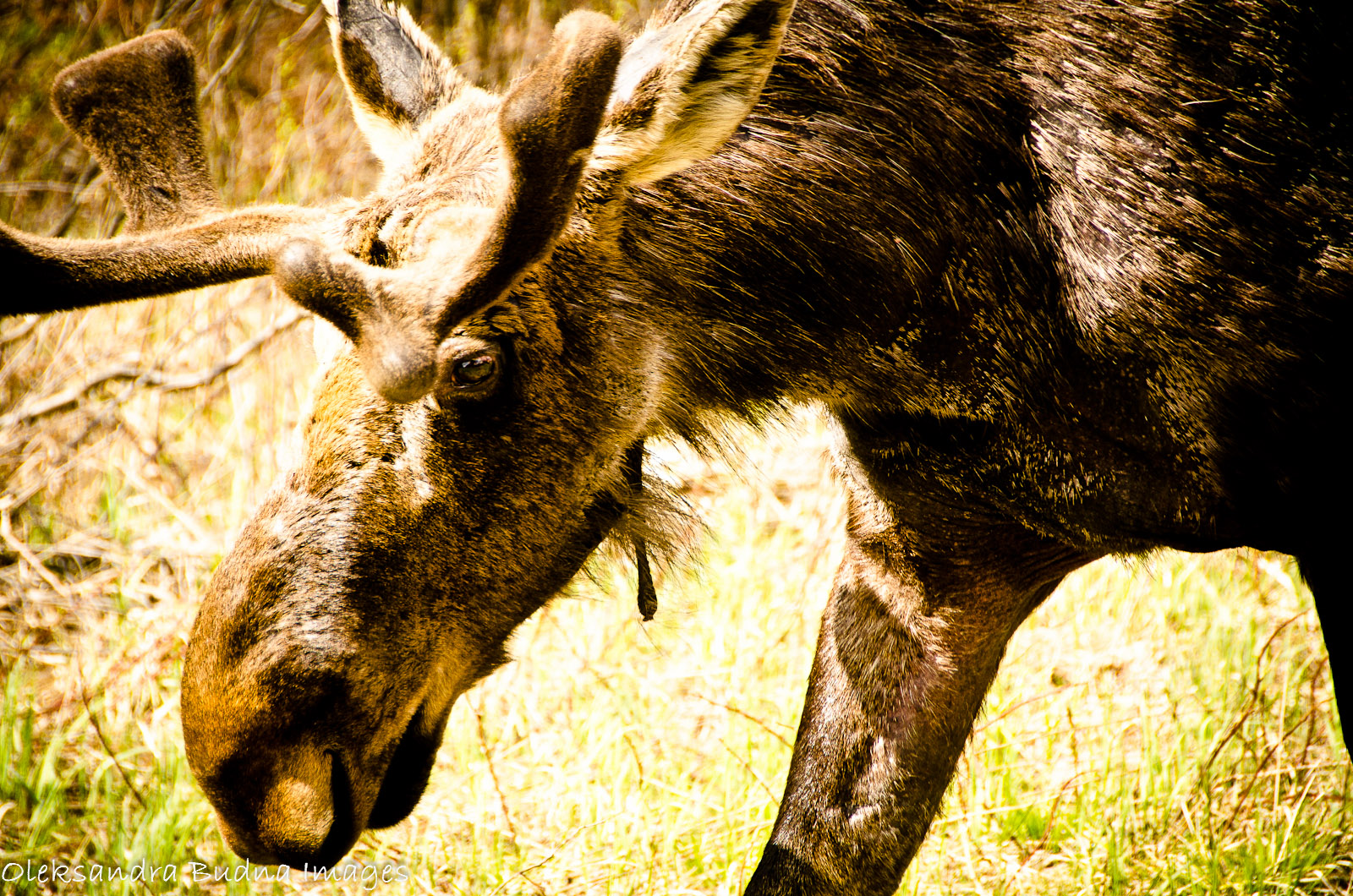
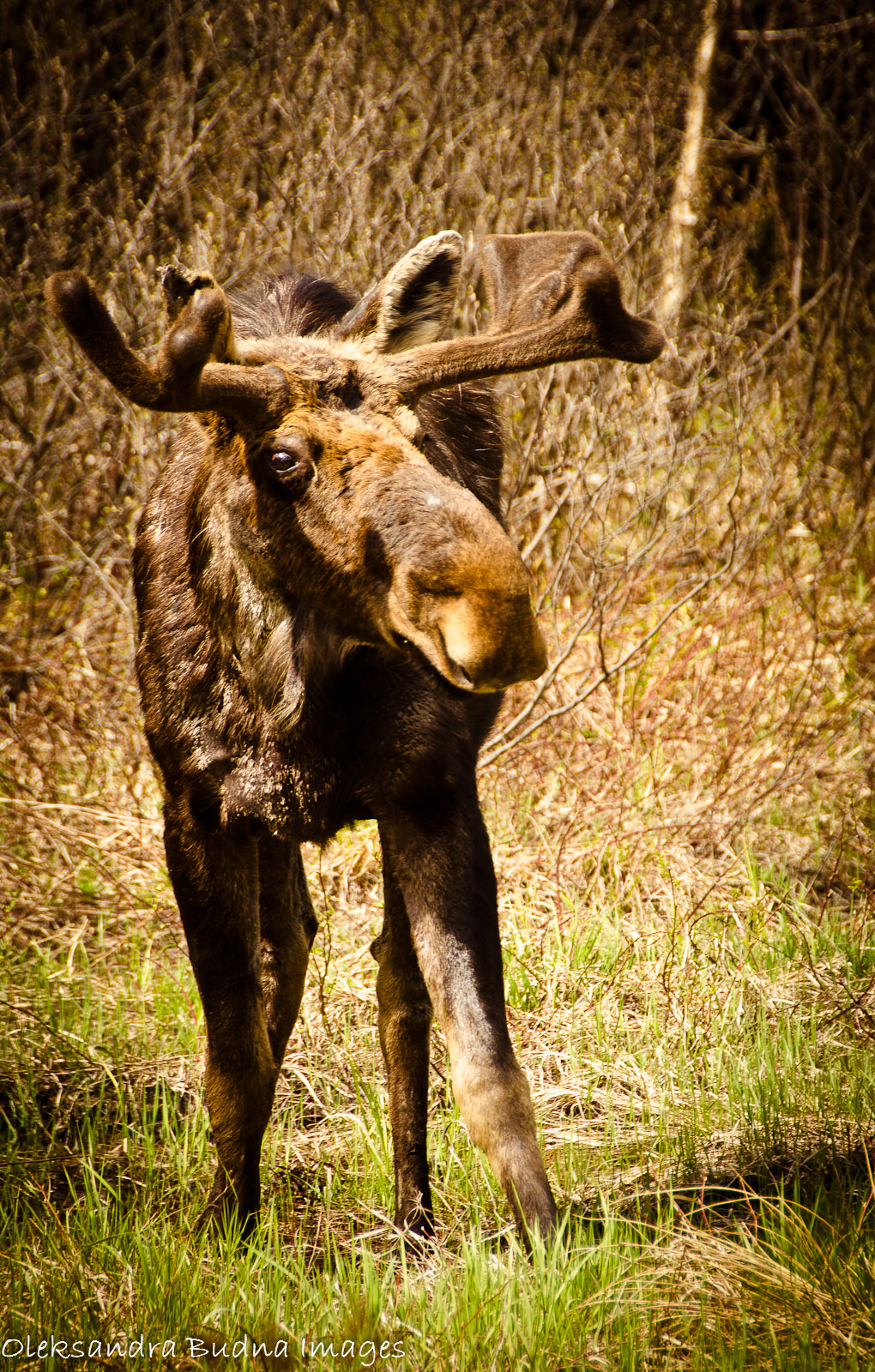
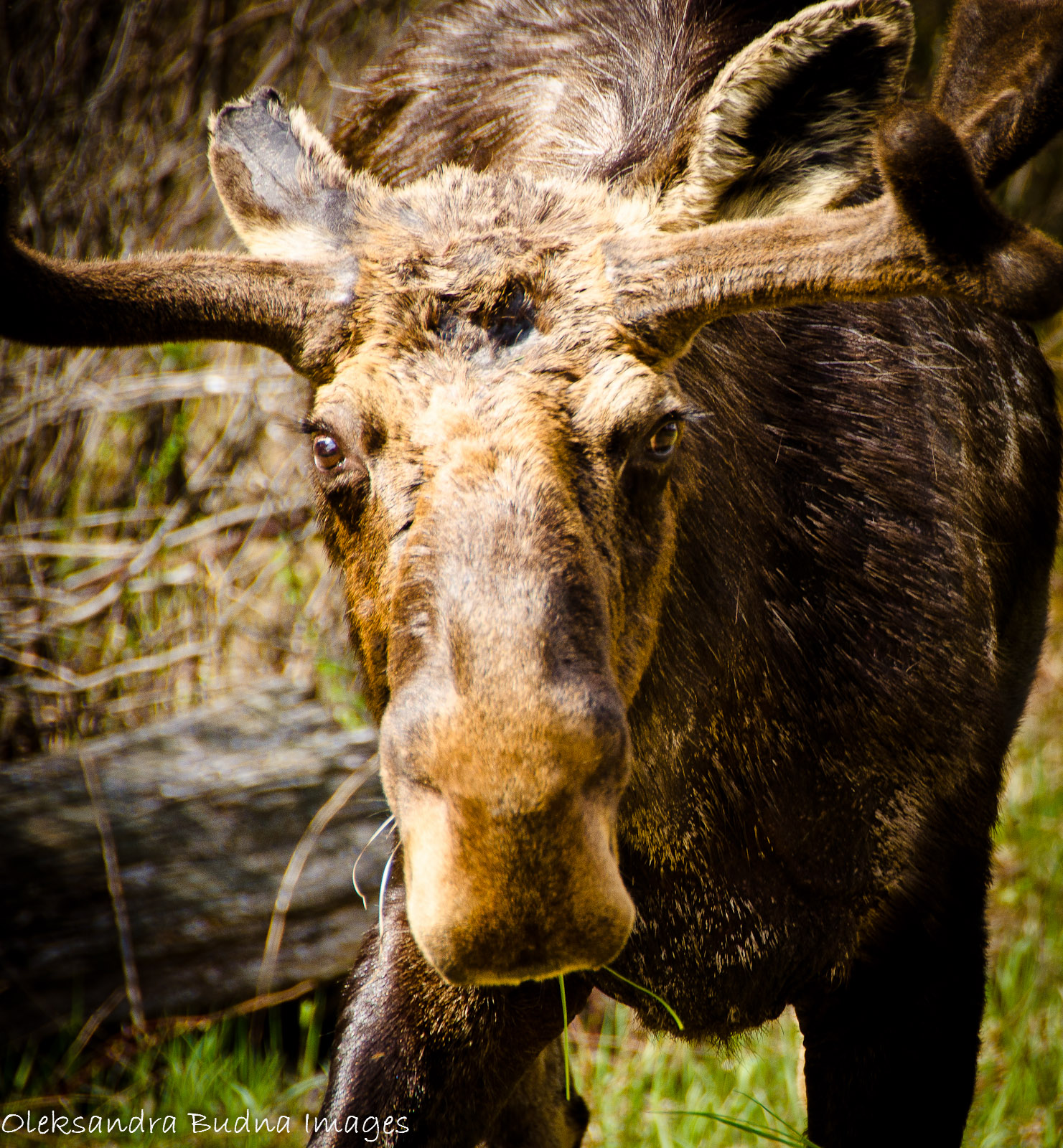
As more and more animals wake up from their winter slumber and right before summer crowds hit the parks, spring offers a great window for wildlife viewing. For instance, spring is the best season for moose watching in Algonquin. You don’t even have to go far. You are almost certain to see these animals along Highway 60 as they are attracted by the salt in road ditches. As always, it is important to remember that wildlife may pose danger. So exercise caution when you are driving in or close to the parks, and give animals lots of space whenever you come across them in the woods.

moose in algonquin park

moose in algonquin   groundhog

More daylight

Longer days mean more outdoor activities. While there is a certain charm to long winter evenings by the fire and there are lots of enjoyable activities to fill the time, as the days are getting longer I am looking forward to spending more time outside and can now plan for longer hikes or bike rides.

More sun

After a long and cold winter, we all deserve a bit more sun. And with more sun come better moods, warmer weather and more Vitamin D. Spring weather with its gentle sun, a bit of a breeze and without the usual summer humidity is perfect for outdoor activities.

Fewer layers

As the weather gets warmer, we can start shedding all those winter layers. As much as I enjoy winter, I won’t miss extra sweaters, snowpants, scarves, hats and gloves and I am looking forward to spending less than ten minutes getting dressed before going outside. Spring nights can still be pretty chilly so don’t put away your sweaters and hats too far away just yet. If you are concerned about spring chill at night, consider booking roofed accommodations at one of Ontario Parks. They are much easier to book in the spring as more people are choosing to stay in tents.

awenda in the spring   Macgregor point

walking over a log   on the beach at awenda in spring

Cycling

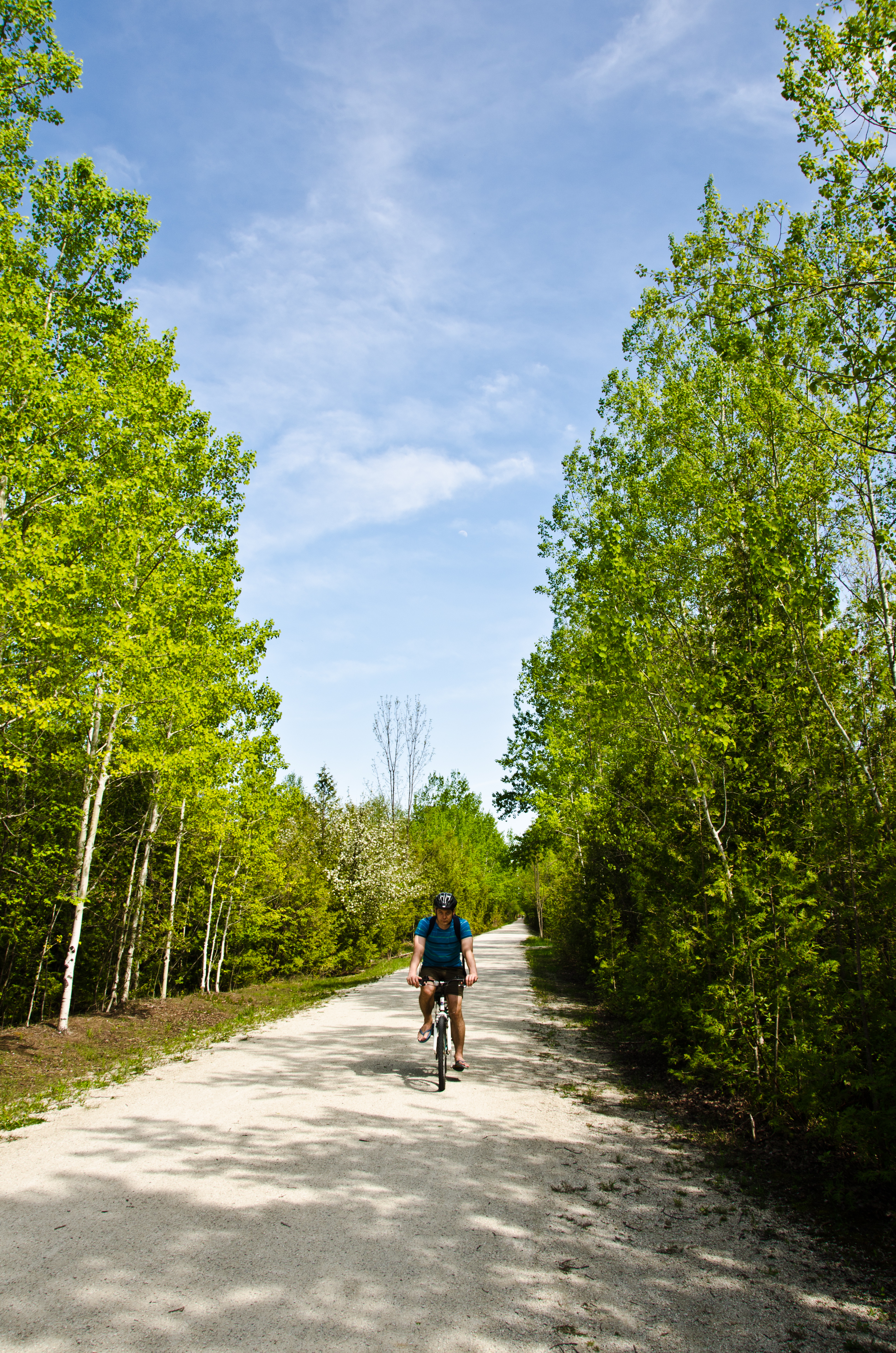
Yes, you can bike in the summer and fall too, but there is nothing like the first bike ride of the season. After a long cycling gap (unless, of course, you are a winter biking enthusiast), the sensation of pushing pedals is always new and exciting. With a breeze in your hair and a birdsong in your ear, spring cycling is filled with childlike joy. So dust off your bike, tune it up and head outside. A lot of Ontario Parks have excellent biking trails, for instance, Pinery, Algonquin, MacGregor Point. Quite a few also offer bike rentals.

biking in algonquin   biking at craigleth provincial park

Canoeing

Just like cycling, canoeing is not a strictly spring activity. But just like with cycling, I can’t wait till the first paddle of the year: the slight resistance of water as my paddle cuts through it, the splash, the feeling of gliding on the surface. Plus rivers and lakes are at their fullest in the spring after the snow melts making them easier to navigate. Some routes can only be paddled in the spring or early summer at the latest and they become almost impassable as the water levels drop later in the season.

paddle in the water

Finally, the best cure for cabin fever

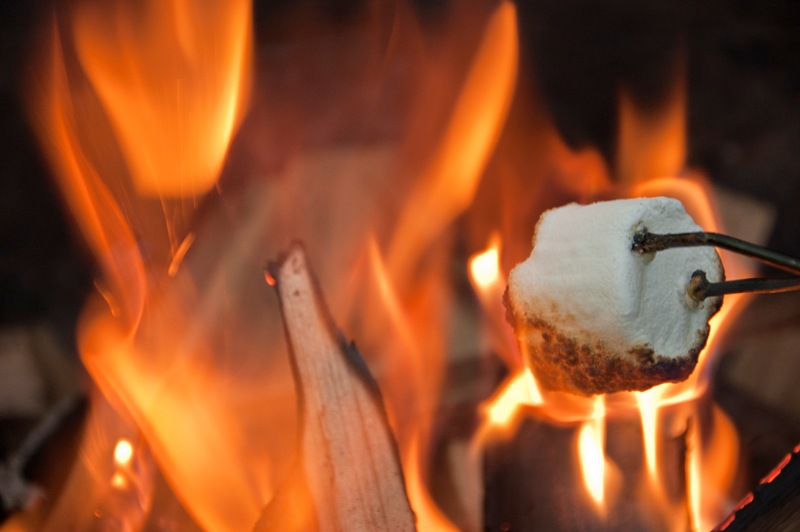
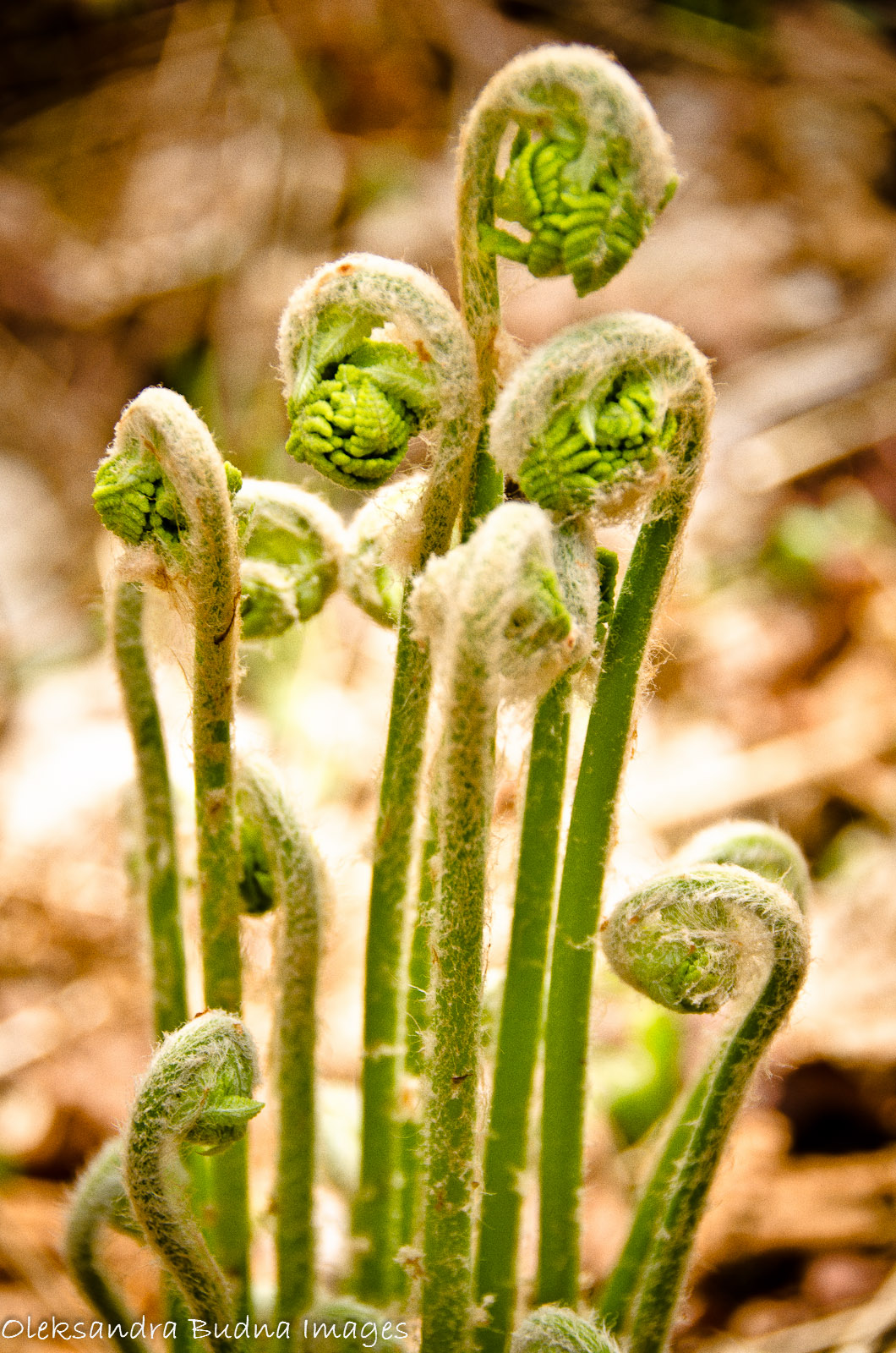
Even though we go camping in the winter too, with only two or three trips over the whole season I feel like we spend too much time in the city. So why wait till summer if you can go camping now. Nothing can chase those winter blues away like the orange crackling of a campfire, the bright yellow of first spring flowers  and the tender green spirals of fiddleheads.

marshmellow in the campfire

yellow spring flowers   fiddleheads

Time to start packing! Remember that Ontario Parks have different opening dates while some are open year round. Check Ontario Parks website for help with your trip planning and to book campsites.


Winter in Algonquin: Camping in a Tent

We really love winter camping with its frozen beauty, fun activities in the snow and smaller crowds (add absence of bugs for my husband and our younger son). Usually we stay in a yurt or a cabin, which still sounds extreme to some people. At the beginning of this winter though, we decided to take it to the next level and try camping in a tent. But as the winter was progressing with temperatures dropping lower and lower, we were close to giving up on the idea with the usual ‘maybe next year.’ And then this past weekend, we decided that there was no better time than now, packed all our stuff Saturday morning and headed to Algonquin Provincial Park.

Algonquin’s Mew Lake campground is open year round with seven yurts, which need to be reserved in advance online or over the phone, as well as electrical and non-electrical campsites available on the first come first serve basis. Campsite permits can be purchased at the West or East Gate from 9 a.m. to 4 p.m. After four, there is a self-serve registration kiosk at the entrance to the Mew Lake Campground.

The weather didn’t look very promising on Saturday. It was grey and drizzling but at least not too cold. Luckily, there was still a lot of snow left at Algonquin, otherwise it wouldn’t be much of a winter camping. We arrived at the campground around 5. Quite a few campsites boasted all sorts of tents, some with chimneys sticking out, others just regular ones. We snatched a waterfront site with a view of the lake, frozen and beautiful.

tent in the winter, Mew Lake Campground, Algonquin

We don’t have a winter tent and, after reading all about it, I decided we could get away with our three-season one. There was no heavy snowfall in the forecast so we didn’t have to worry whether the frame would hold. The tent has a fly that extends all the way to the ground so it provides pretty good protection from the wind. We also added a tarp on top of it for some extra protection ensuring there was a good flow of fresh air. We added a tarp under the tent as well, plus two layers of sleeping pads for additional insulation from the ground. We also brought two sets of sleeping bags for everyone for extra warmth. And we did bring our small electrical heater so it wasn’t nearly as extreme as it sounds. In the end, no one was cold, although it was a bit chilly around dawn. The hardest part was getting out of the tent in the morning but with nature calling (pun intended) and a promise of coffee it was doable.

kid in front of the tent in winter

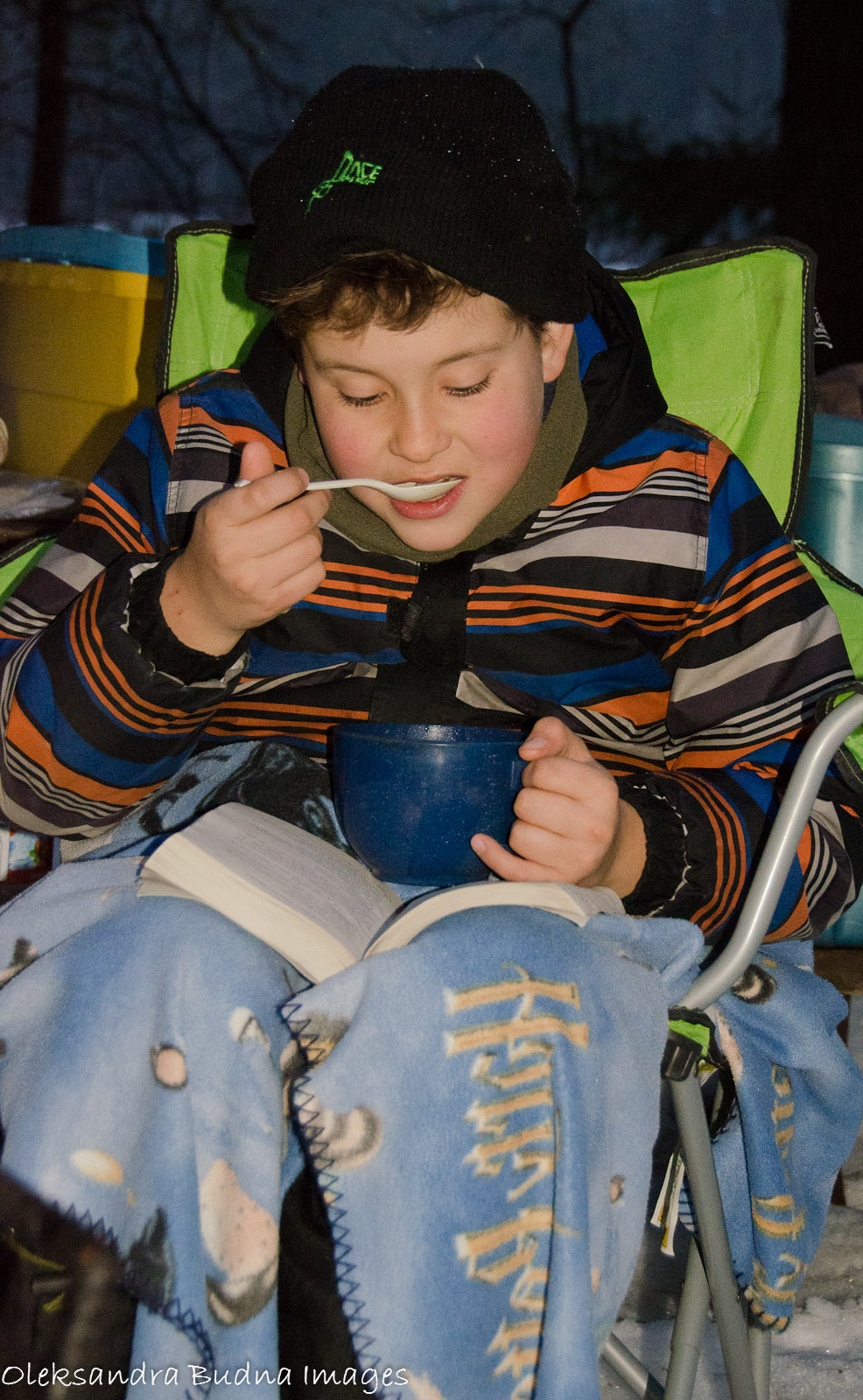
kid eating in a camping chairCooking also presented a bit of a challenge without roofed accommodations to do food prep. So anything that could be just dumped into the pot, mixed with water and cooked quickly worked best. We made our favourite minestrone soup with the soup mix from Bulk Barn: we cut the recommended dose of the mix in half to reduce the salt content and add red lentils and dehydrated vegetables from Bulk Barn as well. We also made veggie burgers the second night and cooked eggs with beans in the morning.

On Sunday, the weather improved considerably. It was sunny and crisp with a hint of spring.

winter sky

winter forest

buds

We decided to hike the Bat Lake Trail since it was very close to the Mew Lake Campground. That way we didn’t have to drive anywhere. It’s a perfect trail for a winter hike with frozen waterfalls (our son called them Elsa’s castle), a beautiful lookout point and a few lakes along the way.

frozen waterfalls, Bat Lake Trail in Algonquin   frozen waterfalls, Bat Lake Trail in Algonquin

looking at a frozen waterfall   frozen waterfall

lookout on Bat Lake trail in Algonquin

on the trail   on the trail

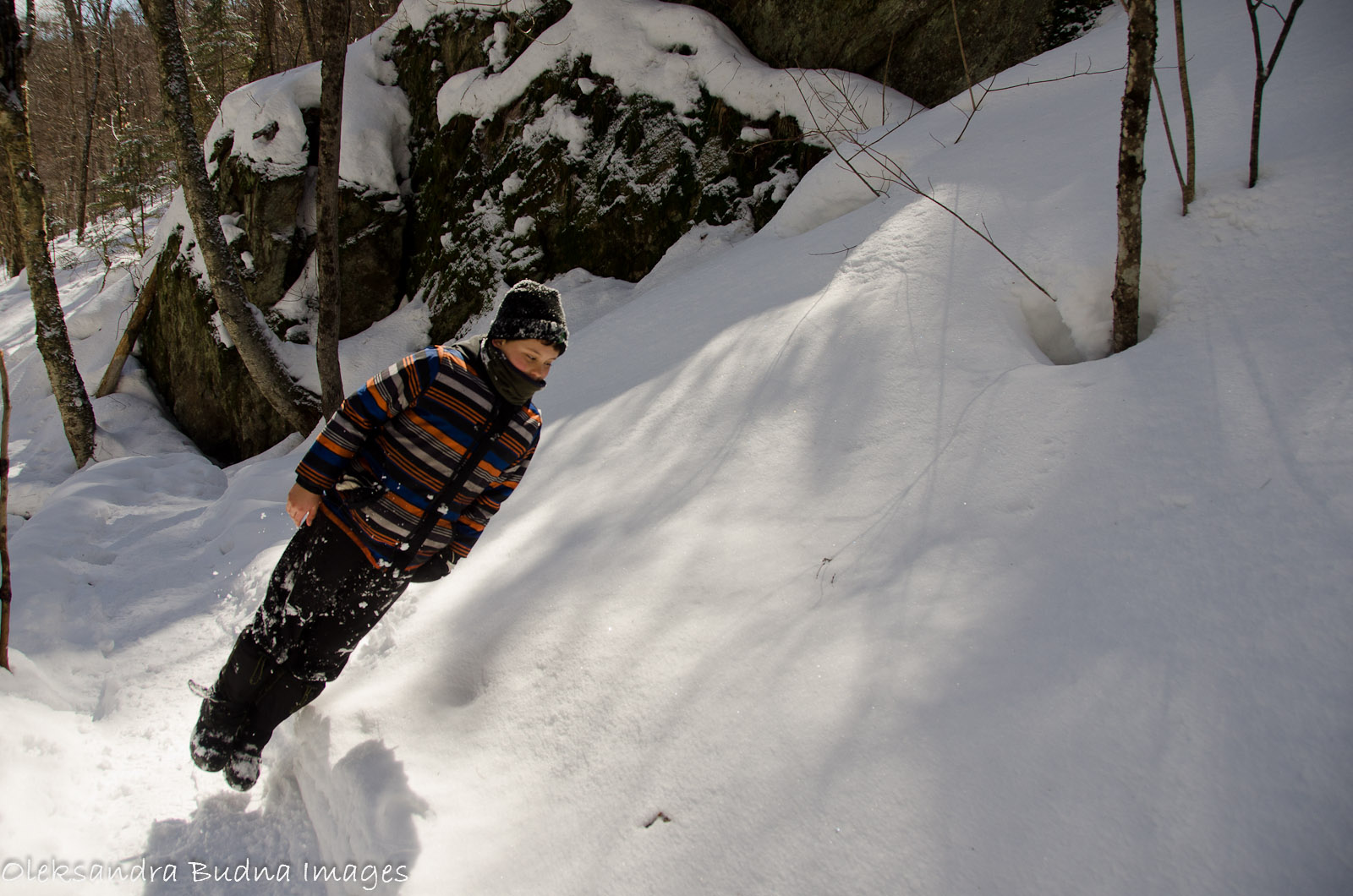
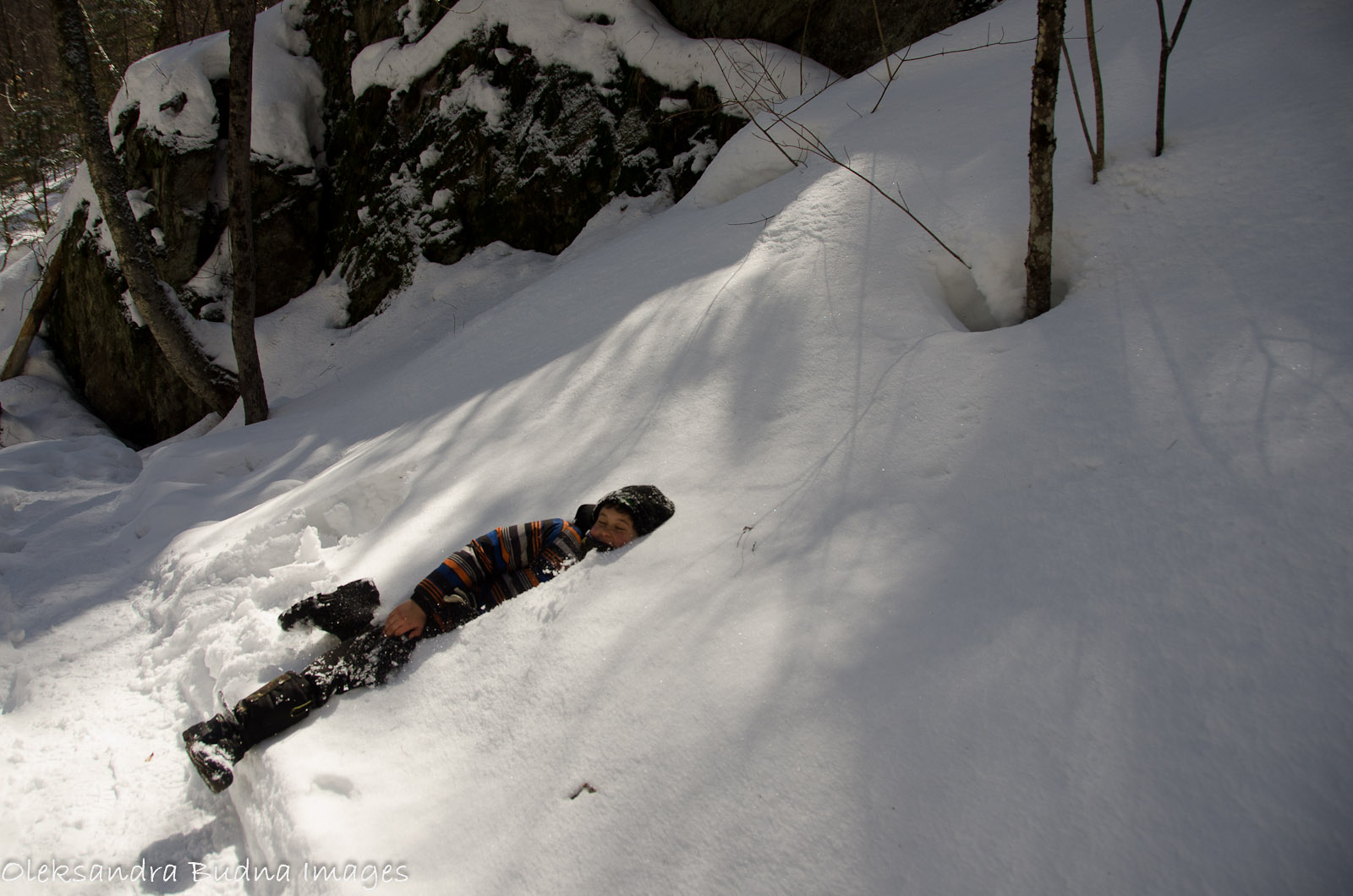
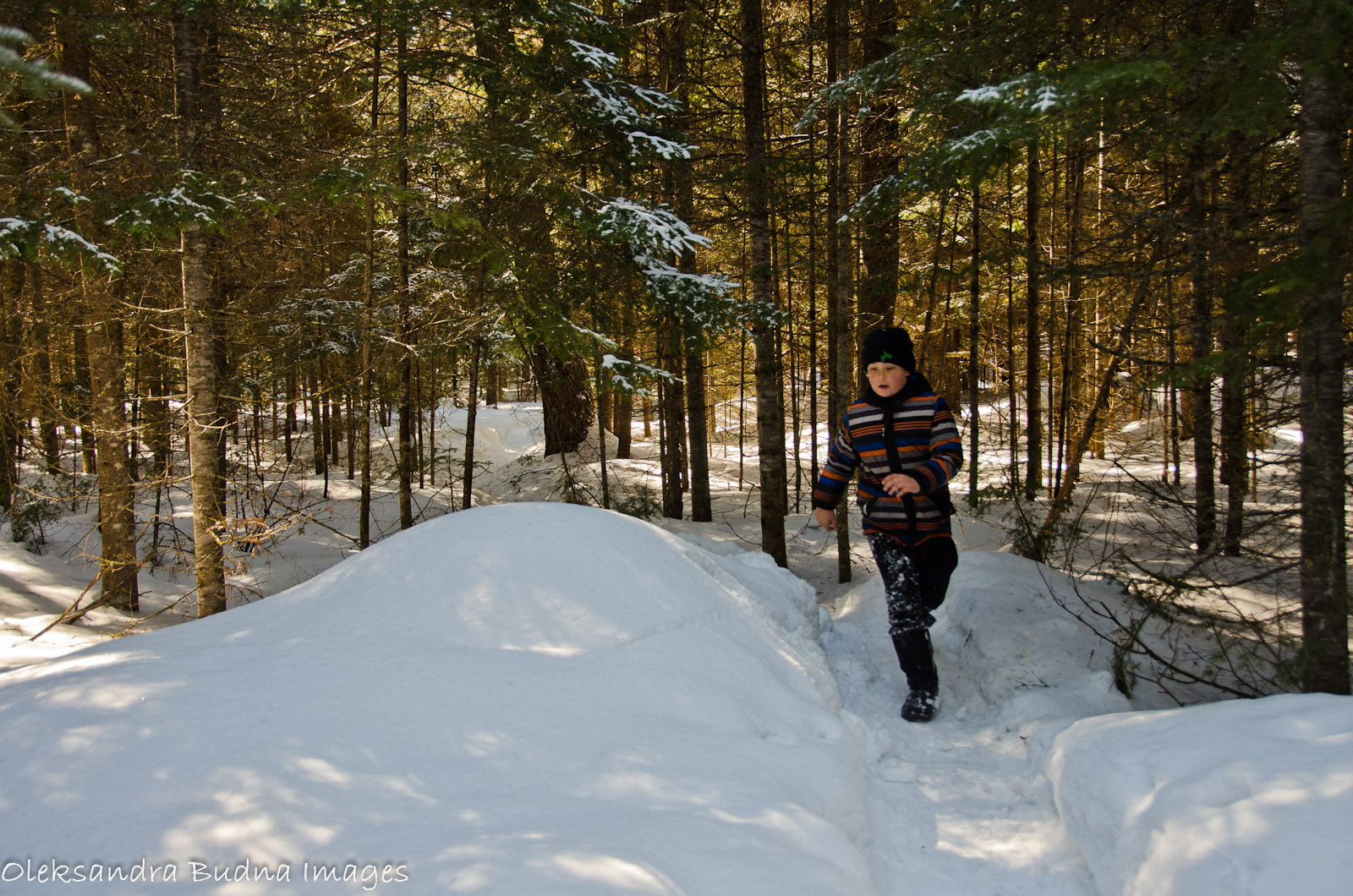
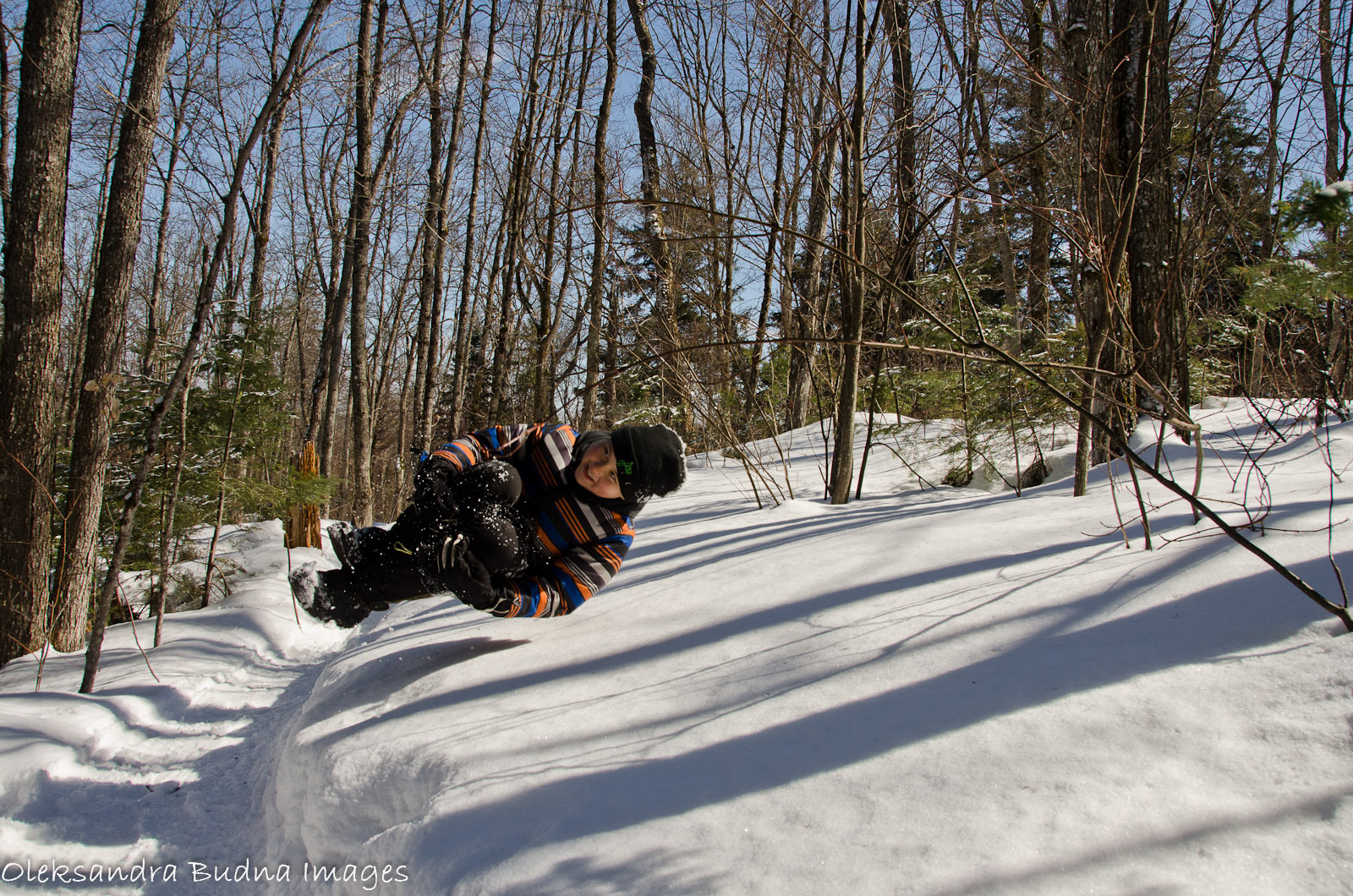
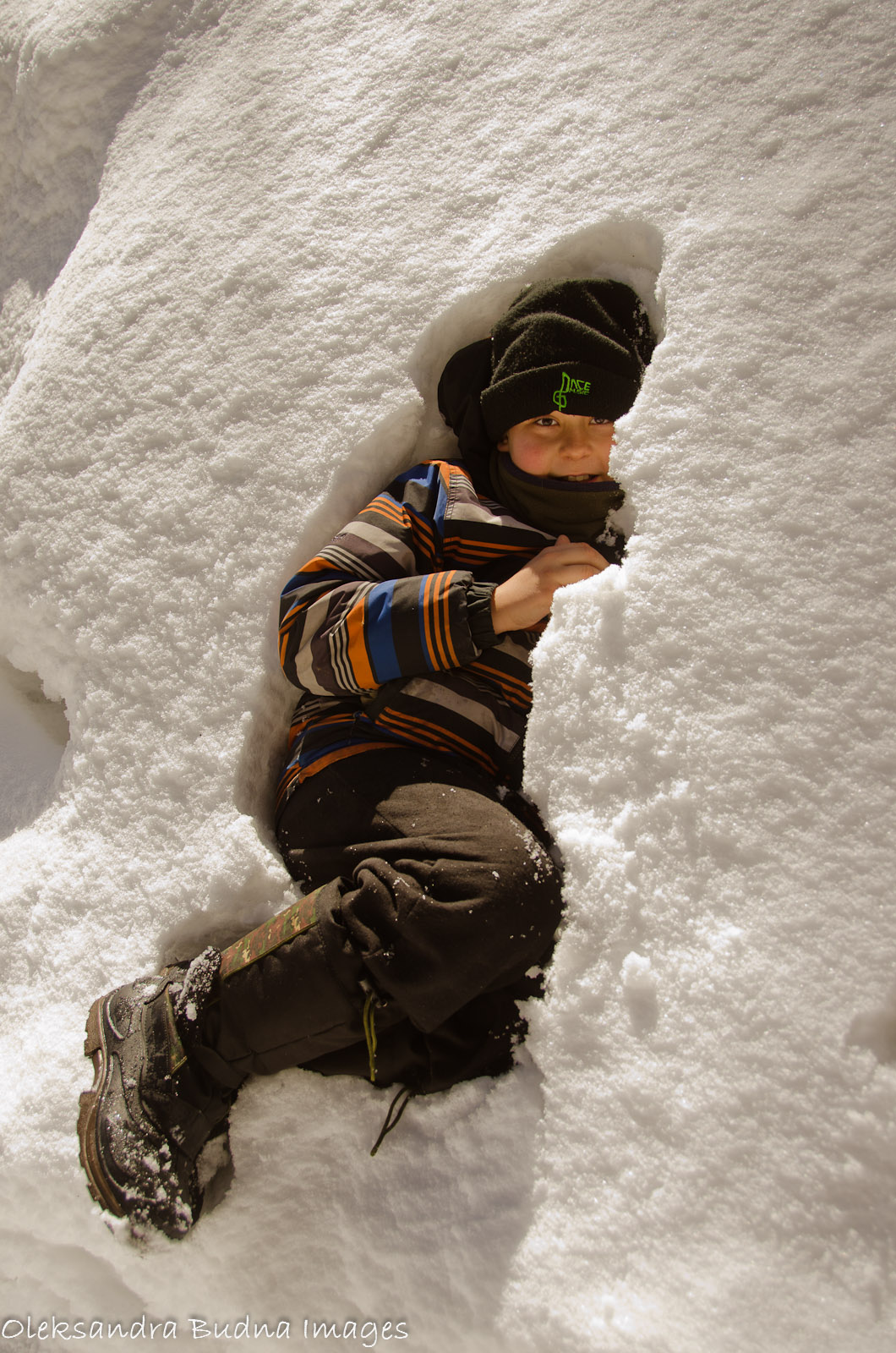
Along the trail, our son kept practicing his hide mode technique, which consisted of jumping sideways and disappearing into the snow banks.

jumping into a snow bank   lying in the snow

running in the snow   jumping into snow

jumping into snow   hiding in the snow

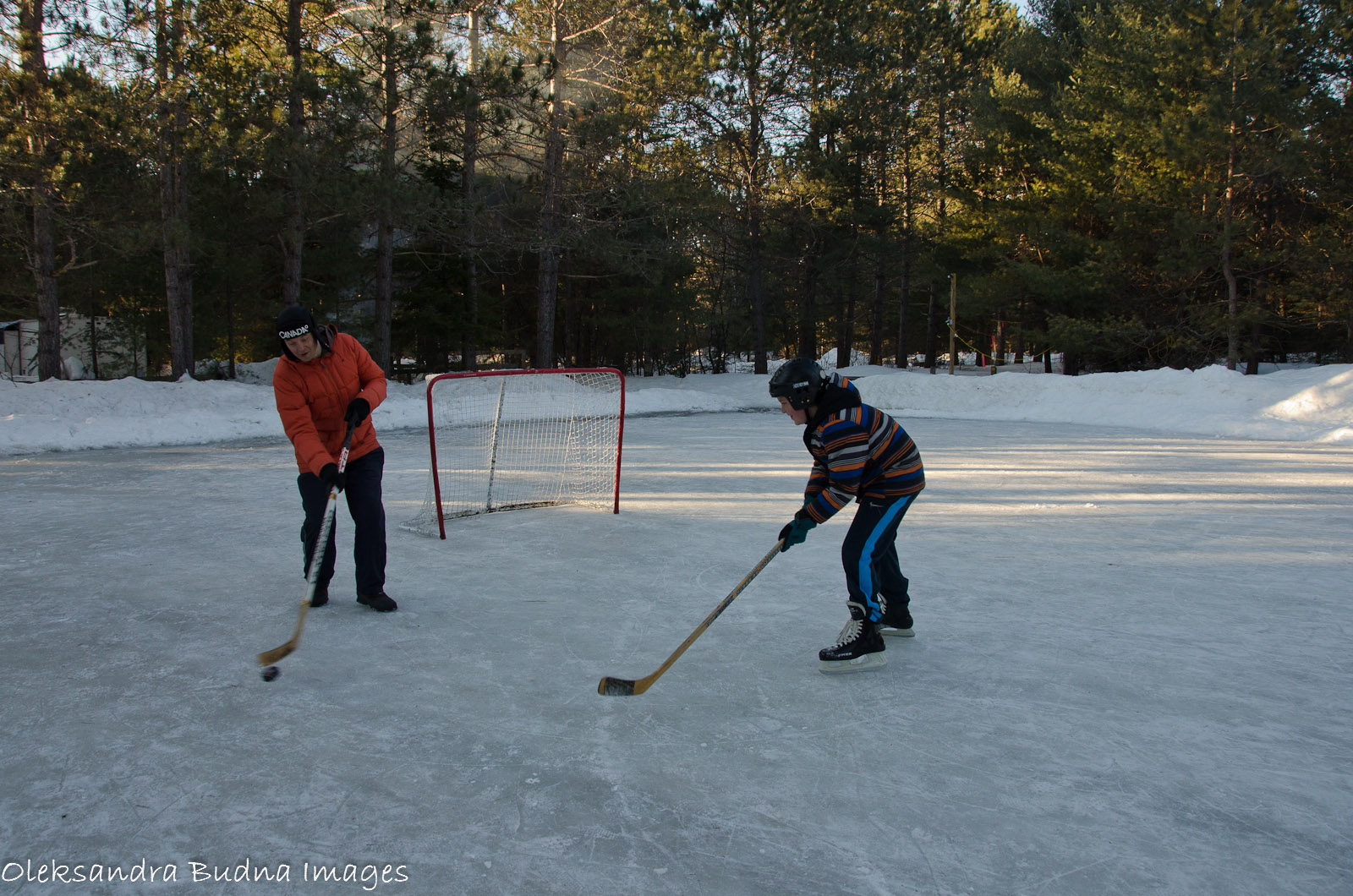
Upon our return, we headed to the skating rink and played a game of shinny. It was my first hockey game, if you can call it that since I didn’t even have skates on. But it was a lot of fun nonetheless.

skating at mew lake campground in algonquin

playing hockey  playing hockey

playing hockey   playing hockey

playig hockey

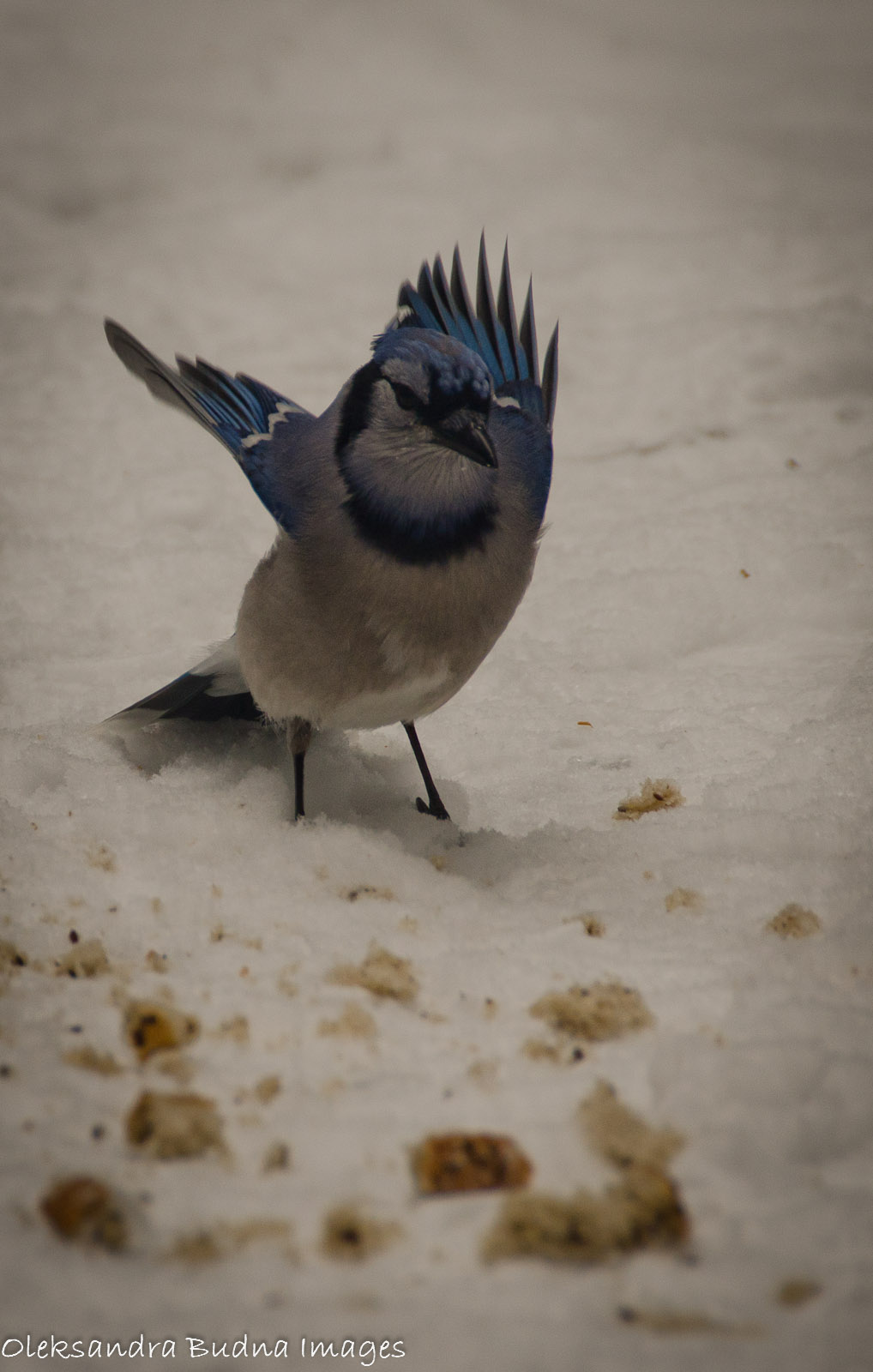
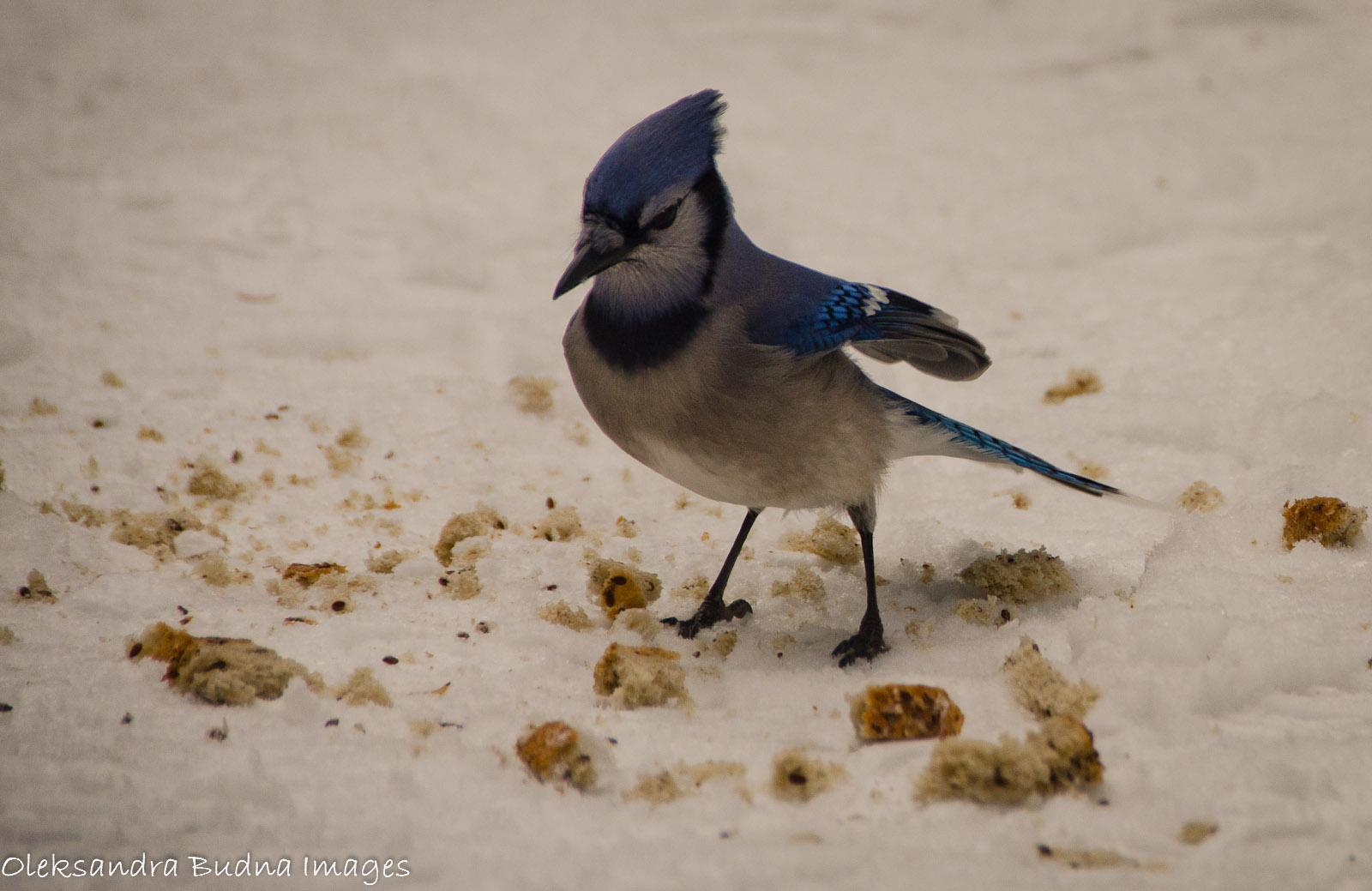
The highlight of the trip was the blue jays that visited our campsite.

blue jay

blue jay  blue jay

We took our time packing Monday morning, watching the last logs burn, savouring the last moments of our trip. On the way home, we stopped at Westside Fish and Chips in Huntsville, which has become our favourite food stop whenever we go to Arrowhead or Algonquin. After a three-hour drive, we were back in snowless Toronto.

Overall, the trip was a great success and we are definitely coming back next year. All my doubts regarding dragging my family into the cold of the winter to sleep on the ground dissipated one morning when our son mused that he couldn’t understand why some people thought that staying in a hotel was better than camping. That warmed me better than the hot tea I was sipping.

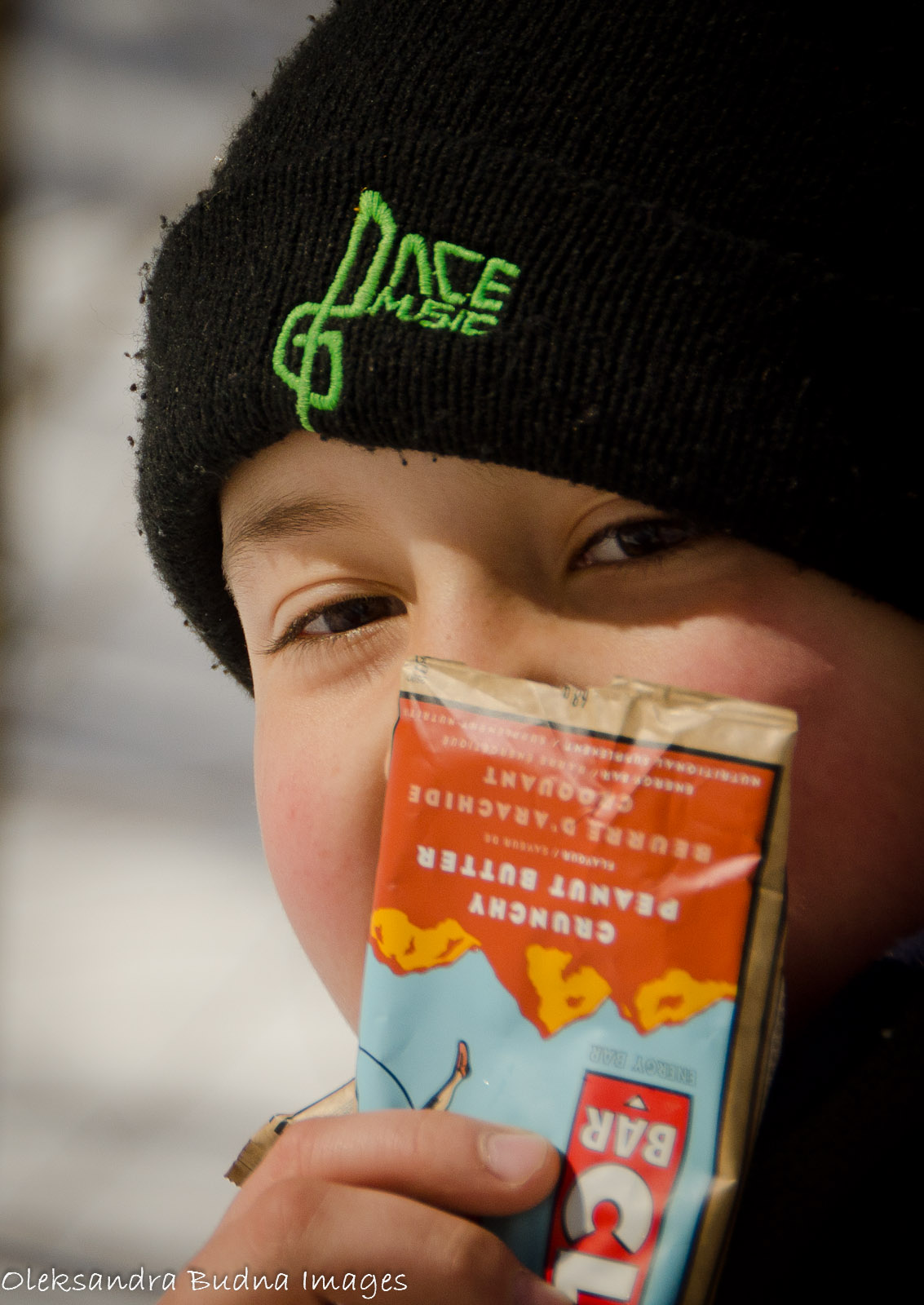
happy child   child eatig a clif bar

Nature Literacy: Why Children Need to Spend More Time in Nature

Last week was a Family Literacy Week in Canada. Lots of resources and tips were shared about reading and language development. Both are essential skills for every kid, without a doubt, but all those posts made me think about the kind of literacy that doesn’t often get much air – nature literacy.

Recently, I read about Oxford Junior Dictionary taking out 50 nature-related words and replacing them with tech vocabulary. Someone decided that words like acorn and cauliflower weren’t as important for seven-year-olds as say broadband and cut-and-paste. Considering that kids already spend too much time in front of the screen (over 7.5 hours a day for children in Canada according to Participaction), it seems like a dangerous trend. Children nowadays can probably name more computer game characters and social media platforms than types of trees or flowers, let alone identify those trees and flowers when they see them. Apparently, 80% of kids in America will never see the Milky Way in their lifetime (I couldn’t find the figure for Canada but I can’t imagine it would be much different) but I am sure they will have no shortage of space movies and video games. A lot of kids have no idea where their food comes from and consume nature in prepackaged bits at a zoo or aquarium. There is even a term for it now ‘nature deficit disorder,’ coined by Richard Louv, author of The Last Child in the Woods.

We could argue that our technology oriented world demands that kids become tech-savvy at an increasingly earlier age and that being able to identify a tree or a bird isn’t an essential skill unless you are, say, a biologist. Plus, you can always look it up online, right? Well, we often forget that spending time in nature offers a wide range of benefits, including extensive opportunities for learning and creativity, increased physical fitness levels and improved mental health. And it is proven that children that get early exposure to nature grow up to be better stewards of our planet, something we definitely need these days of climate change and resource shortage.

We as a family love all nature-related activities. Our kids have been going camping, canoeing, hiking, biking, skiing and snowshoeing with us since a very early age. We grow herbs and vegetables in our tiny balcony garden and love visiting pick-your-own farms in the summer. So we know firsthand how beneficial nature can be for both children and adults. Here are a few reasons to get outside with your family.
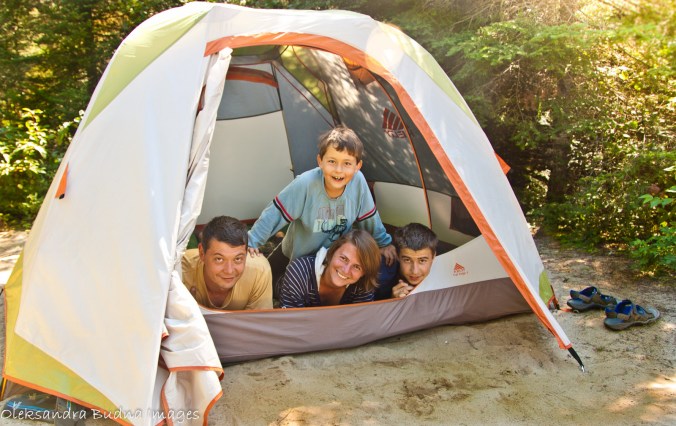
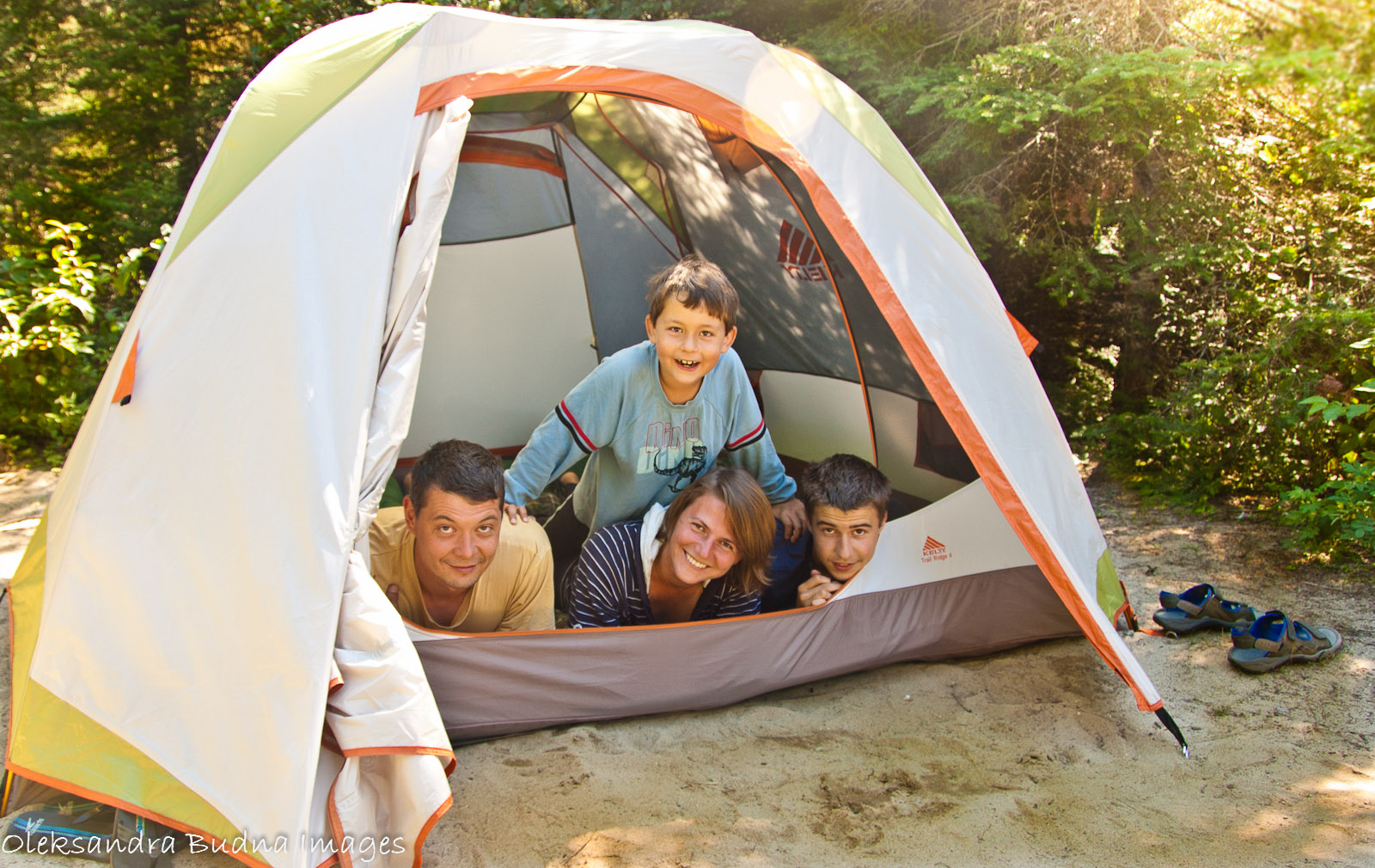
family in a tent

Camping at Pukaskwa National Park

biking at Prince Edward Isalnd

Biking at Prince Edward Island

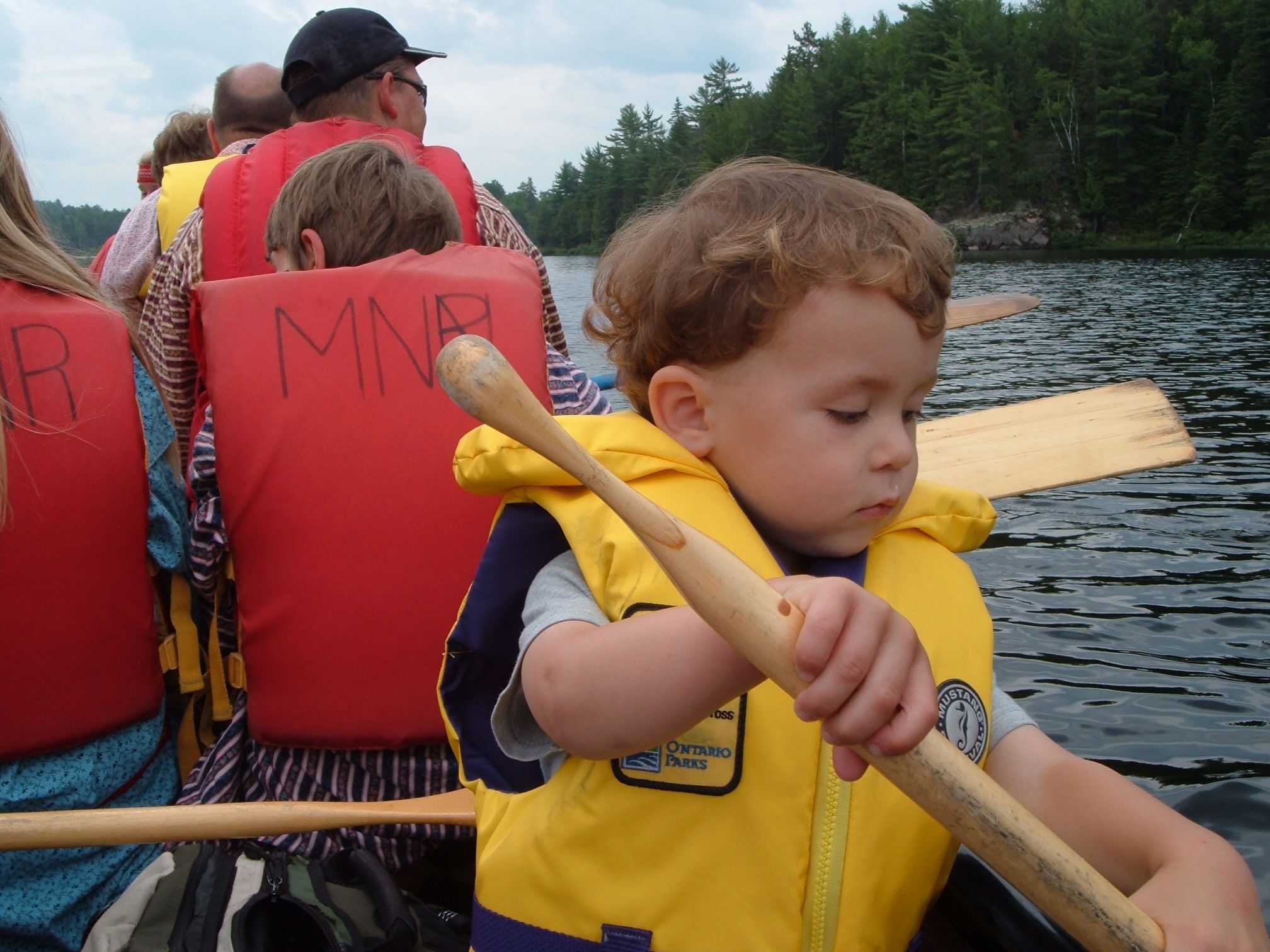
child paddling

First paddle at Samuel de Champlain Provincial Park

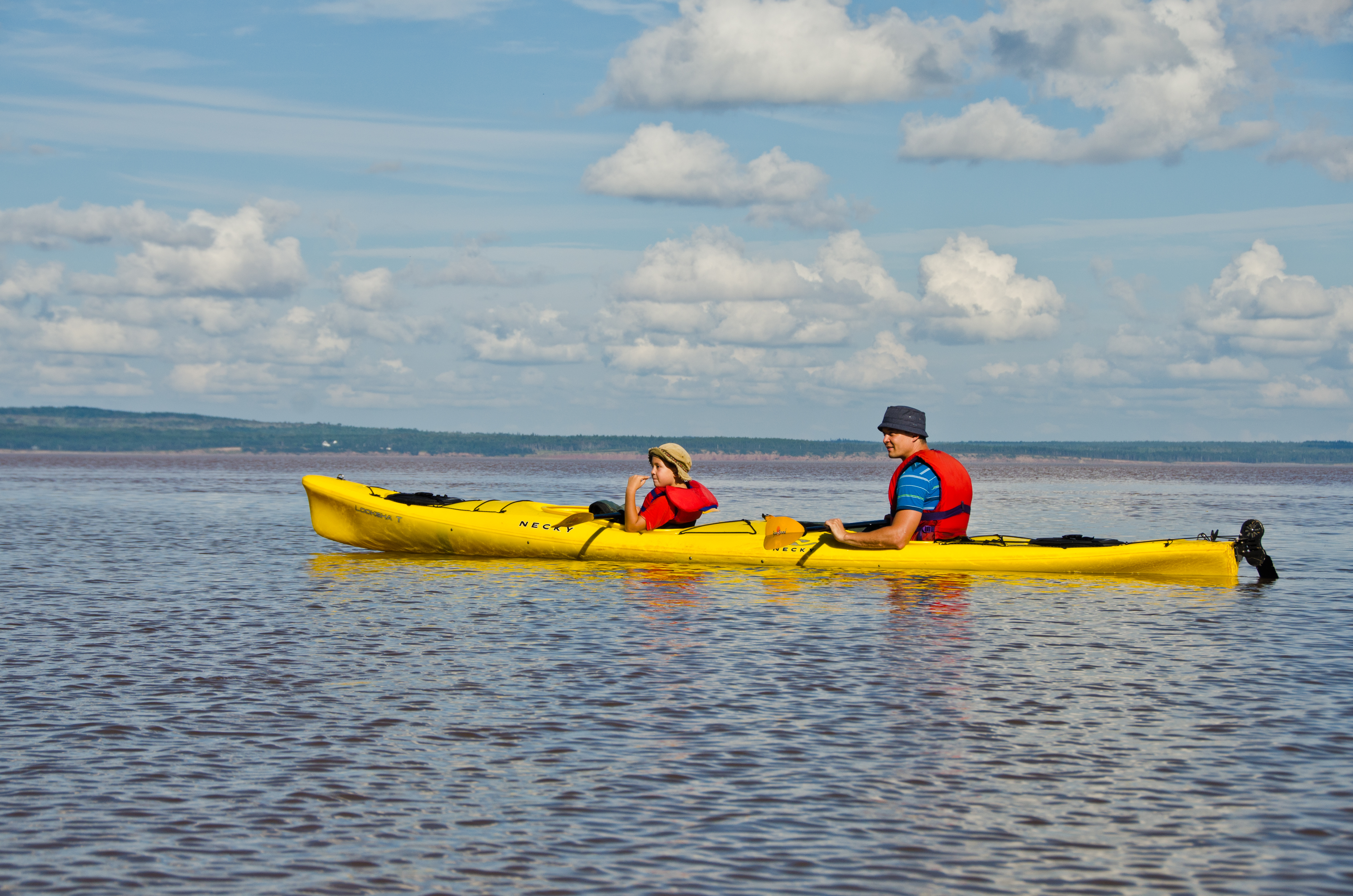
Kayaking

Kayaking at Bay of Fundy

skiing

Skiing at Killarney Provincial Park

hiking Abes and Essens

Backpacking at Bon Echo

Endless opportunities for learning

When we think of learning, we immediately imagine a structured school environment with printed and online resources. We often forget that nature is, in fact, one big classroom with limitless opportunities for exploration and learning. Unlike school, this outdoor classroom is inspired by the surroundings and guided by children’s interests. When we hiked at Badlands, we learned about sedimentary rock, buffalo and the tragic history of the Lacota people. We attended a ranger talk about fossils and imagine our excitement when we found one ourselves. Yellowstone and Craters of the Moon were perfect locations for learning more about volcanoes. Our trip to Bay of Fundy in New Brunswick was all about tidal activity. When we headed for the Maritimes, we started reading Anne of Green Gables and the whole book came to life once we arrived to Prince Edward Island. While visiting Algonquin Park, we learn as much about boreal forests and Canadian Shield as we do about the impact of logging and legacy of Tom Thompson. When we stay up at night to watch the stars either at Glacier National Park in Montana or Bruce Peninsula in Ontario, we talk about constellations, celestial bodies, possibilities of space travel and our vulnerability as humans in this vast Universe.

kouchibouguac-3

kouchibouguac-9

Craters of the Moon

badlands-171

kayaking at Bay of Fundy  patting a manatee

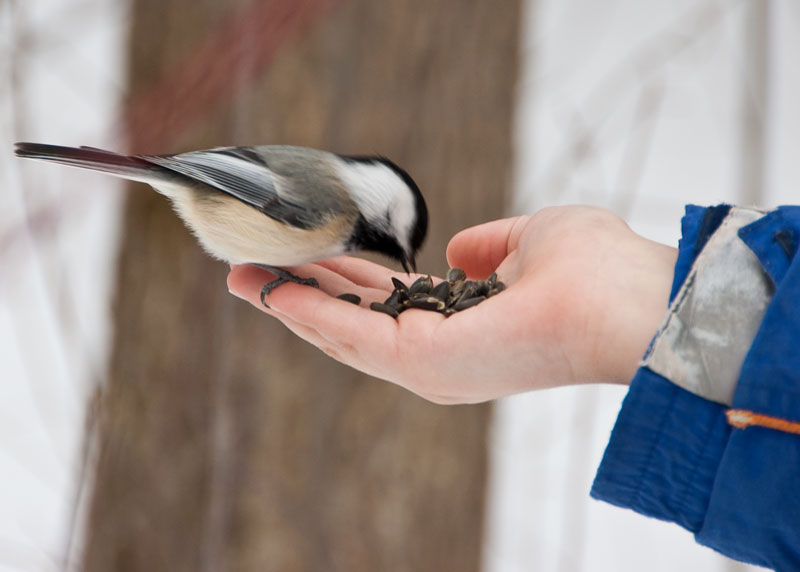
feeding a bird

As you can see, learning topics extend way beyond local flora and fauna (and we do carry plant and bird guides with us to help us identify different species). In addition, because all those learning experiences are so multidimensional and multisensory, kids actually remember them long after the trip is over. A couple of years ago, I volunteered to help with the Scientist in the School session at my son’s school. The topic was “Types of Rocks.” As the kids were doing activities about sedimentary, igneous and metamorphic rocks, my son quickly pointed out that Badlands was a good example of sedimentary rock and igneous rock could be found at the Craters of the Moon. He was referring to the road trip we’d taken the summer before. To him, all those types of rocks were more than just a description or a picture in a book, it was something he saw, touched and climbed.

Imagination and creativity

I’ve often heard parents brag about their kids being able to open programs on a computer or enter a password into an iPad or iPhone. I can see how it may seem fascinating that our children can operate such an impressive piece of technology, something we couldn’t even imagine when we were their age. In reality, it’s about remembering a sequence of operations, something kids are naturally very good at. The sad truth about the plastic abundance of toys and electronic vortex of entertainment is that it takes away kids’ ability to develop their imagination and creativity.

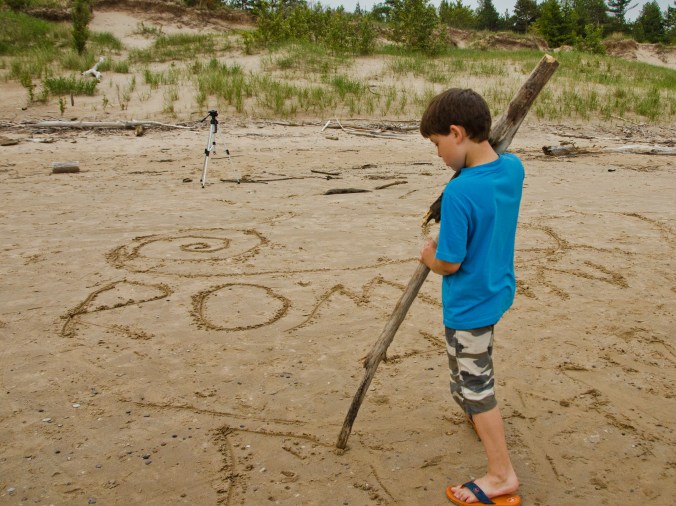
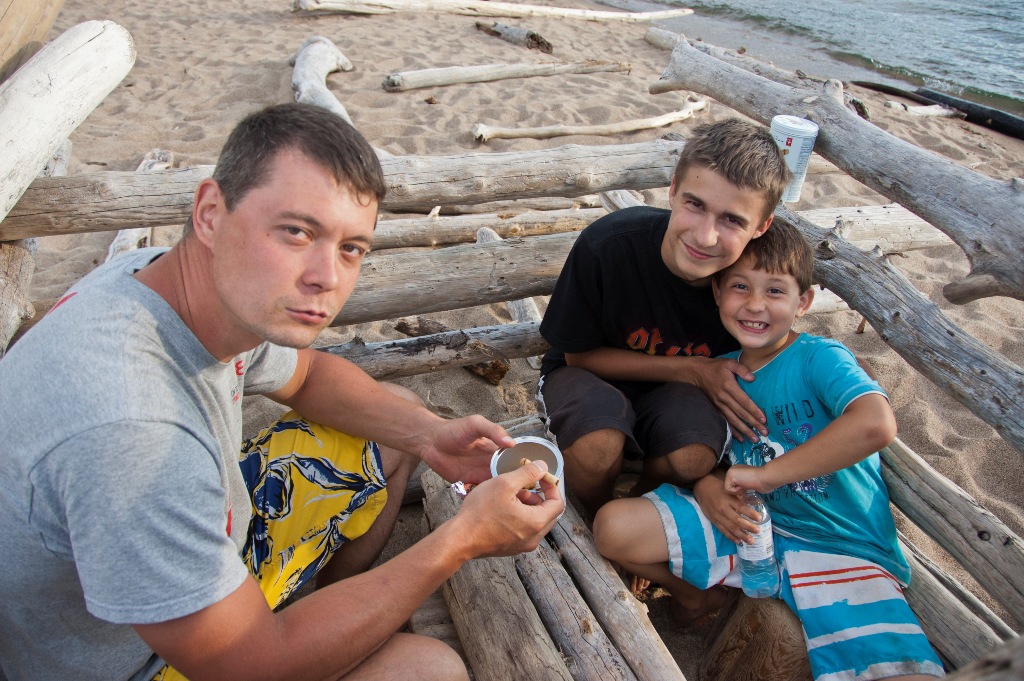
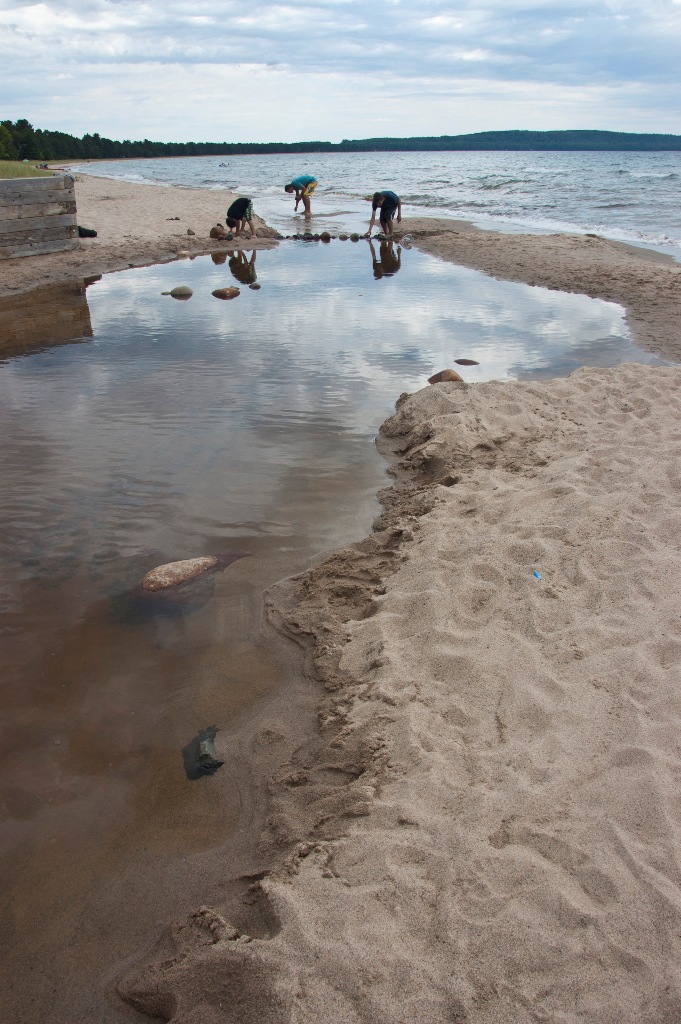
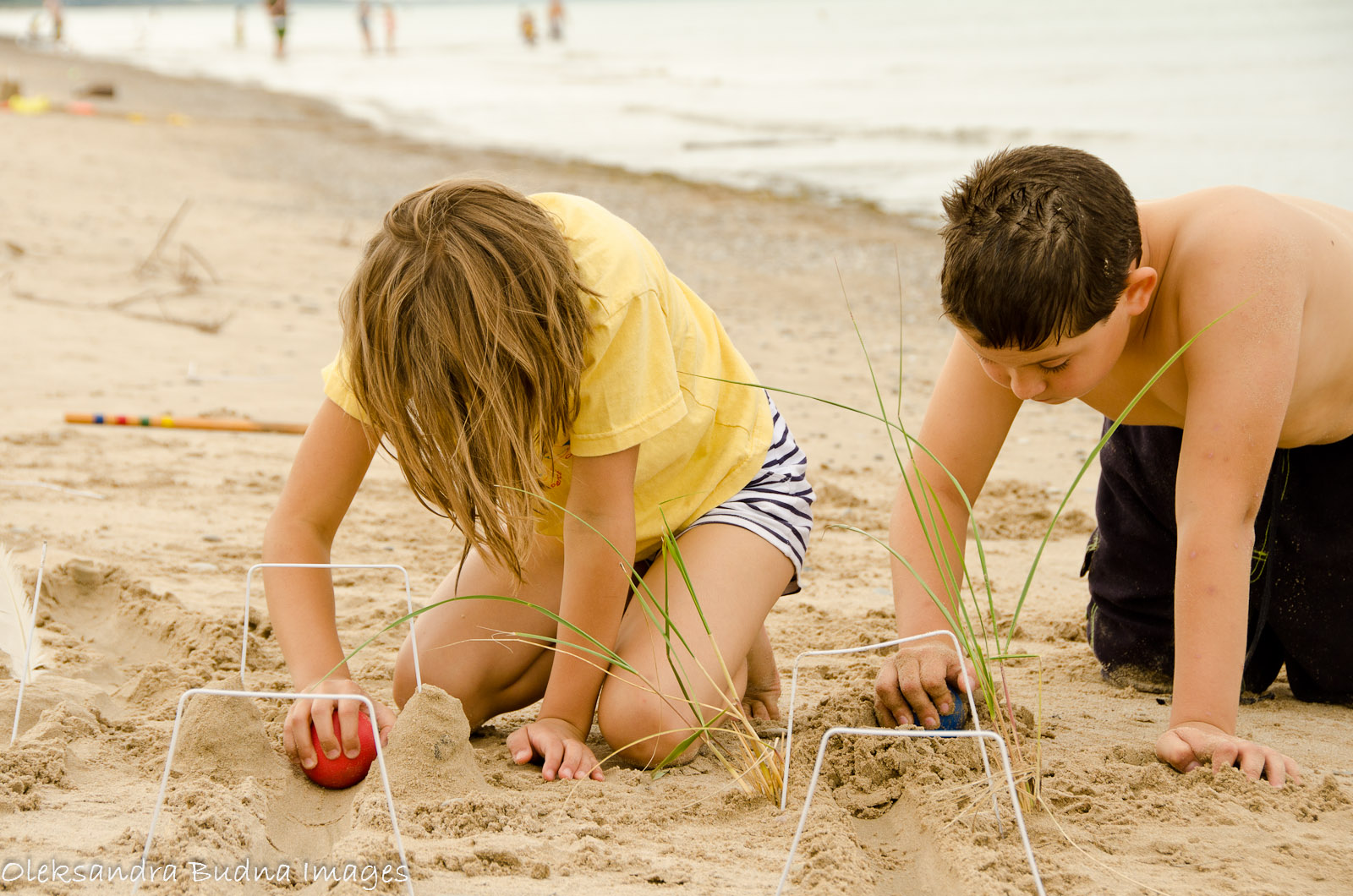
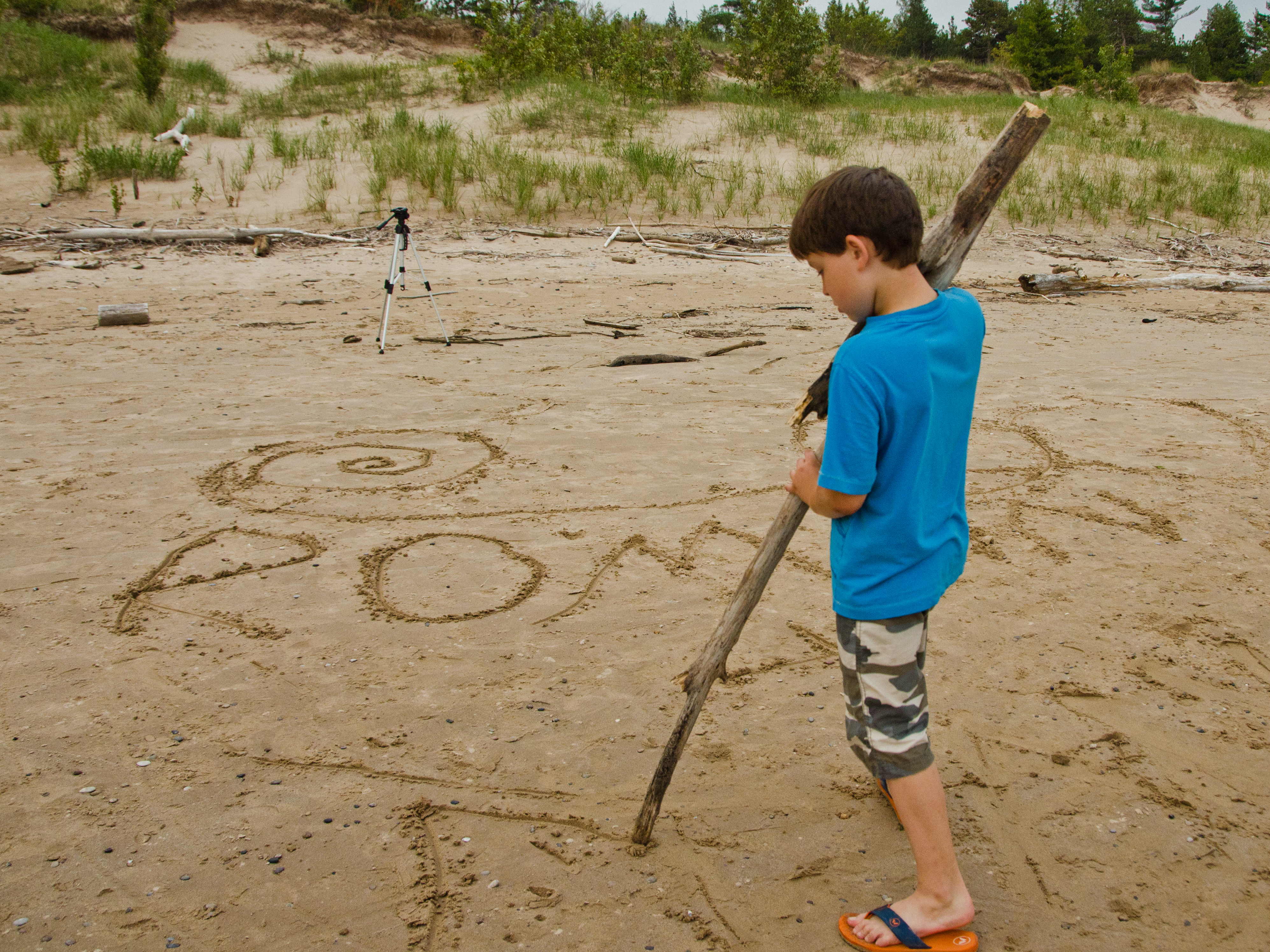
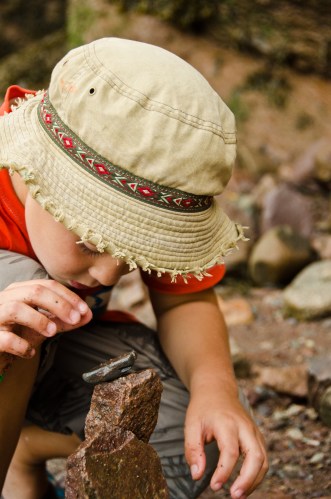
Outdoors, on the other hand, is a magical land where anything can be a tool and material for creation. We’ve seen our kids spend hours building forts out of driftwood and dams out of rocks. The beach is a perfect construction site for castles, cities and, once, a very imaginative cricket course. And a stick is never just a stick!
fundy-46  playing in the sand

Driftwood beech

beach   playing on the beach

writing on the sand

Ability to get mesmerized

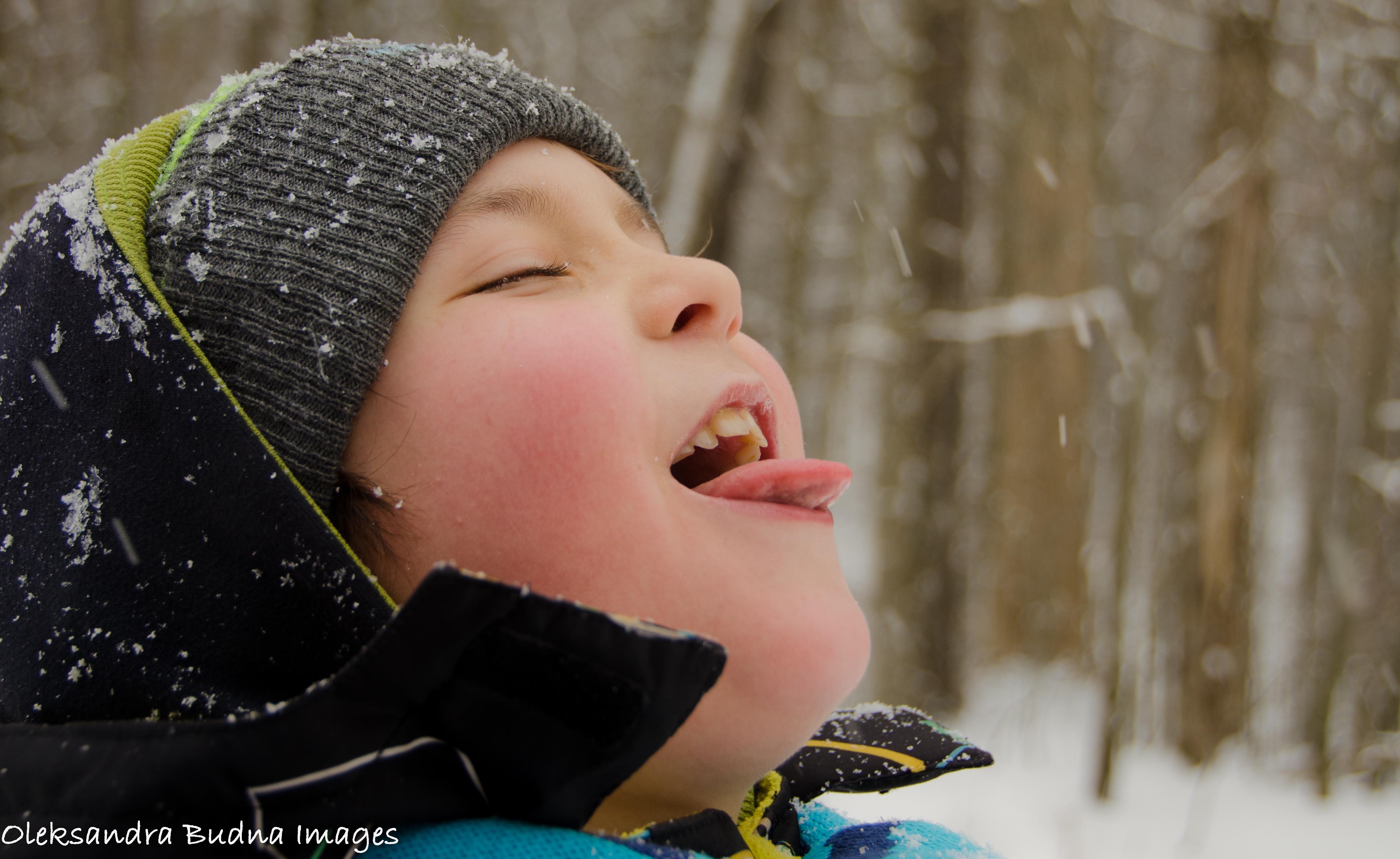
We live in the world of 24/7 entertainment and special effects. We now expect to be constantly kept amused and we want the entertainment to be increasingly brighter, more exciting and stimulating. The downside is that we gradually lose our ability to be awed. After all the Disney World rides, a simple hike in the woods may seem less than exciting to children nowadays. And animals in the wild don’t always show up on cue or perform the way they do at Marineland or even at the zoo.
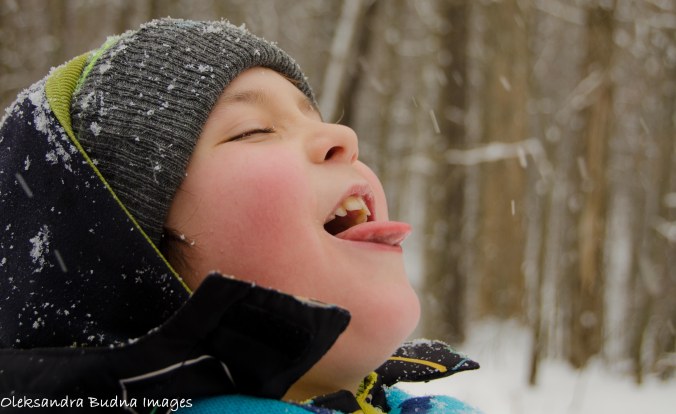
catching snowflakes

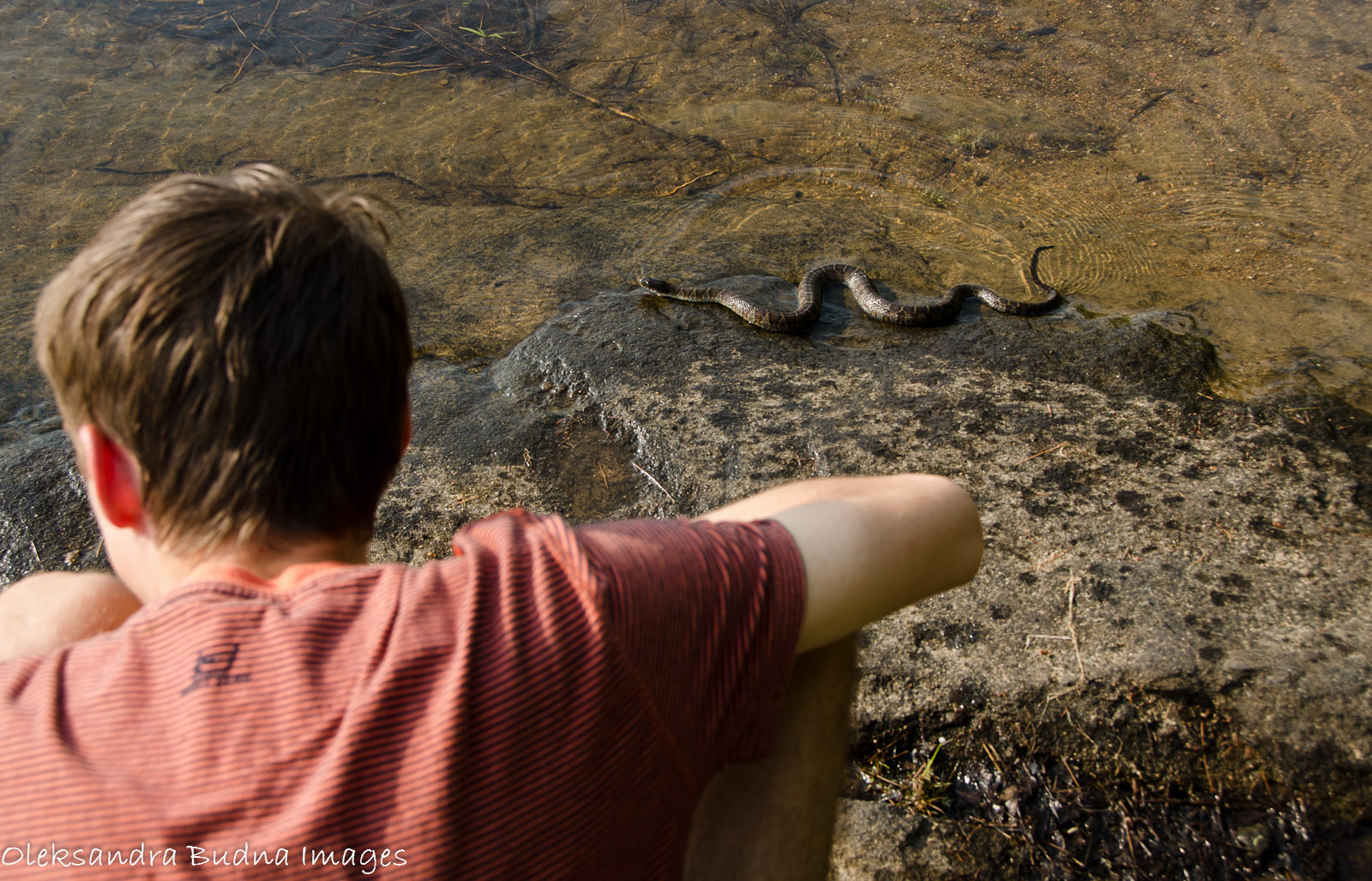
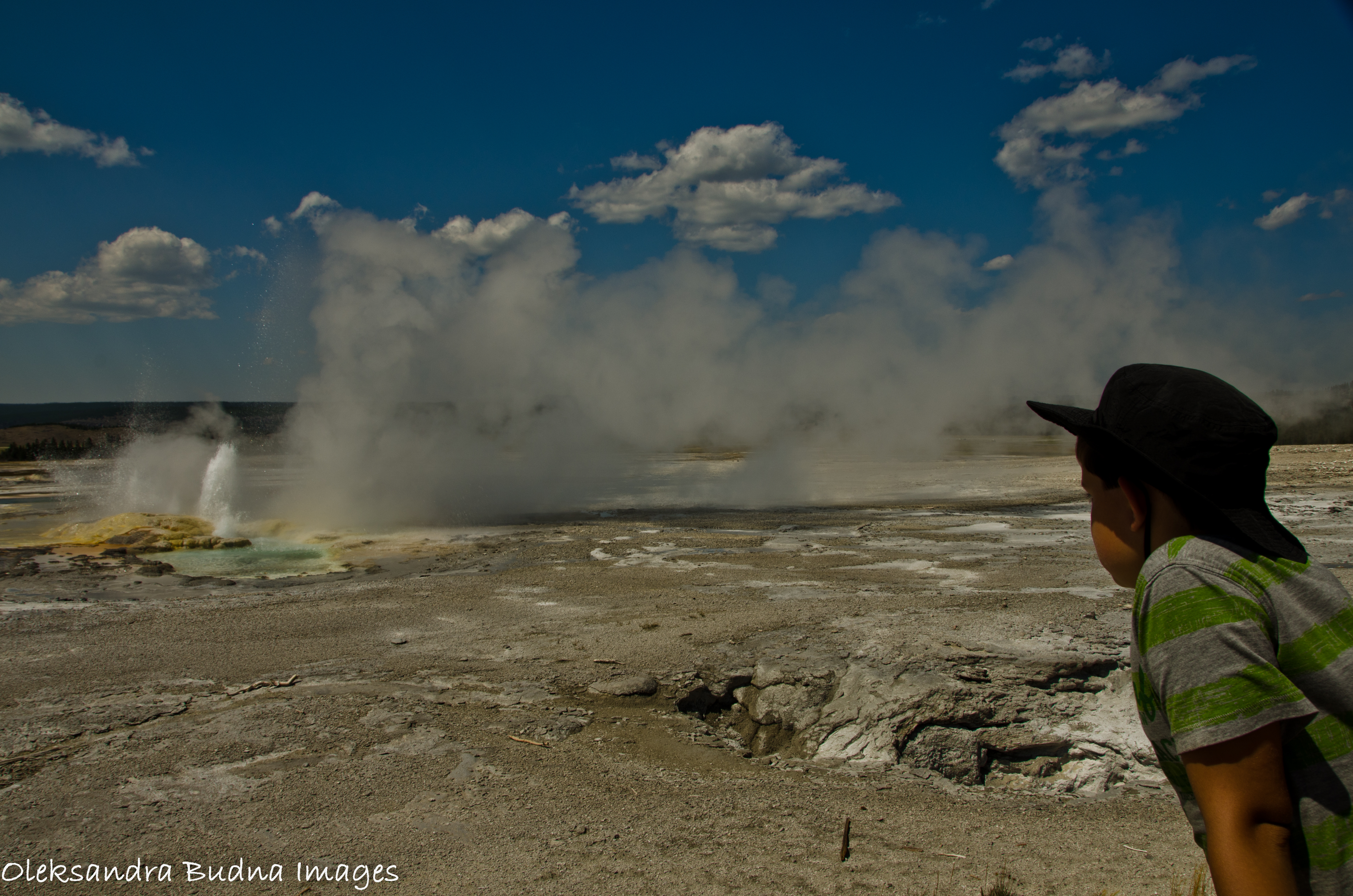
Yet, spending a lot of time in nature can help keep this feeling of childlike wonder not only alive but flourishing. During our travels, we get excited when we see a bison crossing the road or a hummingbird fluttering by. Our kids can spend hours watching mountain goats scaling a hillside or snakes weaving their way through the rocks. Sunset colours are more mesmerizing than any electronically produced special effects and a rainbow dancing in a geyser is the best light show ever, according to our son.
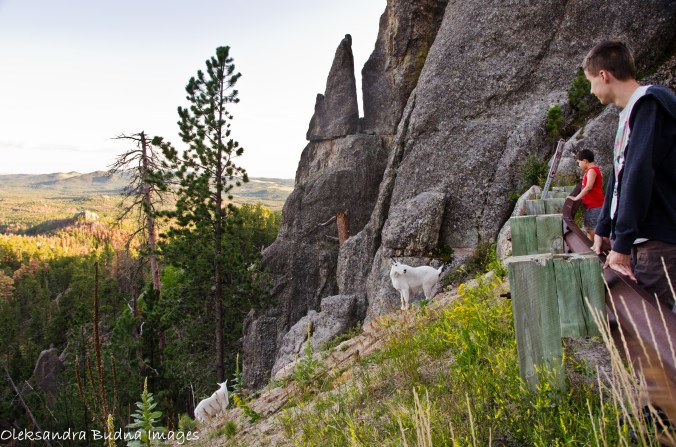
Mountain goats at Custer state park

snake

yellowstone-17

enjoying the view at Cape Breton

Healing through nature

Recently, more and more studies talk about green therapy. People who live near green spaces have fewer physical and mental health problems and spending time in nature helps manage ADHD symptoms in children. To us, all these findings are common sense, practically axiomatic. Of course, you get fitter as you hike, bike and paddle all day. And kids who have problems concentrating will certainly do better after they get an opportunity to run around. As for nature’s effect of mental health, isn’t it constantly exploited by the sellers of ‘soothing sounds of nature’ CDs and natural scents? But why settle for artificial if you can have a real thing for free?

In our family, nature is a go-to happy place. We all believe in the power of a walk in the woods and the miraculous effects of a nature detox.

view from the Sleeping Giant

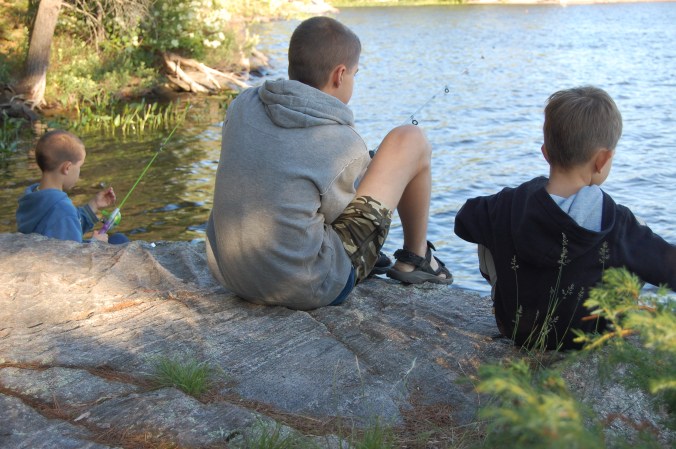
kids fishing

Acquiring new skills and confidence

Our kids know how to pitch a tent, make a fire and paddle a canoe. They’ve done portaging and backpacking in the backcountry. At fourteen, our older son was able to cook a complete meal in the woods, from chopping wood to clean-up. I know chopping wood is not on the top of must-have skills these days. However, a kid who can do that has no problem making something for dinner in everyday life. Plus learning all these skills gives them a sense of accomplishment, instills confidence and makes them feel more independent and grown-up. Our older son now has his own tent (a present for his 18th birthday) and he loves it, even if it means more work for him with setting it up and then putting it down at the end of the trip.

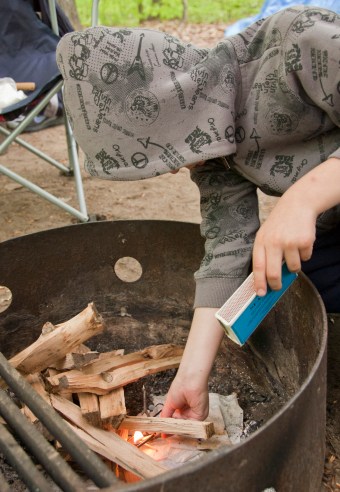
backpacking in Bon Echo  making fire

cooking  pushing a canoe

When we are camping, everyone has to pitch in and kids don’t complain about having to do chores. In fact, most of the time they are happy to bring water, collect firewood, clean the dishes, and carry their things across portages and on backpacking trips. And they always want to come back!

Time to spend together

The biggest gift of nature is the time we spend together. Away from distractions and schedules, we have time to explore and learn together, play games, sing songs and talk around the campfire. There is also plenty of time to be on your own if you wish to enjoy the view or read a book. The fact that our 18-year-old still wants to go camping with us and gets upset if he misses a trip is my biggest validation if I ever needed one.
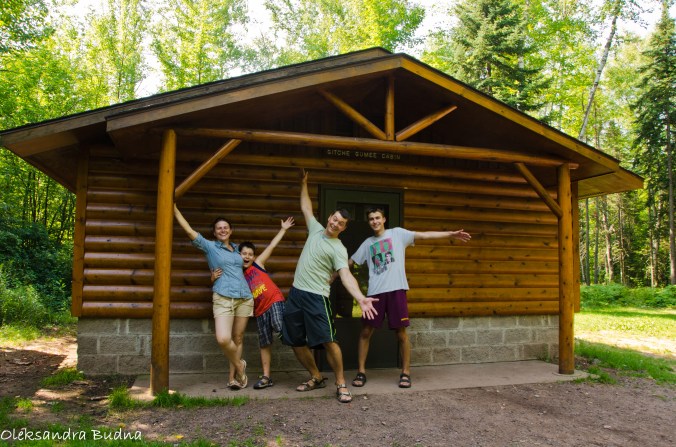
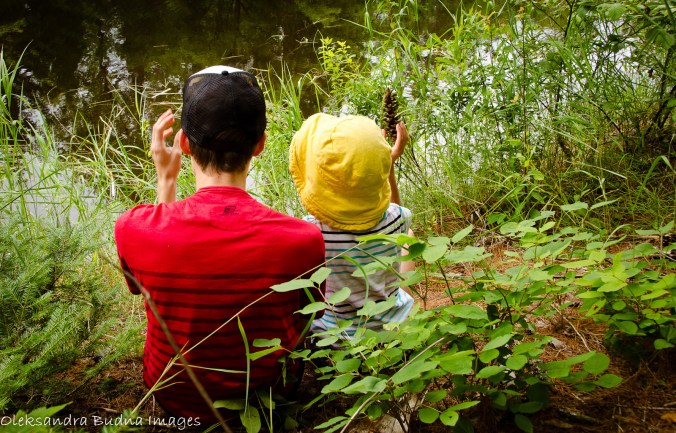
trip2013_family-6

kids by the lake

canoeing on a foggy lake

sitting on a dock  reading a book

Lake of the clouds

Connection to nature

According to Robert Macfarlane, “We do not care for what we do not know.” So for me as a parent, the main goal of all our camping trips and adventures is for my kids to get to know nature on a very personal and intimate level, not just something they see in books and on TV or learn about in their science class. I want them to feel part of it and be more mindful of the negative impact we as humans can have. Because they know that stuff doesn’t magically appear in the store but is made of resources that are extracted from the earth, they don’t ask for the latest gadgets or toys. When things break down, their first question is whether we can fix it and not if we can buy a new one. When choosing a university program, our older son picked civil engineering determined to help create more sustainable cities. And our younger son plans nature-themed birthday parties and uses them to fundraise for organizations like World Wildlife Fund.
climate march  we only have 1 planet

Yesterday, after our walk in the neighbourhood park, my 10-year-old son asked, “Do you think there will ever be time with no outdoors, just buildings everywhere, when even parks will be inside in a simulated environment?” I thought for a second and then we both said at the same time, “I hope not.” “We just need more kids like you,” I added.

The Best of 2014

With 2014 almost done, I went through my photos and put together my top 10 camping moments of the year. It was a bit hard to rank them since it was such a great year for camping but I am pretty confident about my number 1 picks (yes, there are two of them).

2014 written with glowing sticks

10. Thanksgiving Weekend at Grundy Lake Provincial Park

Lots to be thankful for: Gorgeous fall colours, picturesque trails, great friends, roaring campfires in the evening and a hearty thanksgiving meal. What else can you wish for on a beautiful fall day?

GrundyLake-90

fall leaf bruning in the fire

9. Early flowers and happy moose at Algonquin

Victoria Day weekend was a bit chilly this year (temperatures were around freezing most nights). It didn’t stop us from enjoying dainty spring flowers and a great bike ride from Mew Lake to Rock Lake. We even came across a very happy-looking moose on our way back.

red trillium  fiddleheads

algonquin-29

happy moose in Algonquin  moose

8. Easter at MacGregor Point Provincial Park

Since Easter is all about nature awakening and rejuvenation, we decided to head for the woods to celebrate it. It was the first time we did it and it is bound to become one of our favourite family traditions. Kids got to do an Easter egg hunt in the actual forest and we did lots of hiking even though there were still heaps of snow around.
kids with a basket  easter eggs on a branch

heron near the lake

7. Sunsets at Pinery

Sunsets at Pinery Provincial Park are always gorgeous whether you watch them on the beach or over the Old Ausable Channel.

pinery2014-39

PineryLabourDay2014-71

6. Family Day weekend at Arrowhead Provincial Park

Arrowhead is often called the best kept secret in Ontario. Well, I think the secret is out as this February we had to spend over an hour in a car lineup to get to the park entrance. It’s easy to see why the park is so popular in the winter: with hiking, snowshoeing, tubing, skiing and skating around the torch-lit loop, you never run out of things to do.

FamilyDay2014-51

skating at night at Arrowhead

5. Backpacking at Bon Echo Provincial Park

It was our first backpacking trip and in spite of hordes of mosquitoes and a sprained ankle, we are planning more and longer hiking trips.

family with backpacks

4. Canoeing at Kawartha Highlands

Canoeing is probably my favourite outdoor activity. Remoteness, beauty, loons at night, tranquility – all of these make any canoe trip irresistible, especially in a beautiful park like Kawartha Highlands.

Kawartha-50

tent at the lake

3. Stars at Bruce Peninsula

Bruce Peninsula is beautiful any time of the day, but at night under the star strewn skies, it is spectacular.

milky way over Cyprus Lake

2. Celebrating New Year at Allegany State Park

What can be a better way to ring in the New Year than in the woods, around a campfire with your family.

around a campfire in the winter

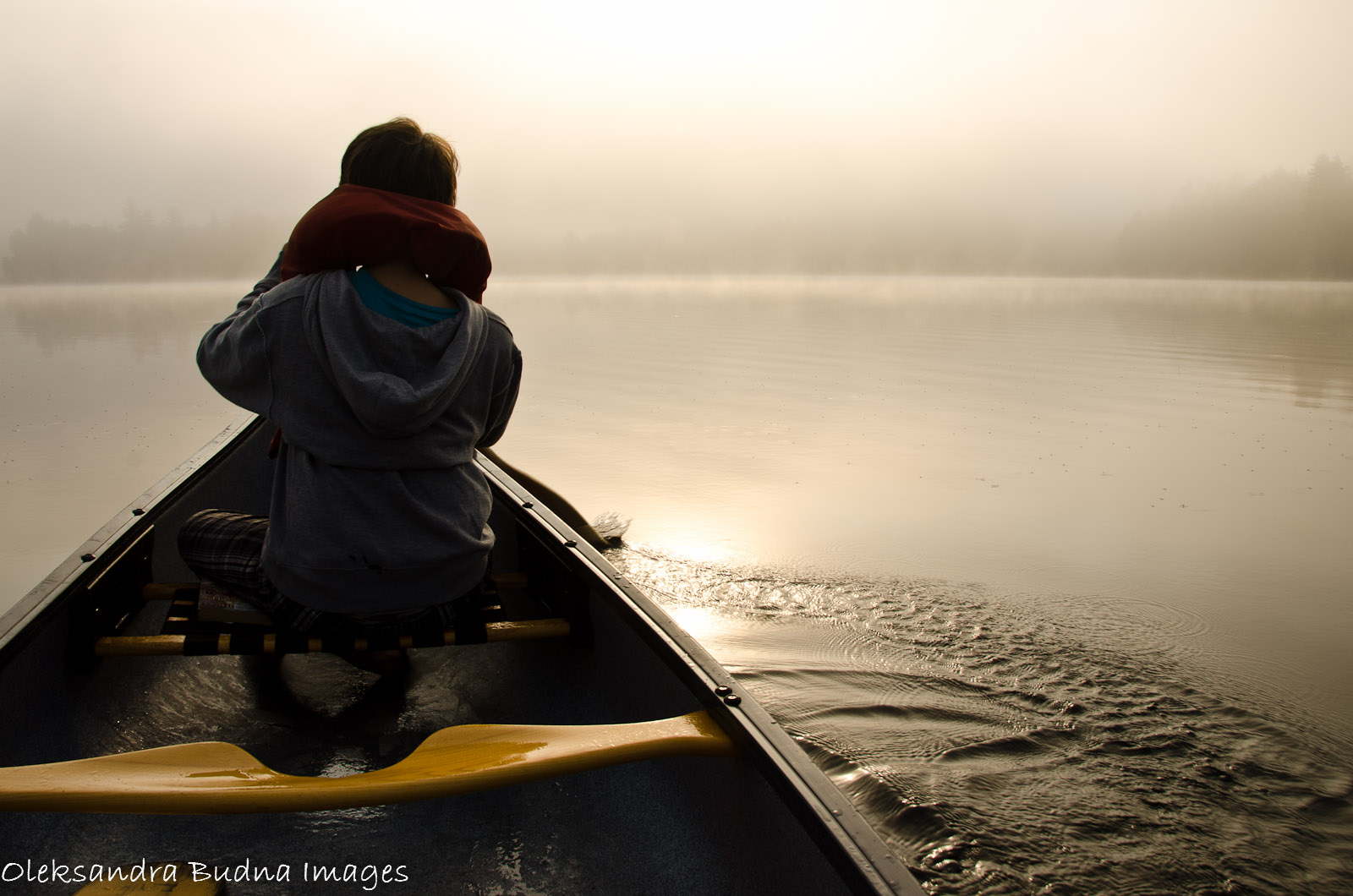
1. Foggy morning paddle with my younger son

During our canoe trip this year, my younger son woke me up early so we could go for a paddle. As we cut through the thick morning fog, it felt like we were the only people in the world.

canoeing on a foggy morning

1. University send-off party for our older son

Our son going to University and moving out was the biggest family event of the year. Since camping has always been such a big part of our lives, it seemed appropriate to celebrate this big achievement while camping.

swimming in Lake Huron

Looking forward to new adventures in 2015!

Winter Camping Tips

If you read my previous post, you know how much I love winter camping. Now I have a confession to make: I haven’t always been a fan of winter. It is definitely an acquired taste. The secret is wearing proper clothes and getting involved in winter activities. Here are some tips to help plan a winter camping trip.

yurt in killarney in the winter  Yurt in Macgregor Point in the winter

Warm clothes

Proper clothing is key to enjoying winter. Invest in a good winter coat, snowpants, hat, scarf, waterproof gloves or mittens, warm socks, waterproof boots. It is also important to dress not only according to the weather but consider what you are planning to do outside. Some activities, like hiking, cross-country skiing or skating, are more physically demanding and may cause overheating. Sweat is definitely not your friend when the temperature is below freezing. So layers that can be taken off and put back on are always a good idea.

Start with a base layer, which is usually long underwear or any other tight-fitting clothes. Base layers should be made of fabrics like polyester, merino wool, silk or blends that wick moisture and dry quickly. Cotton would be the worst choice for a base layer. Follow with a mid-layer, which can be a long-sleeved shirt, sweater or fleece vest. Finally, add the insulating layer, such as a fleece jacket or a down vest, followed by a waterproof and windproof shell. Some winter jackets already come with a built-in, removable fleece jacket or insulated liner.

Don’t forget to bring lots of extra socks, hats and gloves, especially for kids, as those tend to get wet during snow play and may not dry fast enough.

winter

Roofed accommodations

As I mentioned before, we usually stay in a yurt or cabin in the winter although winter tenting is definitely on our bucket list. Quite a few Ontario Parks offer roofed accommodations, mostly yurts, which come with two sets of futon bunk beds, a table and chairs, electrical or gas heat, fluorescent lighting, and one electrical outlet. Outside, yurt sites have a picnic table, BBQ and fire pit. Some parks have camping cabins and cottages. Learn more about Ontario Parks roofed accommodations here.

Keep in mind that yurts and cabins for long weekends get booked fast, usually five months in advance so non-long weekends or middle of the week may be a better bet. We have been known to miss the reservation dates a few times but were able to book a last minute cabin in the Allegany State Park south of the border.

yurt Killarney Provincial Park in the winter

Yurt at Killarney Provincial Park

Cabin in Allegany State park in the winter

Cabin at Allegany State Park

Winter activities

You will never run out of things to do. Lots of Ontario Parks have snowshoeing and cross-country trails, skating rinks and toboggan hills. Not all of them offer equipment rentals, though, so check before you go. Find an outfitter somewhere close to the park or rent equipment from your local Mountain Equipment Co-op store. Plus, there are a lot of activities that don’t require any equipment at all.

skiing in Killarney    snowshoeing in Arrowhead Procincial Park

Important thing to remember is that it gets dark early in the winter. So plan to come back from the trail at least an hour before sunset. Also remember to plan activities for long winter nights. Reading, playing charades, telling stories, talking around the fire, singing, and making rainbow loom bracelets are all fantastic ways to spend time. If you don’t play board games, this would be a good time to start. It’s a great bonding experience and way more fun that electronics. In addition, parks offer fun things to do after dark, like skating around the lit loops at Arrowhead and MacGregor Point.

inside a yurt in a provincial park

Snacks and drinks

Our bodies need more calories in the winter so we always bring lots of snacks and drinks with us on a trail. Good snacks have low water content and high fat content to prevent them from freezing so think nuts, dried fruit, granola bars, trail mixes, crackers, cheese, cookies and chocolate. Hot chocolate or tea on the trail taste divine so we do bring a thermos with us even though it is heavy. The parks also have warming huts along the trails, a great place to rest and fuel up.

In terms of regular meals, yurts in Ontario Parks have BBQs with a side burner. It’s important to remember, though, that you’ll be cooking outside. So think foods that don’t need a lot of time to prepare.

cooking on a BBQ at MacGreogor Point Provincial Park

Back in our meat-eating days

drinking hot chocolate outsde in the winter  inside a yurt in a provincial park

Play safe

Make sure the whole family is wearing proper safety gear, for instance helmets when skating, and whatever equipment you are using (skates, skis, snowshoes, etc.) fit everyone perfectly. Be careful around frozen bodies of water and ensure a tobogganing hill doesn’t end up on a road. Limit exposure on particularly cold days and know how to recognize and treat, but most importantly prevent, hypothermia and frostbite.

family day 2013-15

Winter in Canada is way too long to spend it cooped up inside. Embracing and enjoying it sounds like a much better plan!

Thanksgiving Weekend Camping at Grundy Lake

There was a lot to be thankful for this past weekend. Beautiful sunny weather. Deep blue skies and incredible fall colours. Being with family and friends. Having an opportunity to leave the city and be in nature.

fall colours

swan lake trail

We headed to Grundy Lake Provincial Park for the Thanksgiving weekend. Thanksgiving used to be the last camping trip of the year before we started going camping in the winter. However, since we usually stay in cabins and yurts in the winter, it is still the last camping trip in a tent. That is until we pluck up the courage to try winter tenting.

We visited Grundy Lake a few times in the past but that was a few years ago and mostly in the spring and summer. I had my doubts whether it was the best choice to see fall colours since I remembered lots of pines. It turned out I had nothing to worry about. We booked a campsite at the Poplar campground. When I got out of the tent on Saturday morning, I was bathed in the golden glow of the forest around. The ground had a thick carpet of foliage; the trees were all decked up in their best colours; and beautiful leaves twirled around in the breeze. Kids had lots of fun jumping and rolling in  piles of leaves and showering them over each other.

site 324 at Poplar campground Grundy Lake   child throwing fall leaves in the air

fall leaf bruning in the fire

Since our son was still getting over the remains of his cold, we decided to take it easy this time. We spent a lot of time by the campfire and cooked the most delicious food: gnocchi with vegetables, veggie burgers, lentil stew, mushroom and barley soup, and roasted root vegetables (by some universal camping law food always tastes so much better on a camping trip).

child reading by the campfire   child reading in a campchair

root vegetables roasting over the campfire   gnocchi over campfire

We took bike rides through the forest and hit a couple of easy short trails: Swan Lake and Gut Lake. Both trails looked spectacular – smooth rocks, whispering marshes and gurgling brooks framed by interlaced green pines and multicoloured maples, birches and aspens. For more pictures of the beautiful fall forest, visit my Random Pix blog.

ruffed grouse

gut lake trail at Gruncy Lake

GrundyLake-95   child climbing

Gut lake trail

inukshuk   GrundyLake-96

By another universal camping law, time always flies so much faster out in the woods. Before we knew it, it was time to go back home. On our way back, I enjoyed the beautiful fall landscape flashing by and started planning next year’s trips.  Where should we go next?

Falling for Fall Camping

Summer is officially over but it doesn’t mean you have to put your camping gear away. Fall has so much to offer that it will make you fall in love with camping all over again. Here are some reasons why we love fall camping so much:

Killarney2View from the Crack, Killarney Provincial Park

Fall Colours

Well, it is an obvious one. Albert Camus once said that “Autumn is a second spring when every leaf is a flower.” I could use hundreds of words to describe the second spring and wouldn’t come even close to capturing the beauty that is a forest in the fall. It’s as if nature, in the face of impending monochromatic winter, splashes all its paints across the canvas.

DSC_0661Looking up, Canisbay Lake Campground, Algonquin Provincial Park

Feast for Senses

Fall is a feast not only for your eyes but all the other senses as well. Cool crispness of the morning, earthy smell of mushrooms, crunchy leaves under your feet, campfire smoke dancing in the sunlight, multicoloured foliage twirling in the wind. Fall air is filled with beauty and tranquility.

BonEcho-19      Killarney3Dancing Light                                             Mushroom Log

Rediscover Your Favourite Parks

It is a great opportunity to rediscover your favourite parks and see them in a new light, both literally and figuratively. With the beach weather gone, fall is a good time to try new activities that parks have to offer, explore new trails and locations.

BonEcho-22Canoeists on Mazinaw Lake, Bon Echo Provincial Park

Mild Weather

Speaking of the weather, cooler temperatures make most camping activities, like hiking and biking, more pleasant and less sweat-inducing. Yes, the evenings are usually chilly but they make campfires even more inviting and conversations more sizzling. Plus a hearty stew tastes so much better on a chilly fall night by the fire!

Killarney4    111014fall019Getting Wood at Killarney                         Biking at Lake St. Peter Provincial Park

Absence of Bugs

No bugs! To all those people who can’t go camping because of pesky mosquitoes and flies – fall is the time to try it.

BonEcho-23  111014fall034Sun Rays                                                                                           Red Giant

Smaller Crowds

Finally, one of my personal favourites – fewer people. Parks tend to get overcrowded in the summer. As the number of park visitors subsides in the fall, I can finally find much needed solitude and refuge from the city buzz. As the nature starts slowing down preparing for the winter, I am inspired to do the same: breathe in deeply, exhale slowly, calm down my racing mind and listen to myself.

letchworth-8Autumn Reflections

For a list of great Ontario Parks to visit in the fall, check out my article on Parks Blogger Ontario.