Remember those childhood riddles about an animal that carries its home on its back? About a week ago the answer was me making my way along the Highlands Trail in Algonquin. Not only because I was lugging my home, a.k.a. tent, on my back, but also because I was so slow.
Nature Connections

A Love Letter to Nature

From despair to hope with friends and nature
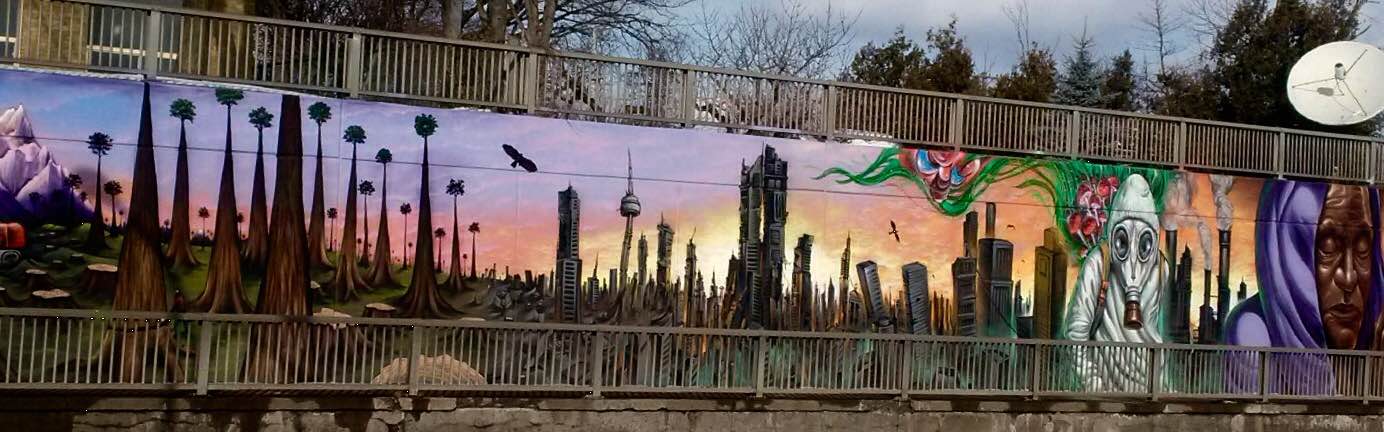
There is a mural along Lawrence Avenue in Toronto that I pass on my way home. It depicts human impact on the planet culminating in apocalyptic vision of the future.
Pokémon Go? No, it’s Algonquin go all the way!
Algonquin’s visitor centre has a board for recording wildlife sightings. When we stopped by the centre a couple of weeks ago, one of the entries read “Mewtwo at Mew Lake” (for the uninitiated mewtwo is a Pokémon, and no, I didn’t know that until our son, who  used to watch Pokémon, told me). I don’t know if it was an actual “sighting” (can I even use the word “actual” in this context?) or if it was meant as a joke (judging by the entry right above it could be). Regardless, it speaks to the latest Pokémon craze, which has been the centre of many debates lately. Proponents of this augmented reality game say it gets people outside and helps them get connected with other players and places they haven’t seen before. The “Pokémon go away” team, on the other hand, doubts if people even notice what’s around them with their gaze glued to the screen. I do think playing Pokémon Go outside is better than Assassin’s Creed in the basement, but I still find it hard to understand why virtual characters are needed to get people out of their house. To me, outside on its own is exciting enough, with all the bunnies, loons, bears and other real life “Pokémons.”
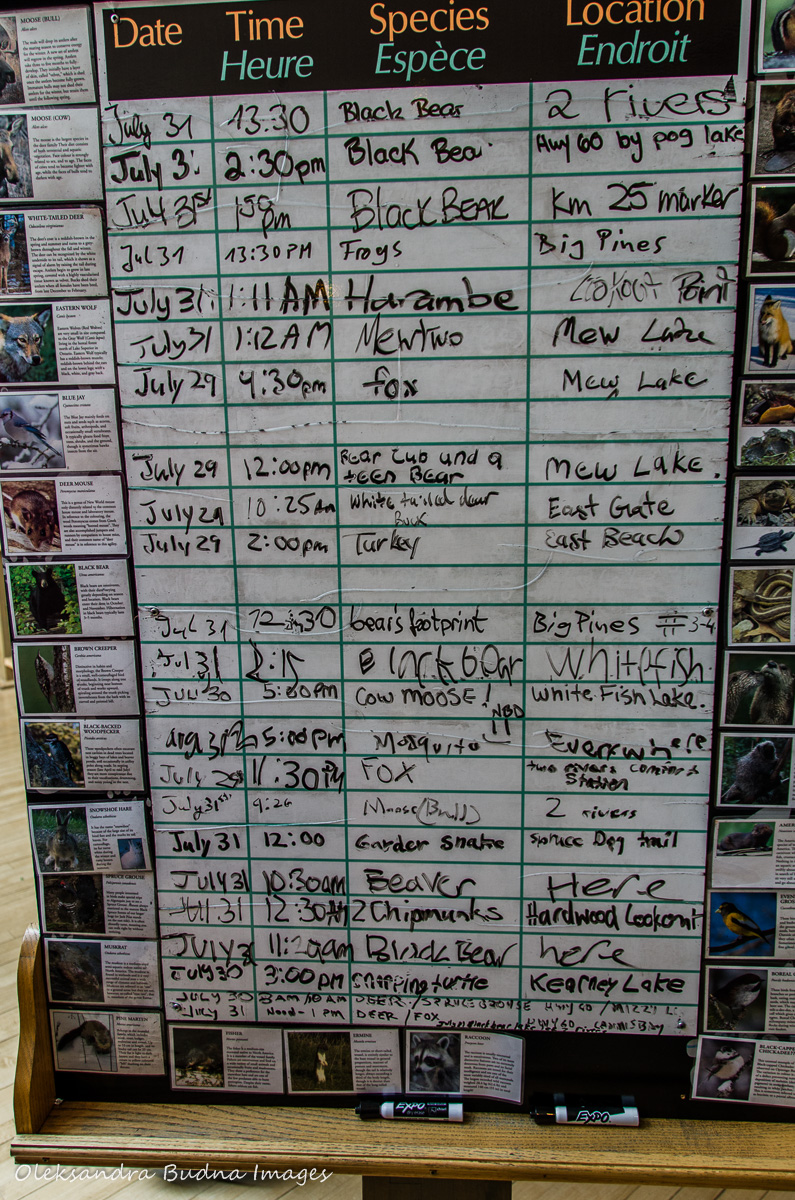 used to watch Pokémon, told me). I don’t know if it was an actual “sighting” (can I even use the word “actual” in this context?) or if it was meant as a joke (judging by the entry right above it could be). Regardless, it speaks to the latest Pokémon craze, which has been the centre of many debates lately. Proponents of this augmented reality game say it gets people outside and helps them get connected with other players and places they haven’t seen before. The “Pokémon go away” team, on the other hand, doubts if people even notice what’s around them with their gaze glued to the screen. I do think playing Pokémon Go outside is better than Assassin’s Creed in the basement, but I still find it hard to understand why virtual characters are needed to get people out of their house. To me, outside on its own is exciting enough, with all the bunnies, loons, bears and other real life “Pokémons.”
On turning 40 and travelling alone
“You don’t have to go, you know,” said my husband as I was preparing for my first solo canoe trip in Killarney.
“I know,” I replied, “but I really want to.”
Good thing he didn’t ask why because I am not sure I would be able to explain.
In books and movies, protagonists usually set out on a solo trip because they find themselves at metaphorical crossroads and feel stuck/confused/lost hoping a solution will reveal itself during those solo nature pursuits.
That wasn’t my story. Apart from occasional detours, the road ahead looked clear if not always level or straight. Sure I was turning 40 but I wasn’t losing sleep over it. I made peace with getting older long time ago. Occasionally I would turn around and think, “Where did the time go?” But then I would look at my children, my husband, my friends, think of all the wonderful things I’ve seen and learned, great trips I’ve taken, and beautiful moments I’ve shared with the people I love and knew: that’s where.
Although, I should say, my 40th birthday did have a role to play in my decision. I felt this important milestone required something bigger and more special than the usual sunrise ritual. So a solo canoe trip it was.

Our camping trip to Silent Lake or a recipe for a perfect de-stressing experience
Recently, I read an article about a newly published study that suggests not all people find escape into nature soothing and restorative. On the contrary, they crave a bustling city scene when they need to relax. The idea that traffic and crowds can be anything but stress-inducing is foreign to me, but who am I to judge. One thing I know for sure is that I am not one of those people. I definitely need nature to de-stress and unwind.

January update: nature pauses, geocaching and hugging trees at Kortright Centre
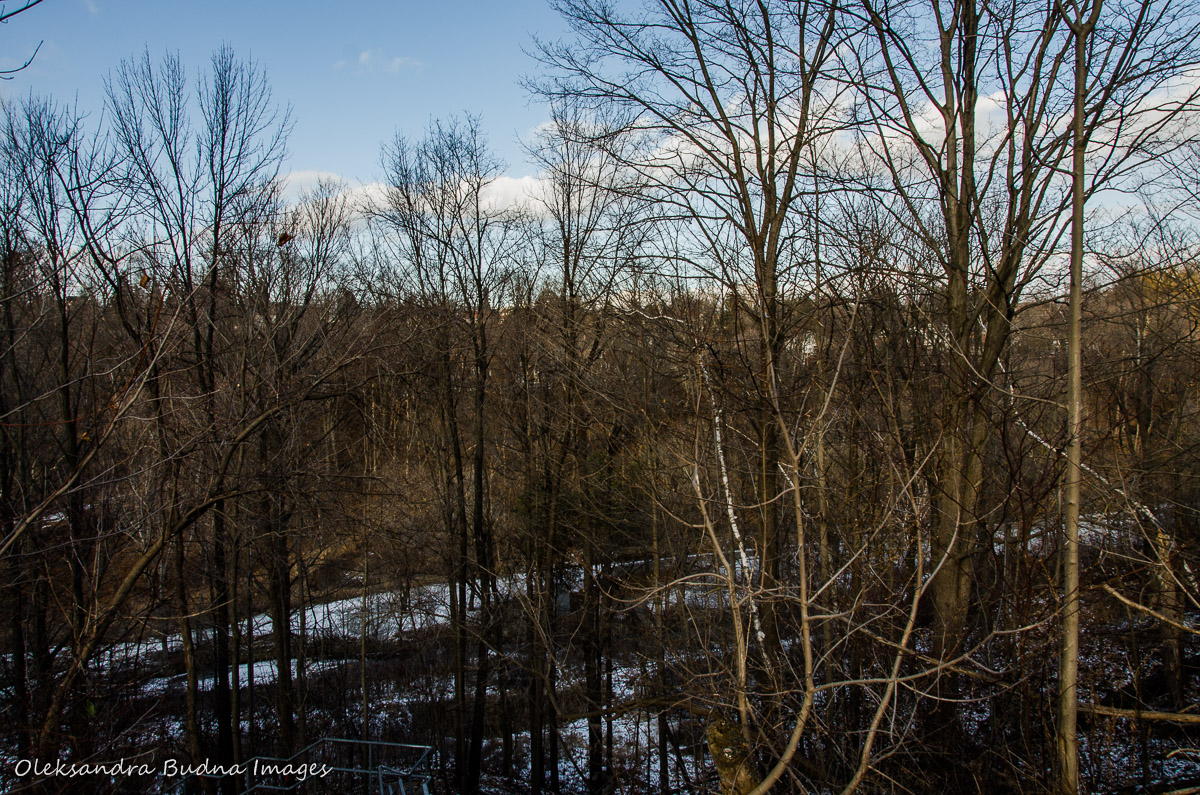
Yesterday, I had about 20 minutes to spare before picking up my husband from work so I decided to swing by Cullen Bryant Park in East York for a nature pause. It is my second week into a new job so I have been putting most of my energy into trying to get the hang of it and haven’t had much time for nature pursuits. The lack of vitamin N has started to take a toll: I could feel a spring inside me get tighter and tighter. But the moment I stepped into the park the spring started to uncoil. It was a very short walk along the Taylor Creek Trail (although it did include a pretty steep stair climb) and the boots I was wearing weren’t suitable for a slippery winter trail, but I emerged from the ravine feeling like a different person.
Rethinking Wild Places or Search for Trees in the City
“Let’s go find some trees,” my friend said a few days ago. So here we are sitting on a rock in High Park where trees are not hard to come across. They are right in front of us, sticking their bare branches into the sky. I try to block out the noise coming from Queensway and imagine I am in the forest. Not an easy task so I focus on birds chirping and twittering instead.

Lessons from the Tent: What I Learned During Our Camping Trips
So my birthday is coming up soon, and as always around birthday time, I started thinking about life and stuff. This year, my mind drifted towards camping probably because camping is on my mind most of the time, but also because for me, our trips have long outgrown the definition of a hobby and become a necessity, as essential to my existence as breathing. Camping is no longer something we do but rather a way of life. After ten years of hiking, biking and canoeing through the wilderness of Canada and the United States, we’ve accumulated endless amounts of photos, memories, skills, experiences, wonderful and terrifying moments that define us and shape our life both in and out of the woods.

Here are some of the things we learned in the great outdoors.
Nature Literacy: Why Children Need to Spend More Time in Nature
Last week was a Family Literacy Week in Canada. Lots of resources and tips were shared about reading and language development. Both are essential skills for every kid, without a doubt, but all those posts made me think about the kind of literacy that doesn’t often get much air – nature literacy.
Recently, I read about Oxford Junior Dictionary taking out 50 nature-related words and replacing them with tech vocabulary. Someone decided that words like acorn and cauliflower weren’t as important for seven-year-olds as say broadband and cut-and-paste. Considering that kids already spend too much time in front of the screen (over 7.5 hours a day for children in Canada according to Participaction), it seems like a dangerous trend. Children nowadays can probably name more computer game characters and social media platforms than types of trees or flowers, let alone identify those trees and flowers when they see them. Apparently, 80% of kids in America will never see the Milky Way in their lifetime (I couldn’t find the figure for Canada but I can’t imagine it would be much different) but I am sure they will have no shortage of space movies and video games. A lot of kids have no idea where their food comes from and consume nature in prepackaged bits at a zoo or aquarium. There is even a term for it now ‘nature deficit disorder,’ coined by Richard Louv, author of The Last Child in the Woods.
We could argue that our technology oriented world demands that kids become tech-savvy at an increasingly earlier age and that being able to identify a tree or a bird isn’t an essential skill unless you are, say, a biologist. Plus, you can always look it up online, right? Well, we often forget that spending time in nature offers a wide range of benefits, including extensive opportunities for learning and creativity, increased physical fitness levels and improved mental health. And it is proven that children that get early exposure to nature grow up to be better stewards of our planet, something we definitely need these days of climate change and resource shortage.
We as a family love all nature-related activities. Our kids have been going camping, canoeing, hiking, biking, skiing and snowshoeing with us since a very early age. We grow herbs and vegetables in our tiny balcony garden and love visiting pick-your-own farms in the summer. So we know firsthand how beneficial nature can be for both children and adults. Here are a few reasons to get outside with your family.
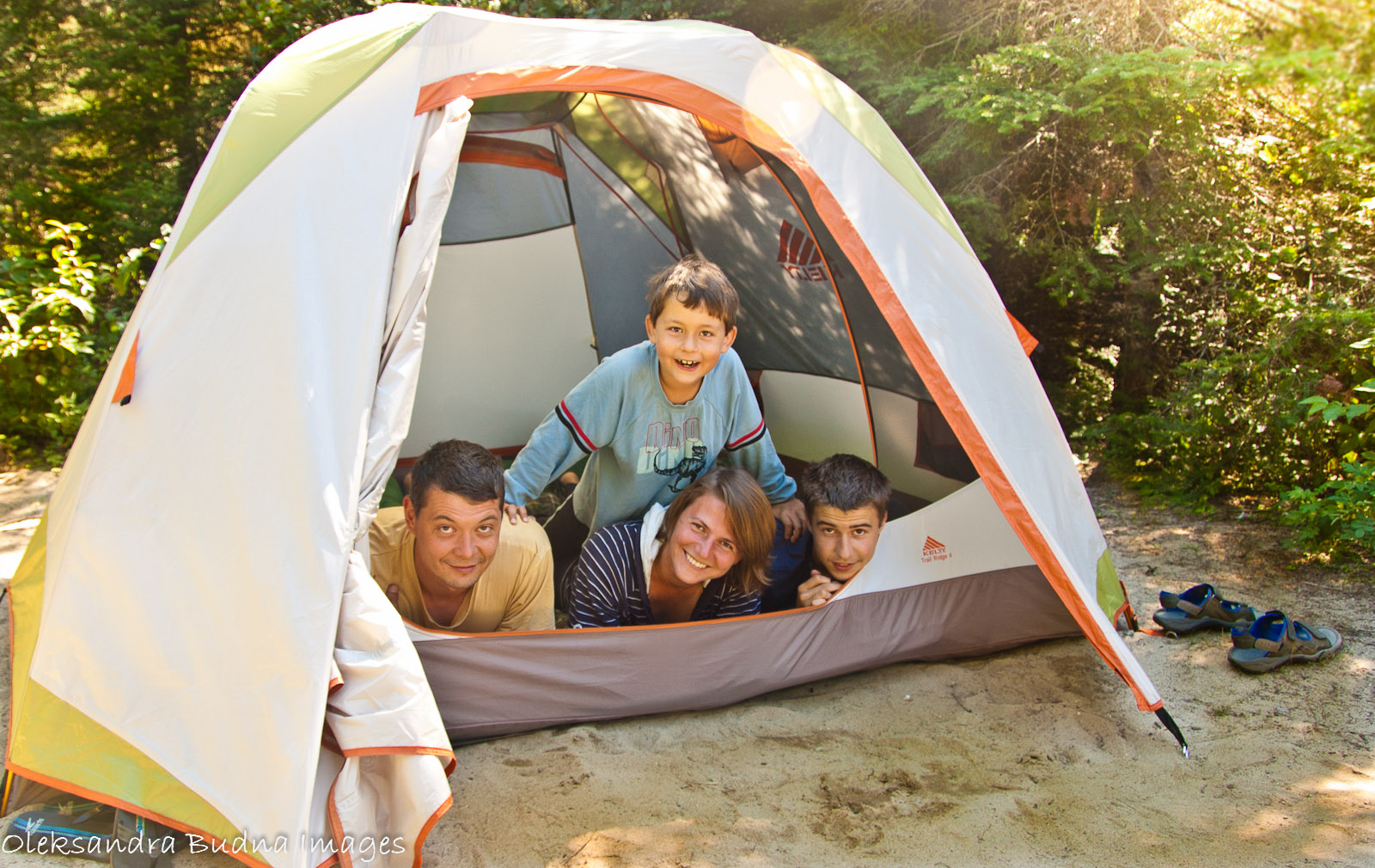
Camping at Pukaskwa National Park

Biking at Prince Edward Island
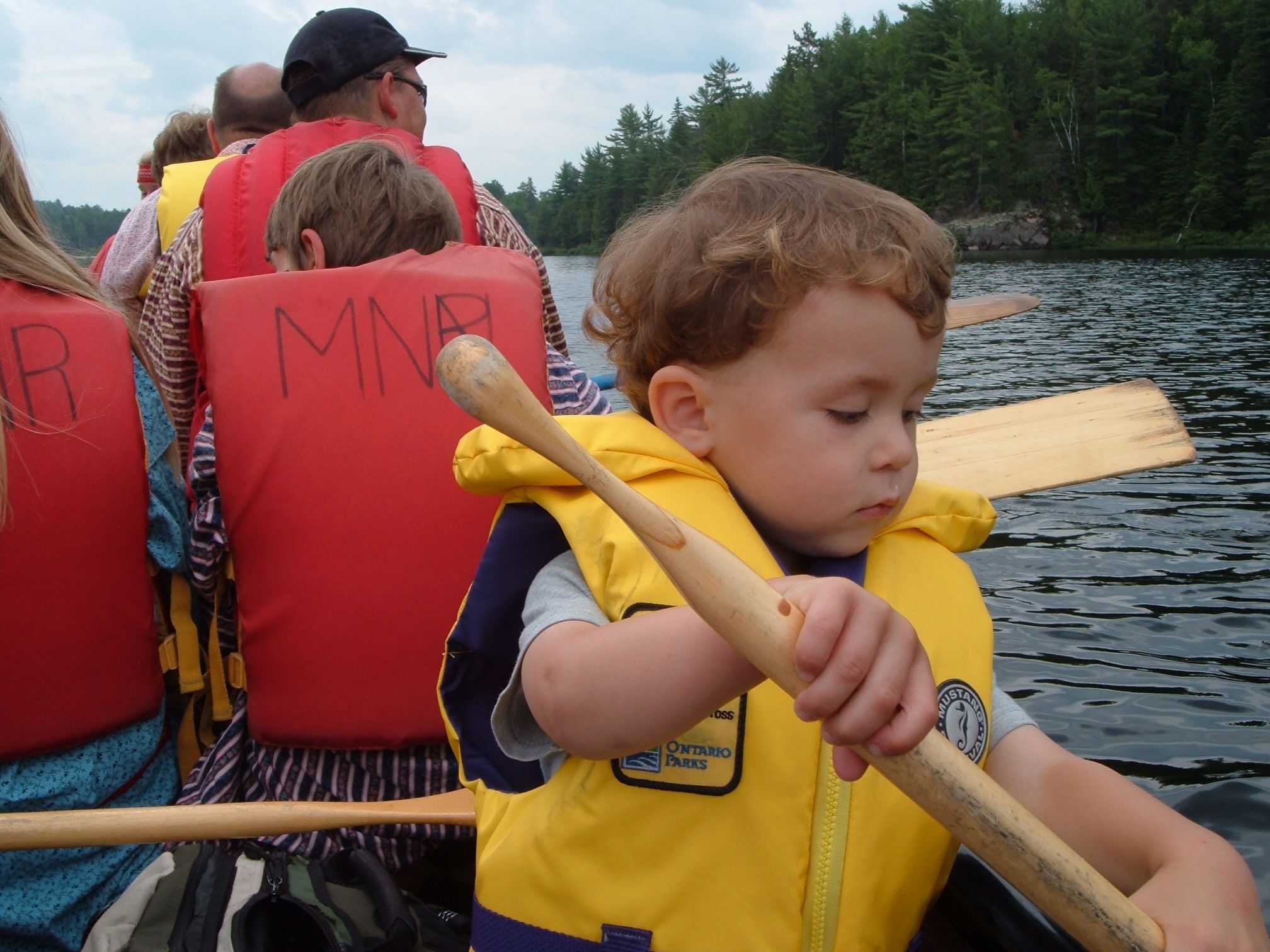
First paddle at Samuel de Champlain Provincial Park
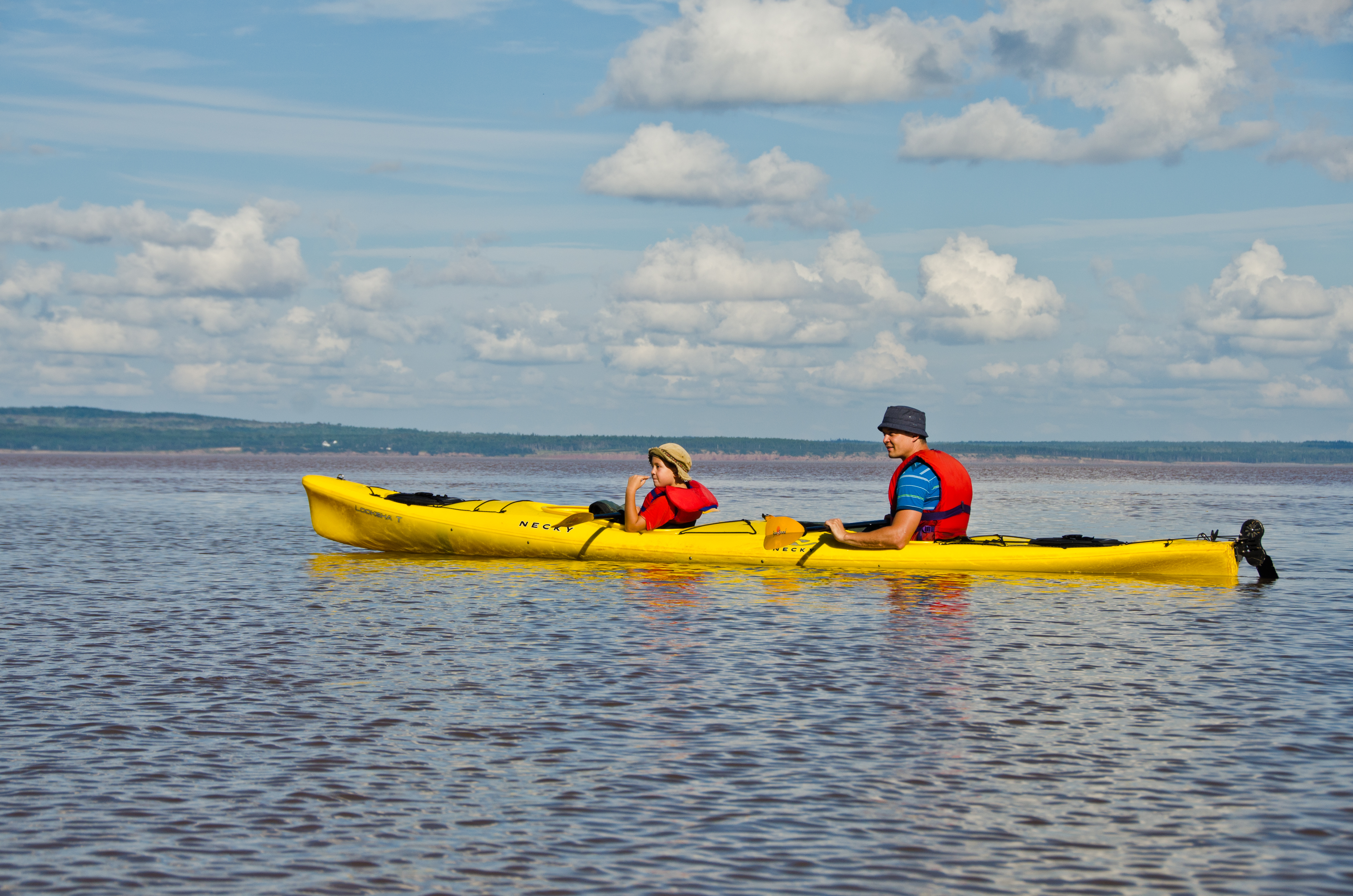
Kayaking at Bay of Fundy
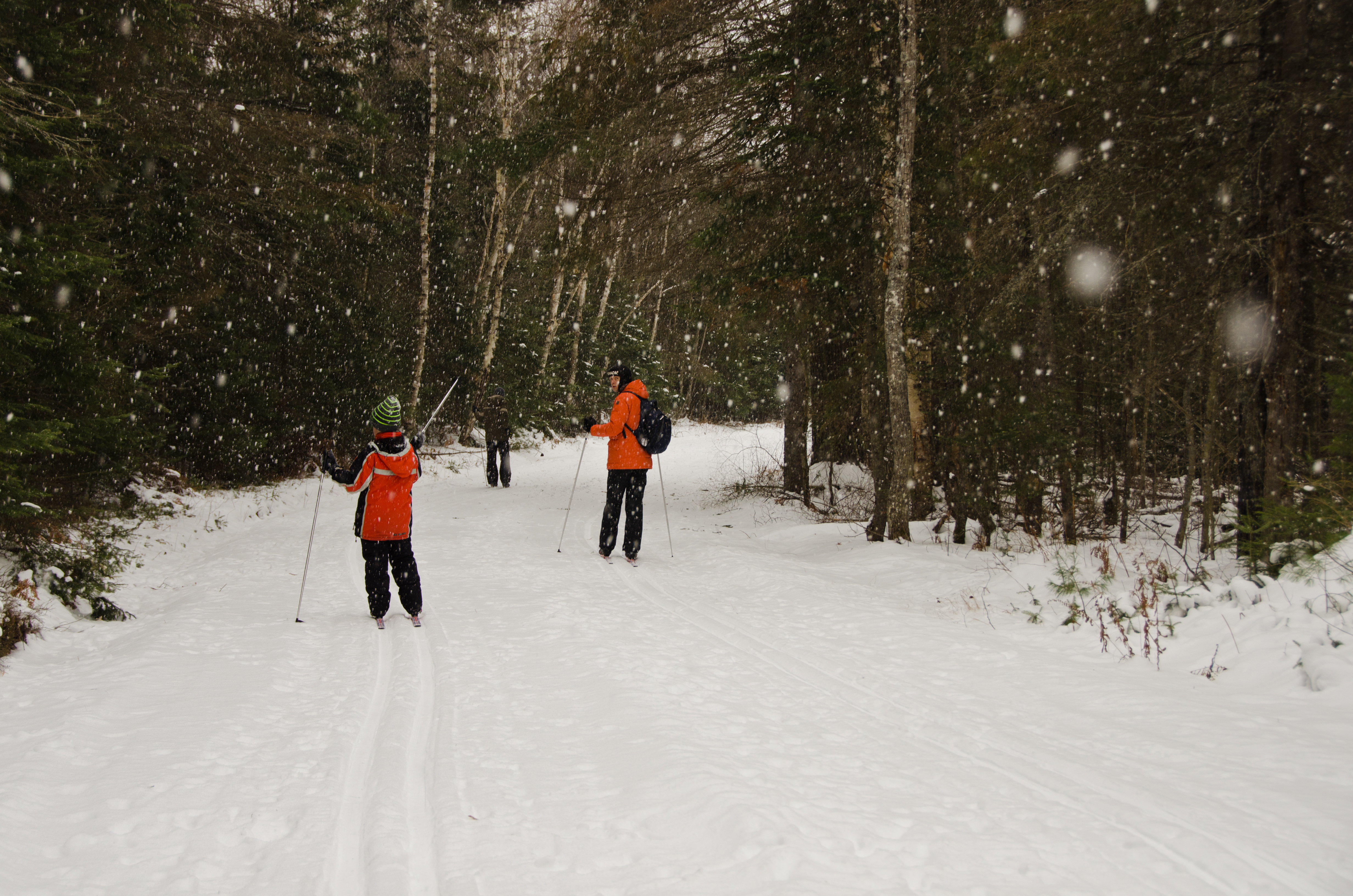
Skiing at Killarney Provincial Park

Backpacking at Bon Echo
Endless opportunities for learning
When we think of learning, we immediately imagine a structured school environment with printed and online resources. We often forget that nature is, in fact, one big classroom with limitless opportunities for exploration and learning. Unlike school, this outdoor classroom is inspired by the surroundings and guided by children’s interests. When we hiked at Badlands, we learned about sedimentary rock, buffalo and the tragic history of the Lacota people. We attended a ranger talk about fossils and imagine our excitement when we found one ourselves. Yellowstone and Craters of the Moon were perfect locations for learning more about volcanoes. Our trip to Bay of Fundy in New Brunswick was all about tidal activity. When we headed for the Maritimes, we started reading Anne of Green Gables and the whole book came to life once we arrived to Prince Edward Island. While visiting Algonquin Park, we learn as much about boreal forests and Canadian Shield as we do about the impact of logging and legacy of Tom Thompson. When we stay up at night to watch the stars either at Glacier National Park in Montana or Bruce Peninsula in Ontario, we talk about constellations, celestial bodies, possibilities of space travel and our vulnerability as humans in this vast Universe.
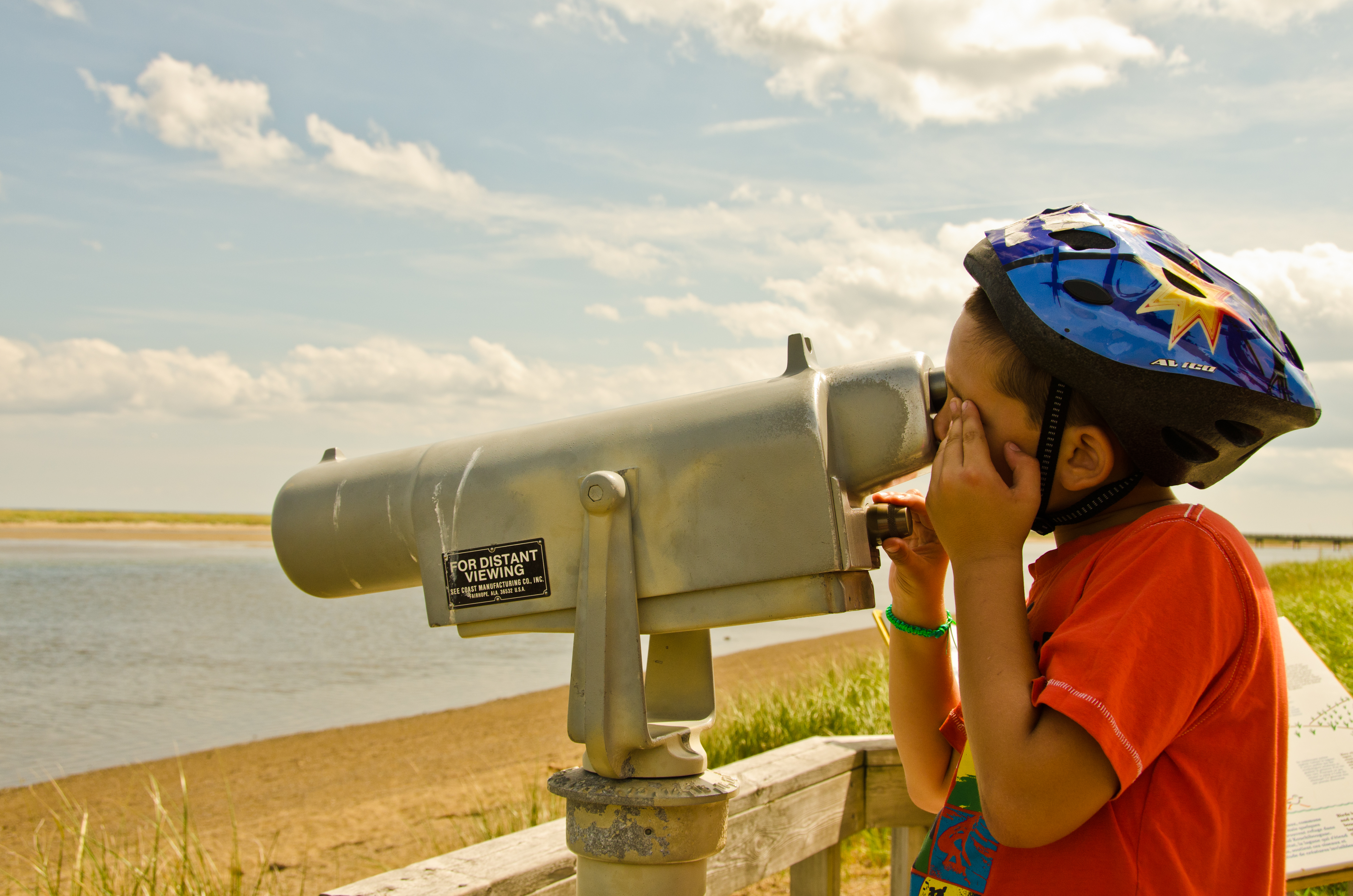
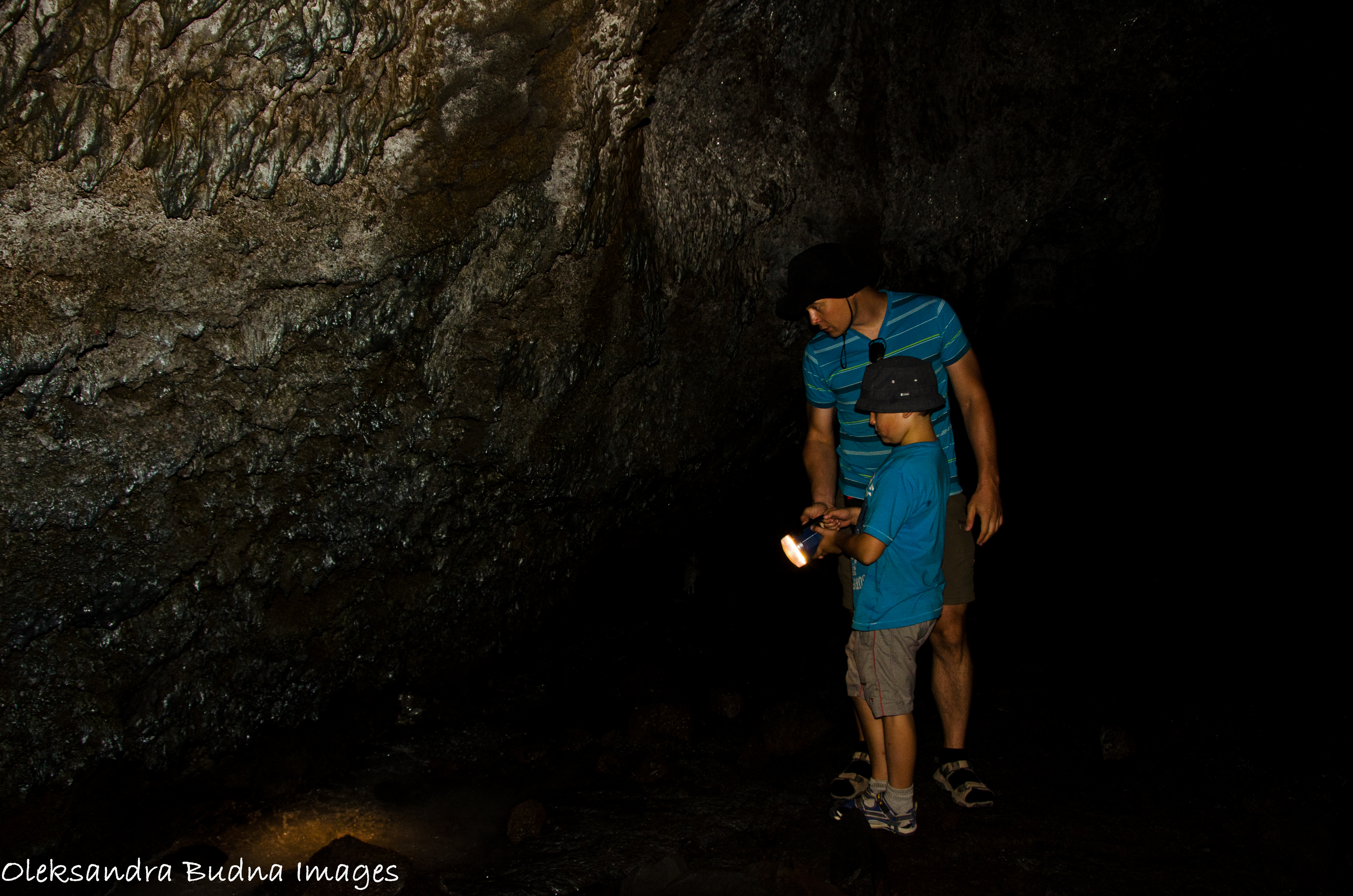


As you can see, learning topics extend way beyond local flora and fauna (and we do carry plant and bird guides with us to help us identify different species). In addition, because all those learning experiences are so multidimensional and multisensory, kids actually remember them long after the trip is over. A couple of years ago, I volunteered to help with the Scientist in the School session at my son’s school. The topic was “Types of Rocks.” As the kids were doing activities about sedimentary, igneous and metamorphic rocks, my son quickly pointed out that Badlands was a good example of sedimentary rock and igneous rock could be found at the Craters of the Moon. He was referring to the road trip we’d taken the summer before. To him, all those types of rocks were more than just a description or a picture in a book, it was something he saw, touched and climbed.
Imagination and creativity
I’ve often heard parents brag about their kids being able to open programs on a computer or enter a password into an iPad or iPhone. I can see how it may seem fascinating that our children can operate such an impressive piece of technology, something we couldn’t even imagine when we were their age. In reality, it’s about remembering a sequence of operations, something kids are naturally very good at. The sad truth about the plastic abundance of toys and electronic vortex of entertainment is that it takes away kids’ ability to develop their imagination and creativity.
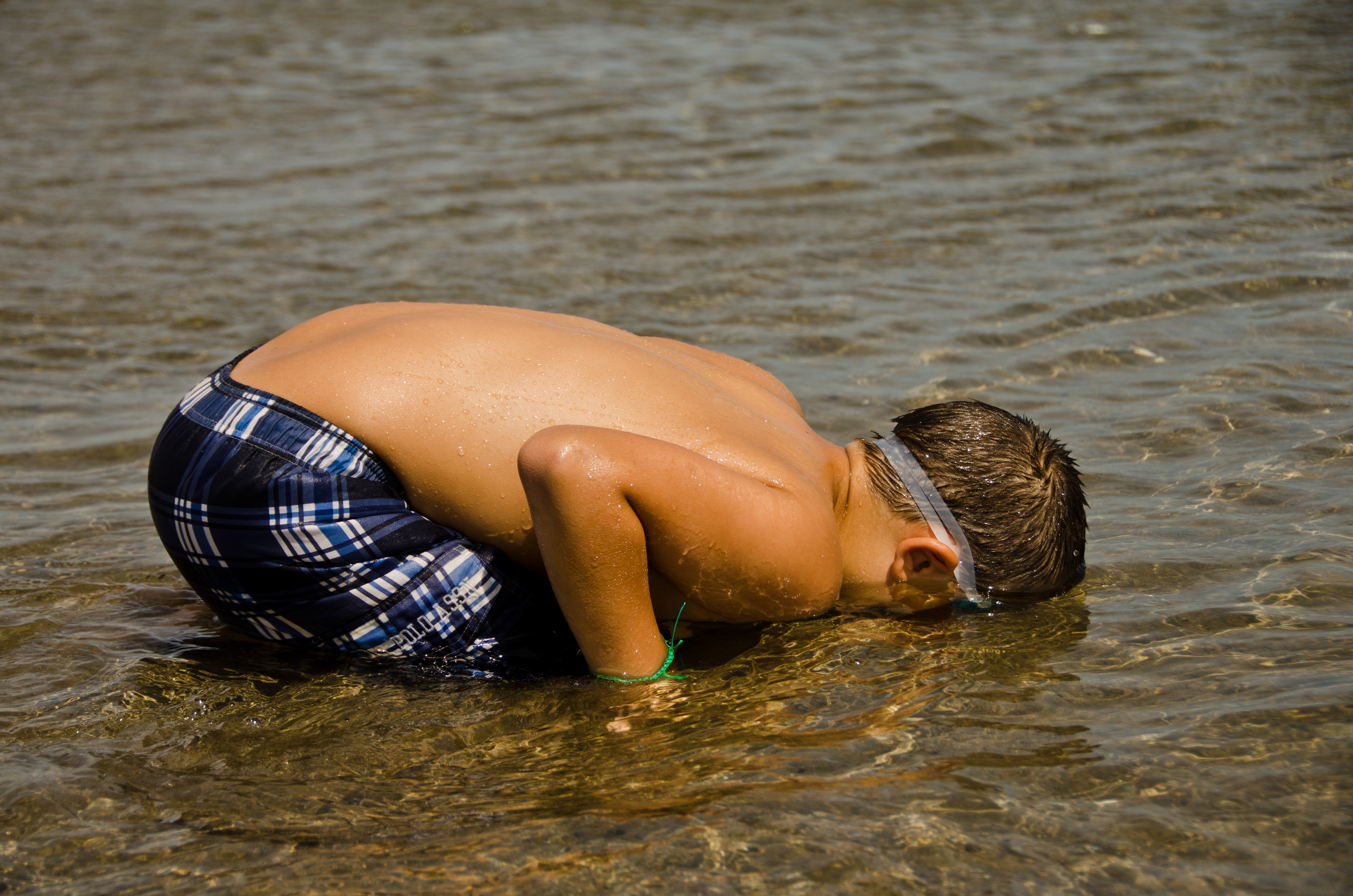
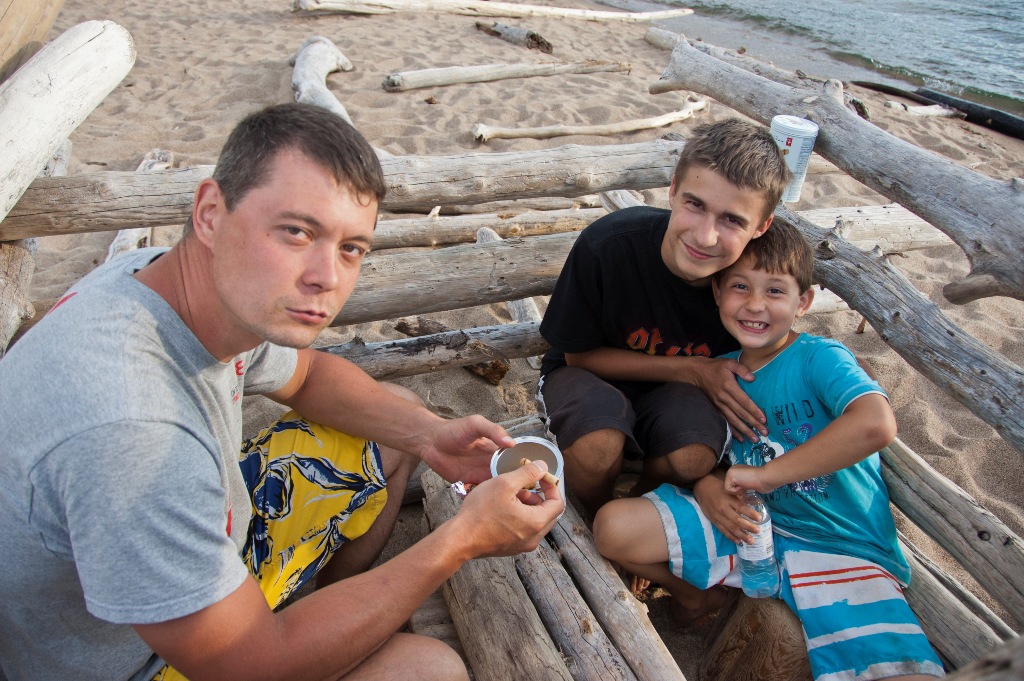
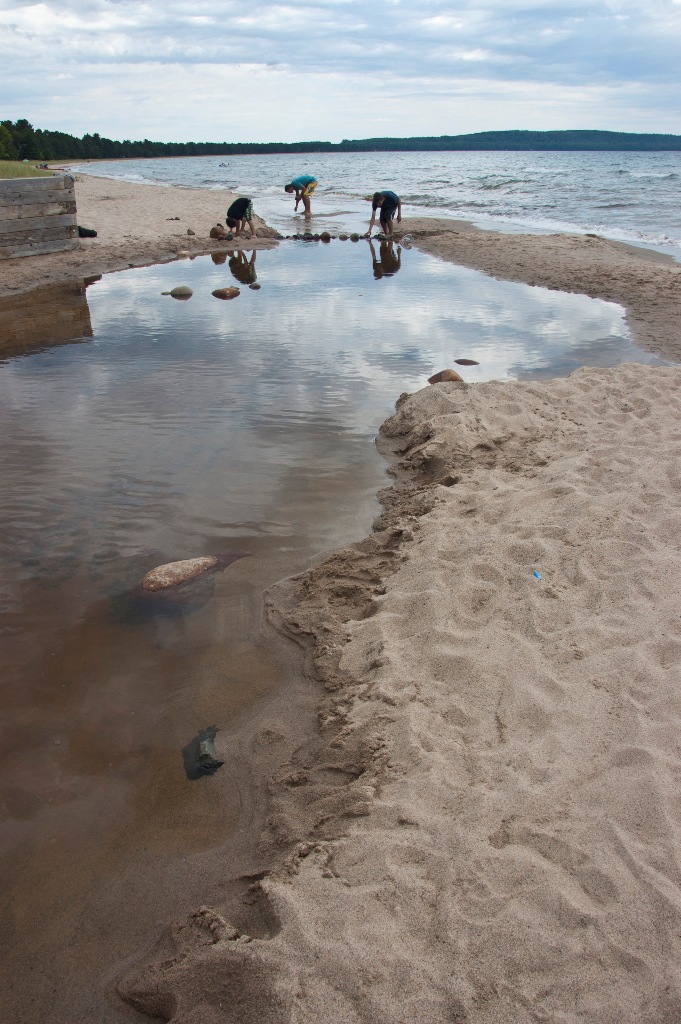
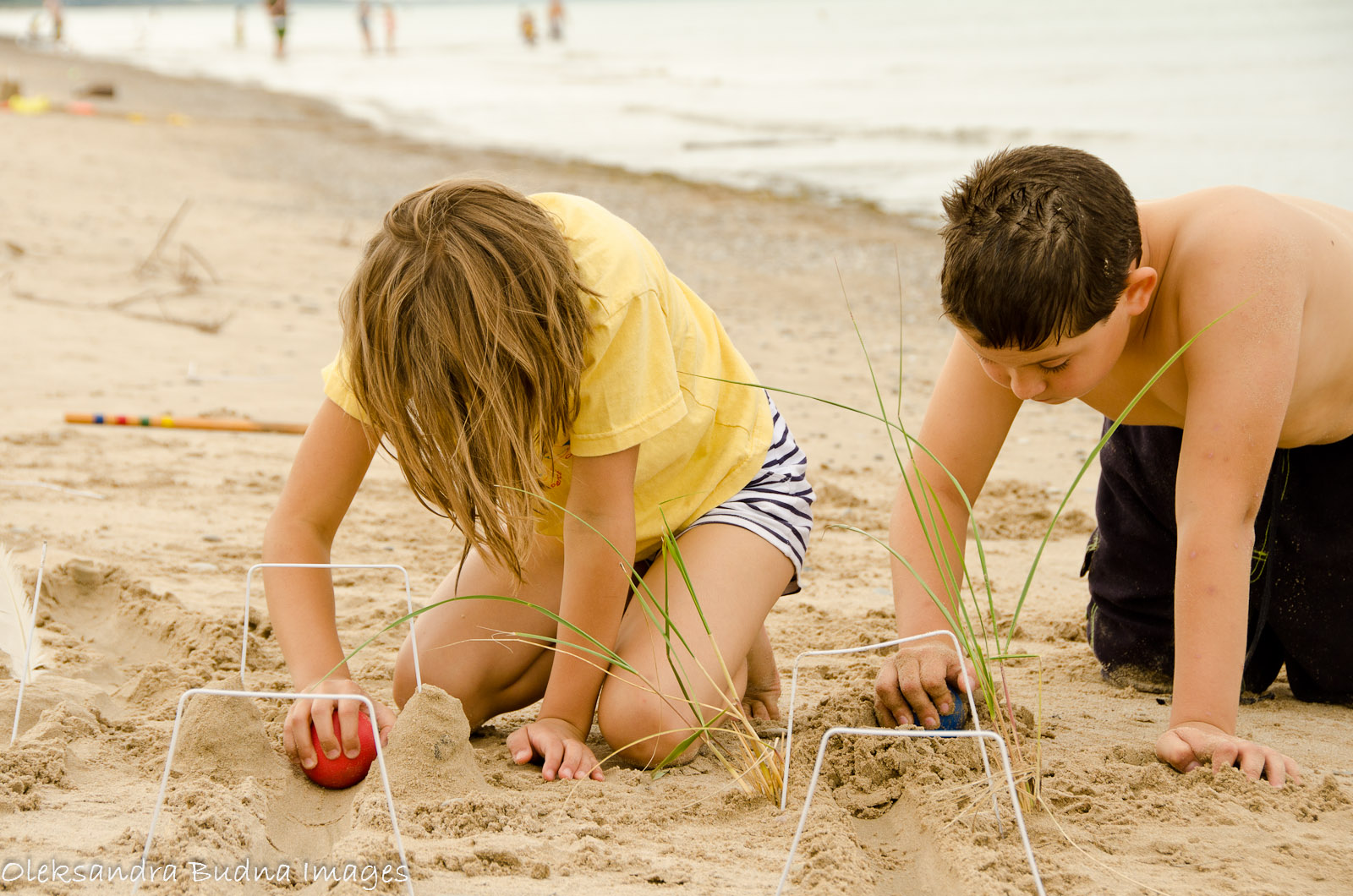
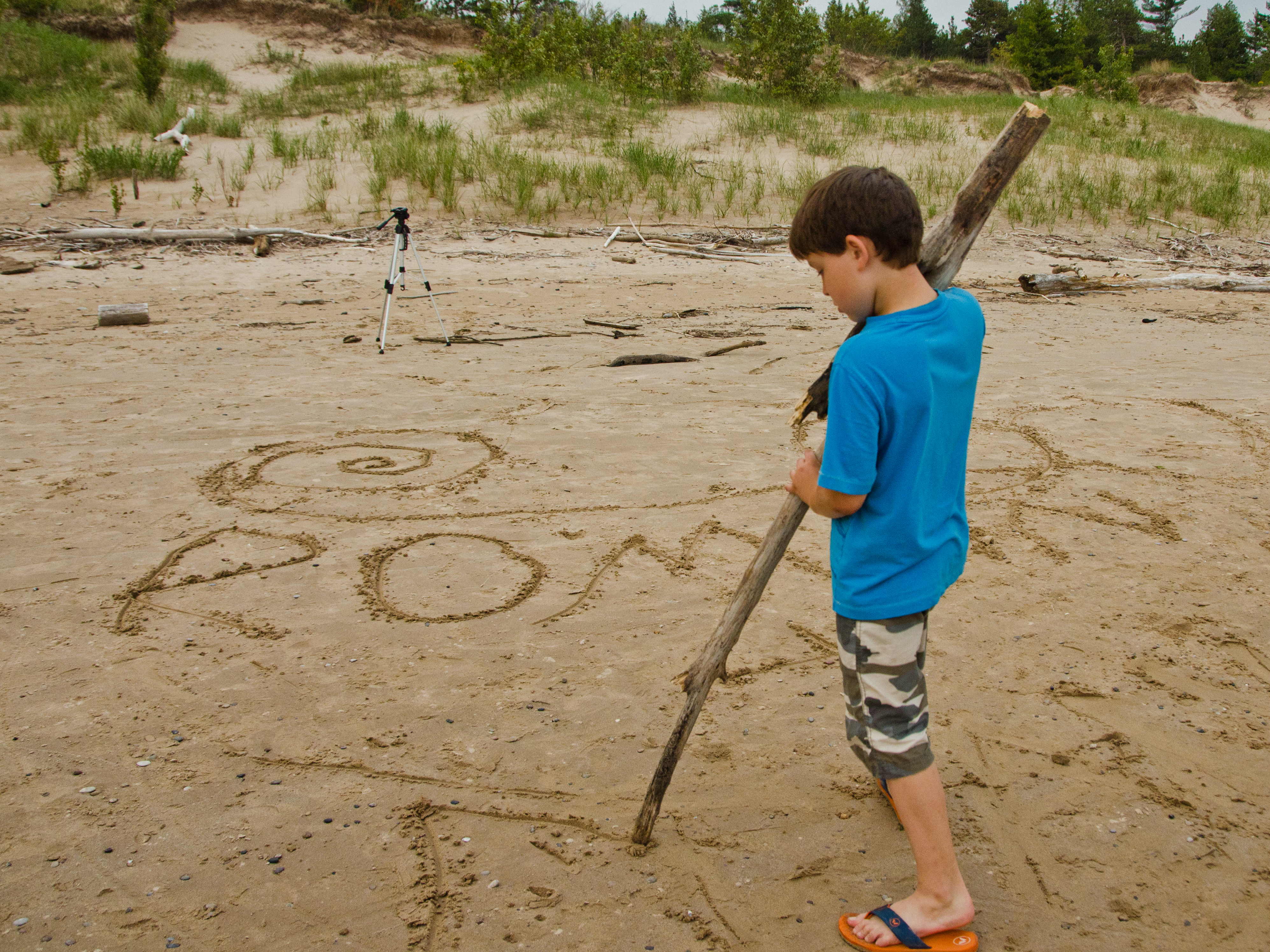
Outdoors, on the other hand, is a magical land where anything can be a tool and material for creation. We’ve seen our kids spend hours building forts out of driftwood and dams out of rocks. The beach is a perfect construction site for castles, cities and, once, a very imaginative cricket course. And a stick is never just a stick!


Ability to get mesmerized
We live in the world of 24/7 entertainment and special effects. We now expect to be constantly kept amused and we want the entertainment to be increasingly brighter, more exciting and stimulating. The downside is that we gradually lose our ability to be awed. After all the Disney World rides, a simple hike in the woods may seem less than exciting to children nowadays. And animals in the wild don’t always show up on cue or perform the way they do at Marineland or even at the zoo.
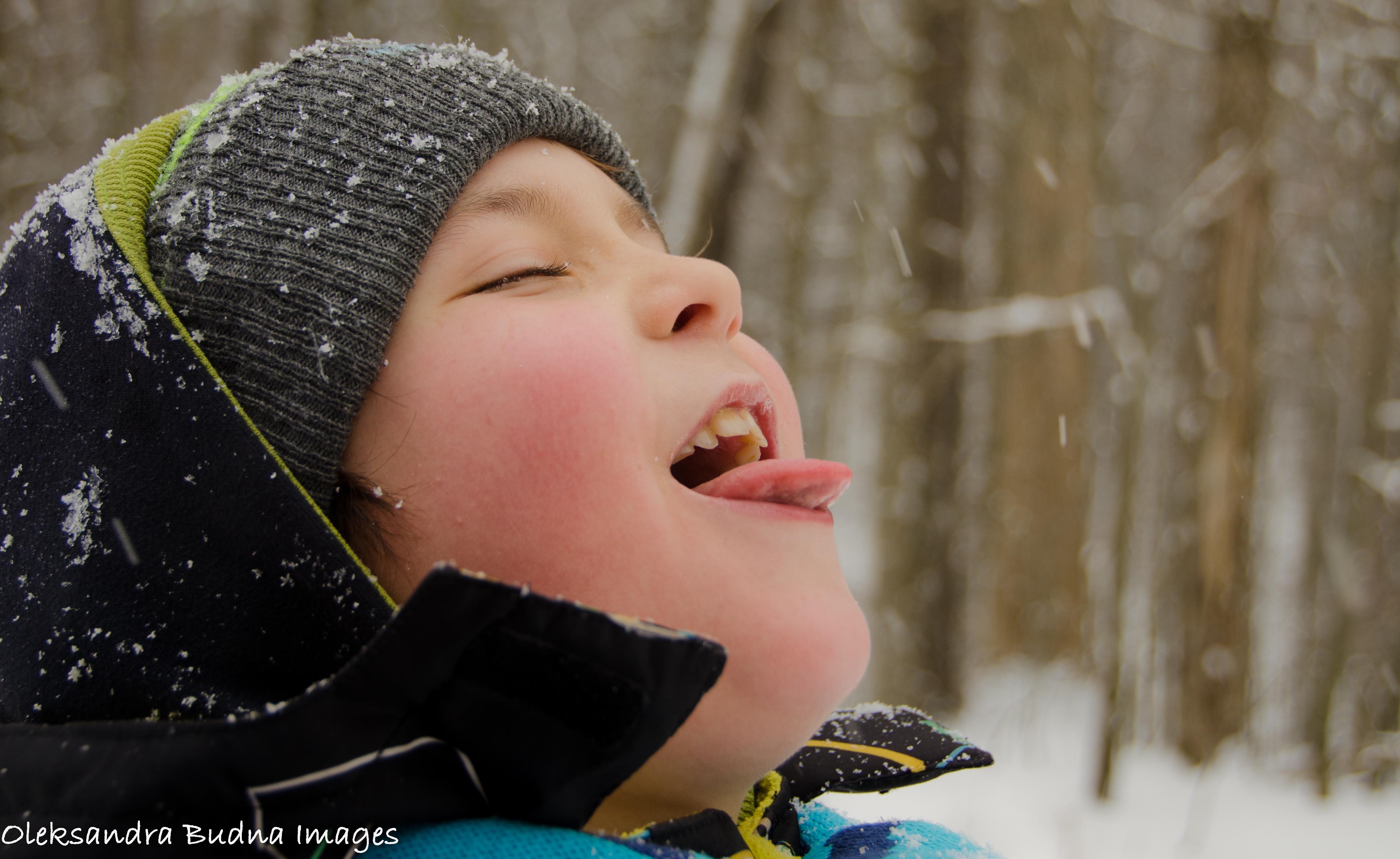
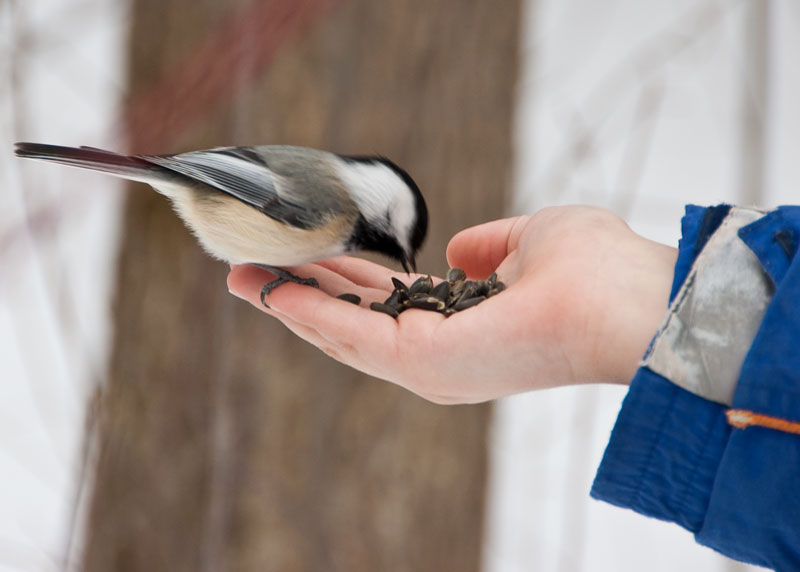
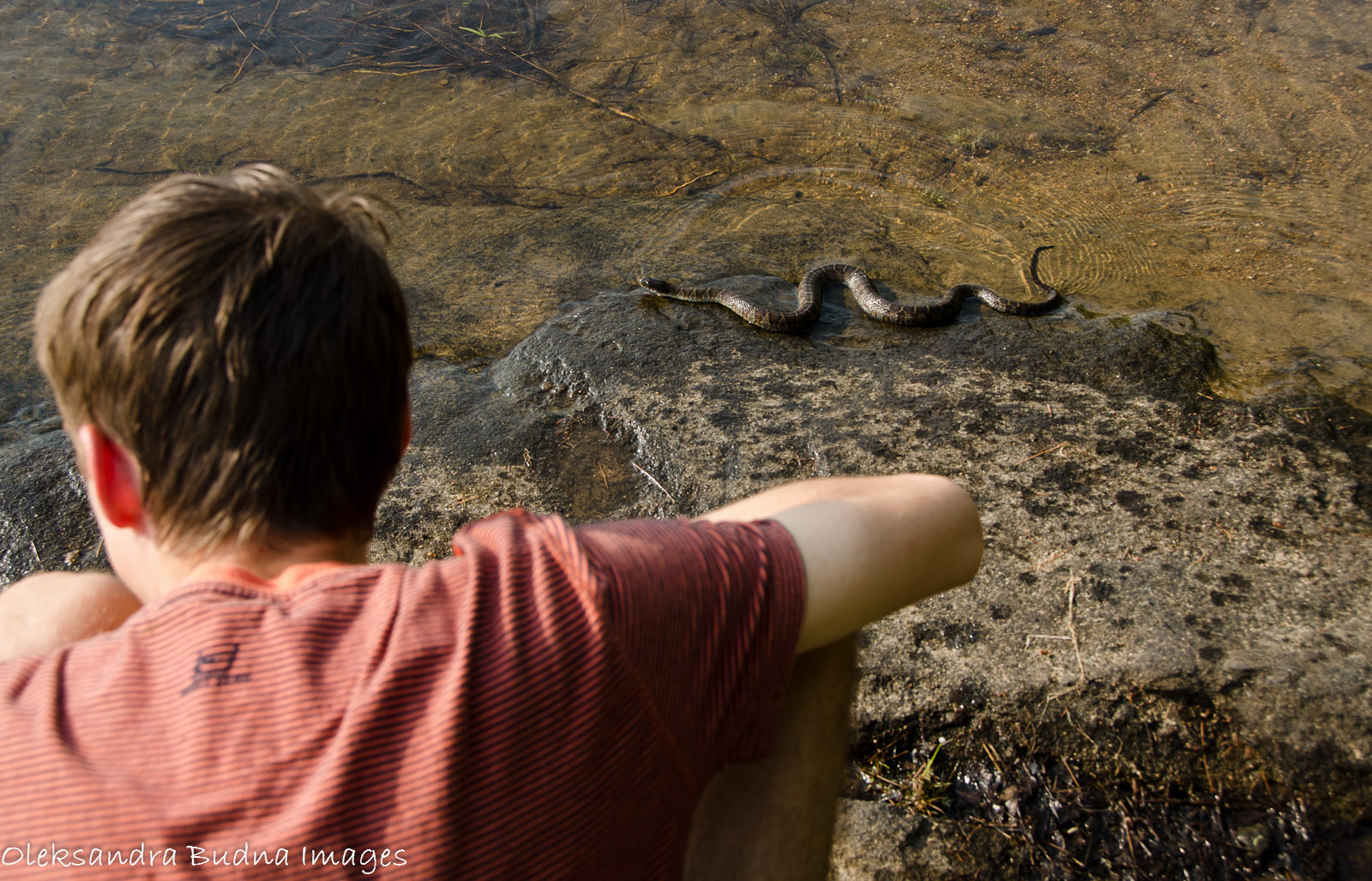
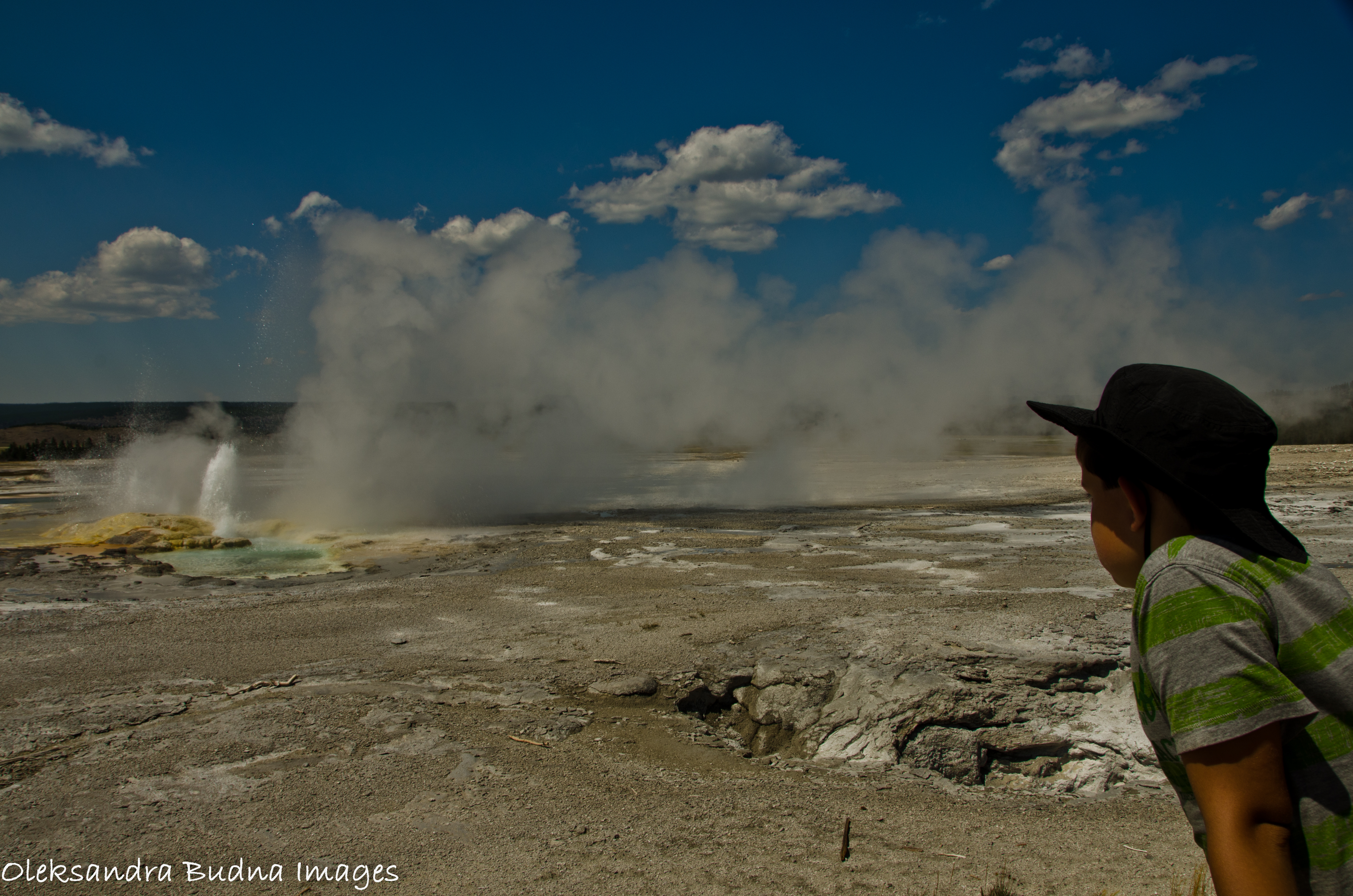
Yet, spending a lot of time in nature can help keep this feeling of childlike wonder not only alive but flourishing. During our travels, we get excited when we see a bison crossing the road or a hummingbird fluttering by. Our kids can spend hours watching mountain goats scaling a hillside or snakes weaving their way through the rocks. Sunset colours are more mesmerizing than any electronically produced special effects and a rainbow dancing in a geyser is the best light show ever, according to our son.


Healing through nature
Recently, more and more studies talk about green therapy. People who live near green spaces have fewer physical and mental health problems and spending time in nature helps manage ADHD symptoms in children. To us, all these findings are common sense, practically axiomatic. Of course, you get fitter as you hike, bike and paddle all day. And kids who have problems concentrating will certainly do better after they get an opportunity to run around. As for nature’s effect of mental health, isn’t it constantly exploited by the sellers of ‘soothing sounds of nature’ CDs and natural scents? But why settle for artificial if you can have a real thing for free?
In our family, nature is a go-to happy place. We all believe in the power of a walk in the woods and the miraculous effects of a nature detox.


Acquiring new skills and confidence
Our kids know how to pitch a tent, make a fire and paddle a canoe. They’ve done portaging and backpacking in the backcountry. At fourteen, our older son was able to cook a complete meal in the woods, from chopping wood to clean-up. I know chopping wood is not on the top of must-have skills these days. However, a kid who can do that has no problem making something for dinner in everyday life. Plus learning all these skills gives them a sense of accomplishment, instills confidence and makes them feel more independent and grown-up. Our older son now has his own tent (a present for his 18th birthday) and he loves it, even if it means more work for him with setting it up and then putting it down at the end of the trip.
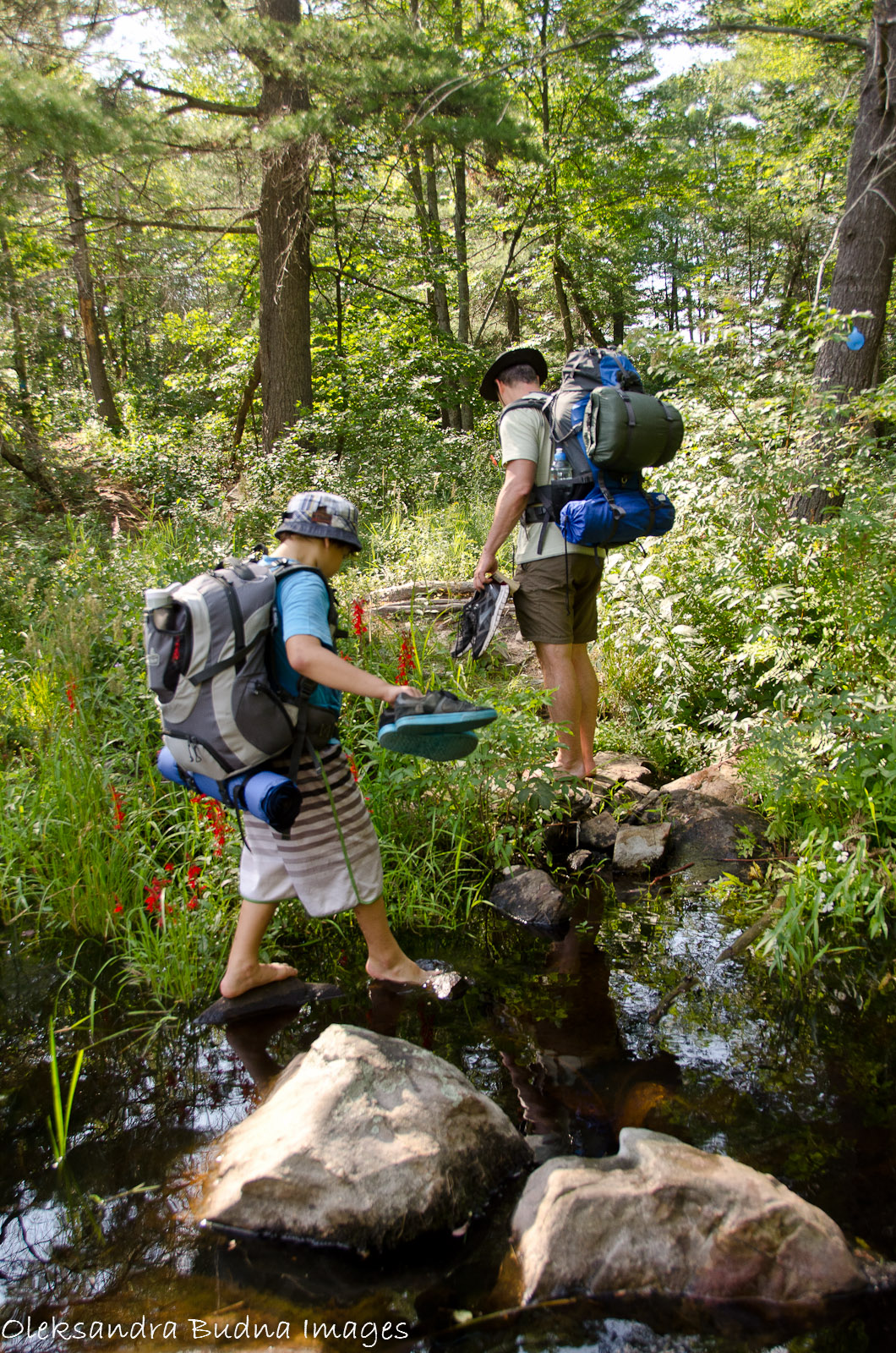
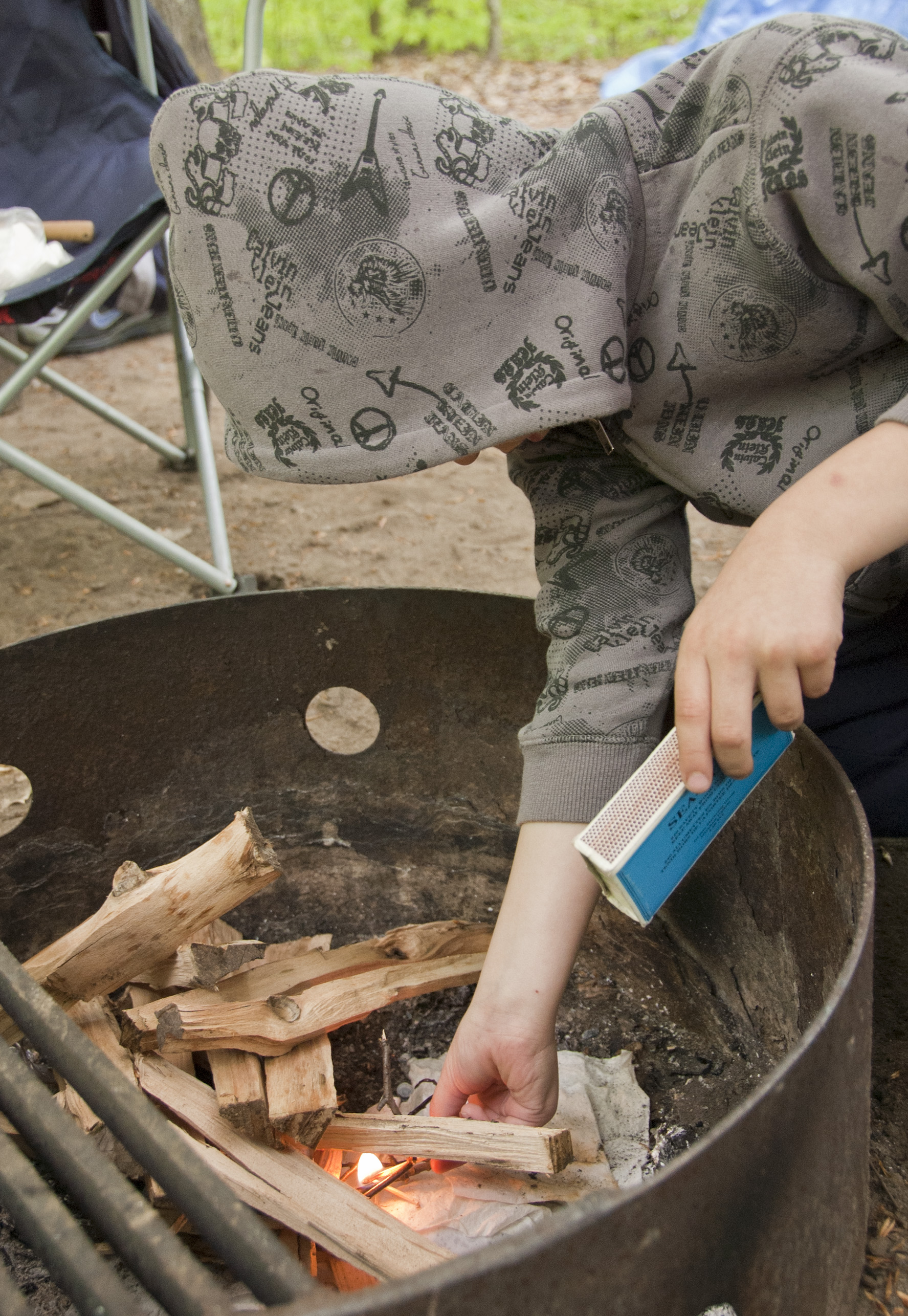


When we are camping, everyone has to pitch in and kids don’t complain about having to do chores. In fact, most of the time they are happy to bring water, collect firewood, clean the dishes, and carry their things across portages and on backpacking trips. And they always want to come back!
Time to spend together
The biggest gift of nature is the time we spend together. Away from distractions and schedules, we have time to explore and learn together, play games, sing songs and talk around the campfire. There is also plenty of time to be on your own if you wish to enjoy the view or read a book. The fact that our 18-year-old still wants to go camping with us and gets upset if he misses a trip is my biggest validation if I ever needed one.


Connection to nature
According to Robert Macfarlane, “We do not care for what we do not know.” So for me as a parent, the main goal of all our camping trips and adventures is for my kids to get to know nature on a very personal and intimate level, not just something they see in books and on TV or learn about in their science class. I want them to feel part of it and be more mindful of the negative impact we as humans can have. Because they know that stuff doesn’t magically appear in the store but is made of resources that are extracted from the earth, they don’t ask for the latest gadgets or toys. When things break down, their first question is whether we can fix it and not if we can buy a new one. When choosing a university program, our older son picked civil engineering determined to help create more sustainable cities. And our younger son plans nature-themed birthday parties and uses them to fundraise for organizations like World Wildlife Fund.


Yesterday, after our walk in the neighbourhood park, my 10-year-old son asked, “Do you think there will ever be time with no outdoors, just buildings everywhere, when even parks will be inside in a simulated environment?” I thought for a second and then we both said at the same time, “I hope not.” “We just need more kids like you,” I added.
 Gone Camping